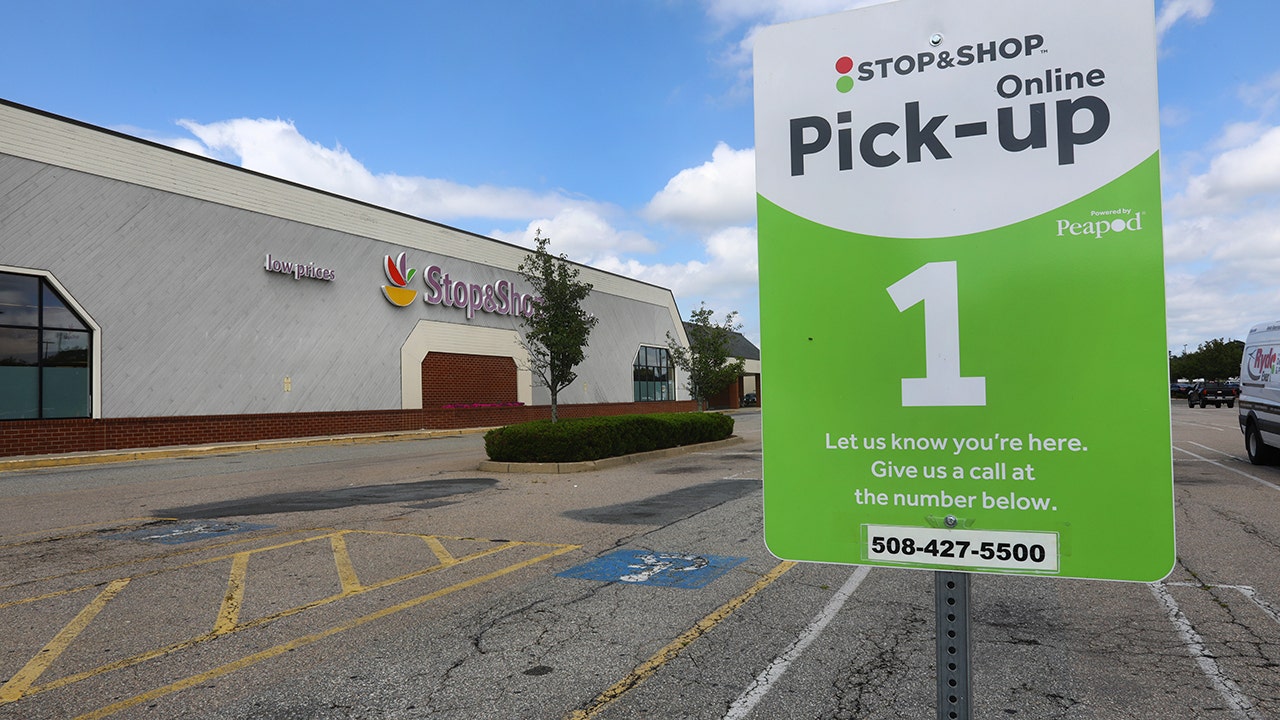
Stop & Shop plans to close underperforming stores to ensure long-term viability, though the company did not specify how many locations will be affected. Despite these closures, Stop & Shop maintains a strong market share in the Northeast and has remodeled over 190 stores. The decision comes amid broader industry challenges, including inflation and margin pressures.
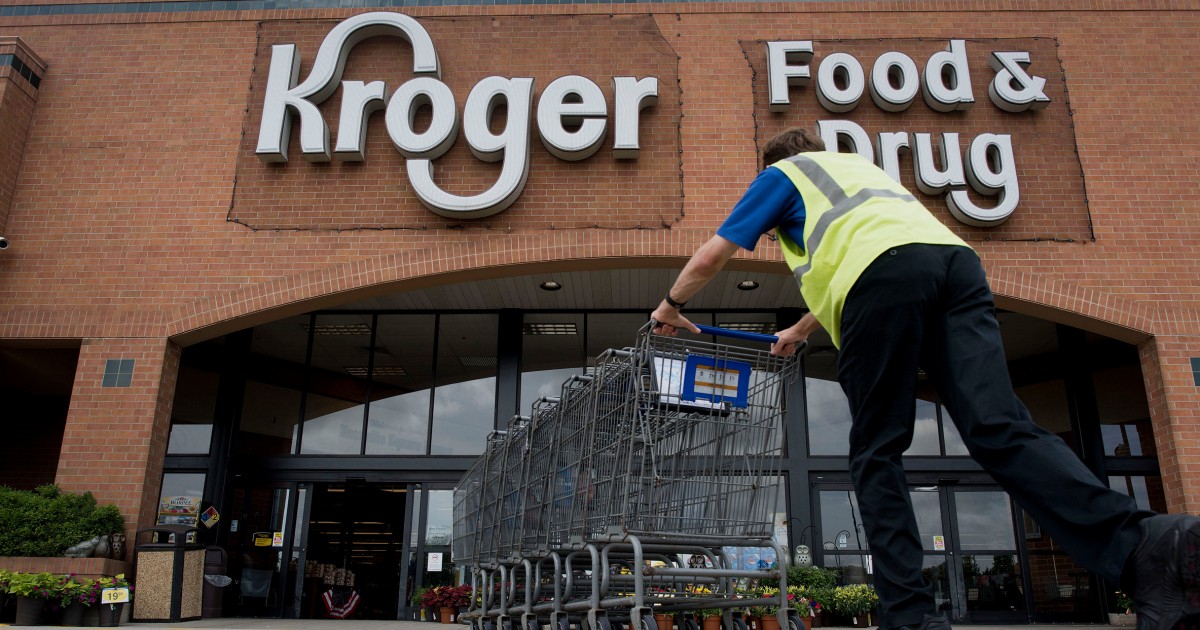
The US government sued to block the $25 billion mega-merger between Kroger and Albertsons, citing concerns about higher prices and weaker competition, but even if the deal is dismantled, it may not save local grocery stores. The FTC charged that the merger would eliminate competition, raise prices, and reduce service for consumers, while also increasing market concentration and hurting competition. However, Kroger and Albertsons argue that merging would allow them to drive down costs and pass along the savings to shoppers. The FTC's aggressive new antitrust approach under President Joe Biden has led to this action, with concerns raised about the impact on workers and collective bargaining. Despite the lawsuit, Kroger plans to continue pursuing the merger in court, with some analysts expecting the two companies to eventually merge.
The FTC's attempt to block the $24.6 billion Kroger-Albertsons merger has sparked debate over its potential impact on grocery prices, workers' wages, and competition with Walmart. While the FTC argues that the merger would reduce competition and lead to higher prices, Kroger and Albertsons claim it would allow them to offer better deals to customers. Labor advocates see the FTC's move as a win for workers, while concerns about Walmart's dominance in the grocery industry also loom large.
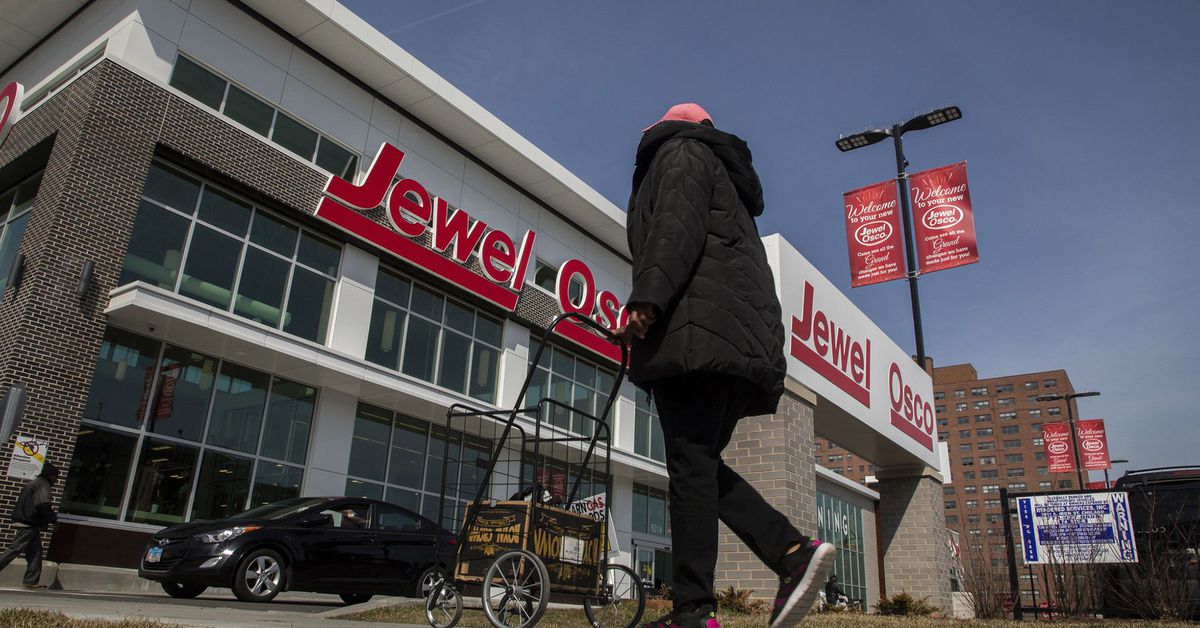
The $25 billion deal between Jewel and Mariano’s parent companies has been delayed due to opposition and concerns about anti-trust regulations, with the federal government expected to announce its decision in February. One state has already filed a formal challenge to the deal, which would create a mega-grocery chain with over 5,000 stores. Meanwhile, Dom’s Kitchen & Market has combined with Foxtrot to form Outfox Hospitality, aiming to capitalize on the growing demand for gourmet foods and unique snacks in the Chicago market.
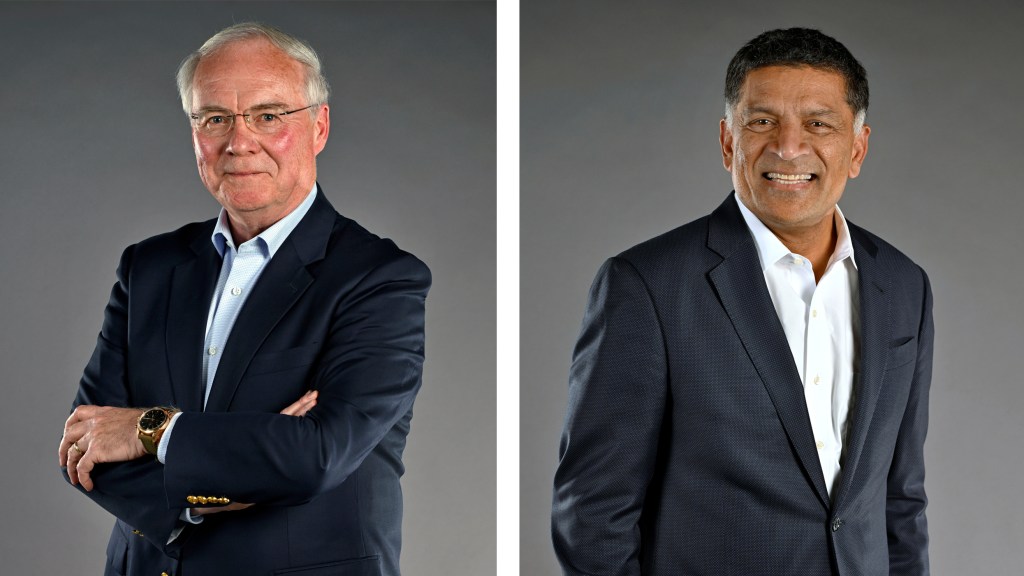
Kroger CEO Rodney McMullen and Albertsons CEO Vivek Sankaran have provided updates on their proposed $25 billion merger, pledging to lower prices, protect employees' retirement pension funds, respect union contracts, and avoid laying off frontline associates. The deal, which faces opposition from unions, farmers, and government officials, aims to better position the companies against rivals like Walmart, Costco, and Amazon. The CEOs predict the deal will close in early 2024 and are committed to creating jobs and lowering prices. The merger is currently under review by the Federal Trade Commission and the Department of Justice, who are amending guidelines to ensure compliance with antitrust laws.
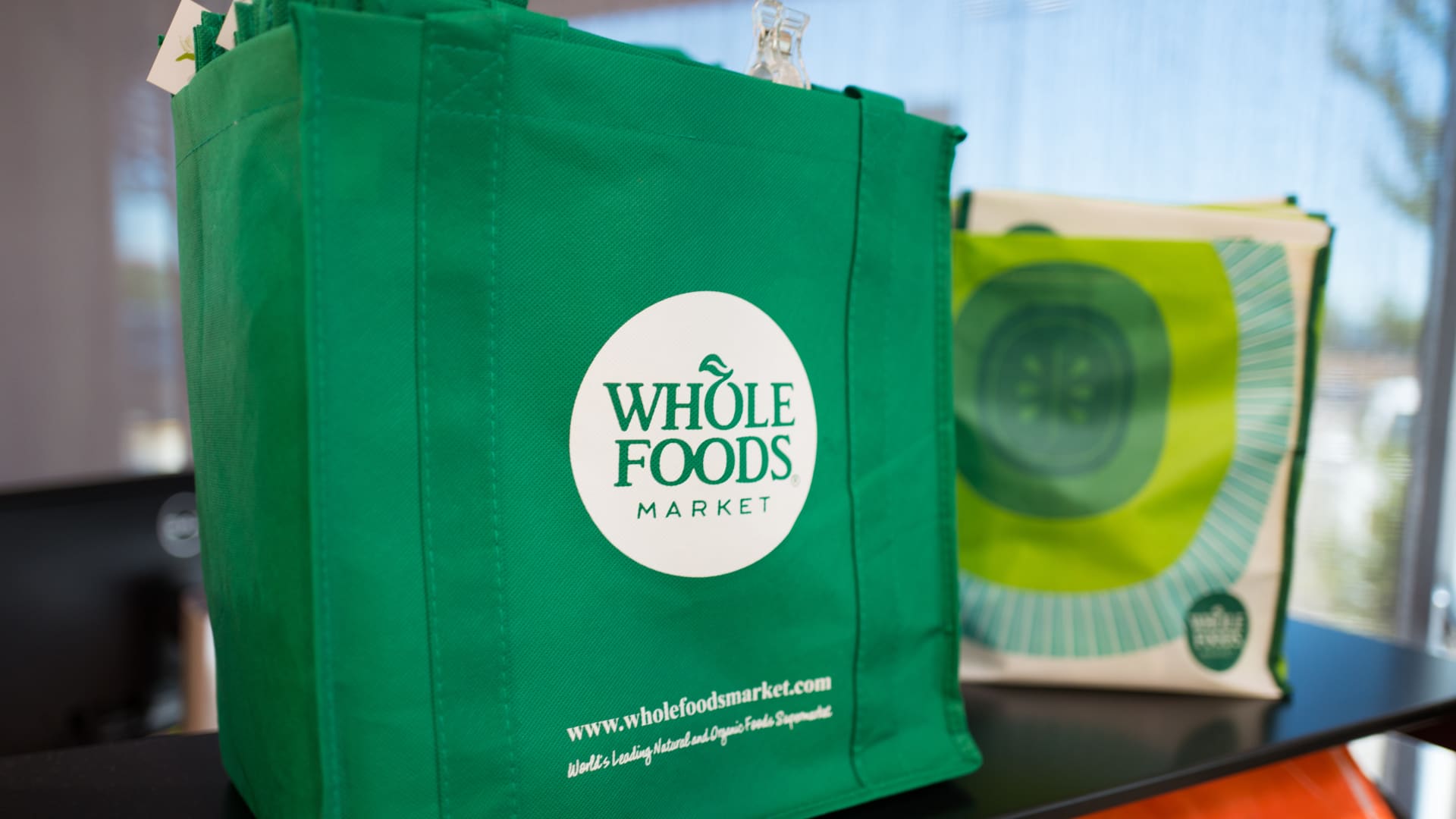
Whole Foods is planning to reorganize certain global and regional support teams over the next two months, resulting in the layoff of several hundred employees from those teams. The move is part of the company's plan to simplify its operations, make processes easier, and improve how it supports its stores. Whole Foods, which operates across nine different regions, will shift to six regions as part of the changes. The move won't result in any store closures or the letting go of any store or distribution center employees.