Sony's Mark Cerny hinted at new graphics features for a future console in a few years, sparking speculation about the PS6's release around 2028, amid ongoing discussions about next-generation hardware and potential handheld devices.
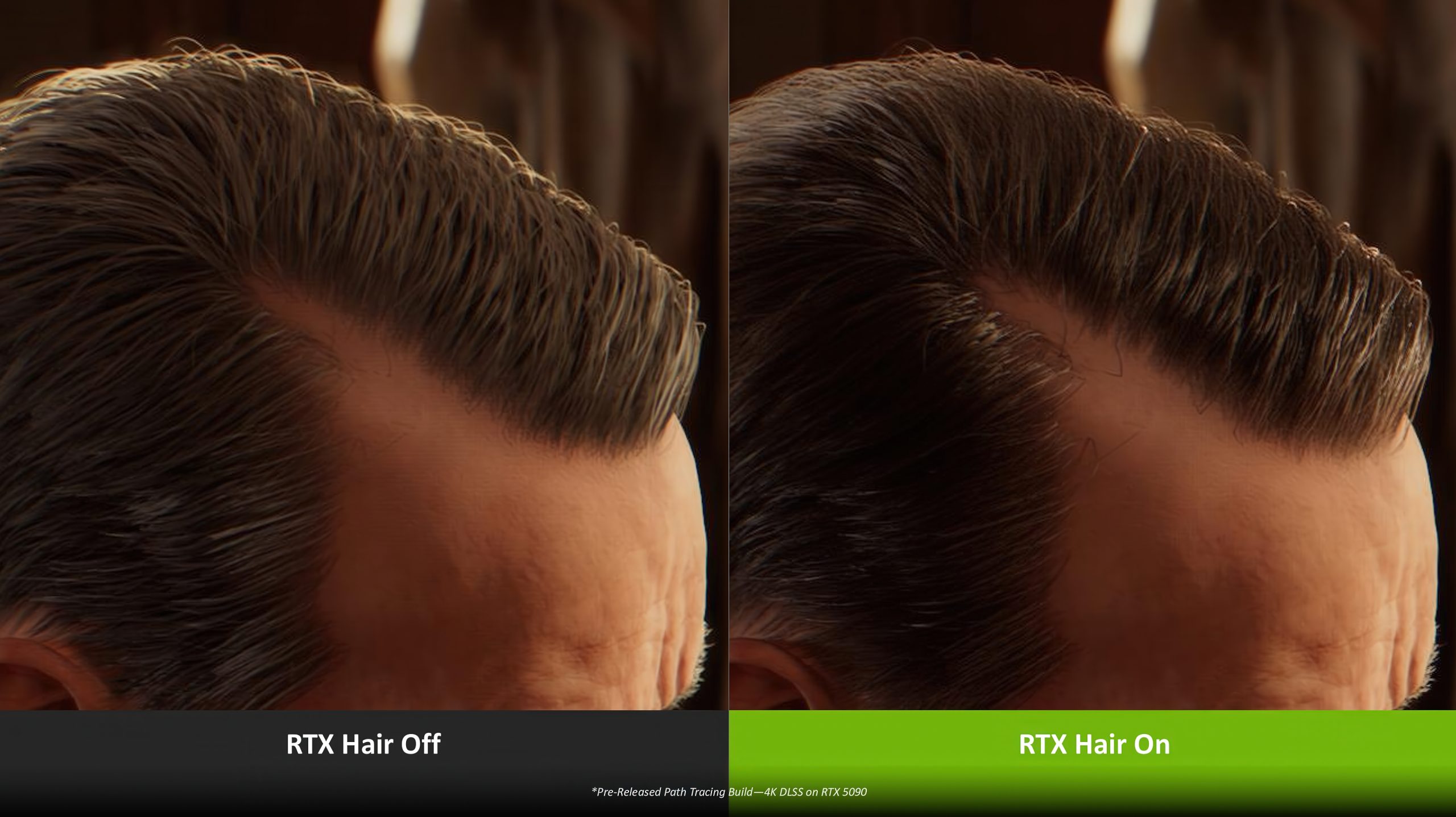
Nvidia is enhancing virtual hair realism in the upcoming Indiana Jones game using new RTX Hair features that employ spheres instead of triangles, leveraging hardware acceleration in RTX 50-series GPUs to improve lighting, shadows, and overall appearance of digital characters like Harrison Ford.
NVIDIA announced that its RTX Hair feature, leveraging new hardware capabilities with the GeForce RTX 50 Series, will be released in September for Indiana Jones and the Great Circle, enhancing hair rendering with better lighting and efficiency, though initially limited to Blackwell GPUs.
The article discusses the potential integration of AI-powered graphics enhancements, such as upscaling and frame generation, in the upcoming PlayStation 6, highlighting collaborations between Sony, AMD, and Nvidia, and emphasizing the evolving role of AI in gaming hardware and software.
Microsoft Flight Simulator 2024 will feature day one support for Nvidia's DLSS 3, DLAA, and ray-traced shadows, enhancing its already impressive graphics and physics engine. The game demands high-end PC specs, recommending at least an AMD Ryzen 7 2700X or Intel Core i7-10700K processor and a Radeon RX 5700 XT or GeForce RTX 2080 graphics card, with ideal specs suggesting a GeForce RTX 4080 and 64GB of RAM. These technologies aim to improve frame rates and visual realism, making the game more immersive with features like lifelike water, improved ground textures, and dynamic weather effects.
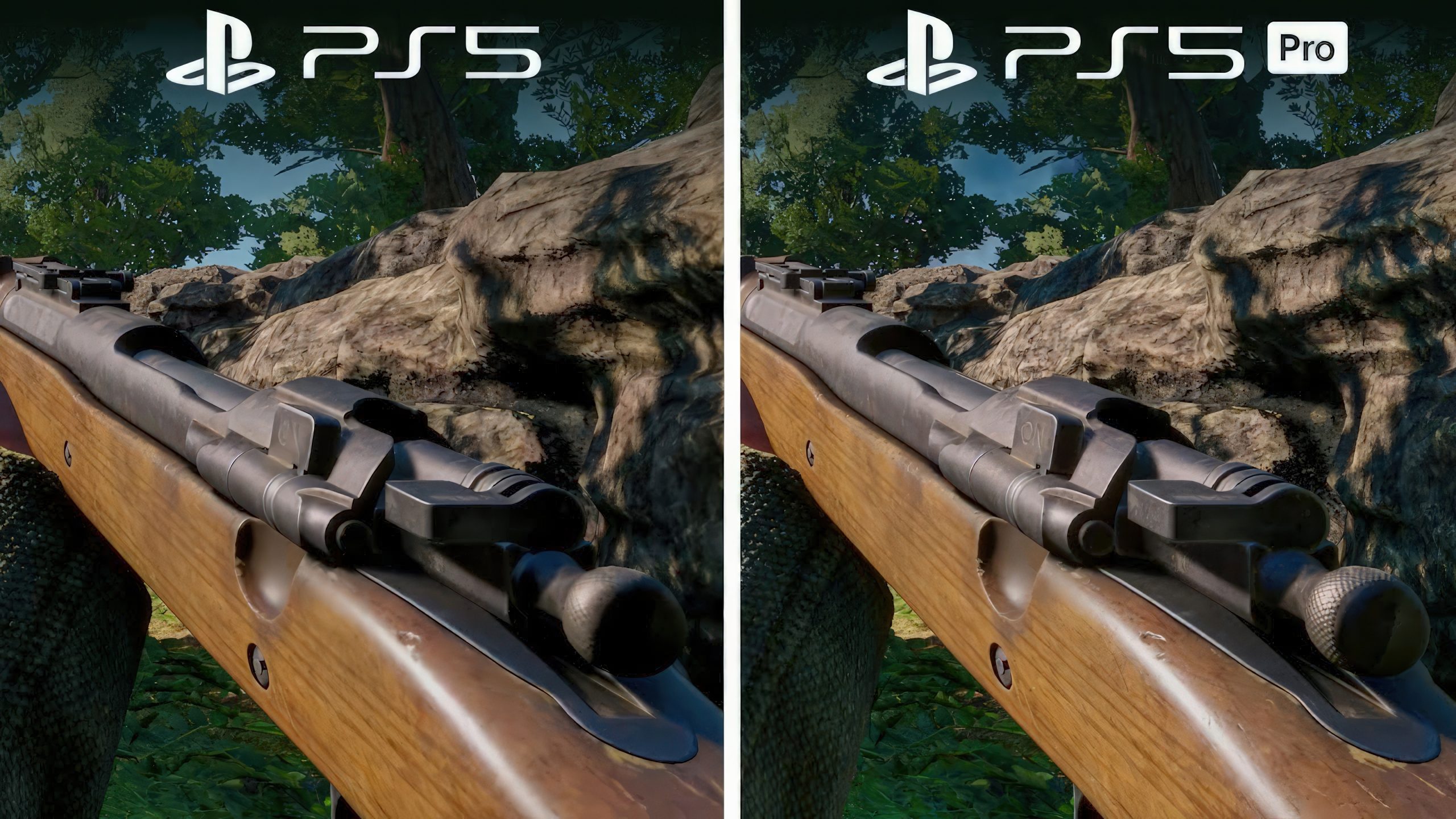
Gaijin Entertainment's Graphics Programmer, Gergo Horvath, discusses enhancements for the PS5 Pro, noting that its improvements over the PS5 are less significant than the leap from PS4 to PS4 Pro. The PS5 Pro's standout feature is its Machine Learning Architecture, enabling PSSR, which rivals NVIDIA DLSS and Intel XeSS in quality. Games like Enlisted and War Thunder benefit from dynamic resolution and upscaling, achieving 4K@120FPS. Despite hardware improvements, Horvath suggests pricing fairness is subjective, based on user experience rather than specs alone.
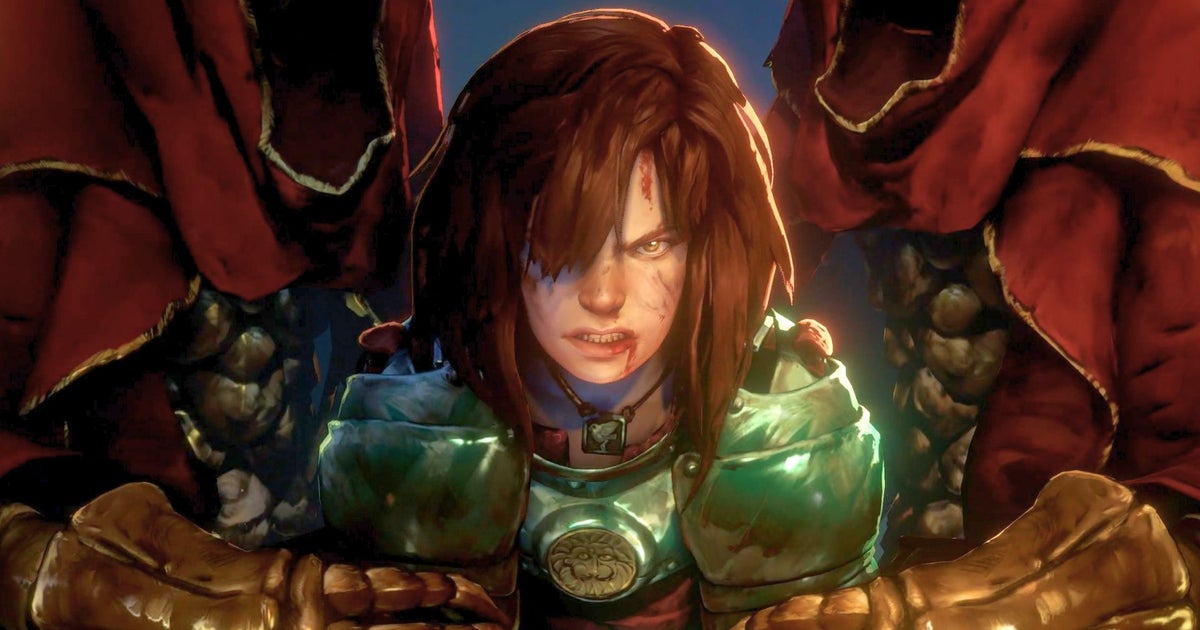
Moon Studios' latest project, No Rest for the Wicked, is now available on early access, showcasing stunning visuals and innovative graphics technology. The game, rooted in the Unity Engine with customizations dubbed "Moonity," features a unique curved world system inspired by Animal Crossing, real-time lighting, dynamic weather, and a flashlight system. Early performance tests on various systems show promise, but there are areas for improvement. With elements reminiscent of Souls-style games and unique features like non-respawning enemies and a proper town to explore, No Rest for the Wicked presents a promising and evolving experience in its early access stage.
In a technical interview with Digital Foundry, Ubisoft Massive's Nikolay Stefanov and Oleksandr Koshlo discuss the development of the Snowdrop engine for Avatar: Frontiers of Pandora. They explain the game's global illumination system, the use of hardware ray tracing for shadows, the placement of probes for lighting, and the scaling of graphics and performance on consoles. They also mention the use of async compute, dynamic resolution scaling, and upscaling techniques like FSR and DLSS. The interview highlights the challenges and innovations in creating a highly detailed and visually impressive game world.