OpenAI's GPT Store, a marketplace for custom chatbots, is inundated with spammy and potentially copyright-infringing GPTs, raising concerns about moderation and adherence to OpenAI's policies. The store's rapid growth to roughly 3 million GPTs has led to issues with quality and legal compliance, including copyright infringement, academic dishonesty, and impersonation. Additionally, attempts at jailbreaking OpenAI's models have been observed. The company's push for monetization through subscriptions and earnings for GPT developers further complicates the situation, as it faces challenges similar to those encountered by early digital marketplaces.
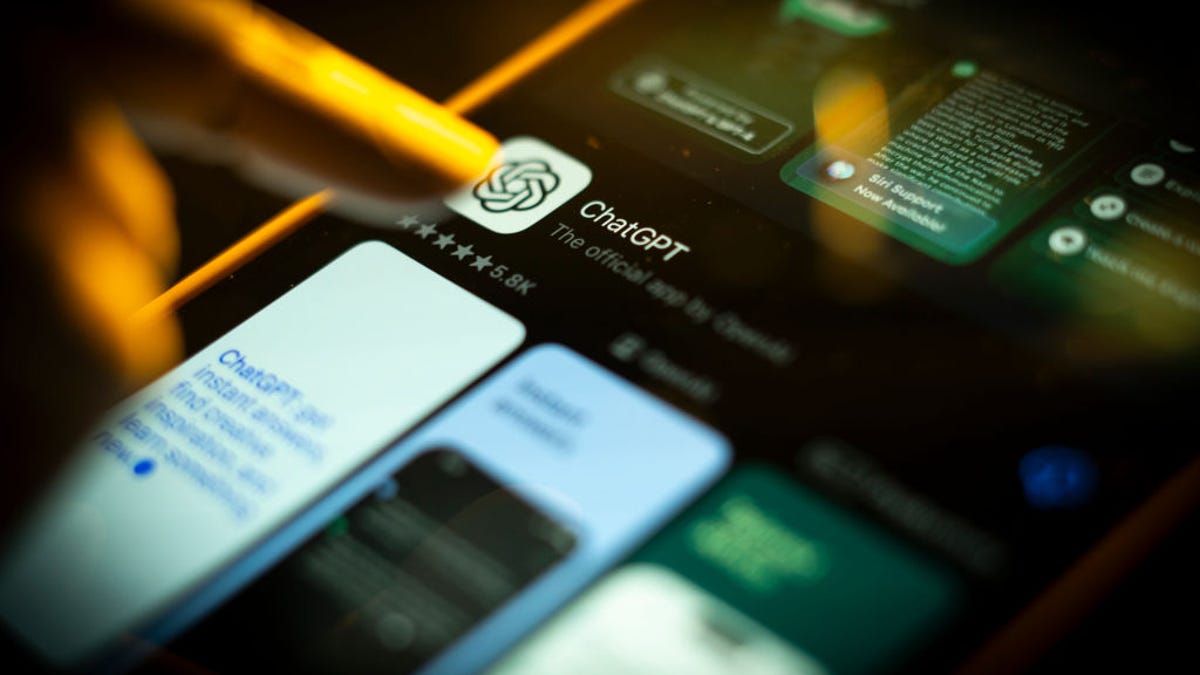
OpenAI's GPT store allows ChatGPT subscribers to publish their custom GPT chatbots, potentially earning money if popular. To do so, users need to be a ChatGPT Plus, Enterprise, or Team subscriber, verify their profile, and follow usage policies. After creating and testing their GPT, they can publish it for others to use, monitor its performance, and make modifications as needed.
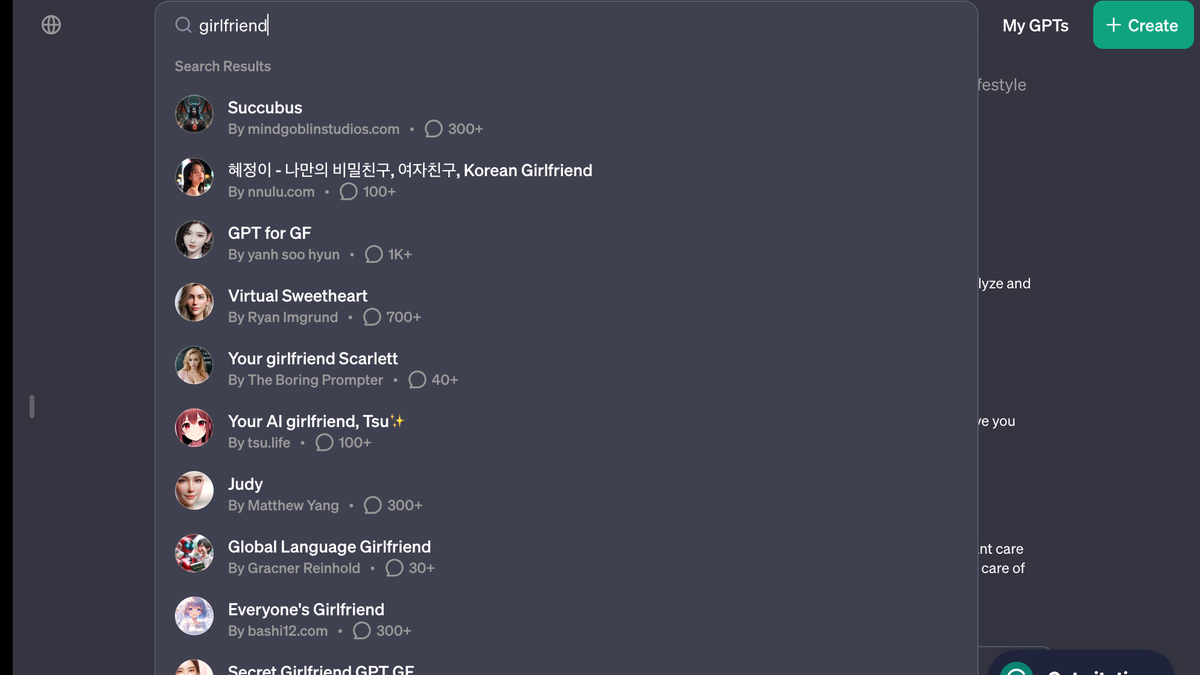
OpenAI recently launched the GPT Store, a platform for developers to sell custom-built AI apps and tools, but the company has a strict "no AI girlfriend" policy, which it has struggled to enforce. Despite banning AI girlfriends with explicit names, such as "Korean Girlfriend" and "Virtual Sweetheart," there are still numerous robot lovers available in the store. This issue reflects the age-old desire for robots simulating sex and love, while tech companies like OpenAI attempt to maintain a puritanical image. The debate over AI girlfriends raises questions about the impact of technology on loneliness and mental health, but OpenAI's approach seems to be a mix of corporate moralism and inconsistency.
OpenAI has launched the GPT Store, allowing ChatGPT Plus subscribers to create and share custom chatbots. To list a custom GPT, users must create one and then visit the ChatGPT homepage. There are restrictions on content, including a ban on creating GPTs for "romantic companionship" and impersonating celebrities or companies without consent. The GPT Store features trending chatbots, and creators may receive payments based on engagement metrics, though details are currently limited.
OpenAI's GPT Store for custom experiences has been launched, allowing developers to create and distribute customized versions of ChatGPT called "GPTs." The ChatGPT app on Android now has the capability to directly launch these custom GPTs from the homescreen, providing a faster and more convenient way to access them. This feature is not available on iOS, making it a unique and useful option for Android users who regularly utilize AI tools.
OpenAI has launched the GPT Store, offering custom user-built ChatGPT bots in various categories such as programming, writing, and education. The store coincides with the introduction of the ChatGPT Team service, providing collaborative workspace for teams and access to GPT-4 and Dall-E 3. CEO Sam Altman mentioned the availability of useful GPTs in the store, and OpenAI plans to implement a revenue program for creators of custom ChatGPT bots. With over 3 million user-built GPTs, OpenAI aims to support community builders and has seen significant interest in its ChatGPT software since its release in late 2022.
OpenAI's GPT store, offering customized versions of ChatGPT, is already facing rule-breaking as users have created AI girlfriend chatbots, violating the usage policy banning GPTs dedicated to fostering romantic companionship. The proliferation of such apps may stem from the epidemic of loneliness and isolation in the US, with AI chatbots potentially being seen as a solution or a way to capitalize on human suffering. OpenAI is using a combination of automated systems, human review, and user reports to regulate GPTs, but the incident highlights the challenges of regulating AI tools in the "Wild West" of the tech industry.
OpenAI has launched the GPT Store, allowing users to create and share custom chatbots using ChatGPT, resulting in over 3 million chatbots being created. However, the proliferation of chatbots has led to confusion and uncertainty about their utility and profitability. Despite the influx of funding into chatbot companies, it remains unclear whether these chatbots will attract users and generate revenue. Experts believe that successful chatbots will need to serve as personal assistants and be integrated into specific applications, with existing tech giants like Google potentially having an advantage in this space. The future of chatbots and their role in the AI landscape remains uncertain as the market continues to evolve.
OpenAI has launched the GPT Store, allowing ChatGPT users to discover and share custom chatbot roles called "GPTs," with a revenue-sharing program for creators. Additionally, the company introduced ChatGPT Team, a collaborative workspace and subscription plan for teams, offering a secure environment and access to advanced features.
OpenAI has launched the GPT Store, offering a selection of 3 million custom AI chatbots based on its ChatGPT technology, including apps for trail recommendations, programming tutoring, design, and book recommendations. Subscribers to the $20-per-month ChatGPT Plus subscription can run and create GPTs without programming expertise. The store features various GPTs created by OpenAI business partners and the broader ChatGPT community, with plans for revenue sharing with GPT authors. This move aims to make AI technology more approachable, useful, and profitable, similar to Apple's App Store for iPhone apps.
OpenAI has launched the GPT Store, an app store for customized versions of its popular chatbot, ChatGPT, allowing subscribers to browse and use tailored chatbots for various tasks. The store aims to turn the technology into an online platform connecting businesses and customers, with a revenue-sharing model for those offering customized chatbots. OpenAI also introduced ChatGPT Team for businesses and groups, emphasizing data privacy. The move comes after OpenAI's recent service allowing people to build custom chatbots, resulting in three million customized chatbots created in two months.
OpenAI has launched the GPT Store, a platform for custom chatbot apps powered by its AI models, accessible through the ChatGPT client. Developers can create and submit their GPTs, which are organized into categories and can be used for various purposes without coding experience. The store is currently free to use, but a revenue program for developers is planned for the future. However, questions remain about the review process and compensation for human reviewers.
OpenAI launches GPT Store, similar to the App Store, allowing users to list personalized chatbots, and introduces ChatGPT Team for businesses with fewer than 150 users. The company aims to stay ahead of rivals in the AI arms race, with plans to pay U.S. GPT builders based on user engagement. The leadership tumult, including CEO Sam Altman's temporary ouster, has been resolved, and the company's tender offer, led by Thrive Capital, remains on track, valuing OpenAI at about $86 billion.
OpenAI has launched the GPT Store, allowing users to share customized versions of ChatGPT chatbots for various tasks, such as teaching math or creating cocktail recipes. Initially delayed due to leadership upheaval, the store will eventually enable users to monetize their creations, similar to app stores like Apple's and Google's.
OpenAI's GPT Store has finally launched, allowing users to share their custom chatbots created through the GPT Builder program. The store will feature useful GPTs weekly and will introduce a revenue sharing program for GPT creators. A new review system has been established to ensure compliance with brand guidelines and usage policies, and the store will be available to ChatGPT Plus, Enterprise, and Team subscribers. The new ChatGPT Team tier, priced at $25 a month per user, is targeted for smaller teams and offers access to GPT-4, DALL-E 3, and Advanced Data Analysis features.