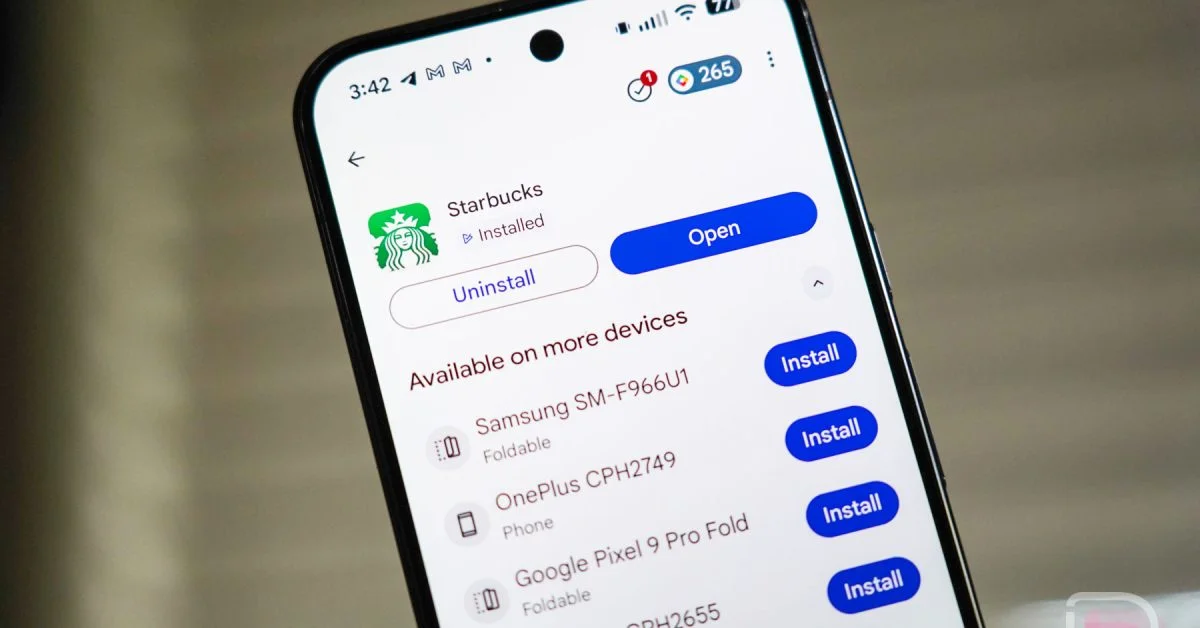
The Google Play Store is rolling out an update (v48.8) that will allow users to remotely uninstall apps from devices they don't have with them, making app management more convenient. The feature is expected to be available as early as November 10.
Google has proposed changes to Android and the Play Store, including supporting third-party app stores, reducing fees to 9% or 20% for new installs, lowering Play Billing fees to 5% for the first $1 million, and allowing users to install registered app stores from websites, aiming to address legal challenges and improve app store competition.
Originally Published 3 months ago — by Hacker News
The article discusses the differences between F-Droid and Google’s app store, highlighting issues with app quality, data collection, and control over app updates, and advocates for a diverse ecosystem of app marketplaces and open-source solutions like F-Droid and GrapheneOS for better privacy and security.
The Google Play Store is rolling out a new 'auto-open' feature that allows users to automatically open newly installed apps with a notification and a 5-second countdown, providing convenience especially for apps needed immediately after download. The toggle is off by default and appears beneath the install progress bar, with the feature currently live on some devices like Galaxy Z Fold 7 and Pixel 9 Pro XL.
Google will require all Android app developers to register with a paid Developer Console account, extending verification beyond the Play Store to all sideloaded apps starting in 2026-2027, citing security concerns due to malware from unverified sources. This move aims to enhance security but has raised concerns among developers about increased restrictions and reduced flexibility, making Android more like iOS in terms of app installation.
Google will verify all Android app developers in Brazil, Indonesia, Singapore, and Thailand starting September 2026 to enhance security and prevent malicious apps, with phased invitations beginning October 2025. This move aims to increase accountability, reduce impersonation, and protect users from malware, especially from third-party app stores, while maintaining user choice and preparing for potential Play Store reforms.
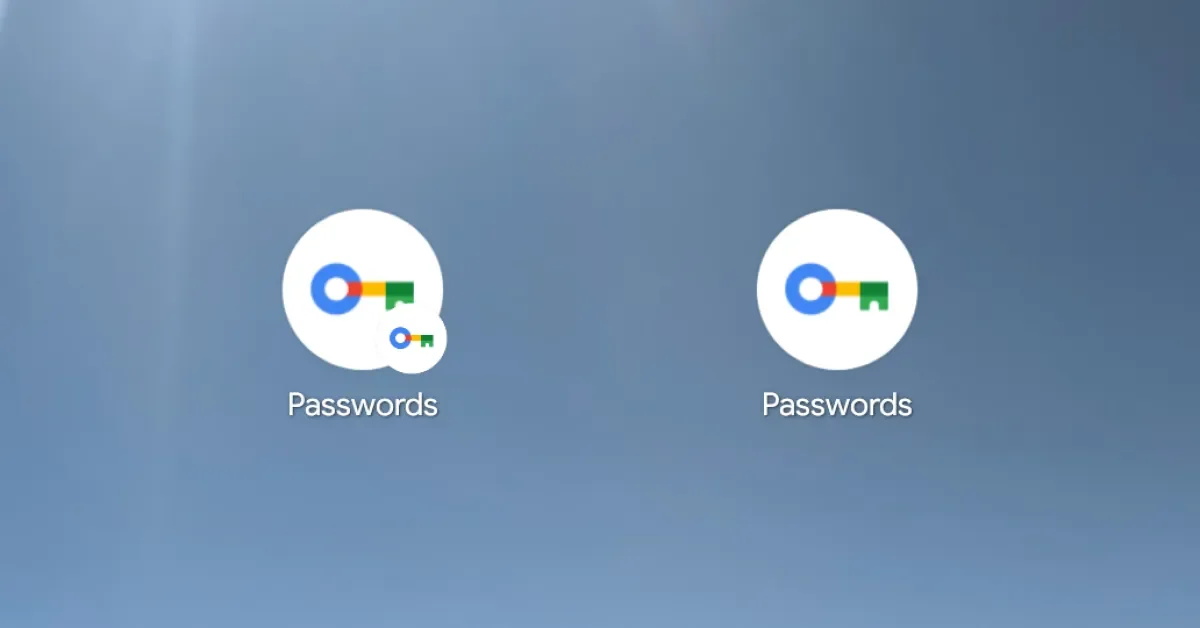
Google has released a dedicated app shortcut for its Password Manager on the Play Store, making it easier to access and manage passwords, passkeys, and more directly from the home screen, complementing the built-in password management features on Android and Chrome.
Google is developing a new gaming community forum within the Play Store that will allow users to share tips, ask questions, and discuss games, potentially integrating with Google Play Games on PC. The feature includes posting, commenting, reactions, and personal contribution profiles, aiming to create a centralized hub for gamers.
Google accidentally leaked the full Pixel 10 series lineup through the Play Store, revealing models including the Pixel 10, Pixel 10 Pro, Pixel 10 Pro XL, and Pixel 10 Pro Fold ahead of their official August 20 launch event, with promotional banners hinting at availability and colors.
Google has replaced the one-tap buy button in the Play Store with a swipe-to-buy gesture to reduce accidental purchases, making the checkout process more deliberate across apps, books, movies, and Google TV, starting with Play Store version 46.5.19-31.
Google Play Store has replaced the '1-tap buy' button with a 'Slide to buy' gesture to enhance purchase security and prevent accidental transactions, now requiring users to slide a handle to confirm payments across all instances, including Google TV.
Several malicious apps mimicking popular digital wallets have infiltrated the Google Play Store using deceptive tactics, and even if removed from the store, they can still harm your device. Users are advised to delete these apps immediately if installed to prevent theft of their mnemonic phrases and digital assets.
A new warning has been issued about "SpyLoan" apps, which have been installed on over 8 million Android devices. These apps, identified by McAfee, exploit social engineering tactics to extract sensitive information and money from users. Despite being available on the Google Play Store, these apps engage in permission abuse and malicious practices. Google has removed some of these apps and advises users to enable Play Protect and regularly update their devices to avoid such threats.
Google is enhancing security on the Play Store by removing low-quality apps and improving Play Protect to detect threats from apps installed outside the store. A surge in dangerous free VPN apps, often containing malware, has been reported by Kaspersky, prompting Google to introduce independent security validation for VPNs. Top10VPN's report highlights security flaws in both free and some paid VPNs, emphasizing the need for users to choose VPNs carefully, preferably paid ones from reputable developers, and to keep Play Protect enabled.
The Boox Palma e-reader, known for its flexibility and portability, is now available at a discounted price of $234.99 for Verge readers, including a free flip-cover case. Running on Android 11 with Google Play Store access, it allows users to download various reading apps like Kindle and Kobo. Despite the recent release of the Palma 2 with Android 13 and a fingerprint sensor, the original Palma remains a cost-effective choice. Additionally, deals on Apple AirTags, Fitbit Ace LTE, and Sony WH-1000XM5 headphones are highlighted.