The president-designate of the UN Cop28 climate summit, Sultan Al Jaber, believes that a deal to limit global temperature rises to 1.5C is within reach, with even Saudi Arabia expected to make positive commitments. Progress has been made on key aspects of the deal, including a blueprint for a fund for the most vulnerable and milestones on climate finance. Al Jaber aims to deliver a robust roadmap of greenhouse gas emissions cuts by 2030. World leaders, including the UK prime minister and the pope, will attend the talks, while the US and China will send high-level representatives. Over 70,000 delegates are expected to attend the conference, where the issue of fossil fuels remains a point of contention. Al Jaber is optimistic about Saudi Arabia's engagement and hinted at the possibility of new commitments from the country.

A new modeling study led by UCL researchers reveals that faster warming in the Arctic will result in the global temperature reaching a 2-degree Celsius rise eight years earlier than if the region were warming at the average global rate. The study highlights the significant impact of rapid Arctic warming on breaching critical climate thresholds set by the Paris Agreement and emphasizes the need for extensive monitoring and understanding of the processes occurring in the Arctic to improve global temperature rise forecasts. The study does not quantify the indirect effects of Arctic warming on the rest of the world but estimates its direct contribution to global temperature increases.
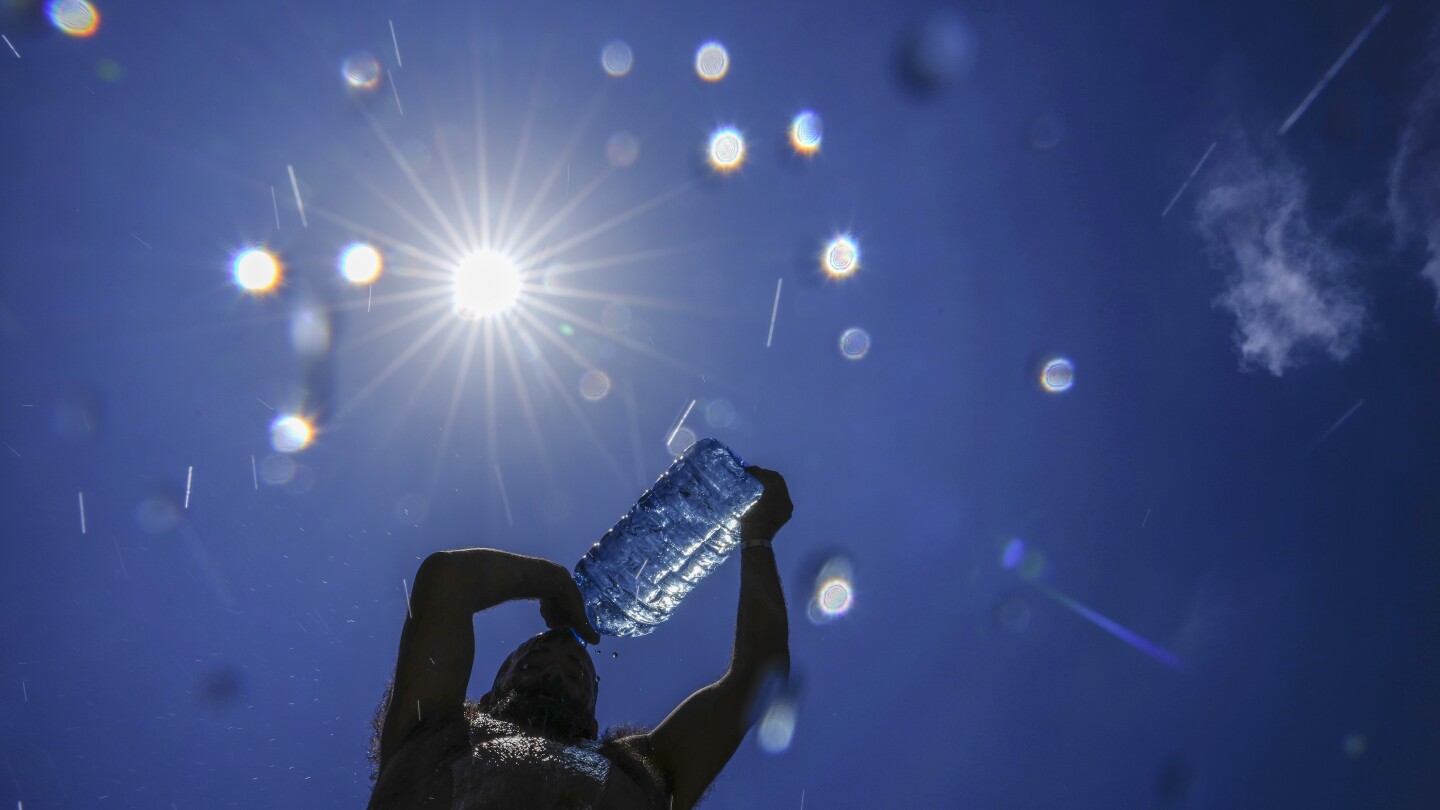
This summer has been confirmed as the hottest on record, with June to August being the warmest period since 1940. The global average temperature was 0.66 degrees Celsius above the 1990 to 2020 average, breaking the previous record set in 2019. The Northern Hemisphere experienced deadly heatwaves and unprecedented ocean temperatures, while countries in the Southern Hemisphere also saw well-above average temperatures. The Copernicus data highlights the urgent need to address climate change, as these extreme weather events and rising temperatures are a preview of what the world can expect at 1.5 degrees of warming.
July 2023 has been officially declared the hottest month on record globally, with a global average temperature of 16.95 degrees Celsius, surpassing the previous record set in 2019. The United States has experienced a record-breaking 15 weather disasters causing at least $1 billion in damage this year. Scientists attribute these extreme temperatures and events to human-caused climate change. The global average temperature last month was 1.5 degrees Celsius warmer than pre-industrial times, and the world's oceans and the North Atlantic were significantly warmer than average. This record-breaking heat is a clear indicator of the changing climate and its dire consequences for both people and the planet.