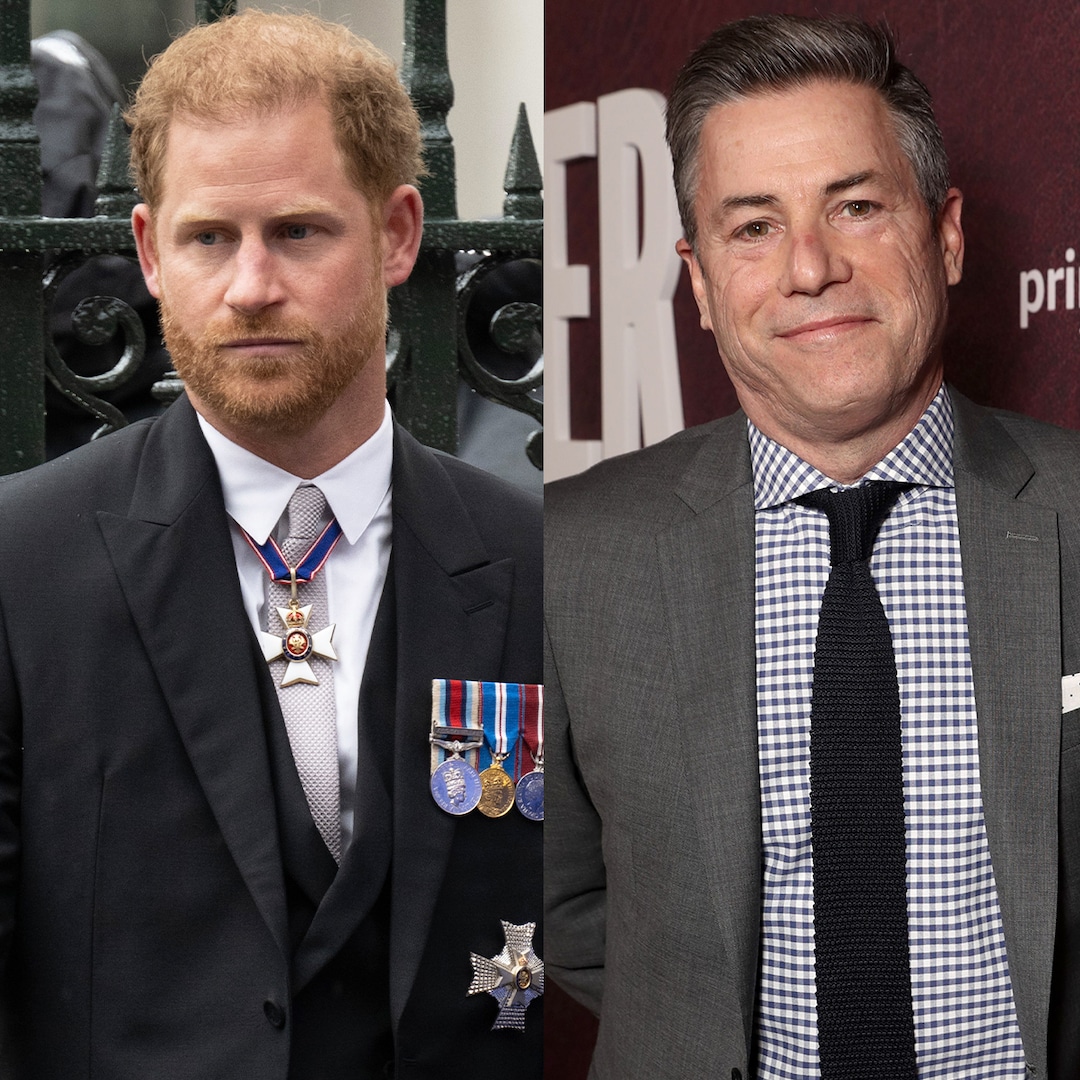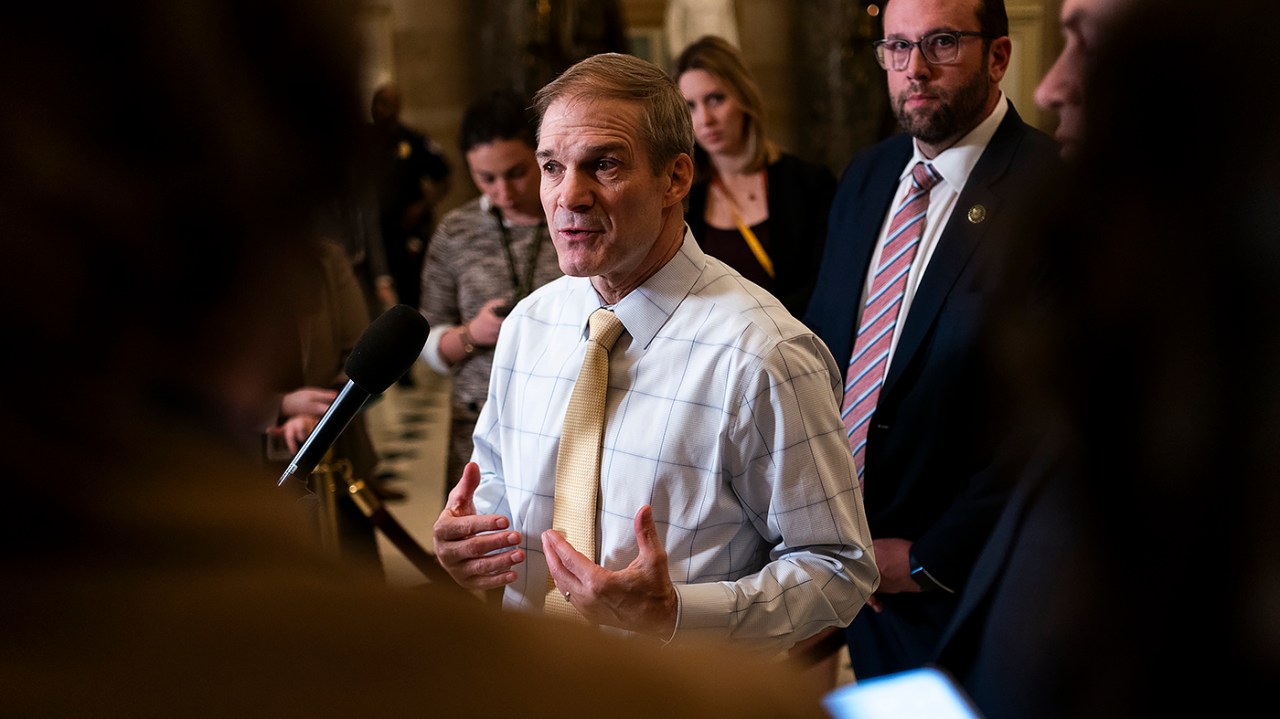
The House Judiciary Committee has requested President Biden's ghostwriter, Mark Zwonitzer, to provide any recordings and notes from their conversations, following special counsel Robert Hur's report that Biden shared classified information with the ghostwriter. Zwonitzer is unlikely to fully comply with the request as he deleted the audio recordings but retained the transcripts. The report concluded that while Biden risked sharing classified information, it did not prove that Zwonitzer intended to impede the investigation. The Judiciary Committee has also asked the Justice Department to turn over its recordings of Hur's interview with Biden.
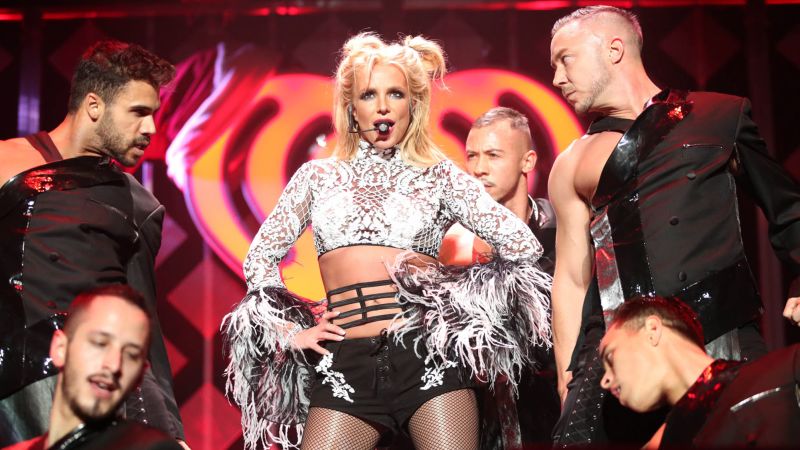
Britney Spears has clarified on Instagram that she will not be returning to the music industry as a performer and has denied rumors of working on a new album. Despite her last album being in 2016, she has remained active in the industry by writing over 20 songs for other artists in the past two years, enjoying her role as a ghostwriter. Spears also addressed false claims about her 2023 biography "The Woman in Me" being released without her consent.
Britney Spears has dismissed rumors about her working on a new album, stating on Instagram that she will never return to the music industry. Despite reports linking her to collaborations with artists like Charli XCX and Julia Michaels for a 10th studio album, Spears clarified that she enjoys writing songs for others as a "ghostwriter," having penned over 20 tracks in the past two years. She also addressed false claims about her memoir, "The Woman in Me," being released without her approval, affirming her love and blessings amidst the controversy.
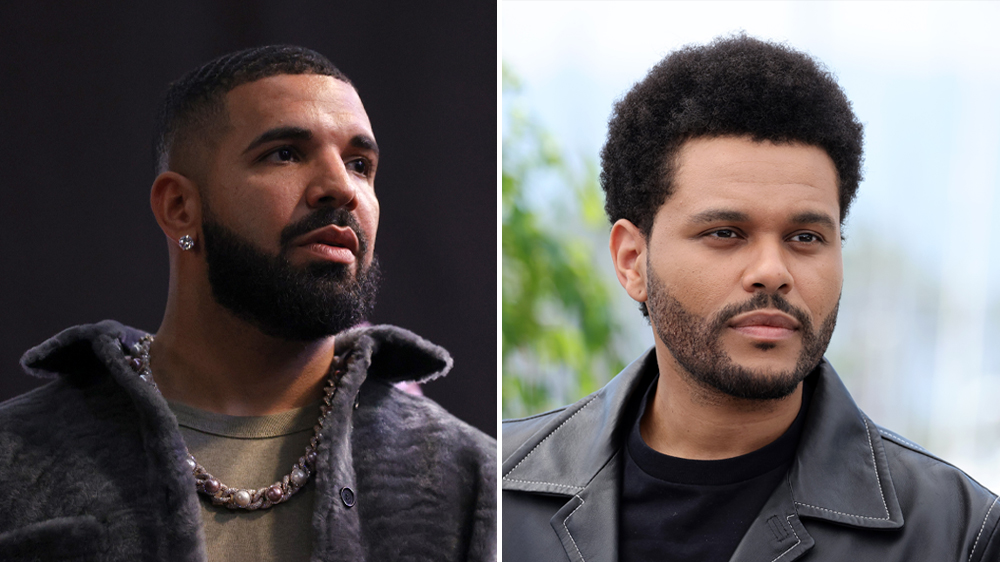
An AI-generated song featuring facsimiles of Drake and The Weeknd's voices, titled "Heart on My Sleeve," has been submitted for Grammy consideration by Ghostwriter, the creator of the viral AI-generated track. While the song was written by a human, neither Drake nor The Weeknd were involved. However, the track's eligibility is in question due to copyright issues and the requirement for broad distribution. The Recording Academy clarified that AI-generated works are not eligible for awards, but if a human writes the track and AI is used for voice modeling, the writing would be eligible. The commercial viability of "Heart on My Sleeve" remains uncertain.
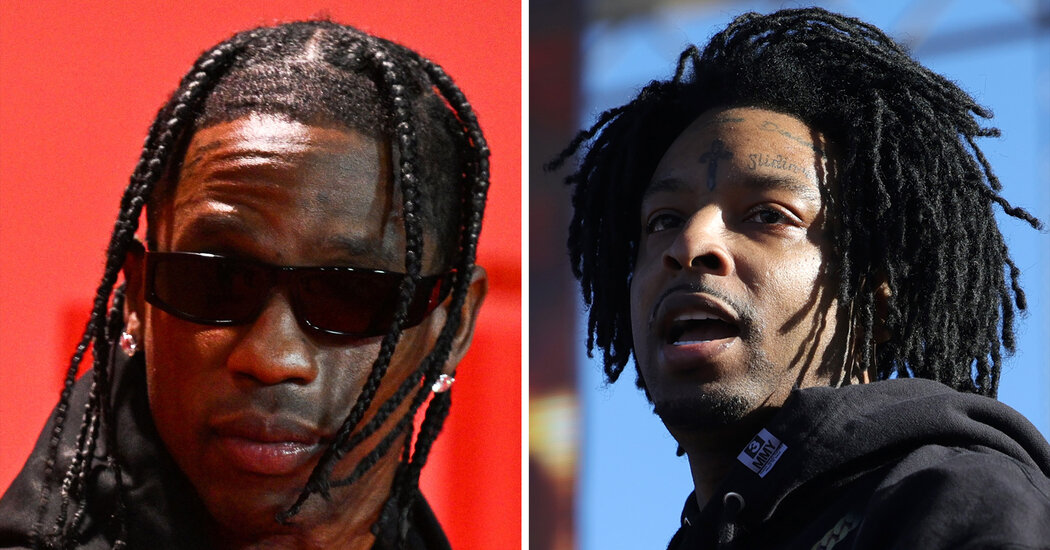
Ghostwriter, the anonymous artist who gained attention for using A.I. voice effects to mimic popular musicians, has returned with a new track titled "Whiplash," featuring A.I. versions of vocals by Travis Scott and 21 Savage. The project has been consulting with industry figures and recently submitted their previous track, "Heart on My Sleeve," for Grammy Awards consideration. Ghostwriter aims to raise awareness about the creative and business possibilities of A.I. voice filters and hopes to work with stakeholders to build a platform that allows artists to control how their voice is used and ensure they are compensated.
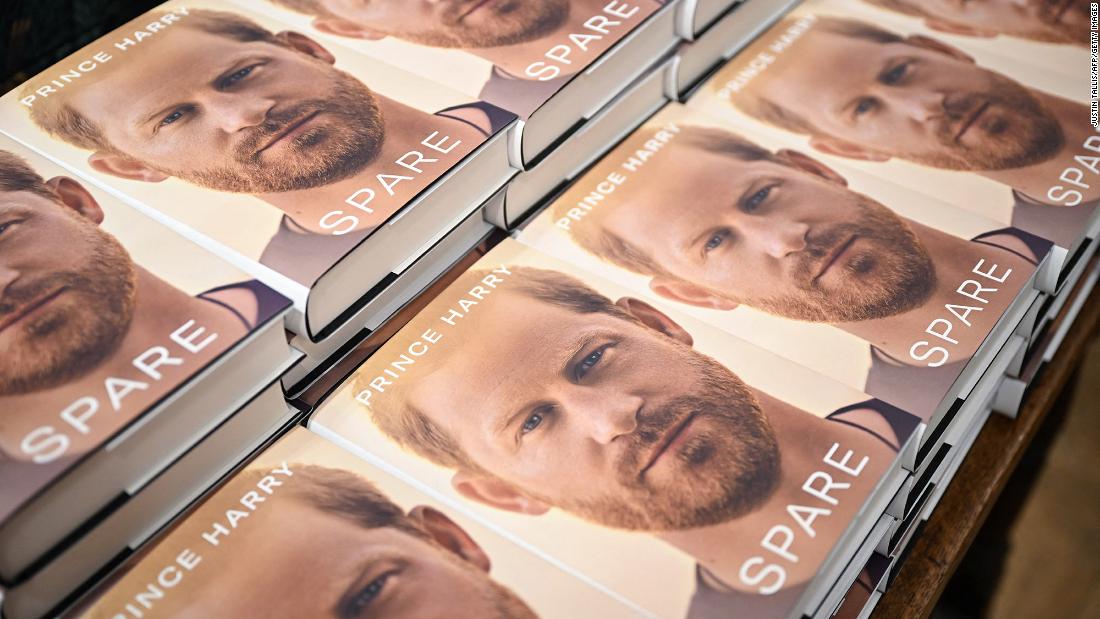
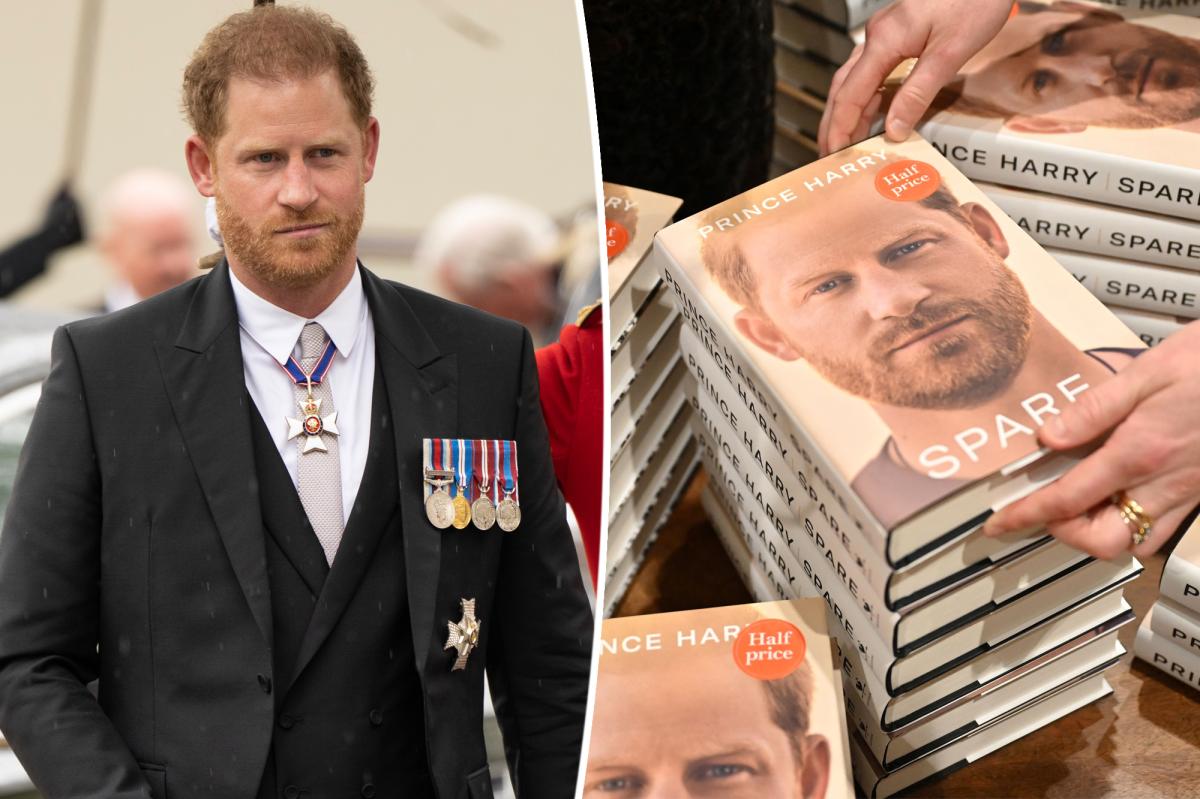
The ghostwriter behind Prince Harry's memoir "Spare" has revealed details of the process, including a row with Harry during the editing process and media scrutiny after his identity was leaked. The book launched a series of incendiary accusations against members of the royal family and revealed private confrontations between Harry and other senior royals. Despite the media backlash, the book became the fastest-selling nonfiction book ever and readers left overwhelmingly positive reviews. Harry was overjoyed at a party to celebrate the book's release and finally felt "heard."
Pulitzer Prize-winning journalist J.R. Moehringer recounts a late-night Zoom session with Prince Harry, during which they argued over edits to Harry's memoir. The argument centered around a passage detailing a military exercise in which Harry was captured by pretend terrorists and insulted about Princess Diana. Moehringer wanted to cut a witty retort Harry had given, while Harry wanted to keep it. The two eventually talked it out, and the line was cut. Moehringer also chronicles the process of being swept up in the media frenzy surrounding the book's release.
J.R. Moehringer, the ghostwriter of Prince Harry's memoir "Spare," shared his experience working with the royal, including arguments over certain passages. The two bonded over the death of their mothers and spent time together in Montecito. "Spare" became the fastest-selling nonfiction book ever, providing a controversial glimpse into the royal family's deeply-fractured relationships. Harry later revealed that he left out details about his strained relationship with his father and brother.
J.R. Moehringer, the ghostwriter of Prince Harry's memoir "Spare," revealed that he once shouted at the Duke of Sussex during a 2 a.m. Zoom call over a disagreement about an anecdote involving Harry being "captured by pretend terrorists." The incident became a point of contention as they worked on the memoir. Despite their disagreements, working with Harry was a positive experience for J.R., who even spent time at Harry and wife Meghan Markle's Montecito, Calif., home while working on Spare.
J.R. Moehringer, the ghostwriter of Prince Harry's memoir "Spare," revealed in an essay published by The New Yorker that he and Harry had a disagreement over a passage in the book. Moehringer didn't want to include Harry's response to a fellow soldier's "vile dig" at Princess Diana, but Harry insisted on including it. The pair ultimately agreed to omit the response. Moehringer also discussed his close relationship with Harry, which grew intimate over their two-year process of writing the book, particularly over the mutual loss of their mothers.
J.R. Moehringer, the ghostwriter for Prince Harry's memoir, Spare, has revealed his close relationship with the royal and the occasional editorial disagreements they had while writing the book. Moehringer convinced Harry to exclude a witty comeback in a section of the book, arguing that it detracted from the narrative power. The author also shared his experience of staying with Harry and Meghan at their California home and the terrifying experience of being hounded by the press. Harry's intention for publishing Spare was to rebut every lie ever published about him. The royal family felt "rattled" following the book's release, and Prince William was reportedly "devastated" by the allegations made against him.
Prince Harry's ghostwriter, J.R. Moehringer, revealed that he had a heated argument with the Duke of Sussex during the writing of his memoir, "Spare." The argument was over a difficult passage concerning Harry's time in the British Army. The disagreement was about including a line from a military exercise. Harry wanted to end the scene with a comeback that Moehringer thought was unnecessary. The argument became so tense that Moehringer thought he might be fired from the project. Eventually, Harry conceded and quipped, "I really enjoy getting you worked up like that."
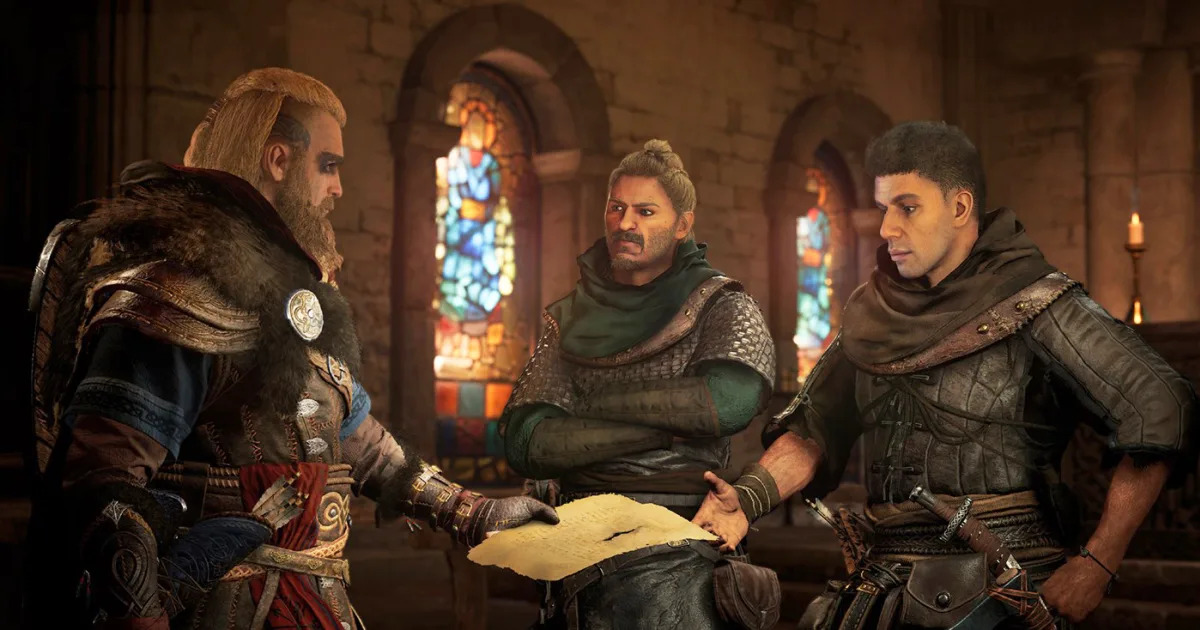
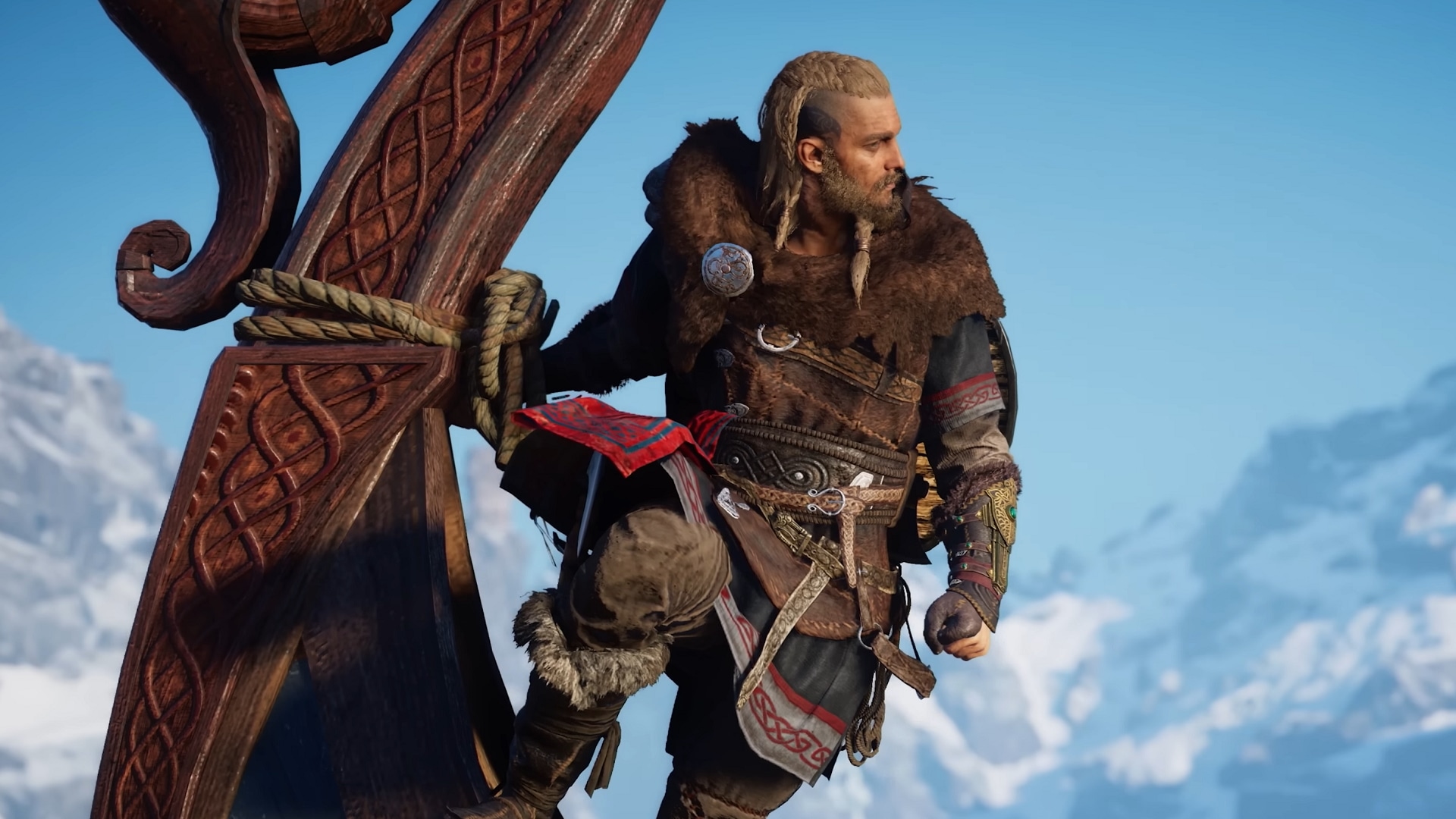
Ubisoft has developed Ghostwriter, an AI tool that uses machine learning to generate first drafts of video game dialogue, known as "barks." Narrative writers input the character and type of interaction they want, and the tool produces variations for them to review. The aim is to save time and allow writers to focus on more important aspects of game development. The biggest challenge now is integrating the tool into production.
Ubisoft has developed an AI tool called Ghostwriter to help scriptwriters generate first-draft dialogue for non-playable characters (NPCs) in video games. The tool will handle repetitive tasks such as phrases and sounds uttered by NPCs during triggered events, freeing up writers to focus on more important aspects of the script. However, the announcement has been met with criticism from some in the industry who argue that editing AI-generated scripts would be more time-consuming than writing their own dialogue.
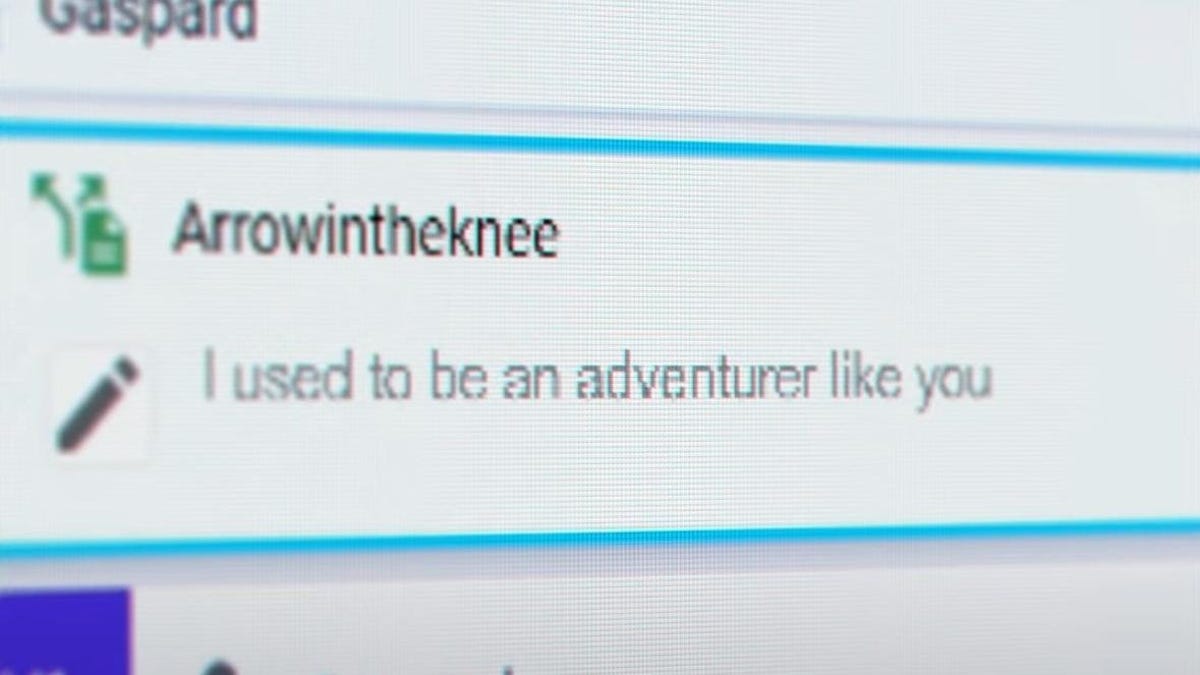
Ubisoft has announced that its in-house AI tool, Ghostwriter, is helping its developers write dialogue for some of its games. The tool generates the first draft of NPC barks, which are phrases or sounds made by NPCs when players interact with the game world. The tool was created in consultation with the company's narrative teams to create more realistic NPC interactions by generating variations on a piece of dialogue. However, some in the field prefer bad lines written entirely by humans over optimized lines originally written by a machine.