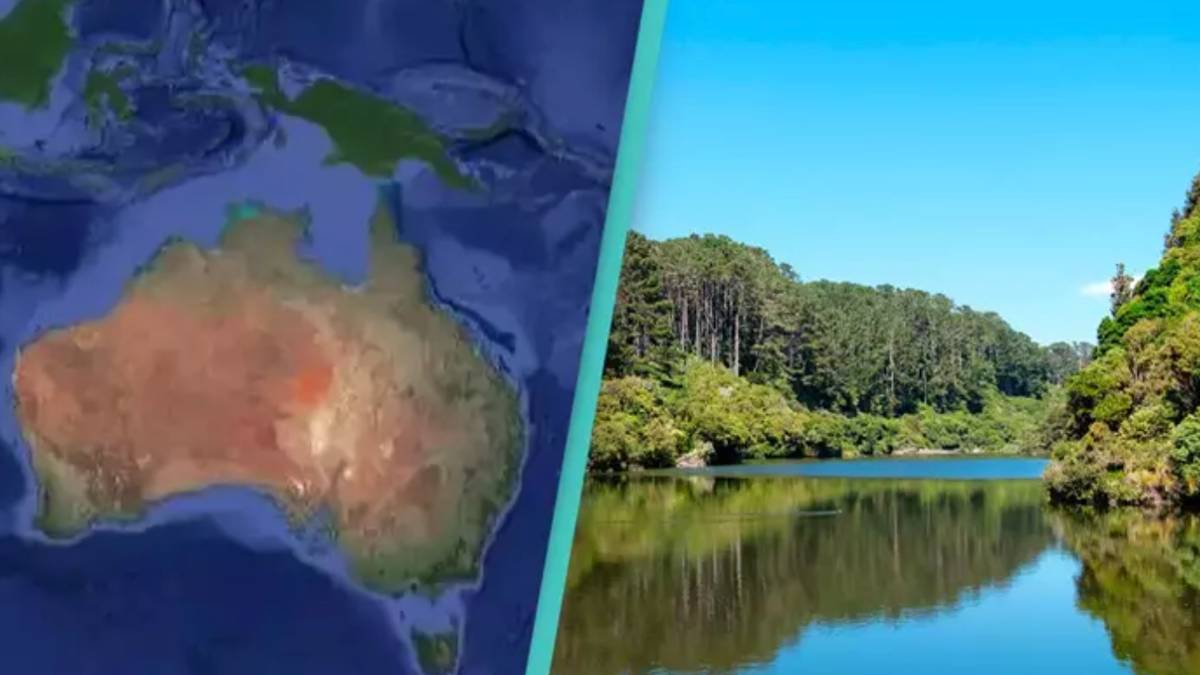
After 375 years, scientists have officially discovered the missing continent of Zealandia, which was once part of an ancient supercontinent. Initially theorized in Roman times and partially discovered in the 1600s, the continent is mostly underwater and roughly 1.89 million square miles in size. Zealandia, also known as Te Riu-a-Māui in the Māori dialect, had been hiding in plain sight and was part of the ancient supercontinent of Gondwana over 500 million years ago. Geologists from GNS Science made the discovery in 2017, shedding light on the continent's separation from the supercontinent and its submersion beneath the waves.
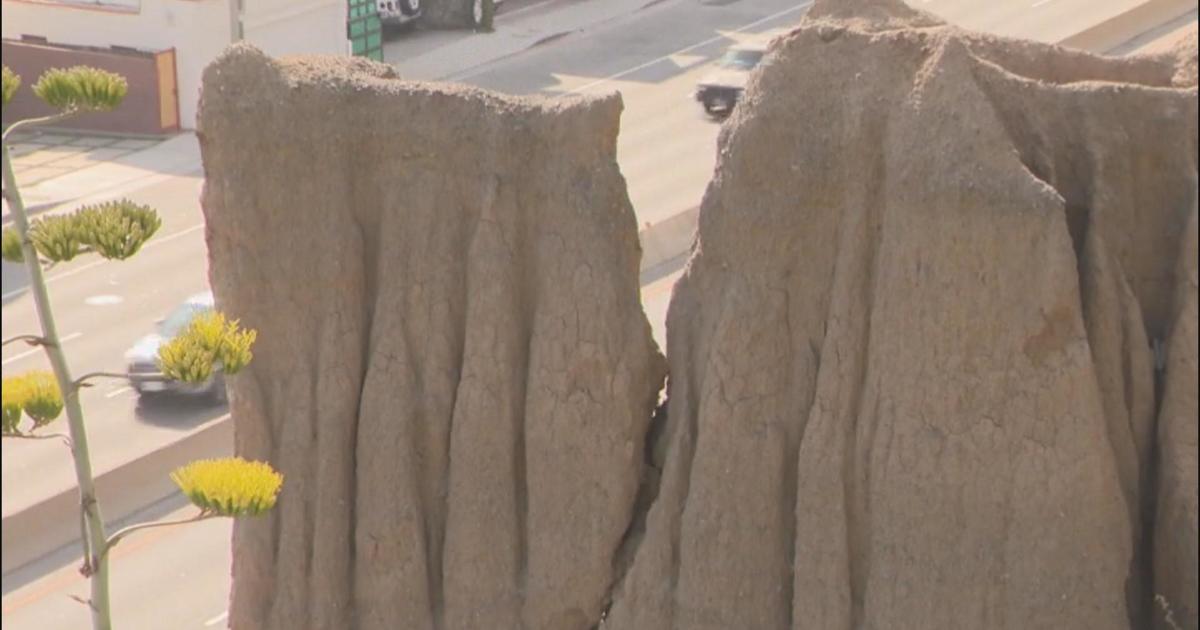
Geologists and city engineers are urgently working to remove a crumbling section of the Santa Monica Bluff overlooking the Pacific Coast Highway. A video showing a massive fissure in the bluff prompted the Los Angeles County Board of Supervisors to order an examination of the potentially dangerous situation. Crews will use a crane to carefully remove about 4,000 cubic feet of dirt that has been accumulating for thousands of years. The work will cause traffic disruptions, but the city is grateful for residents' vigilance in helping to prevent a potential tragedy.
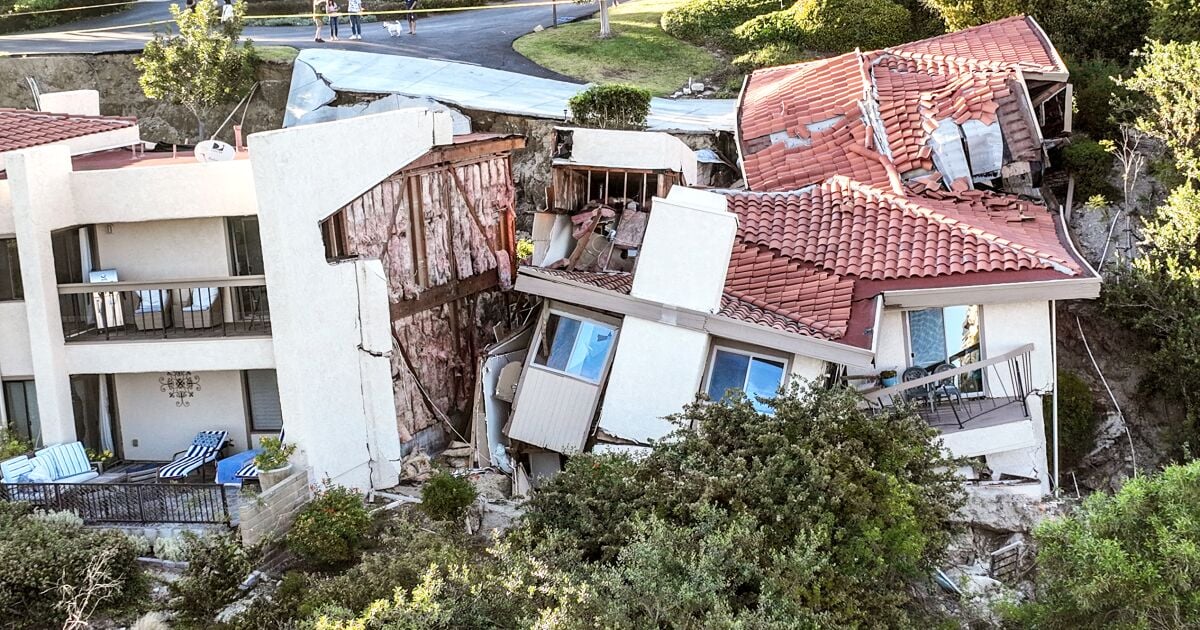
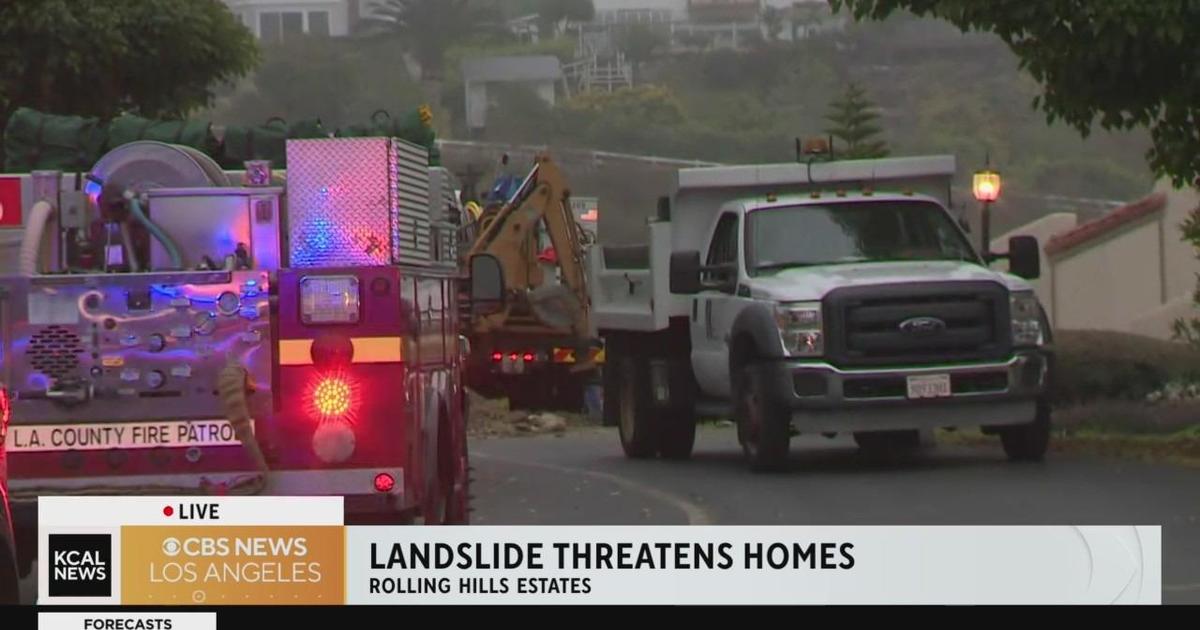
The Rolling Hills Estates City Council has declared a local state of emergency after a landslide caused multiple hillside houses to collapse and crack. The declaration allows the city to seek financial support from state and federal agencies. Twelve units were evacuated on Saturday, and an additional five homes were evacuated on Tuesday due to continued ground movement. The cause of the landslide remains unknown. Residents are being provided with assistance to find shelter, and the city is in direct contact with them. Geologists are being awaited to assess the situation. The area has a history of landslides, and recent heavy rainfall may have contributed to the increased landslide activity across the state.
A major landslide in Rolling Hills Estates has prompted the evacuation of 12 homes, with more homes potentially being threatened. Cracks have been found in multiple homes, and geologists will survey the land to determine the cause. Sixteen residents have been displaced, and gas crews are investigating potential threats to the system.
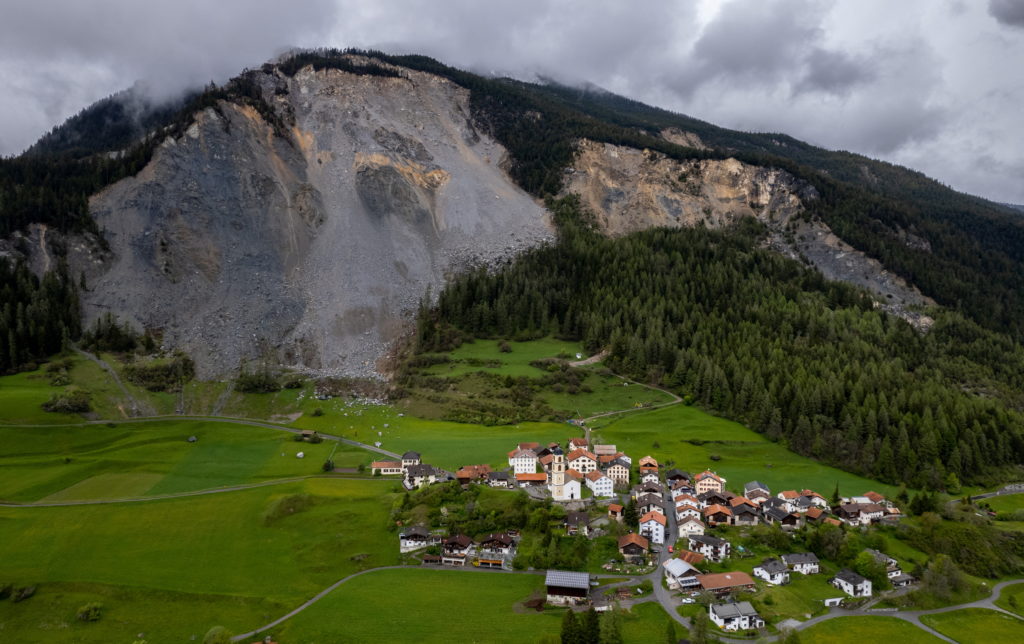
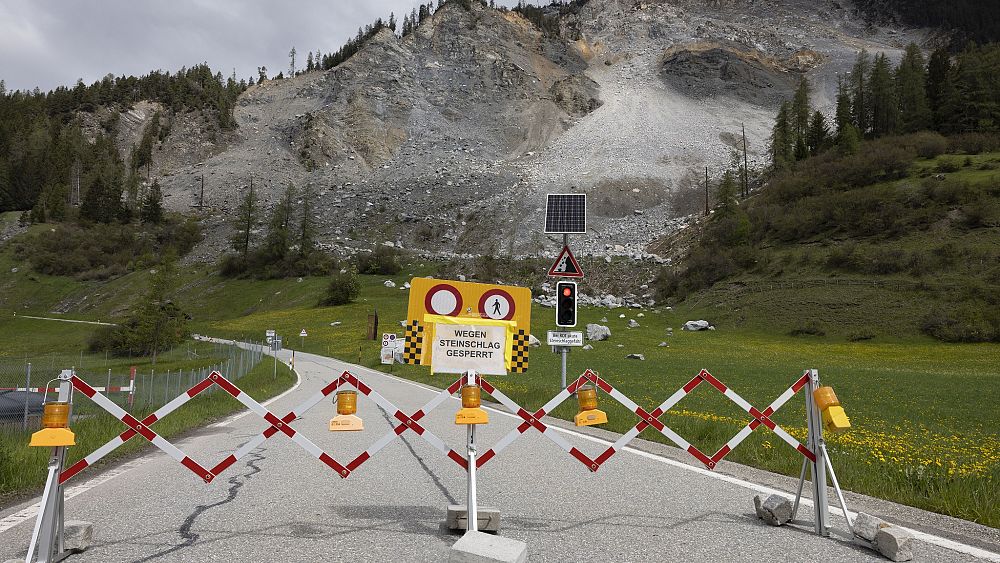
A massive rockslide narrowly missed the Swiss village of Brienz, which was evacuated last month due to the risk of a potential disaster. The rockslide stopped just short of the village, leaving a "meters-high deposit" in front of the school building. Geologists had warned that the Alpine rock looming over the village could break loose, and in recent days, rock movements on the slope were accelerating. Officials couldn't yet say when they might be able to end the evacuation, but the chances of a permanent return are very high.
One hundred residents have evacuated their homes in the Swiss village of Brienz after geologists warned that tonnes of rocks on the mountain above them could be about to give way. Swiss authorities say about two million cubic metres of rock on an Alpine mountainside overhead could soon come crashing down. The evacuation order was raised to 'red' on Friday evening, meaning that no returns would be allowed for the foreseeable future.
The centuries-old Alpine village of Brienz in Switzerland, home to under 100 residents, is facing an urgent rockslide threat as about 2 million cubic meters of rock on an Alpine mountainside overhead could soon come crashing down. Authorities have raised the alert to "red," meaning no returns would be allowed for the foreseeable future. Geologists and other experts are taking measurements while villagers and vacationers evacuate the area. The landslide could move slowly or spill down, threatening lives, property, and the village itself.
Geologists have identified and named a previously unexplored 500 million-year-old rock layer in the Grand Canyon, calling it the Frenchman Mountain Dolostone (FMD). The FMD is over 1,200 feet thick at Frenchman Mountain, but it thins dramatically toward the east. The portions exposed within the Grand Canyon range in thickness from nearly 400 feet near the "West Rim" Skywalk to less than 100 feet in Marble Canyon, in the eastern part of Grand Canyon National Park. The FMD is the first new formation to be named in the canyon since 1985 when the Surprise Canyon Formation was named.
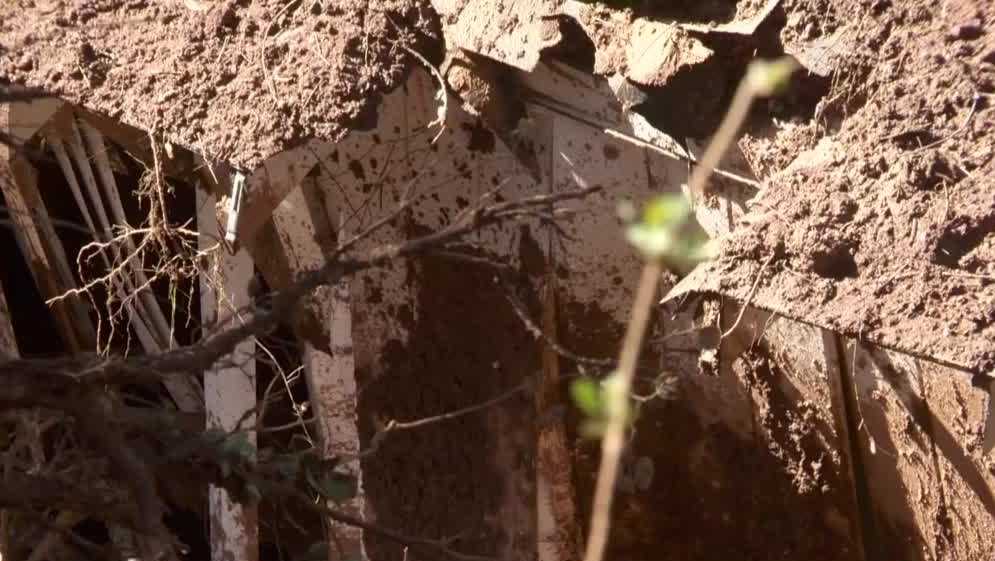
Geologists and engineers surveyed the area after a mudslide crashed into a Colfax home while two people were inside. The recent round of rainstorms played a factor in causing the mudslide, but the source of water is still being determined. The mudslide was measured to be approximately 200 feet wide by just under 300 feet long. The evacuation order for the damaged home and two others nearby was downgraded to an evacuation warning.