The Digital Markets Act (DMA) is set to take effect in the European Union, requiring gatekeeper tech companies like Google, Apple, and TikTok-owner ByteDance to comply with strict rules aimed at preventing unfair business practices and increasing consumer choice in core platform services. While some companies have announced changes to comply with the DMA, others, like Apple, have raised concerns about potential risks and decreased user choices. The impact of the DMA will soon become clearer as gatekeepers share compliance reports, and its standards may extend beyond the EU's borders, potentially influencing other regions and countries.
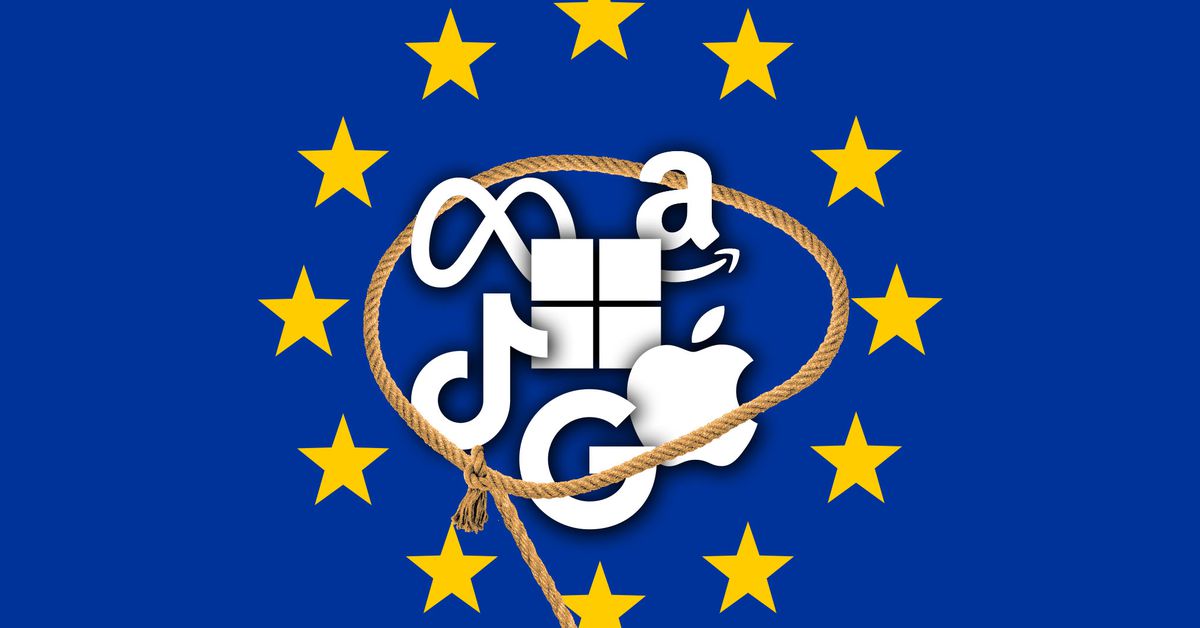
The European Union's Digital Markets Act (DMA) is set to go into effect, requiring tech giants like Alphabet, Apple, Meta, Amazon, Microsoft, and ByteDance to comply with new competition rules by March 6th. The rules aim to promote fair and open digital markets by requiring gatekeepers to allow more interoperability and avoid favoring their own digital services. Each designated company has announced various changes to meet the demands, such as offering choice screens, supporting third-party app stores, and improving data portability. The DMA's restrictions apply to specific services within these companies, and failure to comply can result in fines of up to 10 percent of global revenue.
The EU has declared that Apple's iMessage and Microsoft's Edge, Bing, and Microsoft Advertising do not qualify as gatekeepers under the Digital Markets Act, following an in-depth analysis and input from relevant stakeholders. Despite meeting quantitative thresholds, these platforms have been cleared of any accusations, but Apple and Microsoft are still deemed gatekeepers in other categories such as operating systems, browsers, intermediation, and social networks. If designated as gatekeepers, companies could face fines of up to 10% of their total worldwide annual revenue for non-compliance.
Several major technology and media companies, including Google, Amazon, Apple, Meta, Microsoft, and TikTok owner ByteDance, have been accused by rivals of not complying with the new European Union digital competition rules. These rules require "gatekeepers" to engage effectively with other businesses and consumers, make their messaging apps work with rivals, and avoid self-preferencing practices. A group of 24 companies, including Ecosia, Qwant, and ProtonVPN, have signed an open letter urging the gatekeepers to engage in a constructive dialogue and make swift progress on compliance solutions. The European Commission and Parliament, as well as the tech giants, have been called upon to ensure compliance with the Digital Markets Act by the March 7, 2024 deadline.
Several major technology and media companies, including Google, Amazon, Apple, Meta, Microsoft, and TikTok owner ByteDance, have been accused by rivals of not complying with the new European Union digital competition rules. These rules require "gatekeepers" to engage effectively with other businesses and consumers, make their messaging apps work with rivals, and avoid self-preferencing practices. A group of 24 companies, including Ecosia, Element, and ProtonVPN, have signed an open letter urging the gatekeepers to engage in a constructive dialogue and make swift progress on compliance solutions. The European Commission and Parliament, as well as the tech giants, have been called upon to ensure compliance with the Digital Markets Act by the March 7, 2024 deadline.
A group of bipartisan congressional representatives has written a letter to President Joe Biden, urging him to take action against what they perceive as the European Union's unfair targeting of American tech companies through the Digital Markets Act (DMA). The representatives argue that the EU's "digital sovereignty" agenda applies different rules to American companies compared to European and other foreign firms. They also express concern that Chinese tech giants like Tencent, Alibaba, and Huawei were not designated as gatekeepers under the DMA, despite competing aggressively with US firms. The representatives call on Biden to investigate the potential damage to American economic and security interests and to advocate for fair treatment of American companies in the EU.
Apple and Microsoft have disputed with the European Union (EU) over the classification of their services as "gatekeepers" under new EU legislation aimed at regulating Big Tech. The EU's battle with the companies centers around Apple's iMessage and Microsoft's Bing search engine. The Digital Markets Act imposes new responsibilities on tech companies, including data sharing, linking to competitors, and interoperability with rival apps. Both companies argue that their services do not meet the threshold for gatekeeper designation, with Microsoft highlighting Bing's small market share and potential boost to Google's dominance if subjected to the rules. The EU is still deliberating over the inclusion of iMessage and Bing in the final list of regulated services.
Apple and Microsoft are reportedly lobbying to exclude iMessage and Bing, respectively, from being designated as "gatekeepers" under the European Union's Digital Markets Act (DMA). The companies argue that their services are not dominant enough to warrant the restrictions imposed by the DMA, which aims to promote competition in the tech industry. The EU is set to publish a list of gatekeepers on September 6th, and designated companies will have six months to comply with the DMA's rules. Microsoft is unlikely to dispute its Windows platform being classified as a gatekeeper but is arguing against including Bing due to its smaller market share. Apple is working on measures to open up iOS to third-party app stores but claims that iMessage does not meet the DMA's user threshold and should not be required to interoperate with other messaging services.
Apple and Microsoft have argued that their flagship services, such as the App Store and Microsoft Store, are not popular enough to be considered "gatekeepers" in the tech industry. This comes as both companies face scrutiny over their control and dominance in their respective app marketplaces.
Seven major tech companies, including Alphabet (Google), Amazon, Apple, ByteDance (TikTok), Meta (Facebook, Instagram, Whatsapp), Microsoft, and Samsung, have acknowledged that they meet the criteria to be considered gatekeepers under the European Union's Digital Markets Act (DMA). The companies will now be subject to scrutiny by the EU, which will designate specific platform services by September 6. The DMA's rules aim to prevent these companies from locking in users, deciding pre-installed apps, self-preferencing, and require interoperability of messaging apps. Non-compliance could result in fines of up to 10% of worldwide turnover. Apple, in particular, has expressed concerns about privacy and security vulnerabilities, but has reportedly planned to allow third-party app stores in iOS 17 with potential restrictions.
Seven tech giants, including Alphabet (Google), Amazon, Apple, ByteDance (TikTok), Meta (Facebook), Microsoft, and Samsung, have informed the European Union that they will fall under the Digital Markets Act (DMA), the EU's rebooted antitrust regime. The DMA imposes obligations and prohibitions on designated gatekeepers, such as banning self-preferencing and limiting the use of third-party data. The DMA aims to level the competitive playing field online and prevent unfair practices by tech giants. The official designation of gatekeepers will be announced later this summer, with enforcement expected by spring 2024.