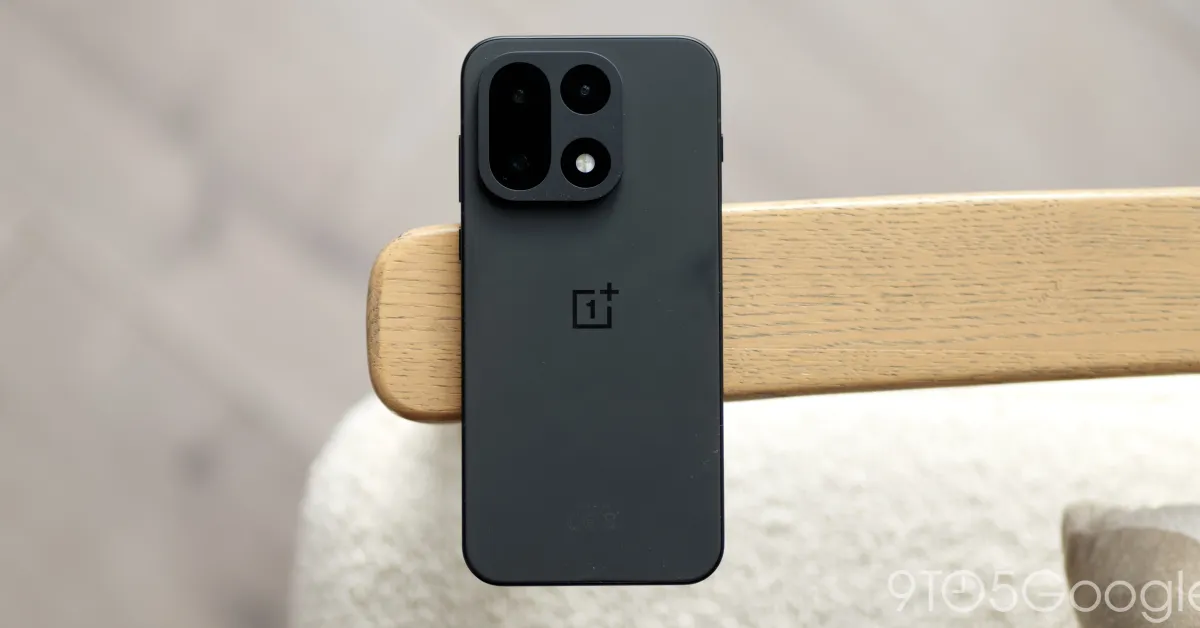
Leaked images reveal the design of OnePlus's upcoming 'Turbo' series, aimed at gaming with a focus on large batteries, potentially up to 9,000 mAh, featuring a design similar to the OnePlus 15 but thicker and in light green. The devices may be released outside China, but details are still uncertain.
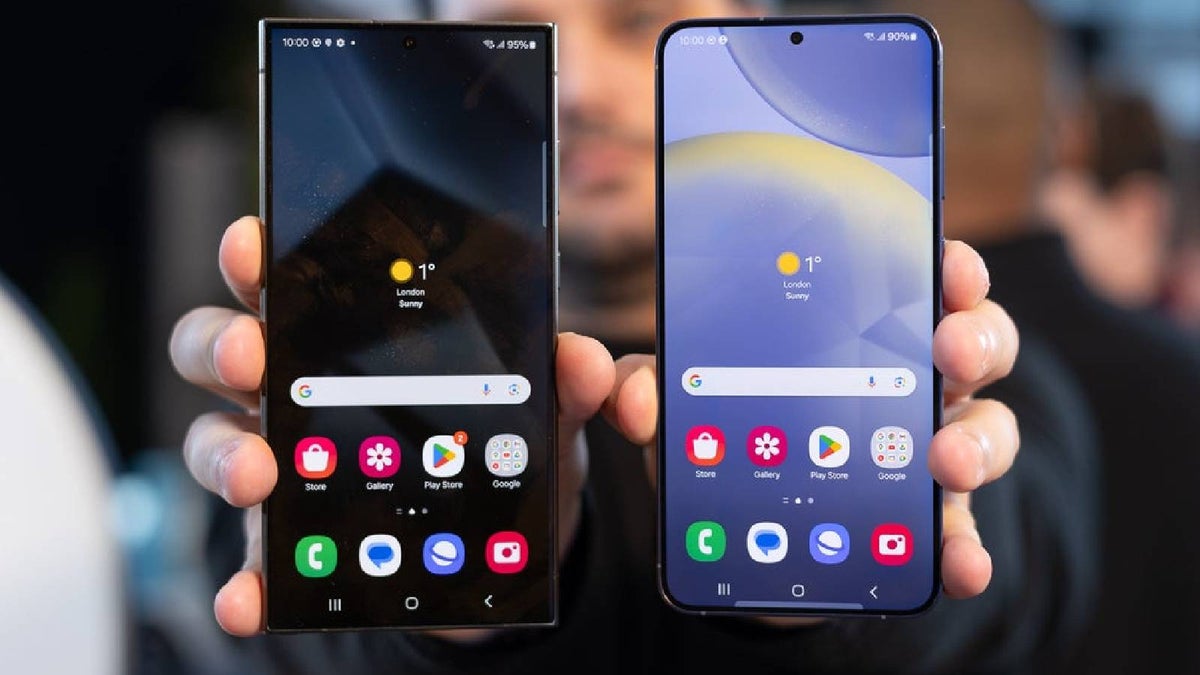
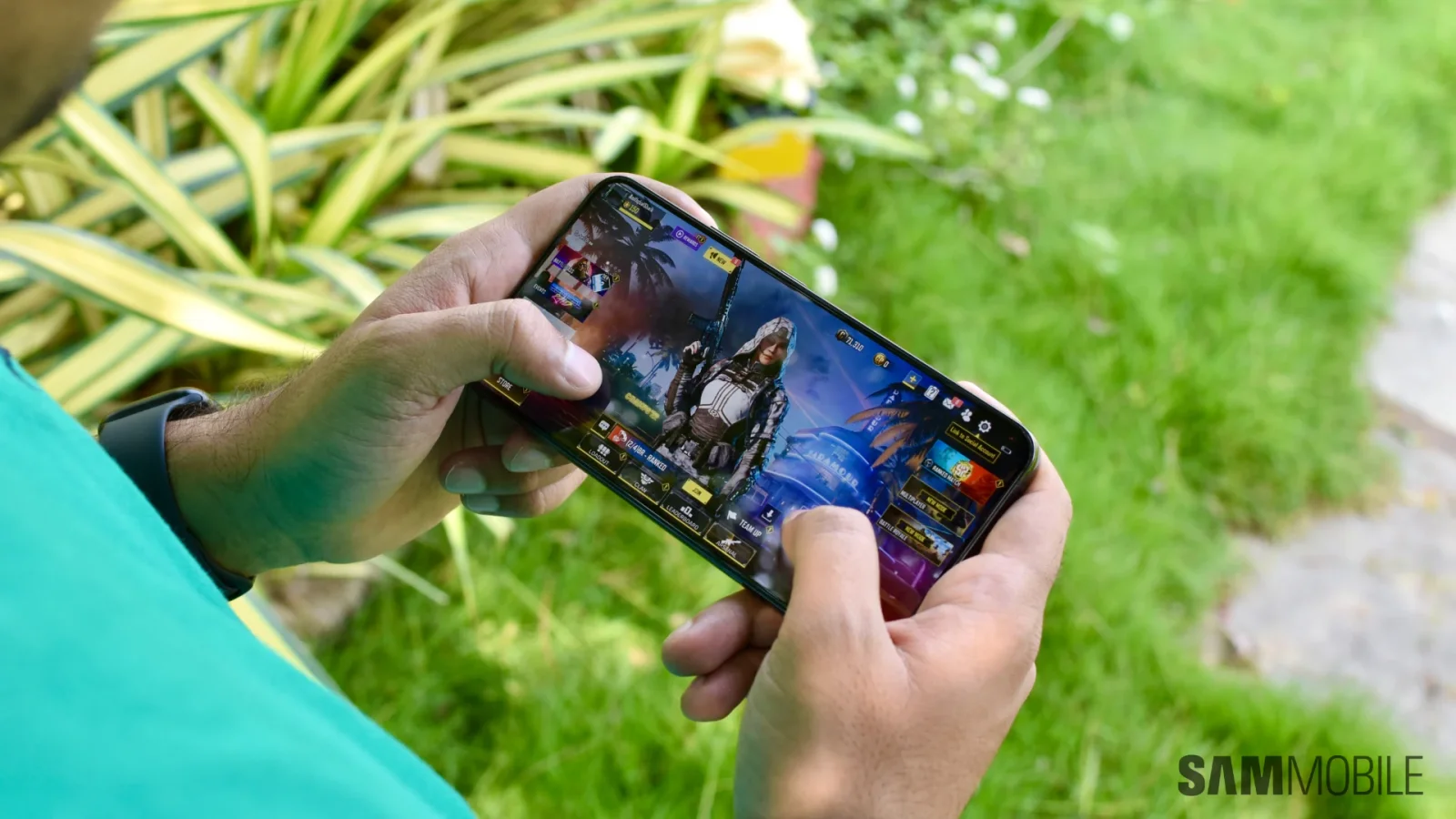
In a recent test, the Exynos 2400-powered Galaxy S24 Plus outperformed the Snapdragon 8 Gen 3-powered Galaxy S24 Ultra in a ray tracing benchmark for GPUs, indicating better performance over extended gaming periods. While initial reports suggested the Exynos 2400 handled demanding games well, it was later revealed that the texture resolution was set to low. Nonetheless, the Exynos 2400 remains impressive, and the discrepancy in game performance may be due to optimization issues for the Galaxy S24.
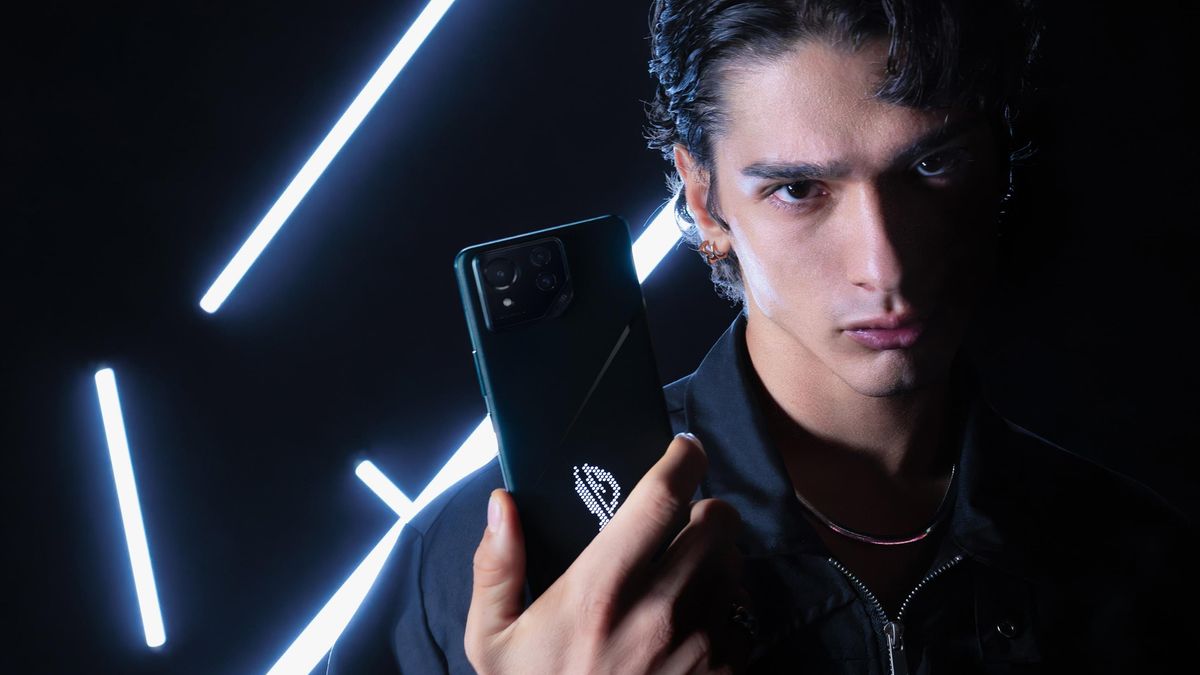
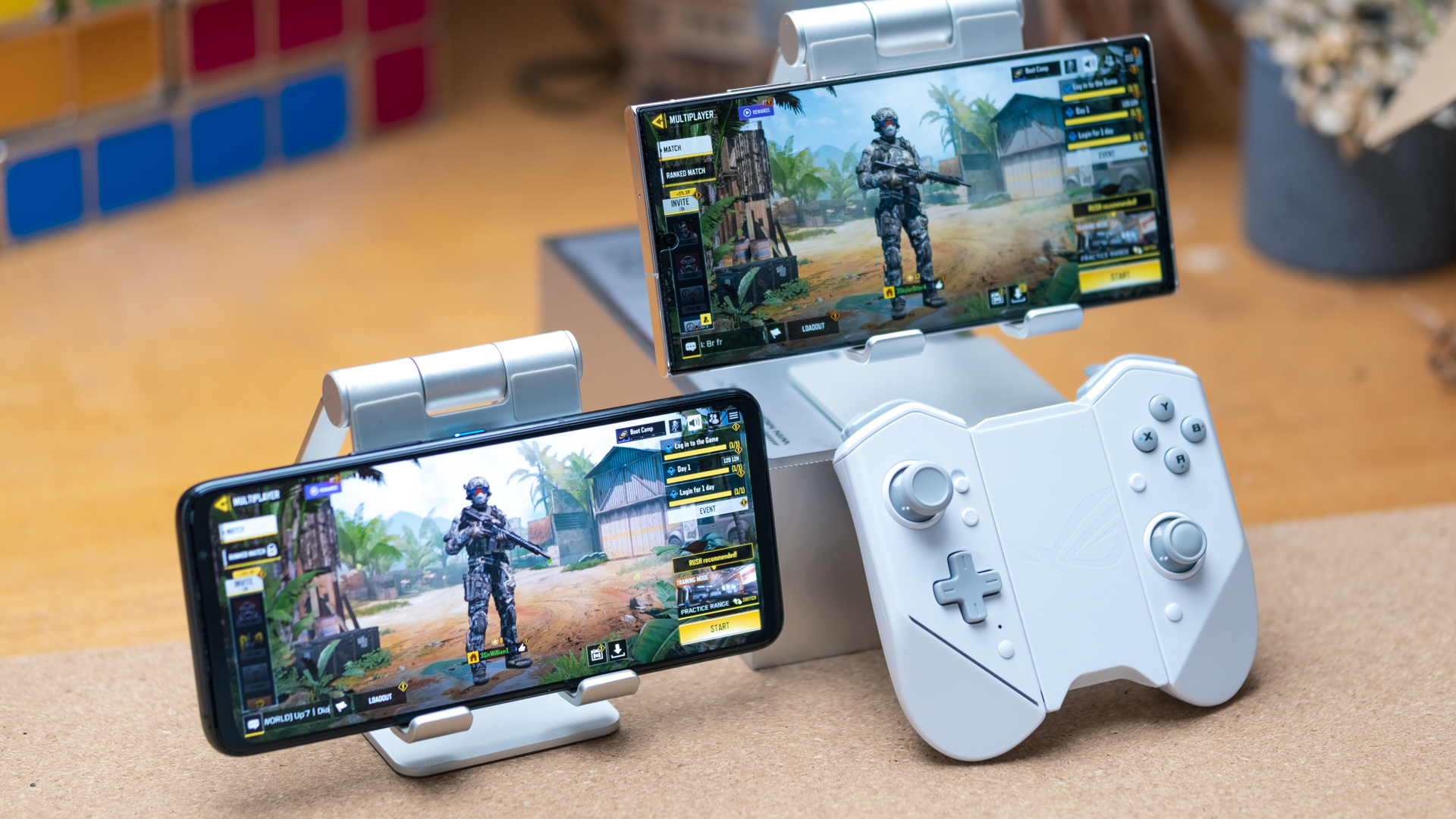
The Asus ROG Phone 8 series marks a shift away from prioritizing gaming, with the new iteration focusing more on features beyond gaming. The phone retains powerful hardware and a high refresh rate display but removes some defining gaming traits, opting for a slimmer design, wireless charging, and improved camera quality. This move suggests a shift towards serving as Asus' new mainstream flagship device, reflecting the evolving competitive landscape of mobile gaming and the broader appeal of gaming-capable smartphones.
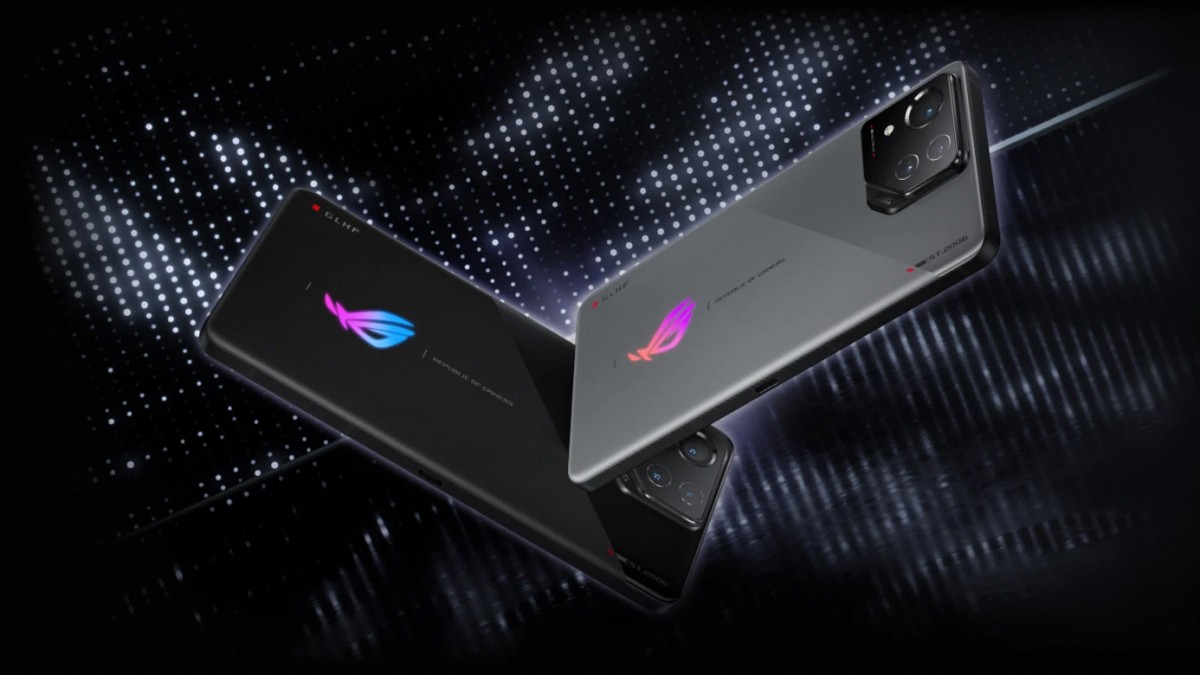
Renders and specs of the Asus ROG Phone 8 and 8 Pro have leaked, confirming their powerful features. The phones will be officially launched on January 8 at CES and boast a modern design with a hole-punch camera on the front. Both devices feature a 6.78-inch AMOLED display with a 165Hz refresh rate, Snapdragon 8 Gen 3 processor, up to 24GB of RAM, and up to 1TB of storage. The camera system includes a 50MP primary camera, 13MP ultrawide camera, and 32MP telephoto camera. Other features include Android 14 with ROG UI, IP68 rating, headphone jack, and a 5,500mAh battery with Quick Charge 5.0 support.
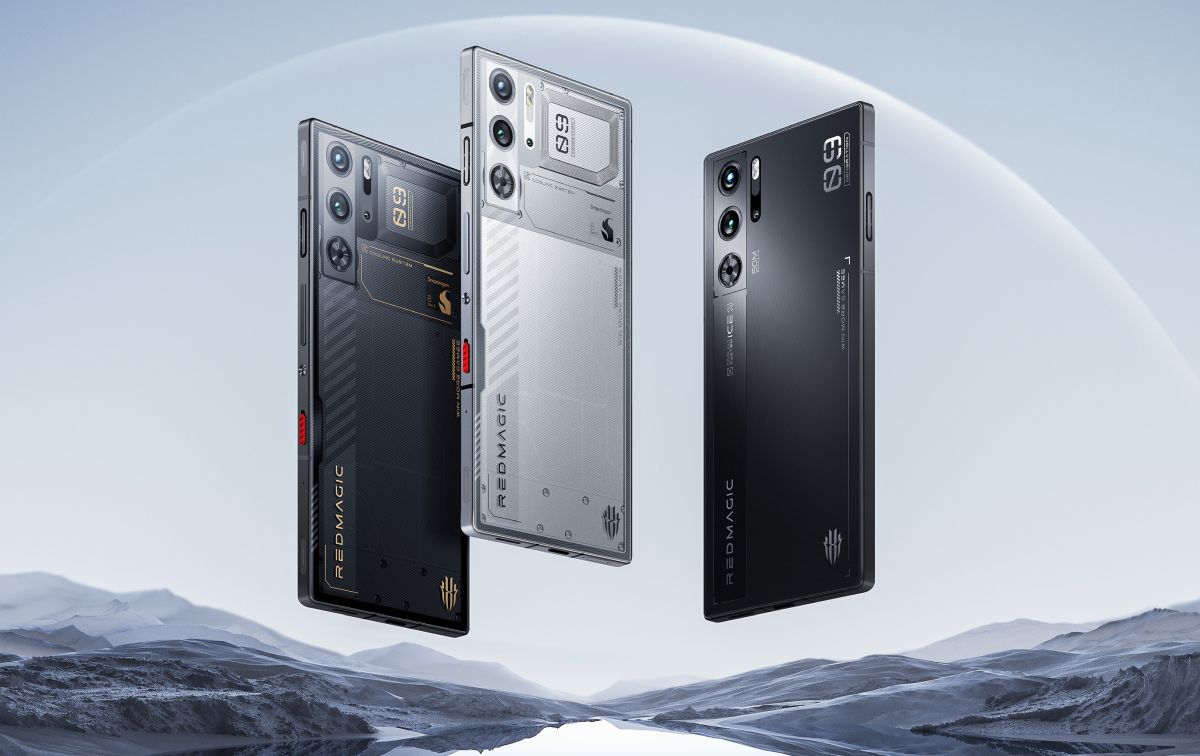
The RedMagic 9 Pro and RedMagic 9 Pro+ gaming phones, featuring Qualcomm's Snapdragon 8 Gen 3 processor, up to 24GB RAM, and up to 1TB storage, are now available for pre-order in China. These phones offer enhanced cooling with a 22,000 RPM cooling fan, a 6.8-inch 120Hz display, and a 6500 mAh battery. The global launch is scheduled for mid-December, with shipping to customers worldwide starting in early January.
MediaTek has announced the Dimensity 9200+ system-on-chip, an uprated version of last year's high-end hardware, with improvements that will be particularly noticeable with games. The chip features higher clock speeds for the main Cortex-X3 core, three Cortex-A715 cores, and four Cortex-A510 efficiency cores. The company has also boosted the Immortalis-G715 graphics by 17 percent. The Dimensity 9200+ is built using TSMC's newest 4-nanometer process, potentially extending battery life and allowing for cooler, slimmer phones. The first Dimensity 9200+ phones are expected to launch later this month, giving Qualcomm fresh competition in the Android gaming world.
Android Authority compared the gaming performance of the Samsung Galaxy S23 Ultra and the ASUS ROG Phone 7 Ultimate. Both phones offer high-end gaming experiences, but the ASUS ROG Phone 7 Ultimate offers a smoother experience for longer periods of time due to its bulky cooling system and task prioritization. Gaming phones offer additional perks such as shoulder triggers, granular customizations, and social media and chat features integrated into their gaming software. However, they often sacrifice other features such as camera capabilities and wireless charging.
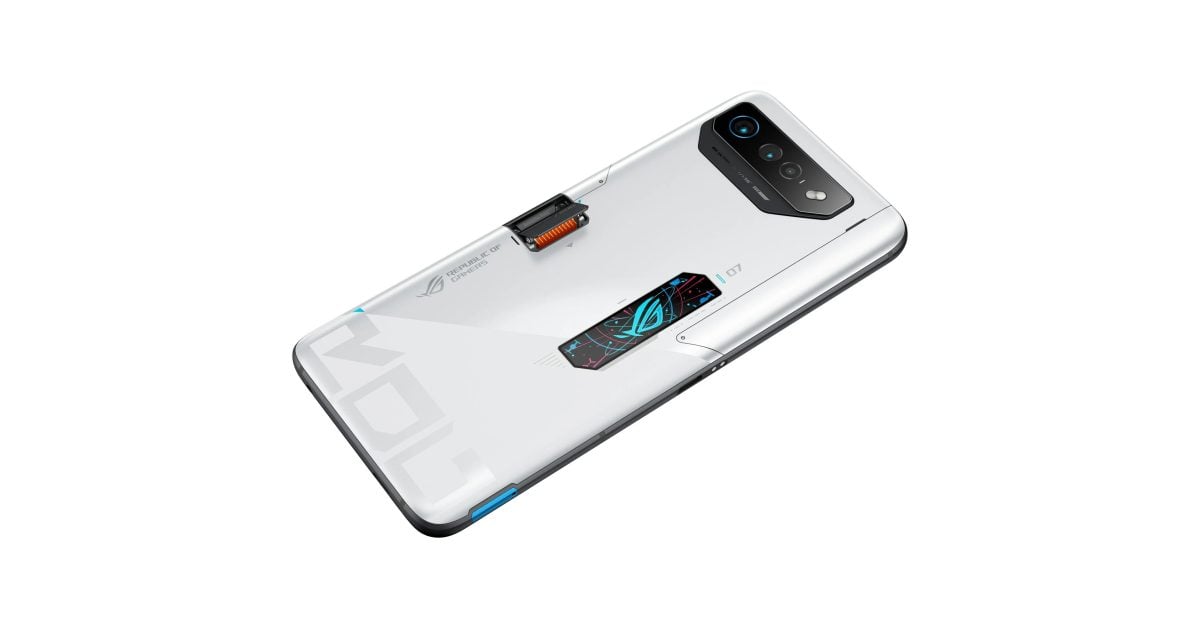
The Asus ROG Phone 7 and 7 Ultimate are set to be officially unveiled tomorrow, April 13. Both phones will feature 6.8-inch FHD+ displays that run at 165Hz, with a 6,000 mAh battery and Qualcomm’s Snapdragon 8 Gen 2 processor. The main difference between the two phones will reportedly be in certain features, like the Ultimate’s small rear display and the amount of memory on board. The Ultimate will also feature the “AeroActive Portal,” a flap on the back of the phone that can open up to attach to a fan and deliver better cooling for the CPU by way of a fan.
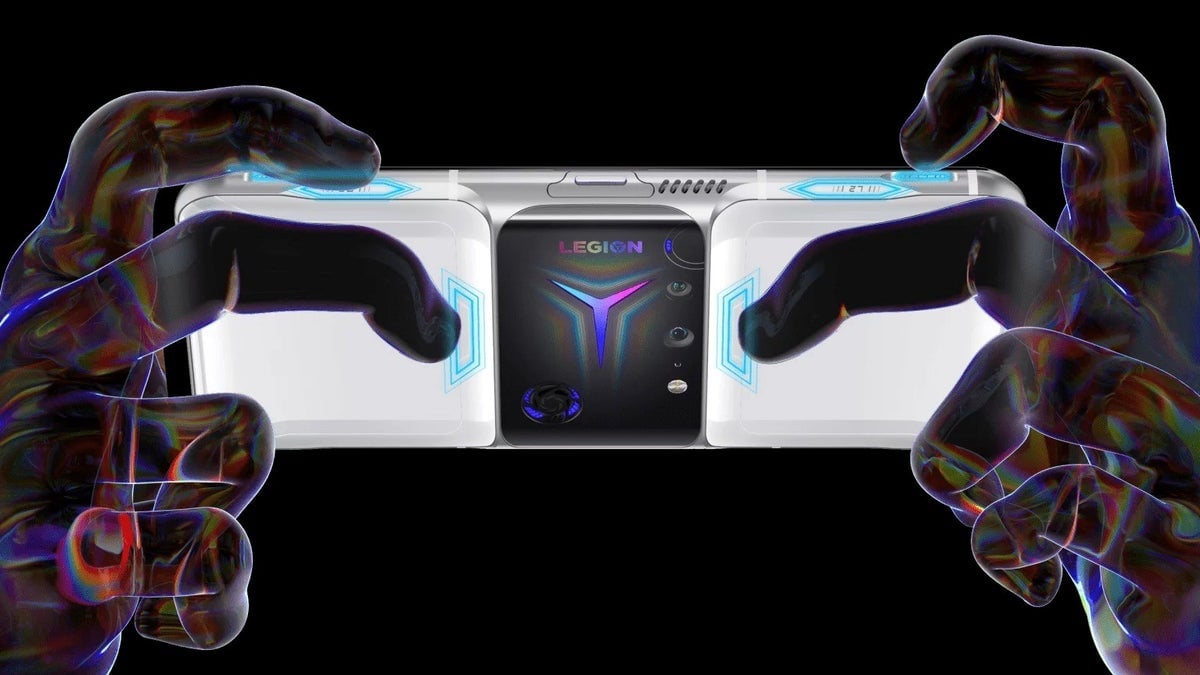
Lenovo is shutting down its Legion line of gaming phones, leaving behind a market niche that Samsung doesn't seem interested in filling. The gaming phone market is relatively narrow, and most mobile gamers prefer buying a regular high-end smartphone they can also use for gaming. Samsung seems to understand the limited potential of this market and is focusing on improving performance on its flagship series rather than dividing its phone lineup between standard and gaming phones. Although it would be interesting to see Samsung's vision of a true gaming phone, the market's potential suggests it's unlikely to happen.
Lenovo has confirmed that it will no longer invest in its mobile gaming phone series, the Lenovo Legion, due to a wider business transformation and gaming portfolio consolidation. Despite Lenovo's exit, Asus continues to dominate the gaming phone segment with its ROG phones, such as the ROG 6 Pro released last November.