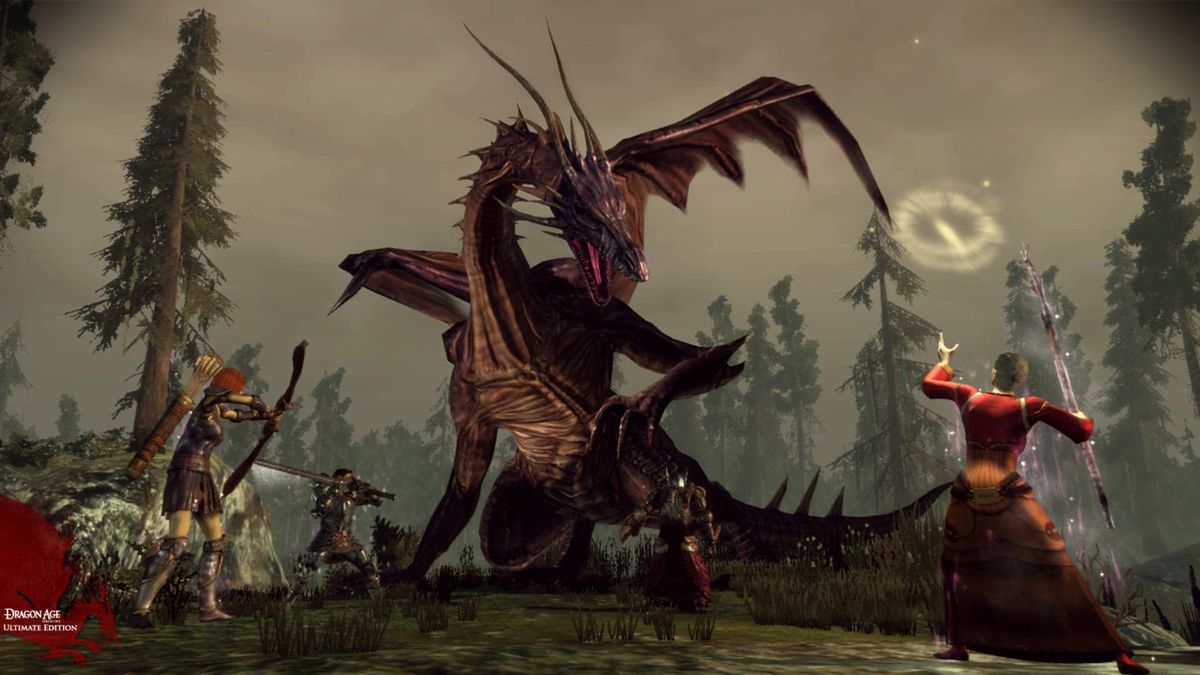
EA is unwilling to fund remasters of the Dragon Age series due to financial and technical challenges, including the use of different proprietary engines in the original games, and EA's general stance against remasters despite their potential profitability.
BioWare's creative director John Epler has indicated that remastering the first three Dragon Age games is challenging due to their use of the rare Eclipse engine, which only about 20 current BioWare employees have experience with. Unlike the Mass Effect series, which used the more common Unreal Engine, the Dragon Age games' proprietary engines make a remaster less feasible. However, Epler doesn't completely rule out the possibility, saying "never say never."
The Game Developers Conference's "State of the Game Industry Survey" revealed that 35% of game developers were impacted by layoffs in the last year, with quality assurance being the most affected. The survey also highlighted concerns about game engines, with many developers considering switching due to Unity's policies, and ethical concerns about the use of Generative AI, despite its increasing adoption in the industry.
The 2024 State of the Game Industry report, released ahead of GDC 2024, highlights concerns about layoffs, ethical use of generative AI, changing game engine policies, and increased incorporation of accessibility features in games. The report reveals that one-third of developers have been impacted by layoffs, with concerns about potential future layoffs, while also indicating a significant worry about the ethical use of Generative AI. Additionally, it shows that many developers are considering switching game engines due to policy changes, and there is an increased implementation of accessibility measures in games. Social media, particularly Twitter/X, is the most utilized marketing tool, despite frustrations with the platform, and there are varying return-to-office policies across different developer categories.
Electronic Arts (EA) is rebranding its in-house game engine, Frostbite, to emphasize its renewed focus on partnership with its studios. While Frostbite has been used by various EA-owned studios, including BioWare, for games like Mass Effect: Andromeda and Anthem, EA now states that its teams are free to choose other engines for game development. The company aims to make Frostbite the best choice for its games but acknowledges the option for studios to explore alternative engines. The rebranding includes a new logo representing the collaborative relationships within Frostbite.
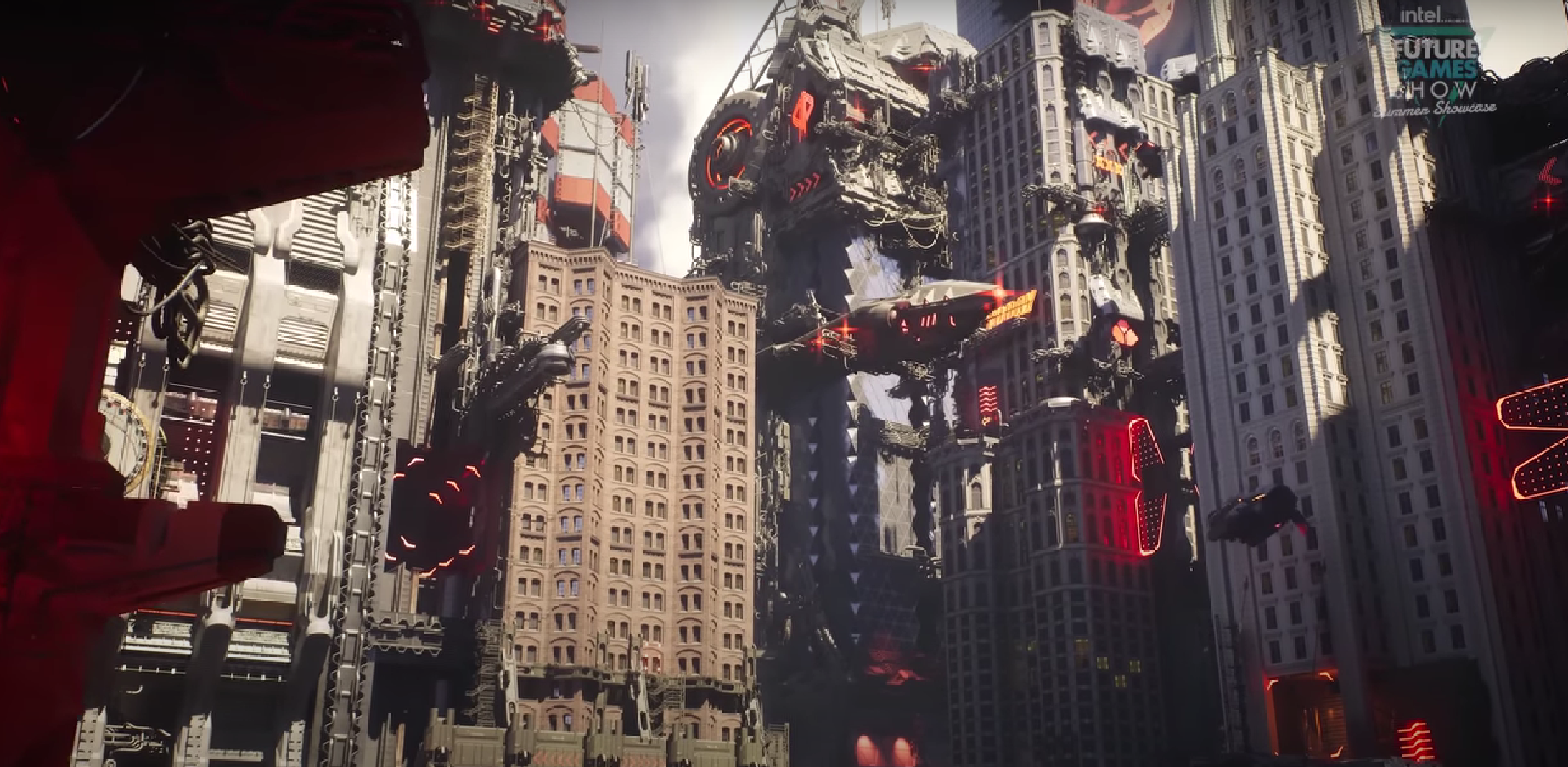
The Future Games Show Summercase featured an impressive Unreal Engine 5 showcase, highlighting various projects powered by Epic's engine. The showcase includes demos, game projects, and vistas from different artists, showcasing the power of Unreal Engine 5 and what developers can achieve in the future. The visuals are impressive, and the video features works such as a Fifth Element-inspired game pitch, a Witcher-inspired village environment, and an Airborn UE5 showcase, among others.
The upcoming Nintendo Switch title, The Legend of Zelda: Tears of the Kingdom, is reportedly running on a game engine called "ModuleSystem", which is also used in newer Switch releases like Splatoon 3 and Nintendo Switch Sports. The engine is said to be utilizing AMD's FSR1 spatial upscaler tech. This shows the versatility of Nintendo's game engines, which can be used for online team-based experiences, gyro-focused multiplayer titles, and open-world gameplay.
To become a game developer, one needs to develop programming skills, choose a game engine, learn game design principles, join game development communities, build a portfolio, and participate in game jams. Popular game engines for beginners include Unity, Unreal Engine, Godot, and Construct. Building a portfolio of game development projects can help showcase skills and attract potential employers. Participating in game jams can help build skills, network with other developers, and gain exposure to work.