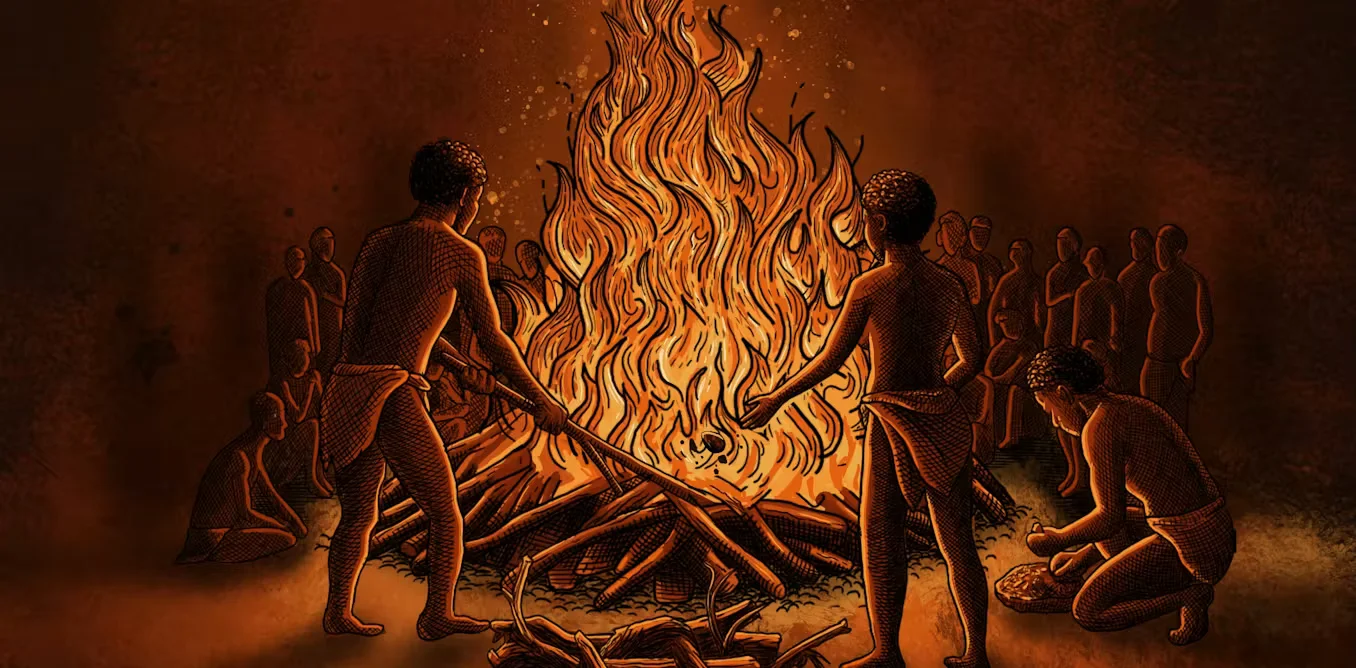
Scientists discovered the earliest known cremation in Africa, dating back 9,500 years in Malawi, involving a large-scale pyre ritual for a likely middle-aged woman, challenging previous notions about hunter-gatherer mortuary practices and indicating complex social behaviors.
A new study suggests that stone age humans from the Magdalenian culture practiced cannibalism as part of their funeral rituals. The evidence comes from an analysis of bones found at archaeological sites across Europe. The Magdalenians were known for their elaborate artistic abilities and manufacturing skills, creating tools with intricate designs. The cannibalistic ritual was not driven by the need for survival but was a ceremonial activity associated with funerals. The study identified 13 sites across Europe where cannibalistic practices were observed, indicating that cannibalism was a shared behavior in the Stone Age. This discovery challenges our understanding of funeral rituals and the cultural significance of cannibalism among ancient societies.
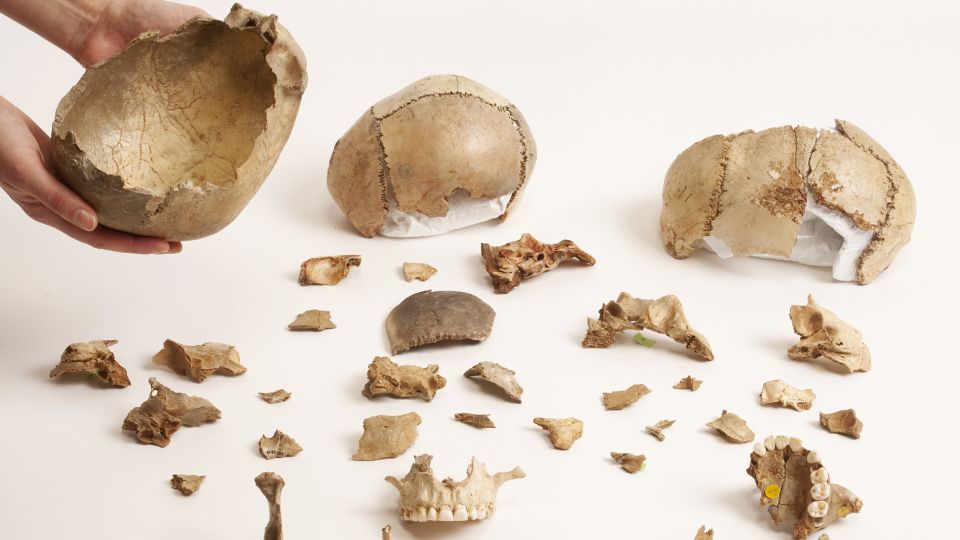
A new study published in the journal Quaternary Science Reviews reveals that cannibalism was a common funeral practice in Europe approximately 15,000 years ago. Researchers identified 59 Magdalenian sites with human remains, primarily in France but also in other European countries. Evidence of cannibalism was found at 15 of these sites, including chewed bones, skull bones with cut marks, and purposefully broken bones for extracting bone marrow. The manipulation of human remains and its widespread occurrence across northern and western Europe suggest that cannibalism was a burial practice rather than a dietary necessity. The study also found a correlation between funerary behavior and genetic ancestry, with the Magdalenian culture practicing cannibalism while the Epigravettian culture preferred burial.