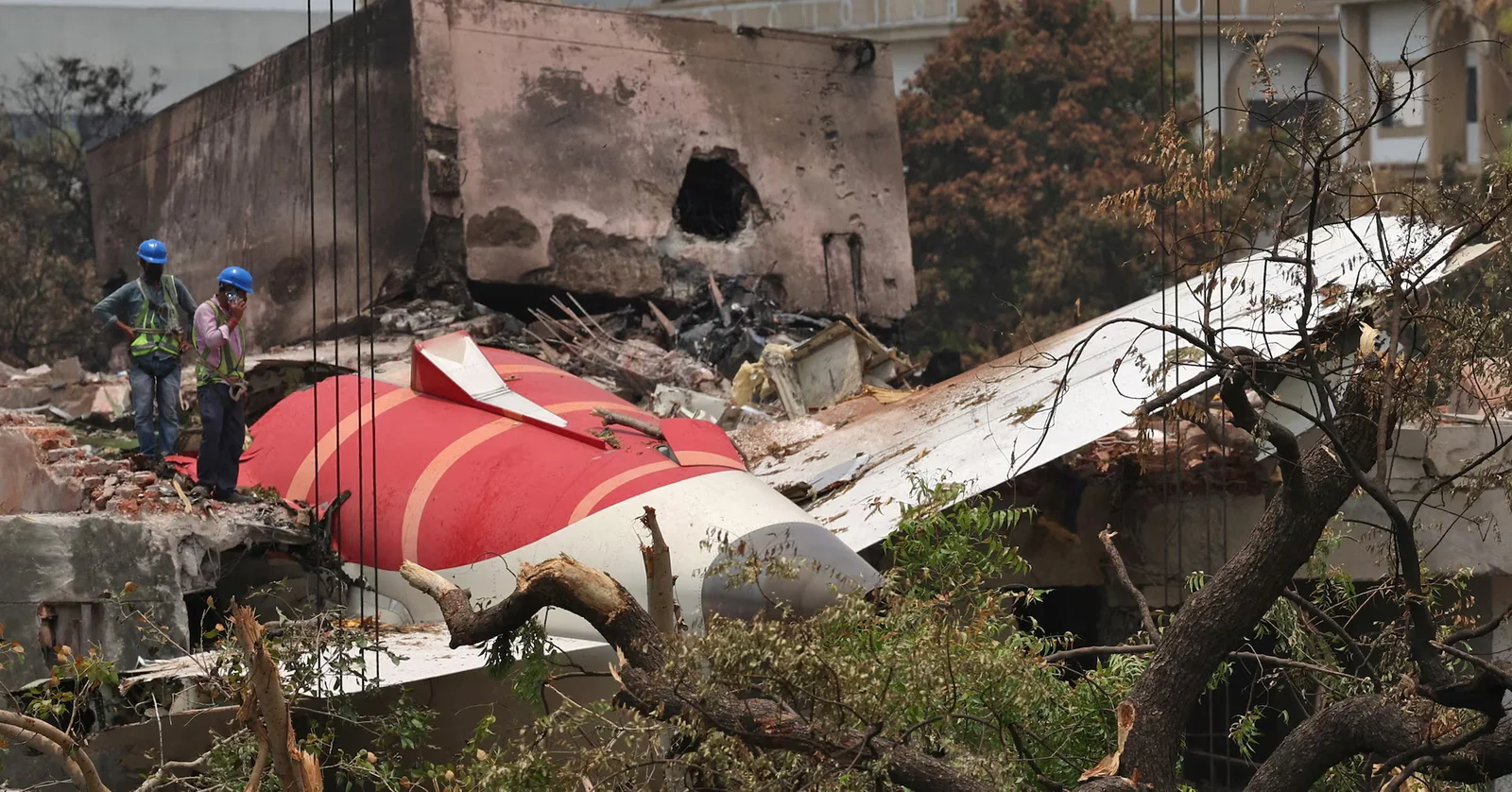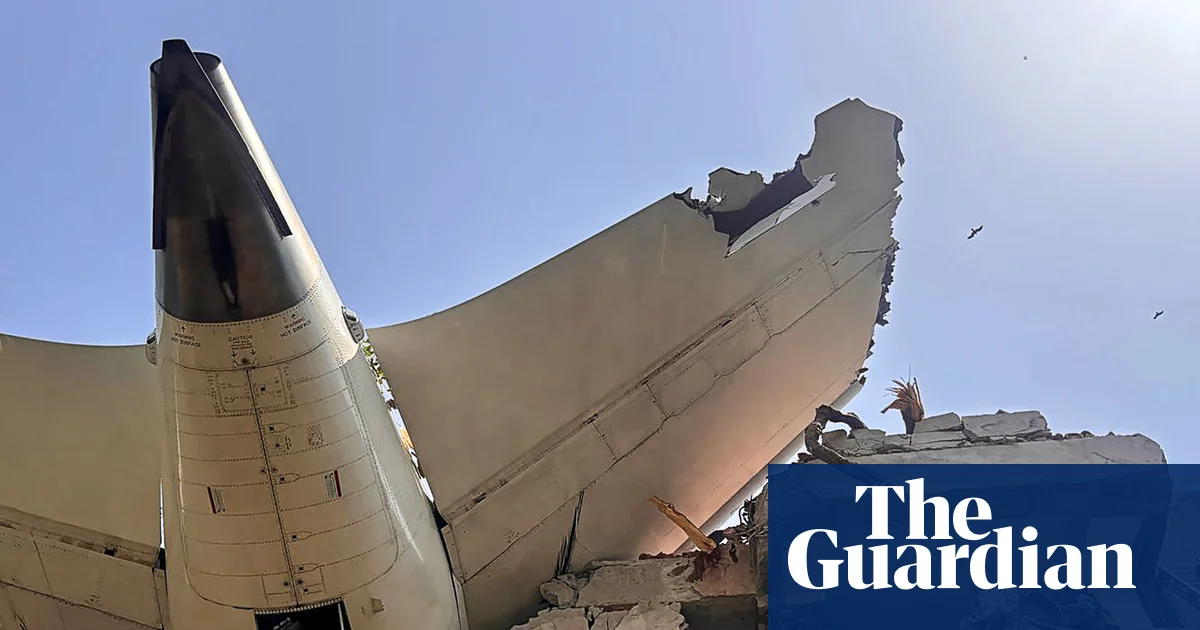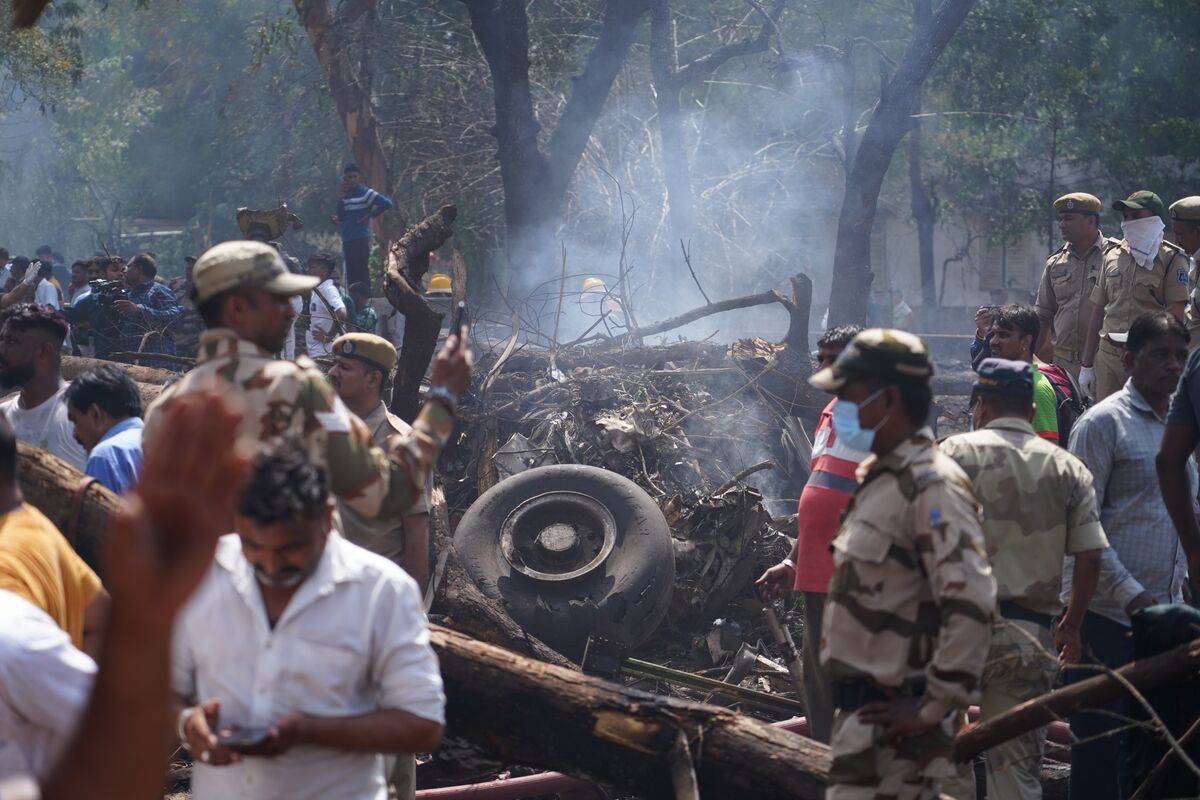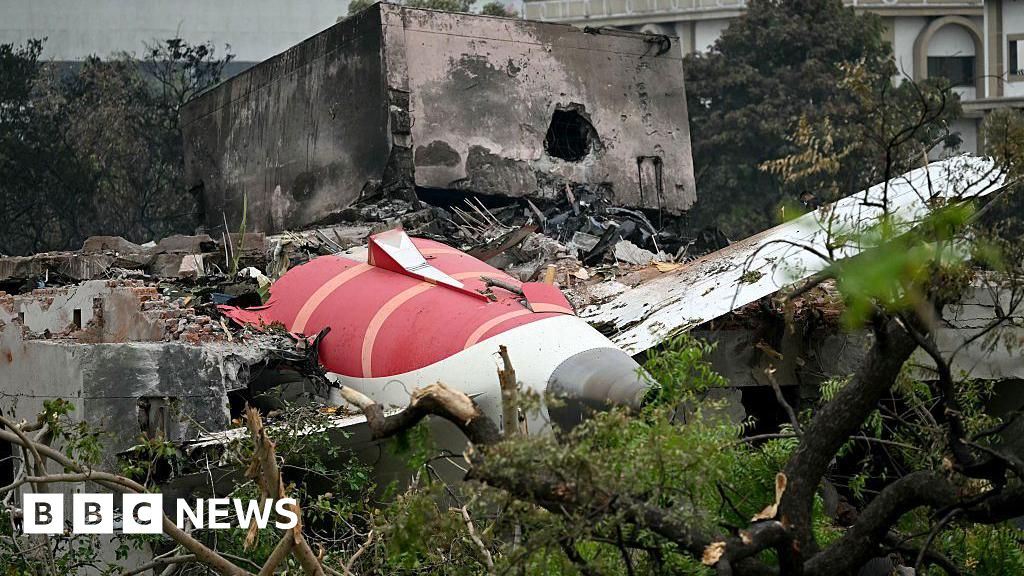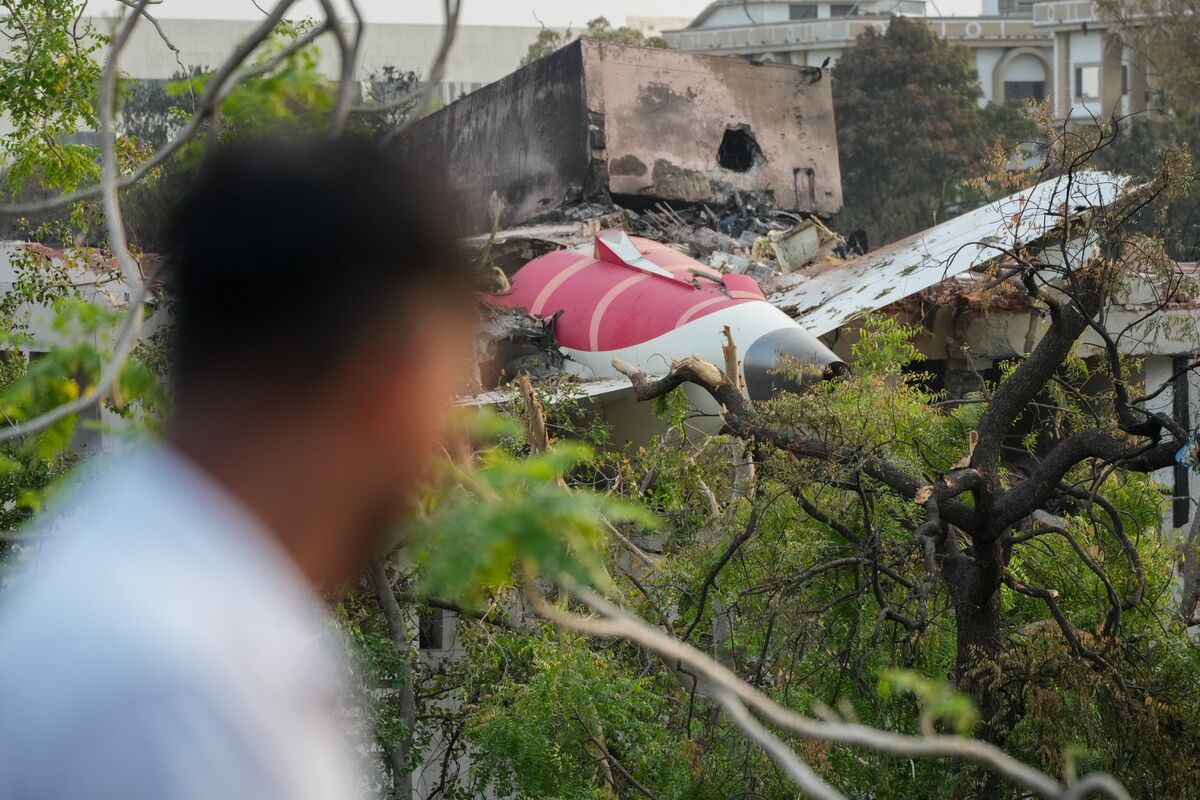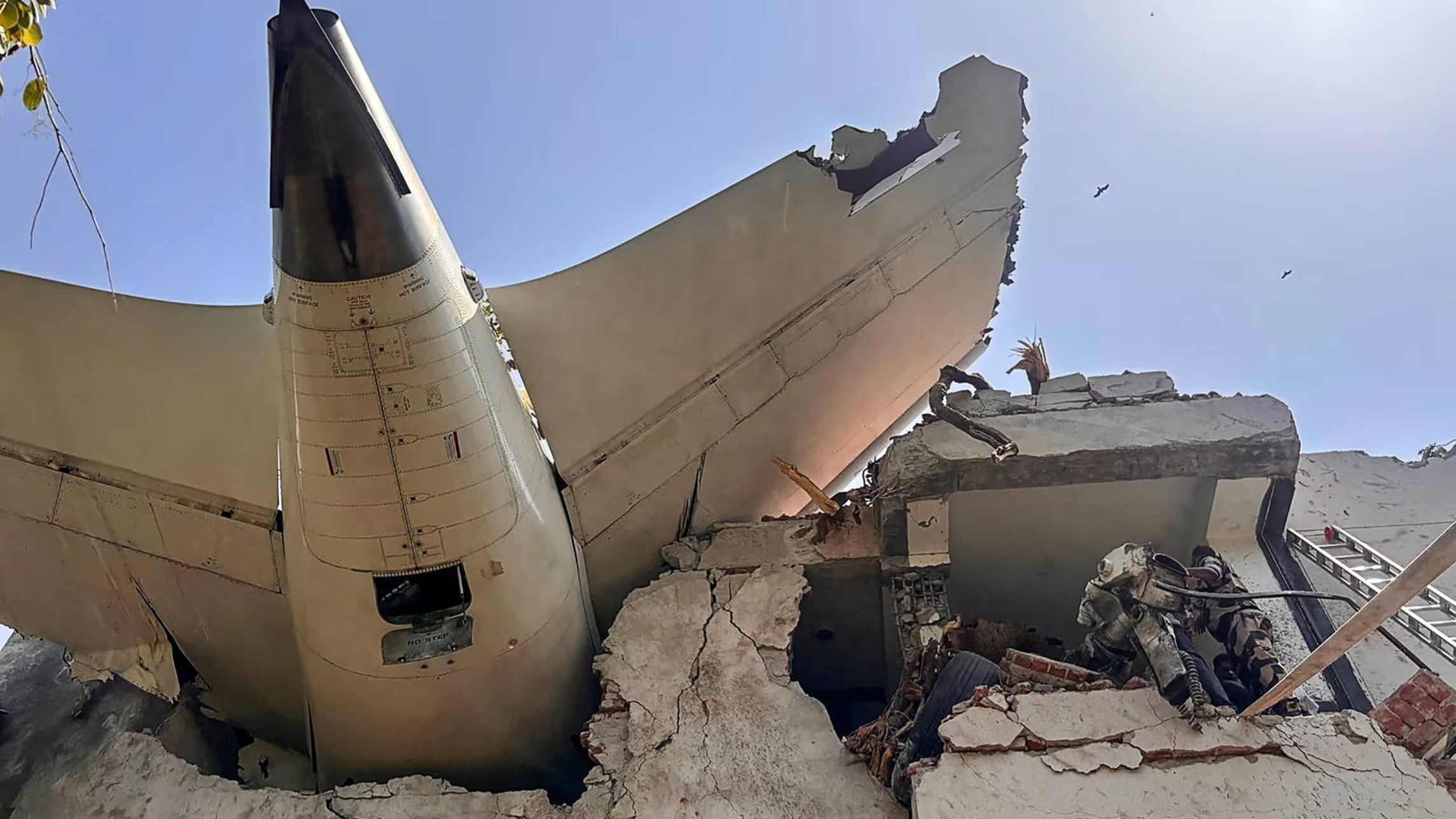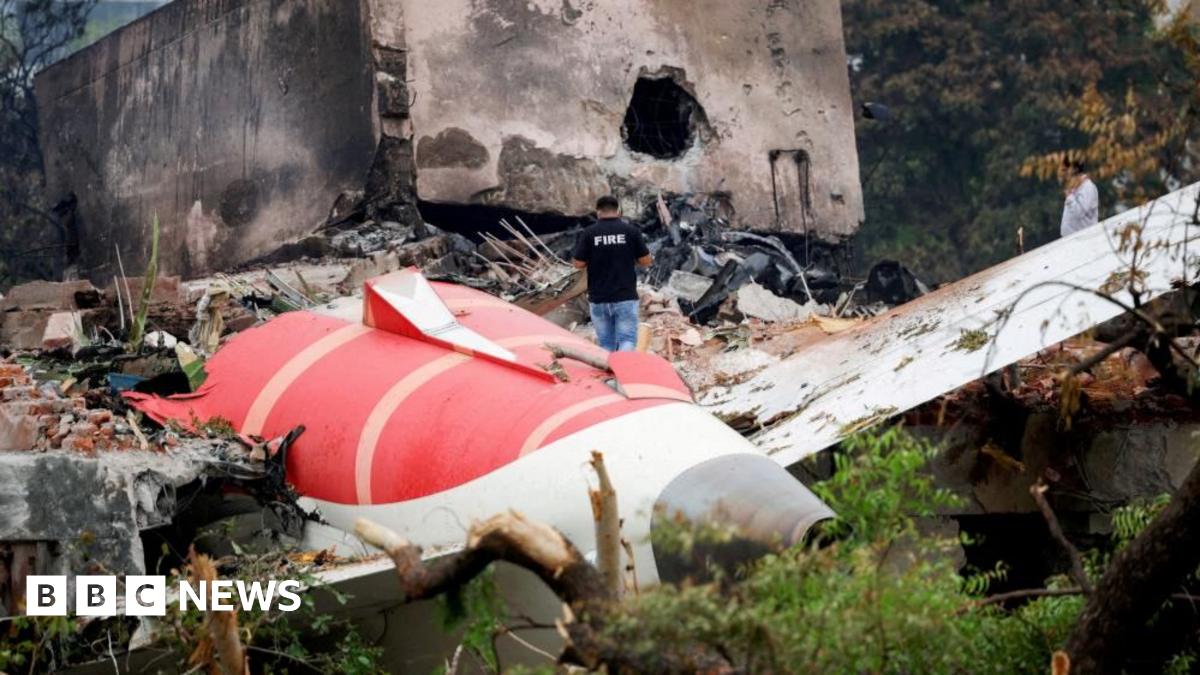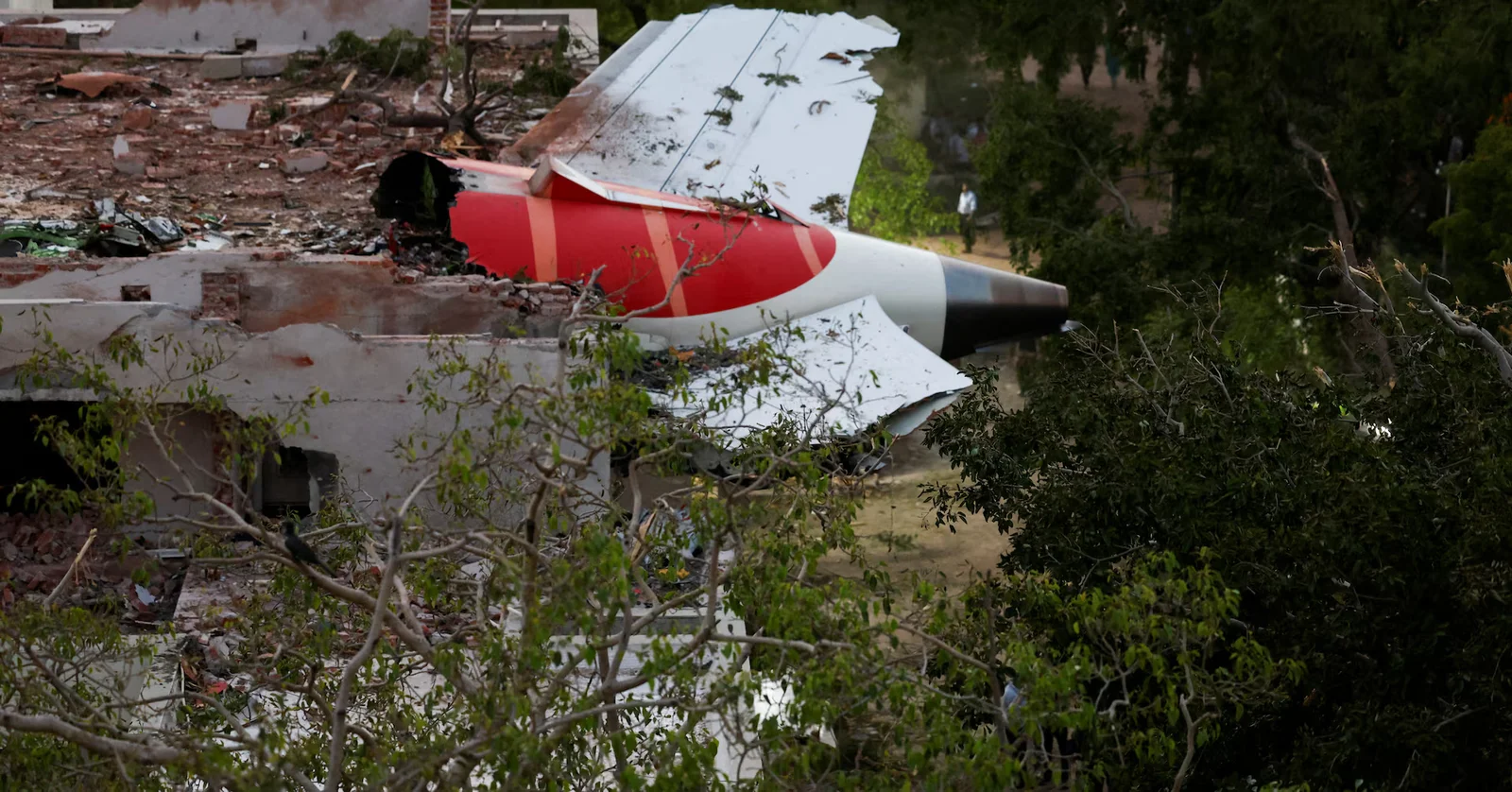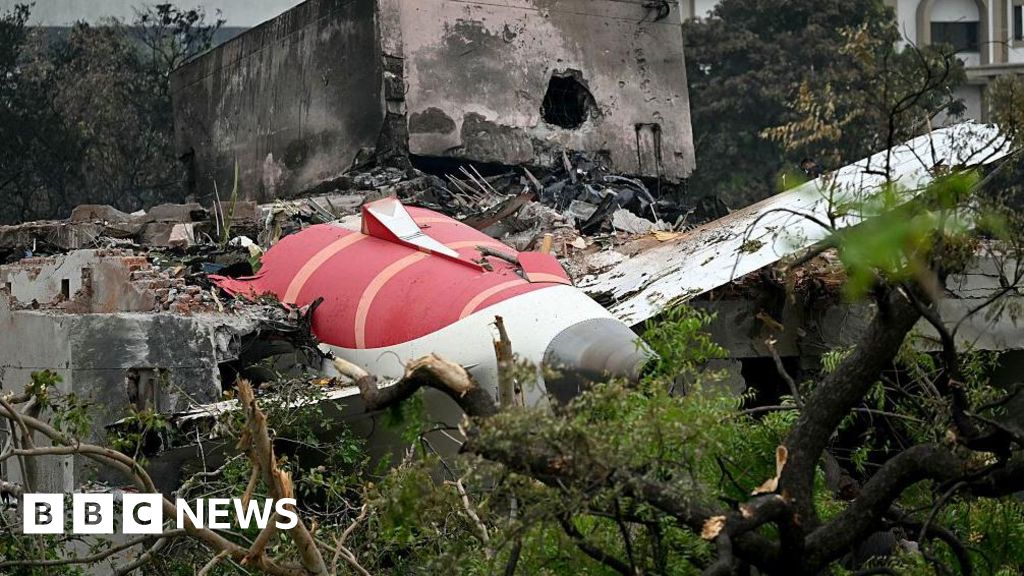
Families of victims from the June Air India Flight 171 crash, which killed 260 people, have filed a lawsuit in the US against Boeing and Honeywell, alleging negligence over faulty fuel switches that caused the crash, despite safety advisories and warnings. The lawsuit claims the companies knew of the risks but did nothing to prevent the accident.

Families of victims in the June Air India Boeing 787 crash have filed a lawsuit against Boeing and Honeywell, alleging that faulty fuel switches caused the accident, despite official reports suggesting otherwise. The lawsuit seeks damages for the deaths of 229 passengers and crew, highlighting concerns over aircraft maintenance and safety practices.
Families of victims from the June 2025 Air India crash have sued Boeing and Honeywell, alleging faulty fuel cutoff switches contributed to the accident, despite FAA reports suggesting otherwise. The lawsuit, filed in Delaware, seeks damages for the deaths of 260 people, and highlights concerns over maintenance and safety protocols, with experts debating the switches' role in the crash.
Air India reports no issues with fuel switches on its Boeing planes following a fatal crash, while investigations focus on pilot actions, with preliminary findings suggesting the fuel switches were turned off during flight, leading to the crash that killed 260 people. The investigation is ongoing, with no conclusive blame assigned yet.
A cockpit voice recording from Air India Flight 171 suggests the junior co-pilot questioned the captain about the fuel switches being off before the plane crashed, with investigations focusing on whether this was due to human error or system failure, amid ongoing inquiries into the cause of the June 12 disaster that killed 260 people.
The preliminary investigation into the Air India Flight 171 crash raises questions about the role of fuel cut-off switches and pilot actions, but lacks conclusive evidence and detailed transcripts, leading to ongoing speculation and criticism over transparency and missing information.
India's civil aviation authority has ordered inspections of Boeing 737 and 787 fuel switches following a crash linked to fuel supply issues, with investigations exploring whether hardware failure or pilot error caused the incident, which resulted in 260 fatalities.
India's aviation regulator has ordered airlines to inspect Boeing aircraft fuel switches following a crash investigation that suggests the fuel supply was cut shortly after takeoff, with theories ranging from pilot error to mechanical failure, but no definitive cause has been established yet.
The FAA has confirmed that Boeing's fuel switch modifications are safe following a fatal Air India crash, reassuring safety concerns related to the aircraft's fuel systems.
Families of the Air India crash victims are dissatisfied with the initial investigation report, which revealed that the plane's fuel switches were cut off immediately after takeoff, but did not clarify why or how. They seek transparency and accountability to prevent future tragedies, as the investigation continues with international cooperation and further examination of components. The crash resulted in 241 deaths on board and 19 on the ground, making it one of the deadliest in recent history.
The preliminary report on the Air India crash indicates that fuel control switches were moved to cutoff shortly after takeoff, causing engine failure, with pilot actions under scrutiny; no faults with the aircraft or engines have been identified yet.
A preliminary report on the June Air India crash is expected soon, focusing on the plane's fuel control switches, with investigations analyzing flight data and simulations to determine the cause, amid questions over information transparency and safety procedures.