Instacart will pay $60 million in refunds to settle FTC allegations of deceptive advertising and undisclosed fees, including false claims about free delivery and satisfaction guarantees, and will improve transparency in its subscription practices.
Instacart will pay $60 million in refunds after the FTC found it engaged in deceptive tactics, including false advertising of free delivery, hidden fees, and misleading subscription enrollment, leading to consumer harm. The company is required to cease these practices and improve transparency.
The attorneys general of D.C., Virginia, and Maryland, along with 18 other states and the FTC, are suing Uber for deceptive subscription practices with Uber One, alleging charges during free trials, false savings promises, and difficult cancellation processes, violating consumer protection laws.
The FTC, joined by 21 states and D.C., filed an amended lawsuit against Uber alleging deceptive billing and cancellation practices related to its Uber One subscription, including unauthorized charges, failure to deliver promised savings, and difficulty canceling, with a court case pending in California.
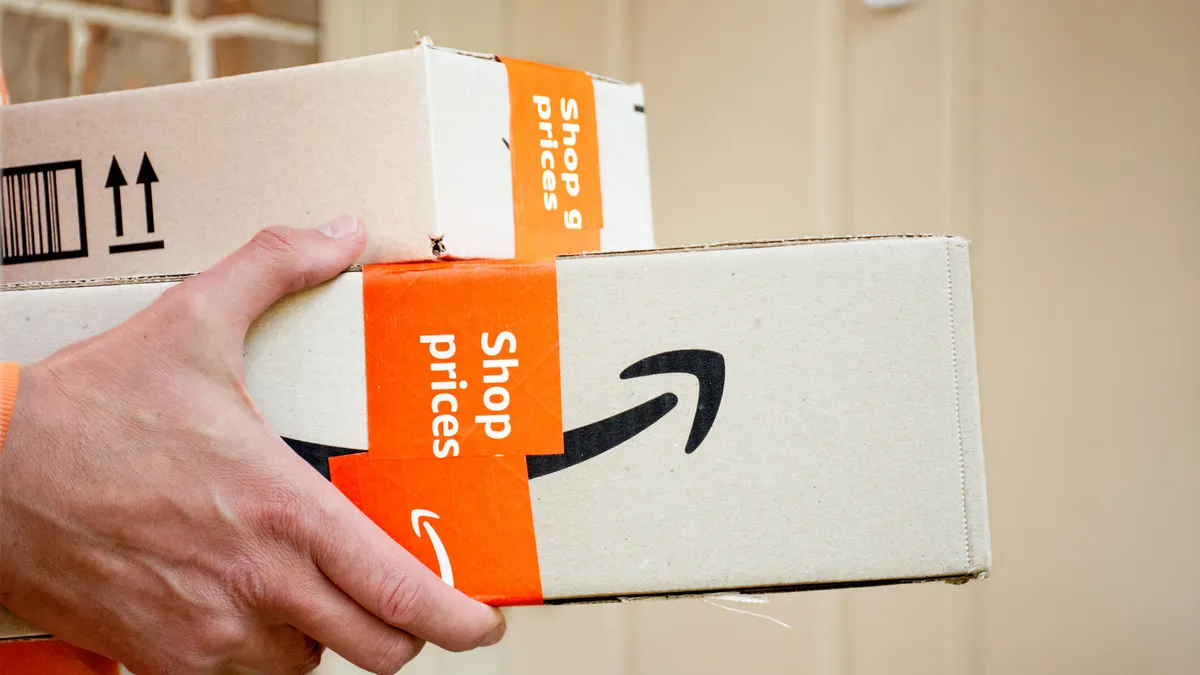
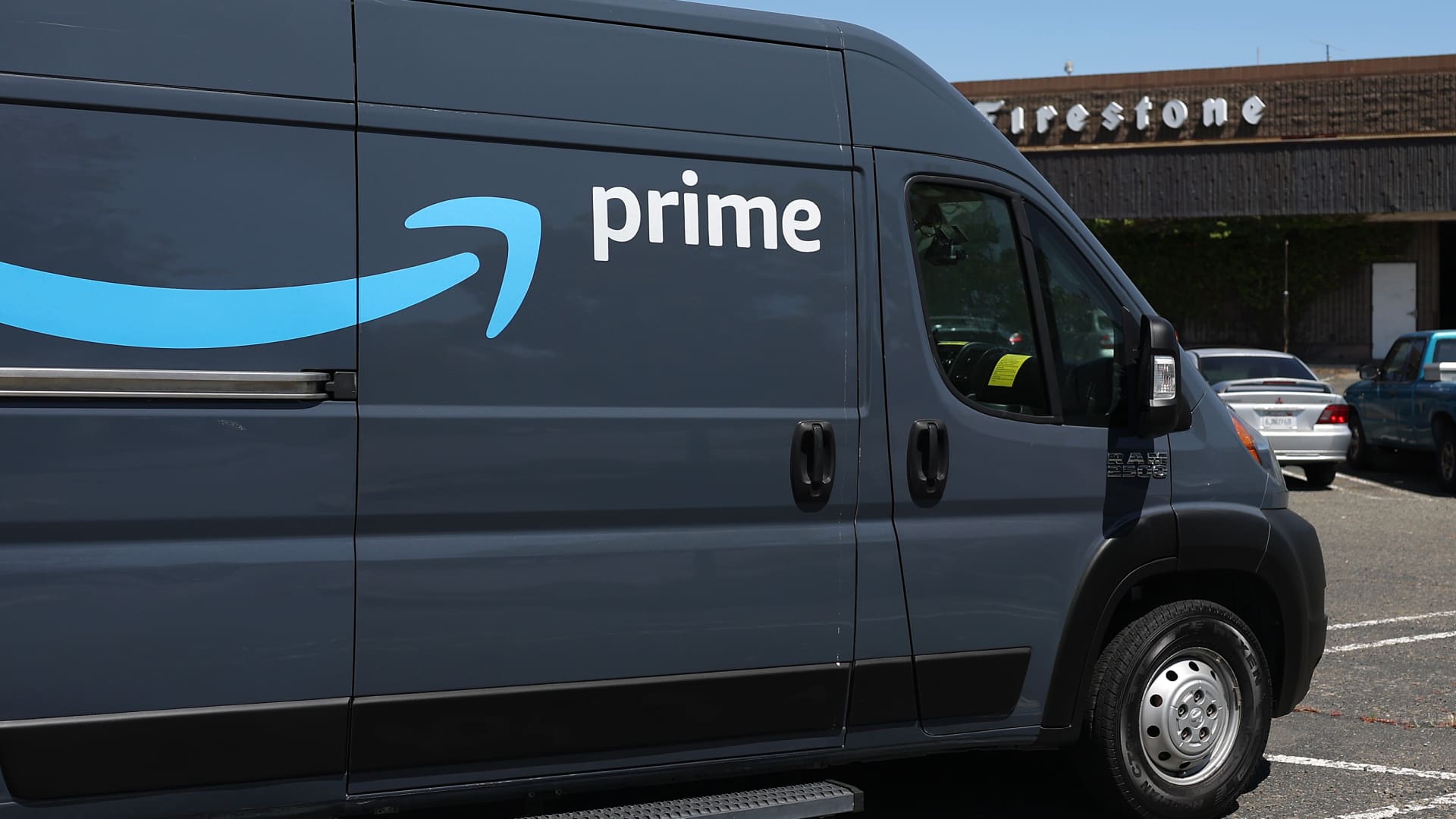
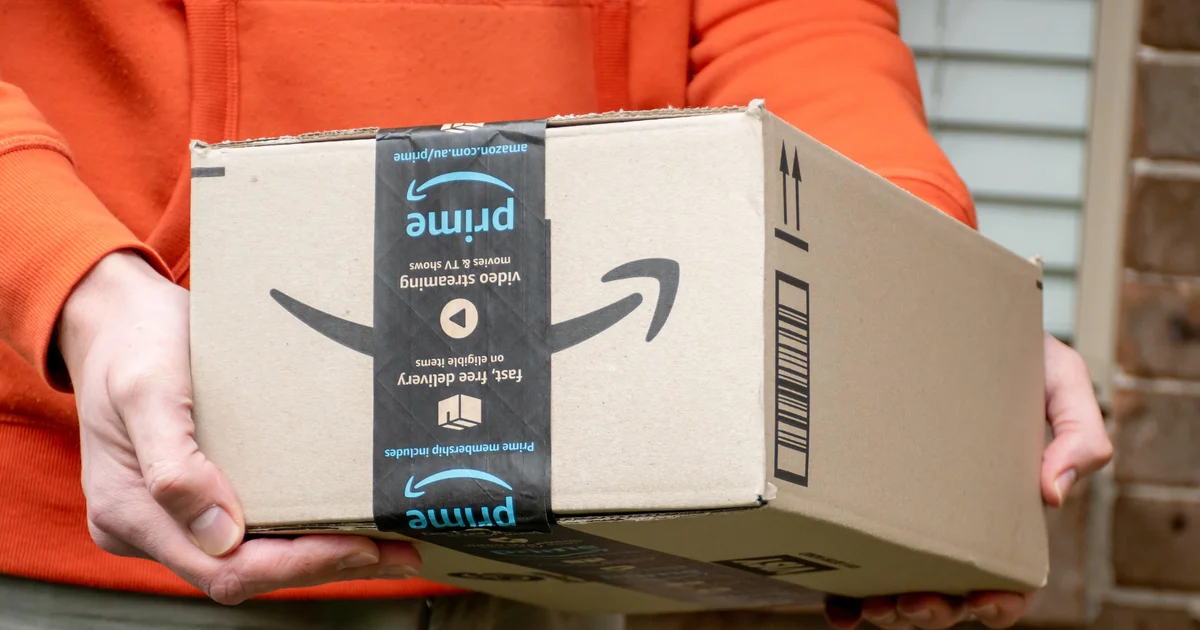
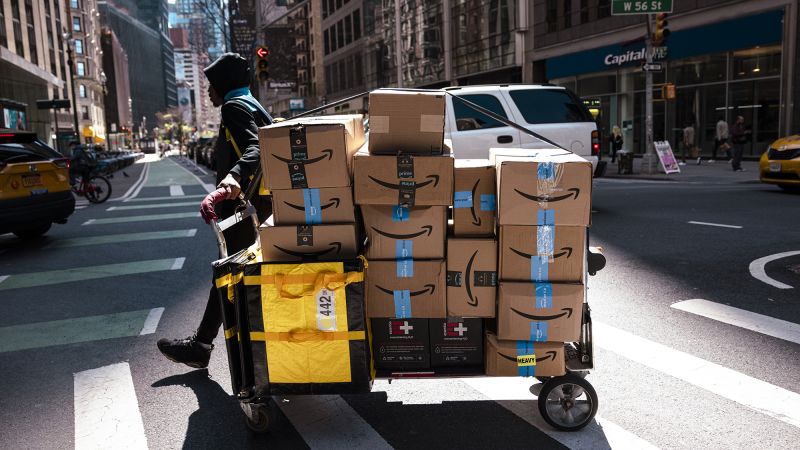
Amazon has settled with the FTC for $2.5 billion over deceptive Prime enrollment practices, with $1.5 billion allocated for refunds to affected customers who signed up through certain enrollment flows between 2019 and 2025. Eligible customers may receive automatic refunds up to $51 or submit claims for additional refunds, with further phases possible if funds remain.
Amazon has agreed to pay $2.5 billion to settle FTC allegations of using deceptive 'dark patterns' to trick customers into Prime subscriptions and making cancellations difficult. The settlement includes a fund for refunds to affected customers and mandates clearer cancellation options, as Amazon prepares for its Prime Big Deal Days event.
Amazon has agreed to pay a $2.5 billion settlement after the FTC accused it of deceptive practices in Prime subscriptions, including tricking customers into signing up for more expensive plans and making cancellations difficult. Customers affected since 2019 can receive up to $51 in refunds, and Amazon is required to improve transparency and ease of cancellation. The FTC's largest civil penalty involves Amazon's violations of consumer protection rules.
Amazon agreed to pay $2.5 billion in a settlement with the FTC over allegations of enrolling users in Prime without consent and making cancellations difficult, including refunds of up to $51 for eligible members, while denying wrongdoing.
Amazon has agreed to pay $2.5 billion in a settlement with the FTC over deceptive Prime enrollment and cancellation practices, including a $1 billion civil penalty and $1.5 billion in refunds to affected consumers, with new requirements for clearer subscription disclosures and easier cancellation processes.
Amazon has agreed to pay $2.5 billion to settle a U.S. lawsuit alleging it used manipulative web designs to trick customers into Prime subscriptions and make cancellations difficult, with refunds available for affected users and changes to subscription display practices. The case is part of ongoing antitrust scrutiny, including a larger lawsuit expected in 2027, with Amazon denying wrongdoing.
Amazon has agreed to pay $2.5 billion to settle FTC allegations of deceptive Prime membership practices, including misleading enrollment and cancellation processes, with the company also required to improve transparency and obtain explicit consumer consent.
Amazon is facing a court trial in Seattle over allegations by the FTC that it misled customers into signing up for Prime memberships and made cancellations difficult, with the case expected to last up to four weeks and a jury to decide the outcome.
The FTC is suing Amazon over alleged deceptive practices in its Prime subscription sign-up and cancellation processes, claiming Amazon used manipulative interfaces to trick consumers into enrolling and made cancellations difficult. The trial, starting this week, will determine if Amazon violated laws, with the company defending its actions. Amazon has since made changes to its cancellation process.
The FTC and several states sued Ticketmaster and Live Nation for illegal ticket resale tactics, deceptive pricing, and allowing brokers to bypass ticket limits, leading to higher costs for consumers and violating consumer protection laws.
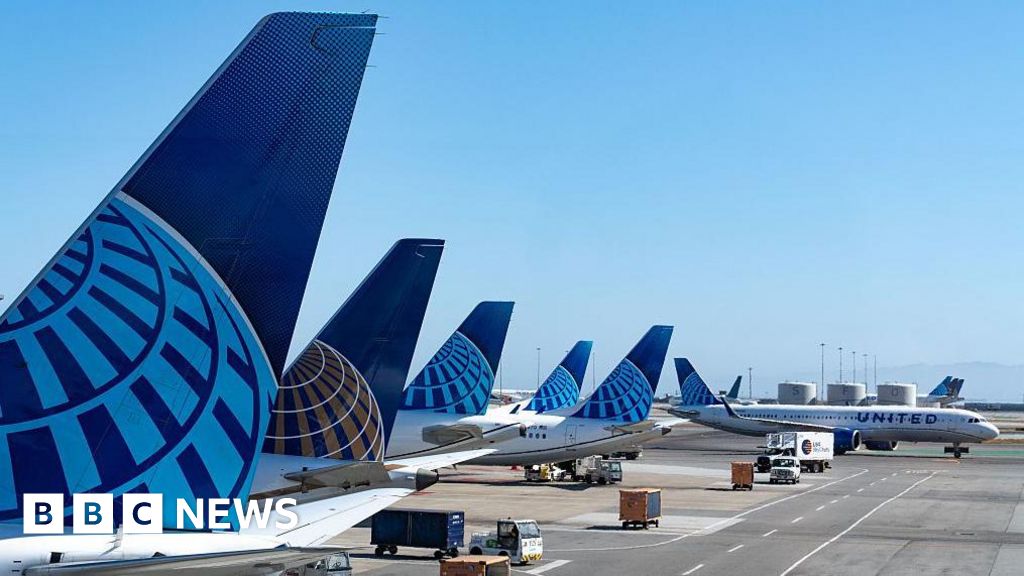
Delta and United Airlines are sued for charging extra for window seats that are actually windowless, with passengers claiming they were misled as the seats were not disclosed during booking. The lawsuits seek refunds and damages, highlighting concerns over deceptive practices in airline seat sales.