
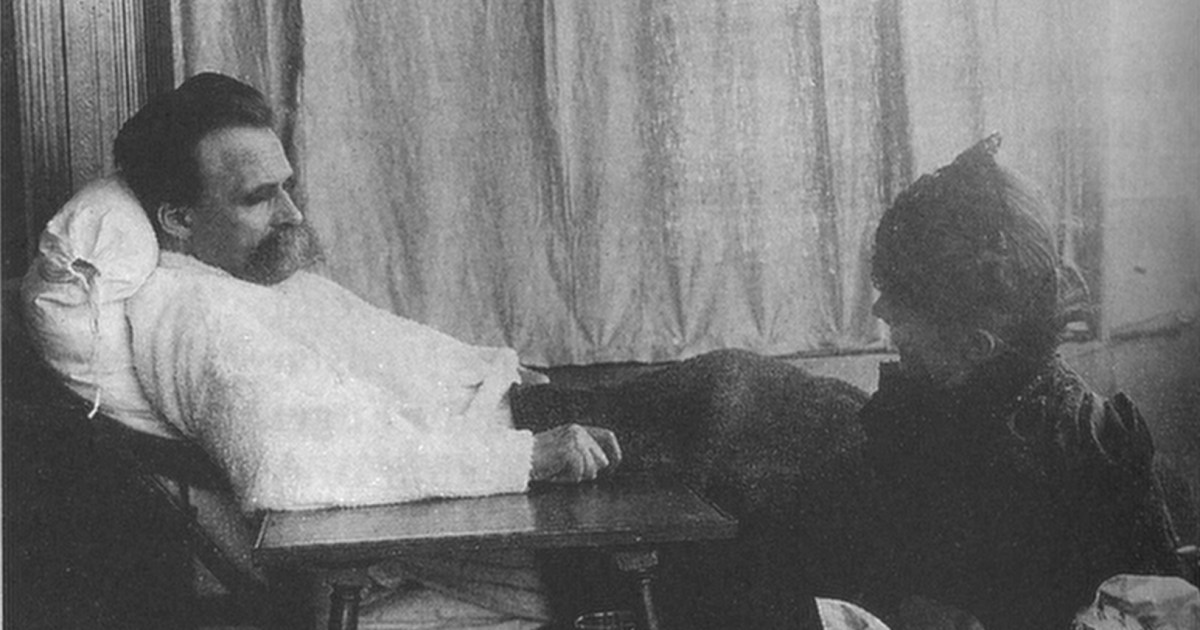
"The Madness of Friedrich Nietzsche: Unraveling the Mystery Behind His Insanity"
The mental breakdown of philosopher Friedrich Nietzsche, which led to his partial paralysis and early death, has been a subject of fascination. While the exact cause of his breakdown remains uncertain, Nietzsche had a history of physical and psychological illness, including migraines and dysentery. Some doctors diagnosed him with syphilis, while others proposed a brain tumor. Nietzsche's chronic pain, lack of success, and social isolation also contributed to his stress. Although there is a correlation between creativity and mental illness, it is incorrect to assume that mental disorders enhance creativity. In fact, they often hinder productivity. One hypothesis suggests that Nietzsche's intense intellectual and emotional energy overstimulated his nervous system, leading to his breakdown. Additionally, Nietzsche's philosophy emphasized the role of suffering in personal development, and he believed that pain could lead to self-actualization. Ultimately, Nietzsche's breakdown resulted in a loss of self-awareness rather than a loss of awareness of his surroundings.