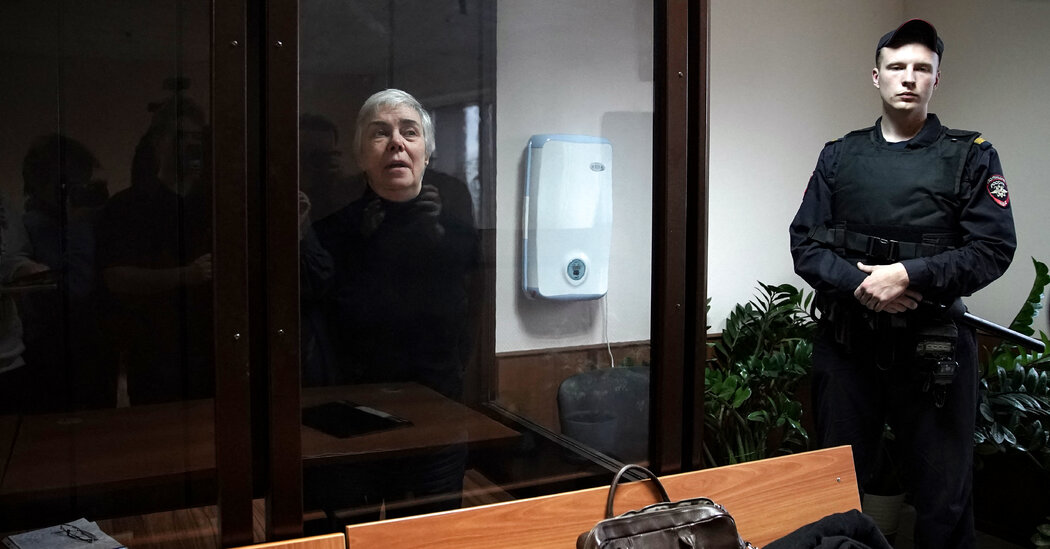
A Russian doctor has been jailed following accusations of holding an antiwar stance, which were supported by testimony from a child. This case highlights ongoing tensions in Russia regarding freedom of speech and dissent against the government's stance on war.
The article explores the potential impact of films on presidential elections, focusing on the controversy surrounding "The Apprentice," a film about Donald Trump's early career, released before the 2024 election. Despite Trump's claims that the film is a political attack, historical examples suggest that movies rarely sway election outcomes significantly. Filmmakers often aim to influence public discourse rather than directly affect voting, as seen in past politically charged films like "Fahrenheit 9/11" and "Borat Subsequent Moviefilm."
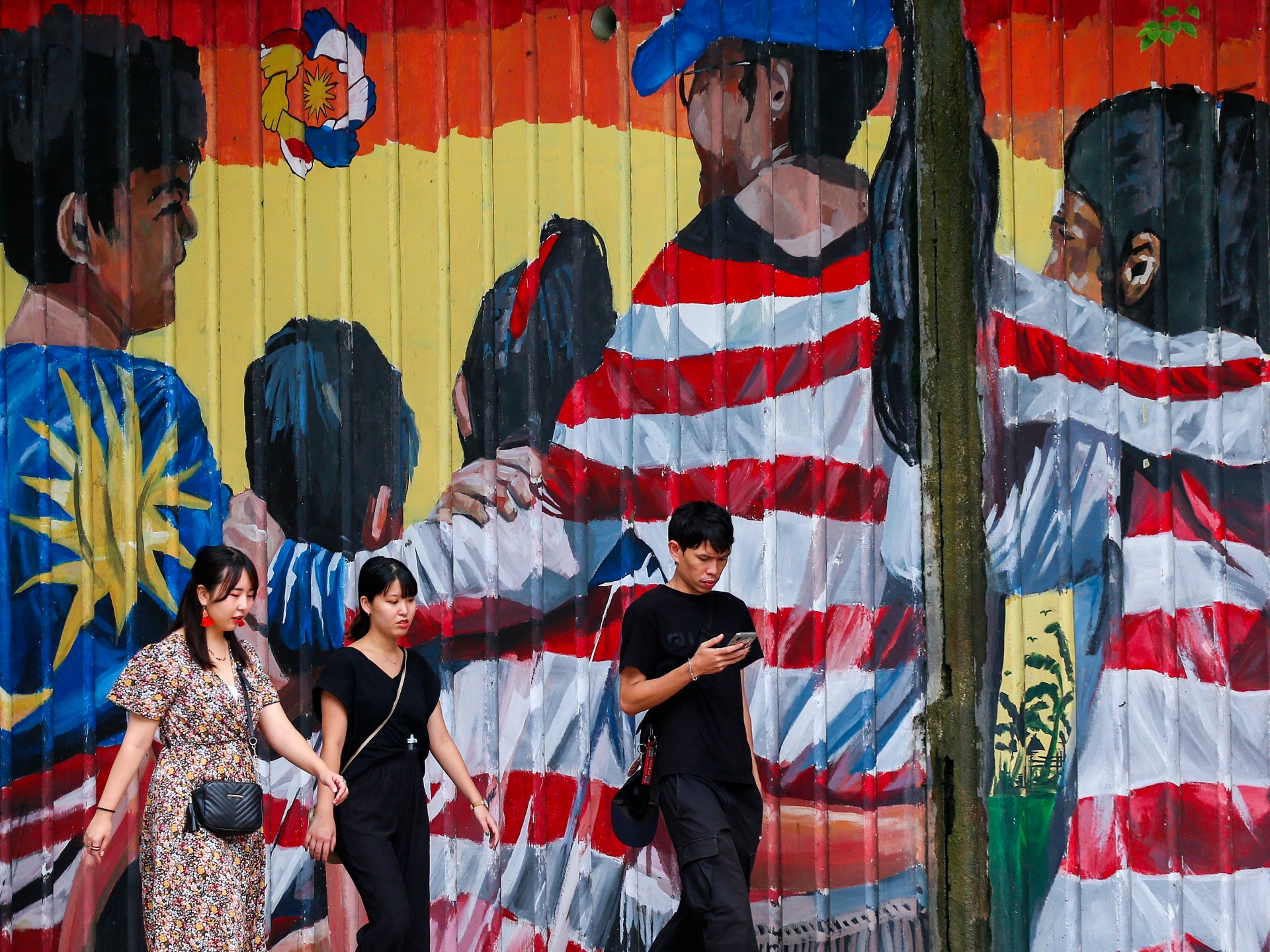
Two Malaysian filmmakers have been charged with "wounding the religious feelings of others" for their now-banned independent film "Mentega Terbang," which explores a Malay Muslim teenage girl's exploration of religion while her mother battles a terminal illness. The charge carries a potential jail term of one year and a fine. The government banned the film in September following criticism from conservative Muslim groups, prompting the filmmakers to plead not guilty and file a legal challenge against the ban. Human Rights Watch has criticized the prosecution as a violation of freedom of expression and urged the government to lift the ban on the film.
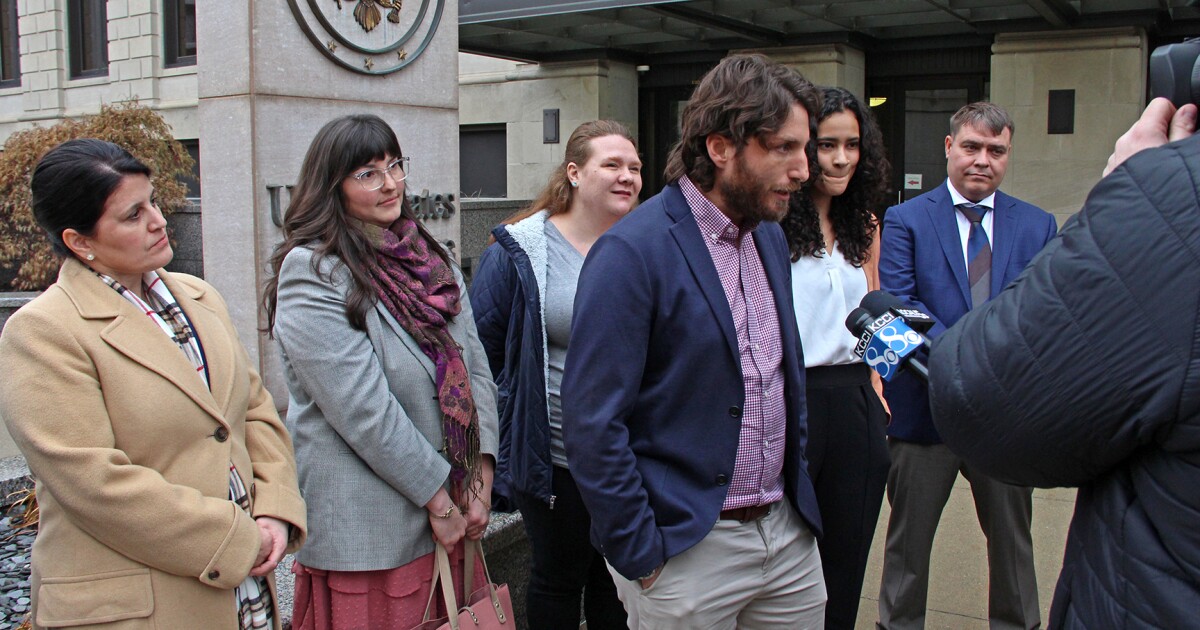
A federal judge has issued a temporary injunction against Iowa's education law, SF 496, which banned books with sexually explicit content and barred instruction on sexual orientation and gender identity in elementary schools. The judge ruled that these provisions likely violate the First Amendment and are too vague, respectively. The law, which was set to take effect on January 1, has been criticized for its broad censorship and potential discrimination against LGBTQ students. While the injunction provides relief to educators and publishers, a portion of the law requiring parental notification for students' name or pronoun changes remains in effect. The legal battle continues as the state expresses disappointment and plaintiffs celebrate the protection of free speech and inclusion for LGBTQ students.
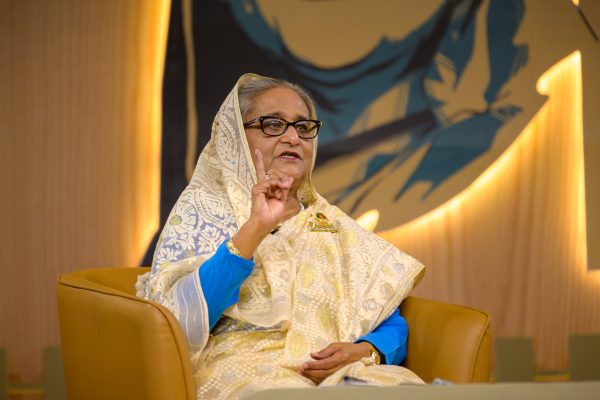
Bangladesh is exhibiting signs of a shift towards totalitarianism, with the ruling Awami League (AL) party tightening its grip on power ahead of flawed elections. The cancellation of a university discussion on national curriculum changes and the criminalization of criticism against Prime Minister Sheikh Hasina and her father indicate a suppression of dissent. The state is also prescribing behaviors, such as mandatory participation in competitions glorifying Sheikh Mujibur Rahman and chanting the party slogan in schools. The arrest of a journalist for reporting on economic issues further demonstrates the regime's control over information. Civicus has downgraded Bangladesh's civic space rating to "closed," and there are concerns that the country may become a full-fledged totalitarian state post-elections.