The UK's Spending Review impacts various aspects of daily life, including potential job changes in the public sector, extended free school meals for children in low-income families, increased funding for local community projects with likely council tax rises, continued bus fare caps, and investments in energy and affordable housing, all of which could influence household finances and local services.
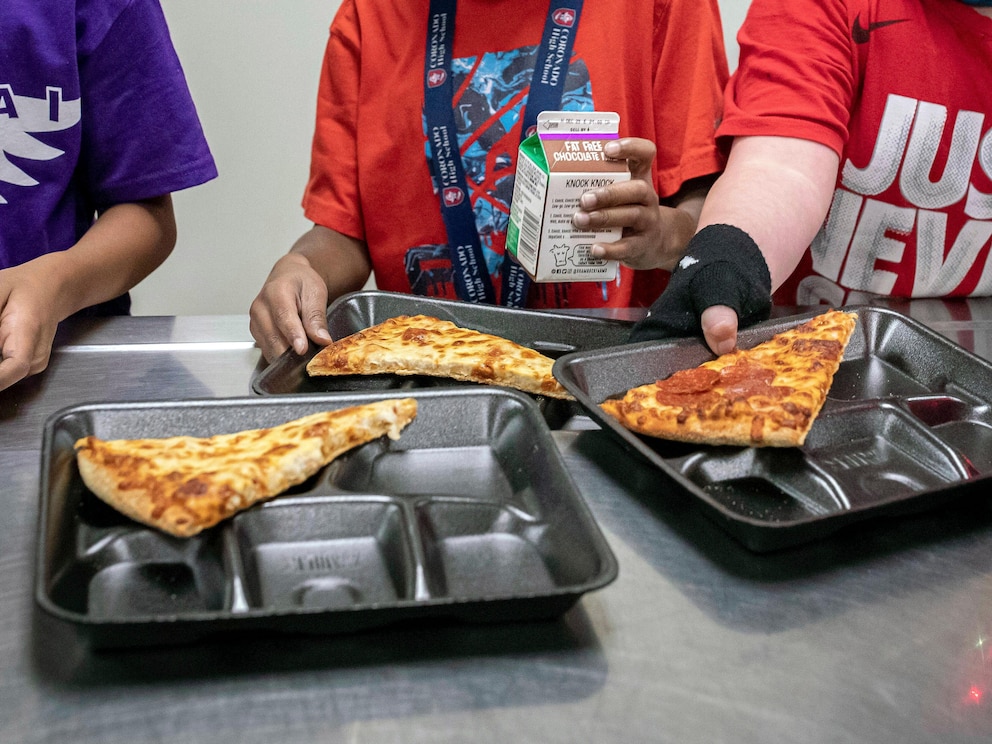
The U.S. Department of Agriculture has announced a rule change that will make millions of additional students in schools serving low-income communities eligible to receive free breakfast and lunch. Under the new rule, schools where 25% of families participate in income-based public benefits will have the federal government cover the cost of free meals for all enrolled students, compared to the previous threshold of 40%. This change will expand access to universal meals through the Community Eligibility Provision, reducing administrative burdens and ensuring children don't go hungry. Advocates argue that the federal poverty guidelines for free meals are outdated and fail to account for families living paycheck to paycheck. The rule change is seen as a step toward fulfilling the promise of healthy school meals for all.
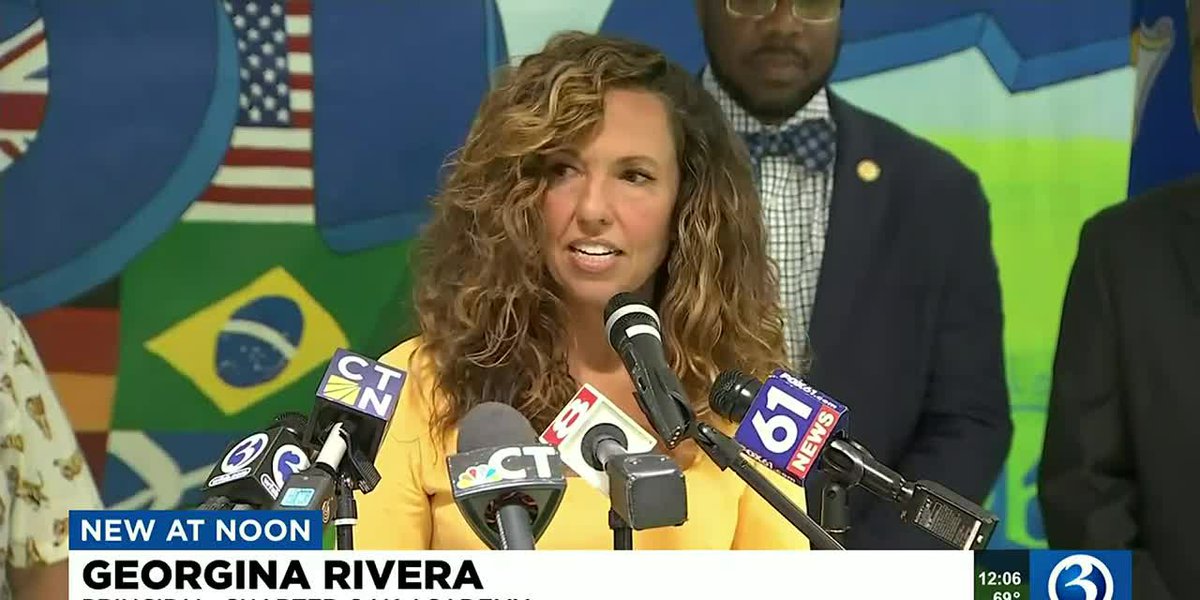
Connecticut's free school meals program will be expanded for the 2023-2024 academic year, with all students in non-Community Eligibility Provision schools participating in the federal School Breakfast Program able to receive breakfast meals at no cost, and students eligible for reduced-price meals in non-CEP schools participating in the federal National School Lunch Program able to receive lunch at no cost. The state will invest $16 million from the American Rescue Plan Act into the program, benefiting an estimated 177,243 eligible students for breakfast and 13,197 eligible students for lunch. The initiative aims to ensure that students have access to nutritious meals, fostering learning and academic success.
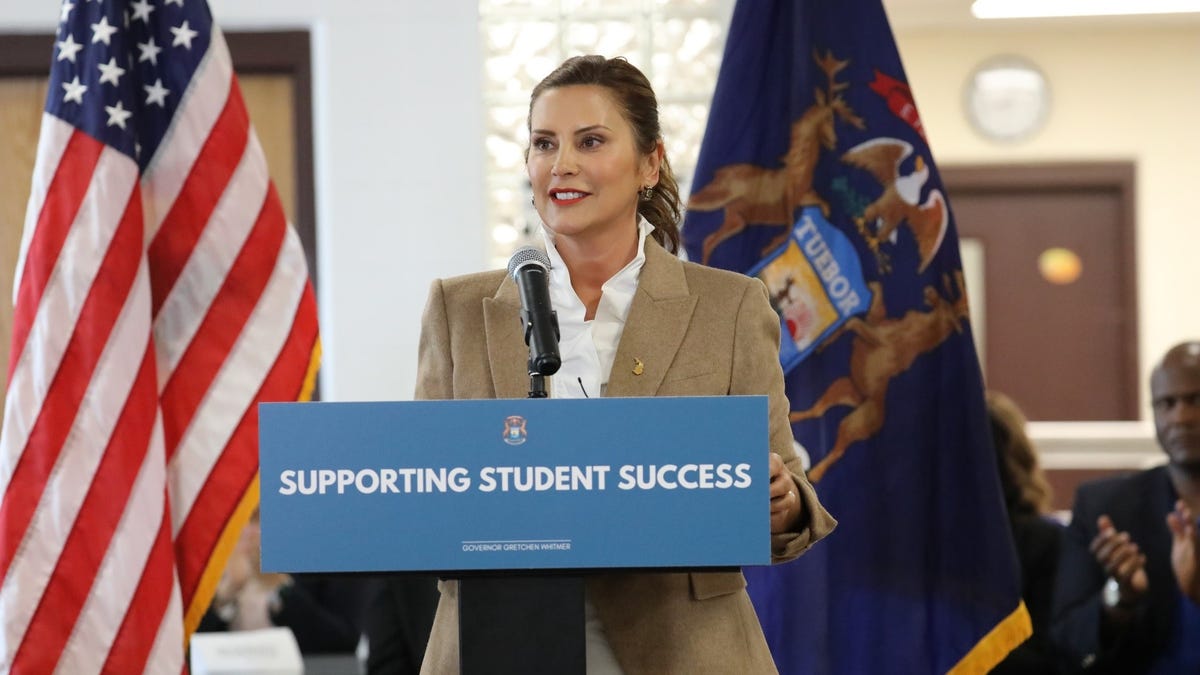
Gov. Gretchen Whitmer signed a $24.3 billion education budget for Michigan that increases per-pupil spending, provides free school meals, and expands access to the state-funded preschool program. The budget includes a 5% increase in the foundation allowance, making it the highest per-pupil funding in state history. It also allocates $160 million for free breakfast and lunch for PreK-12 students, expands eligibility for the preschool program, and includes funding for students' mental health, school safety, and teacher training. The budget passed with support from both Democrats and some Republicans.
Minnesota Governor Tim Walz has signed a bill into law that will provide free school meals to all students in the state, regardless of their family's income. The move is aimed at addressing food insecurity among children and ensuring they receive proper nutrition. The program is expected to benefit around 350,000 students in Minnesota.