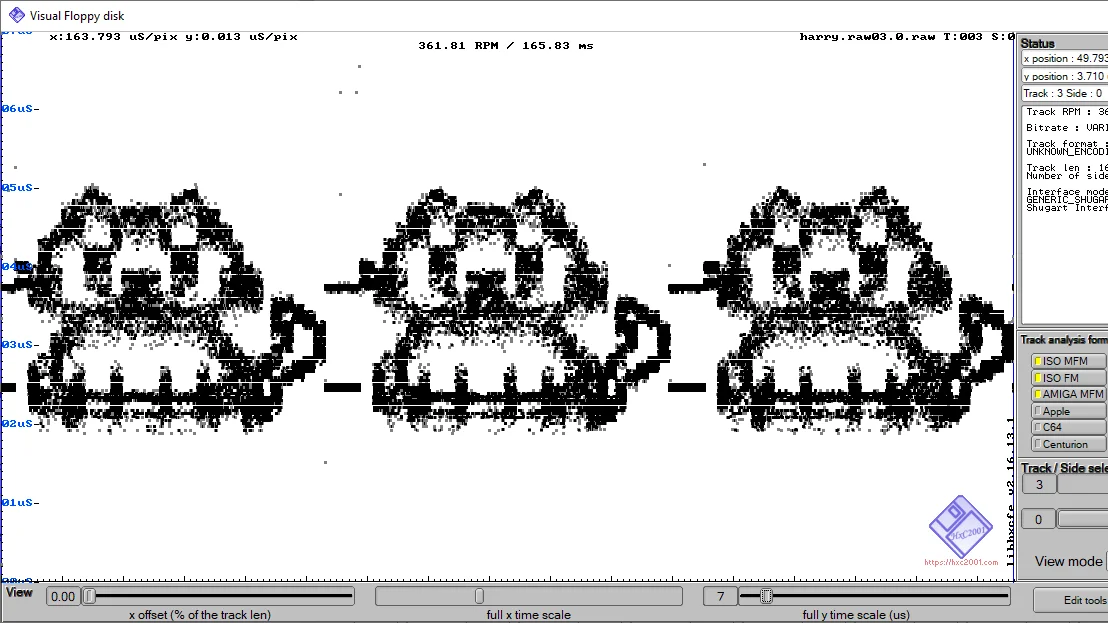
A developer created a tool called pbm2track that encodes bitmap images onto floppy disks by using track timing diagrams, allowing pixel art to be printed and viewed on floppy disks, blending vintage hardware with modern image encoding techniques.
Cambridge University Library is working to rescue valuable historical data stored on old floppy disks, including materials from Stephen Hawking, amid concerns that digital data from the past 50 years could be lost due to degradation and obsolete technology, risking a 'digital dark age.'
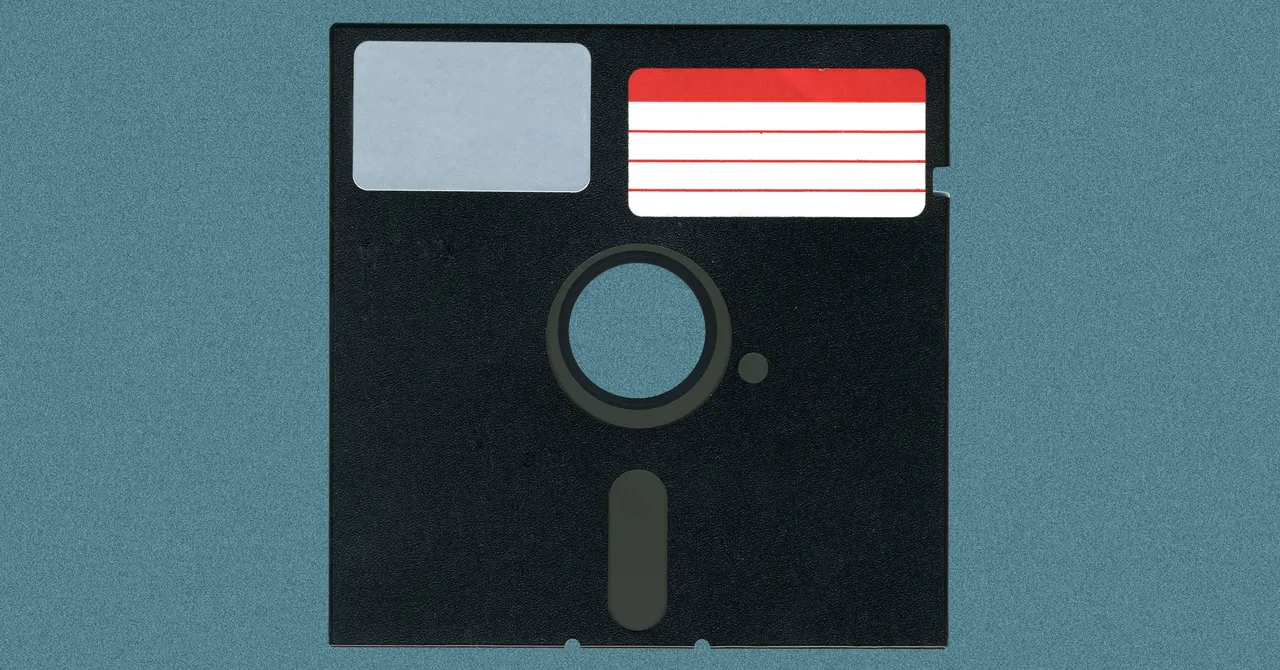
The San Francisco Municipal Transportation Agency's Muni Metro light rail system still relies on 5¼-inch floppy disks for its Automatic Train Control System (ATCS), which was installed in 1998. Despite plans to upgrade the system and move away from floppy disks, the SFMTA expects the process to take several more years and cost hundreds of millions of dollars. While the system is currently functional, the agency acknowledges the increasing risk of data degradation and the challenges of maintaining the outdated technology, with plans to have a new train control system in place by 2029 to 2030.
The Japanese government has amended 34 ordinances to no longer require the use of floppy disks and CD-ROMs for various submissions, marking a significant shift away from obsolete physical media formats. This move comes after years of reliance on outdated technology, with the government aiming to support online submissions and cloud data storage. Despite resistance from some government bodies, the amendments reflect Japan's efforts to modernize its administrative processes and reduce reliance on analog tech.
Japan's Ministry of Economy, Trade and Industry (METI) will no longer require businesses to submit data on floppy disks for certain official documents, following a push from Minister of Digital Affairs Taro Kono to modernize bureaucratic procedures. This move comes as a response to the difficulty in obtaining floppy disks and the limited storage capacity they offer, with the aim of phasing out the use of outdated physical media across various government departments and industries.