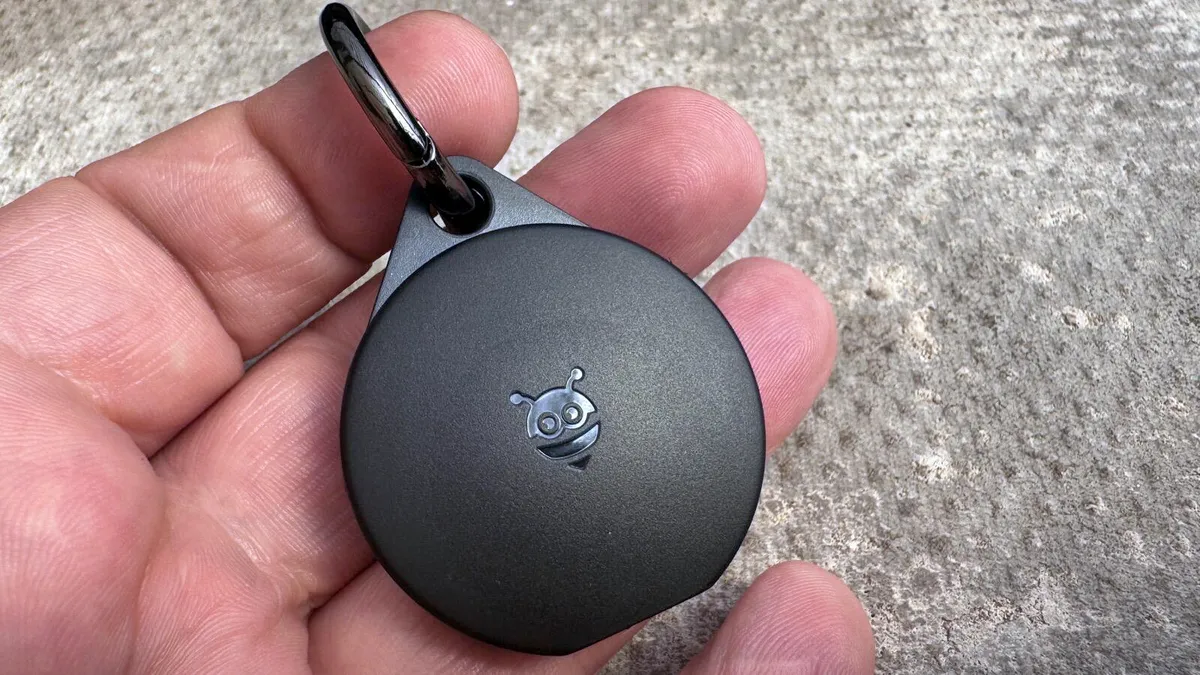
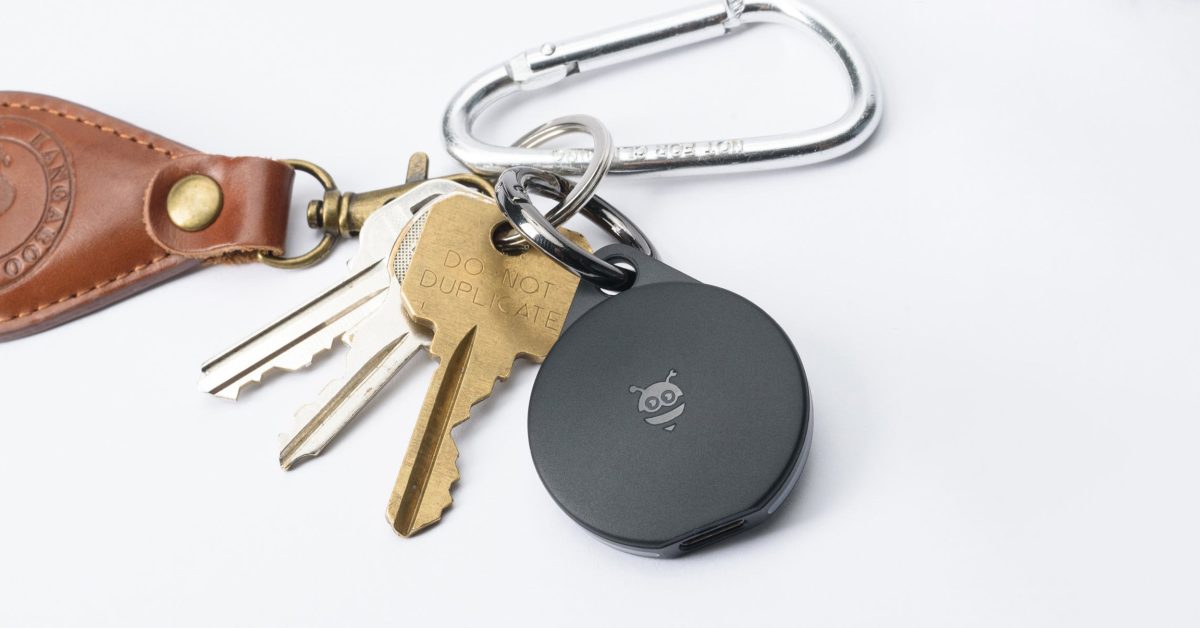
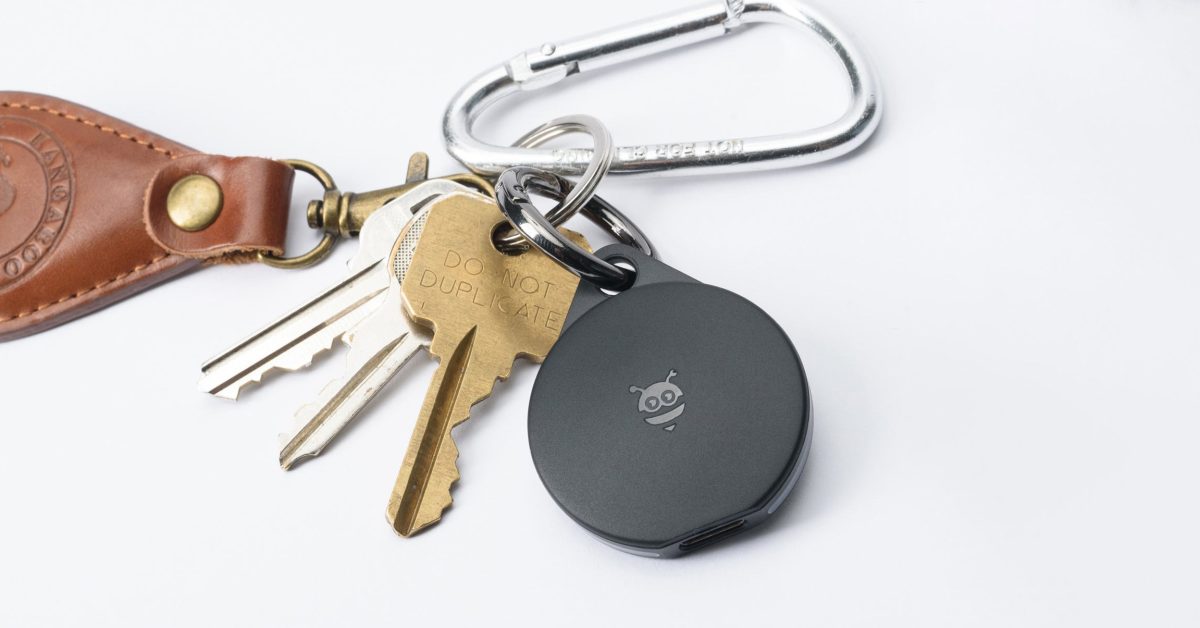
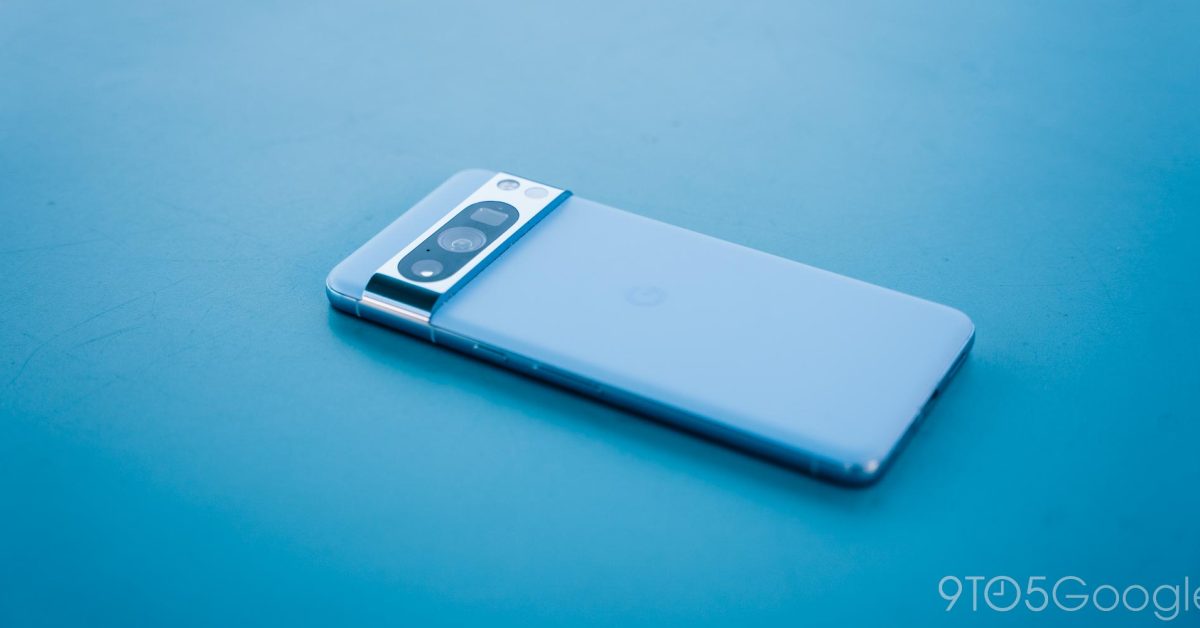
The Pebblebee Clip Bluetooth tracker offers a rechargeable battery, LED light, and cross-platform support for both Google and Apple find my networks, making it a versatile alternative to AirTags for Android and iOS users, with a price of $28 during a Memorial Day sale.
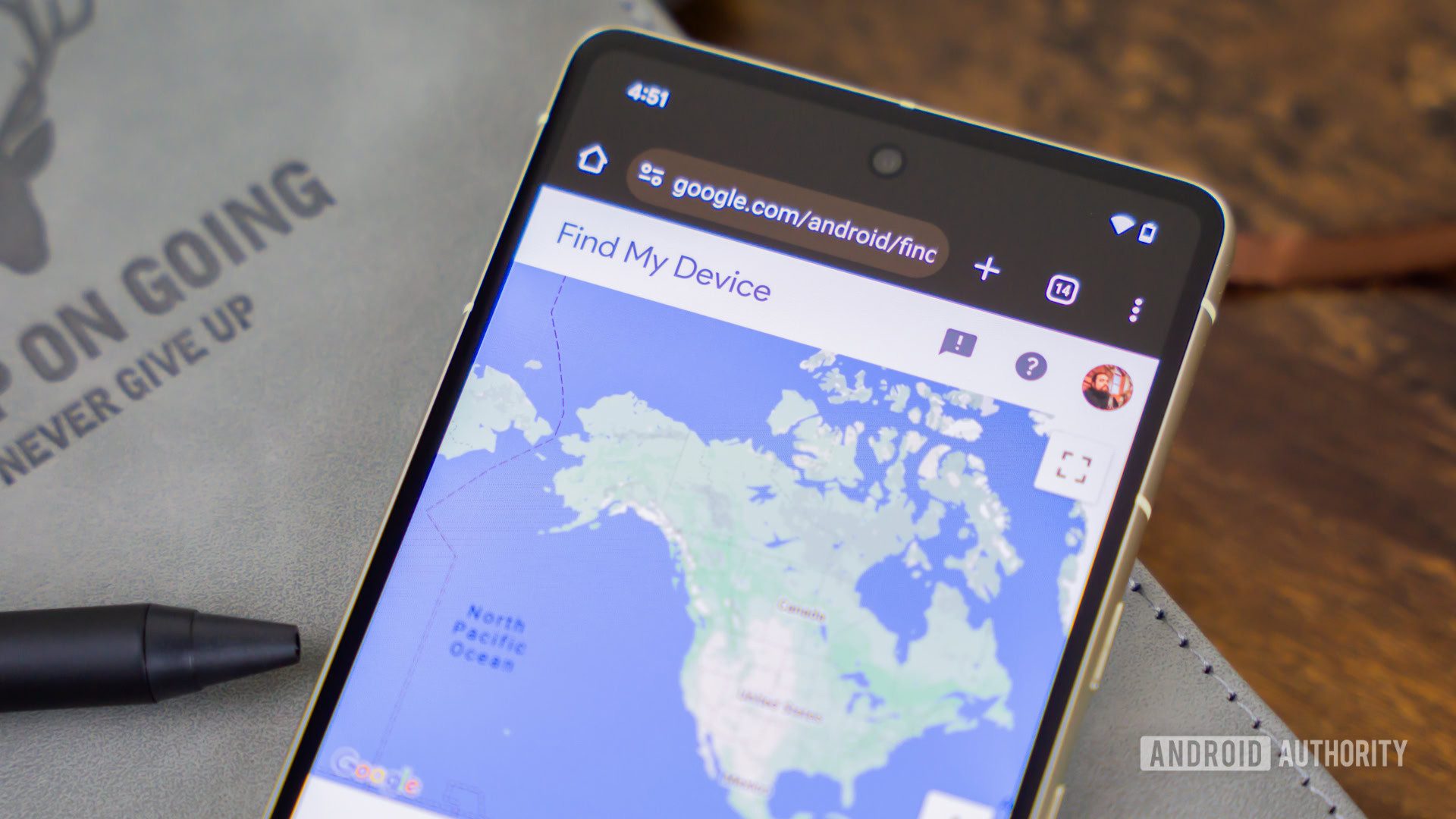
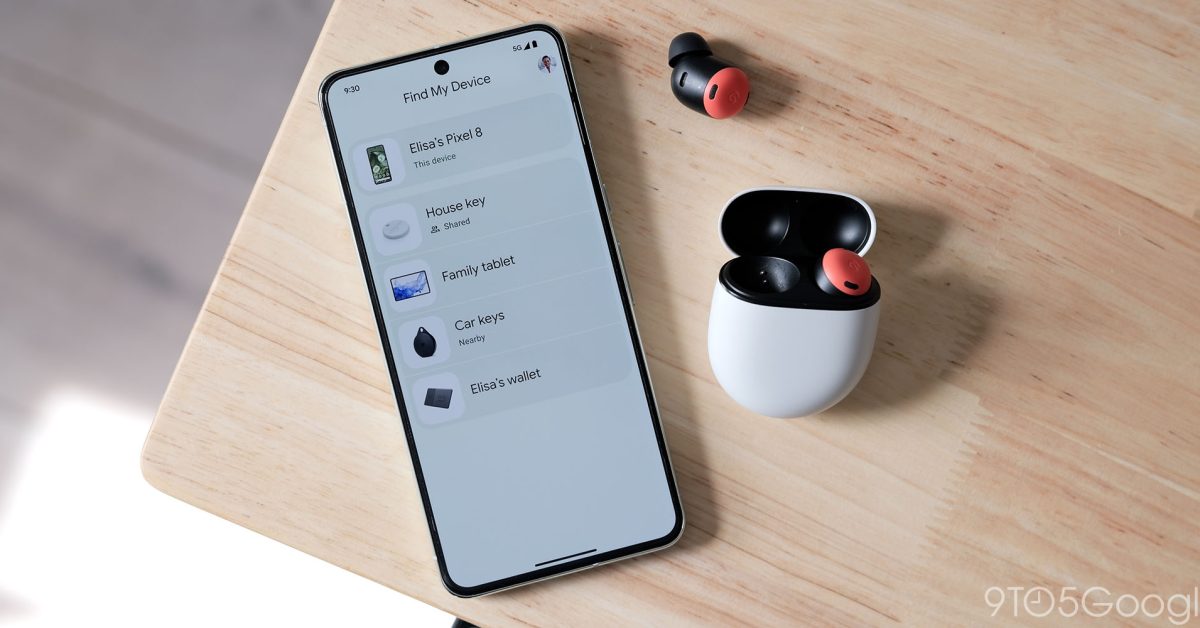
Google has updated the Find My Device app to allow users to track devices with supervised or family accounts, although marking these devices as lost is not yet supported.
Google's Find My Device app is preparing to support AR and UWB for enhanced directional tracking of devices. The latest app update includes code references to AR Core and UWB, suggesting future features like an AR overlay for finding nearby trackers and improved location history. These updates are not yet live, but indicate potential upcoming functionalities.
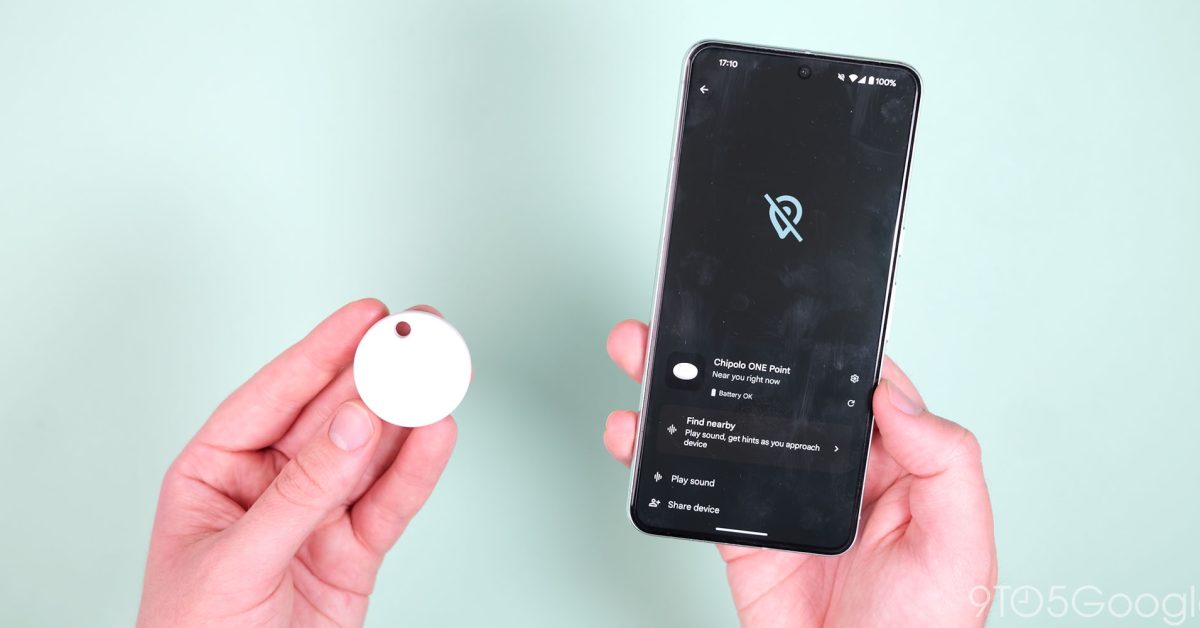
Google's Find My Device network will now automatically activate on supported trackers during the initial setup phase, even if the network hasn't been previously activated on your account. This ensures that new trackers, like those from Chipolo, can be integrated and used immediately, alleviating concerns for users still waiting for the network rollout.
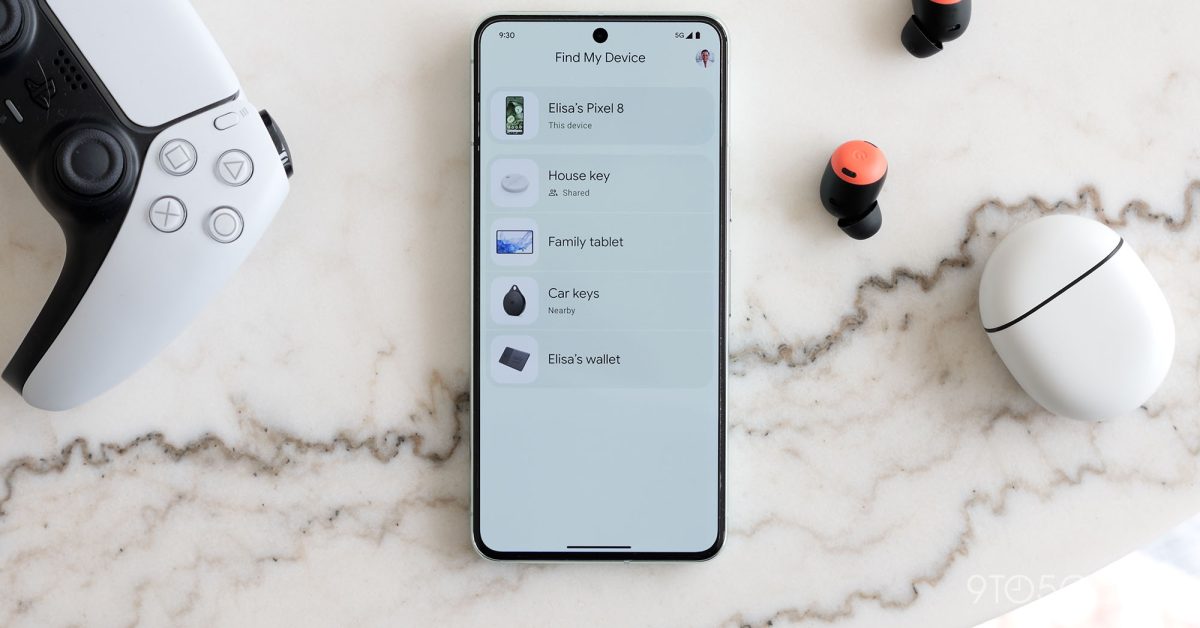
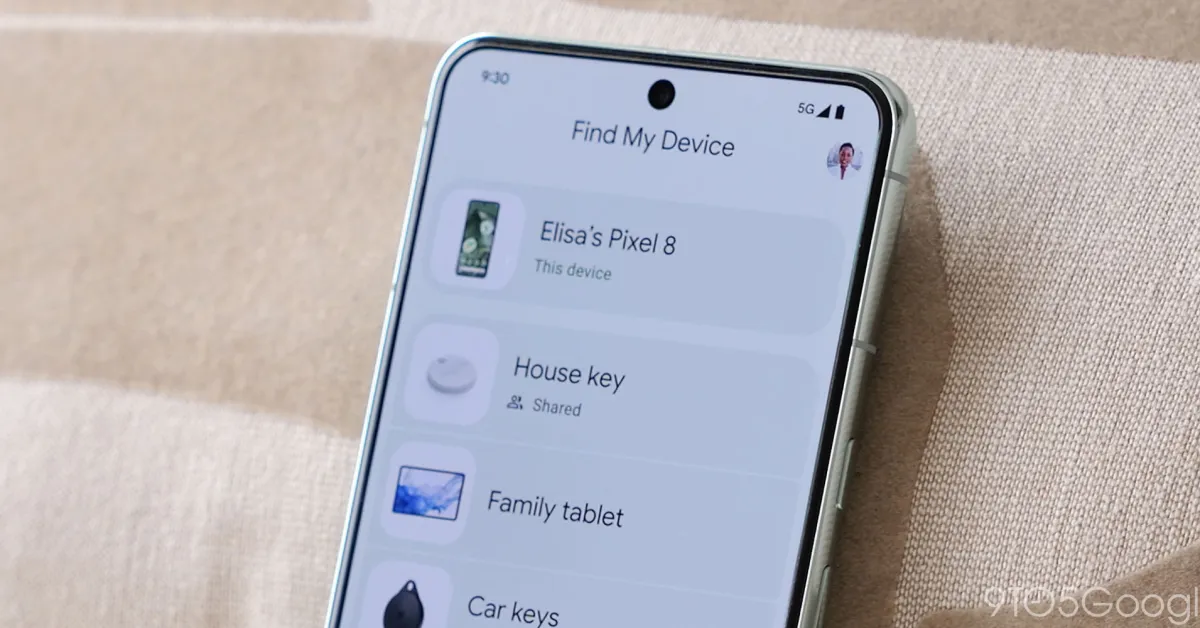
Google's Find My Device network now allows users to share trackers with trusted individuals, enabling them to locate devices through a vast network of Android phones. To share a tracker, users need to access the Find My Device app, generate a sharing link, and send it to the intended recipient, who can then accept and follow prompts to access the tracker's location data. Both parties must ensure their devices are connected to the Find My Device network.
The Find My Device app on Android may soon support biometric unlock, making it easier and more secure to access. This update, likely delivered via Google Play Services, aligns with Google's ongoing enhancements to device security features, including the upcoming "Remote Lock" menu.
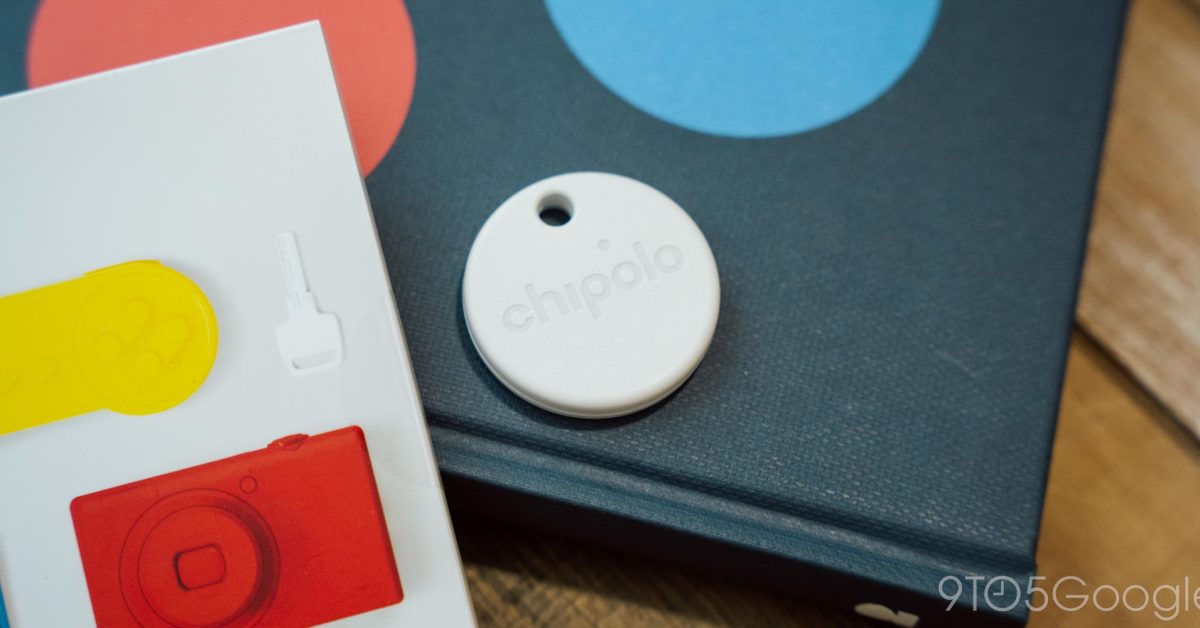
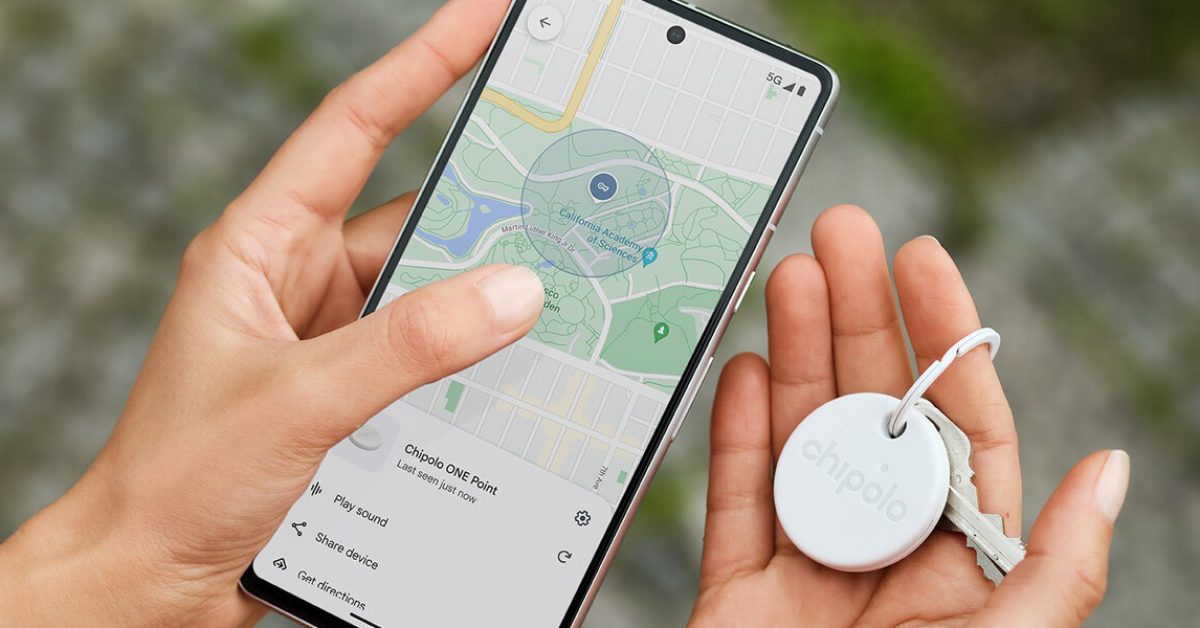
Chipolo has launched its One Point and Card Point trackers compatible with Android's new Find My Device network. The setup process is straightforward using Fast Pair, although some users may experience delays. Once set up, the trackers can be used to locate items, play sounds, and share tracking with others. The One Point has a replaceable battery, while the Card Point offers a discount for replacement after two years. Both devices come with a 2-year warranty and are available for pre-order starting at $28.
Chipolo's One Point and Card Point trackers for Android's Find My Device network are shipping for pre-orders starting today, May 27. Orders made before this week will ship starting June 10, while new orders will ship in July. The company has updated its website to reflect these shipping schedules.
Google's Find My Device app will soon support biometric logins, making it easier and more secure to manage Android devices and trackers. This feature, currently in testing, aims to streamline the sign-in process and enhance security by requiring biometric authentication instead of frequent password entries. Additionally, a new Remote Lock feature will allow users to lock their devices using just their phone number and a security challenge, set to roll out later this year.
The first Android Find My Device trackers from Chipolo and Pebblebee are starting to ship to customers, following a delay due to waiting for Apple to implement unwanted tracker alerts in iOS. Pebblebee has begun shipping some orders early, with more expected to follow by May 27, while Chipolo will start shipping pre-orders on the same date but most deliveries will extend into June.
Pebblebee's "for Android" trackers, compatible with the Find My Device network on Android, will start shipping on May 27, following the network's recent rollout. Pre-orders for the Tag, Card, and Clip models are still available, with prices starting at $29.99. The trackers will be available on the Google Store and other retailers later this year, and they can be used with both Android and Apple's finder networks.
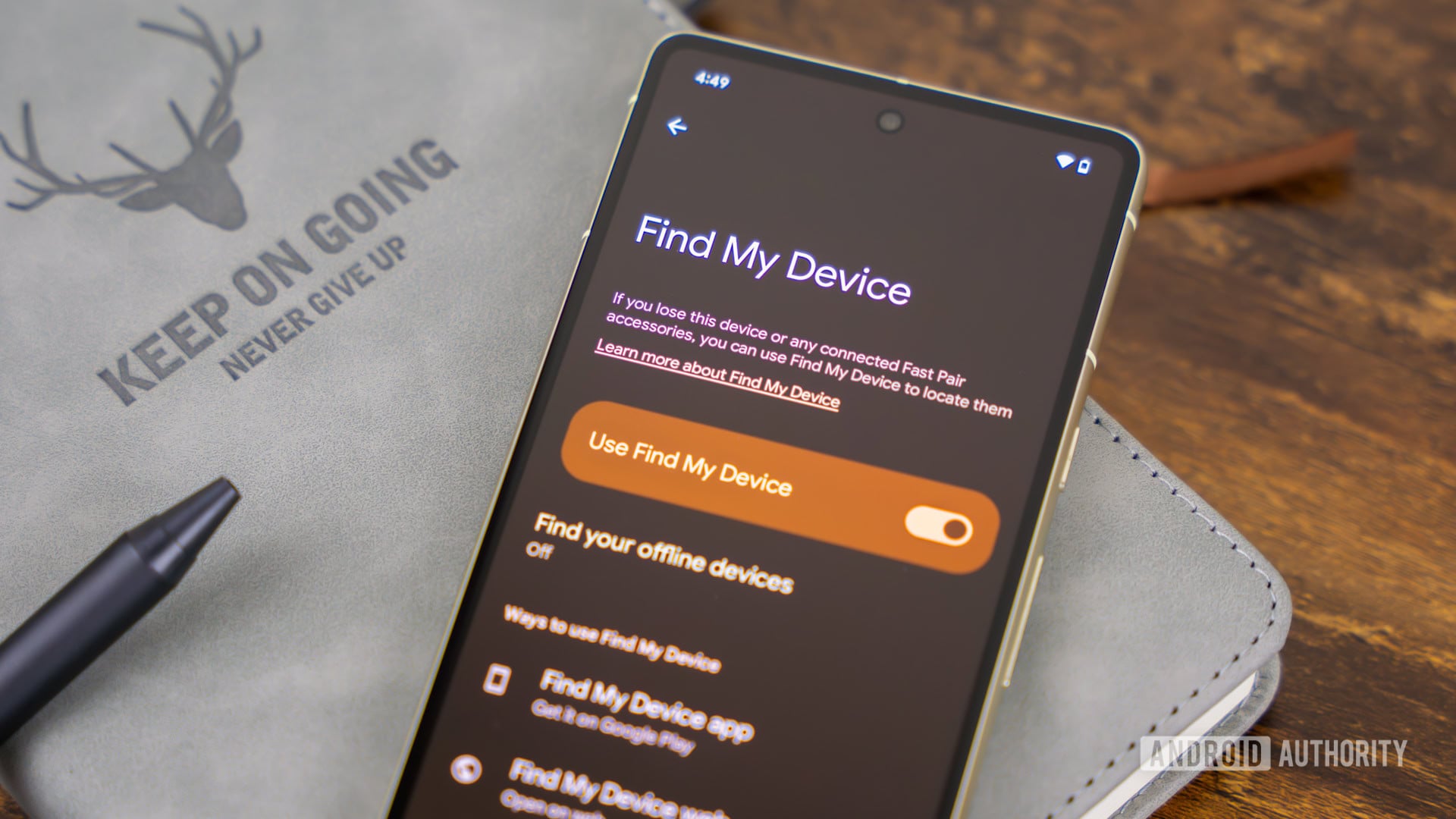
Google is expanding its Find My Device network to allow offline tracking of devices, but users can opt out of this feature by adjusting settings in the Find My Device app. The update utilizes other online Android devices to detect the location of offline devices, and users can choose to entirely opt out or limit the service's capabilities. The options include turning off offline tracking or allowing location data to be stored while the device is online, with all location data encrypted from device to device.
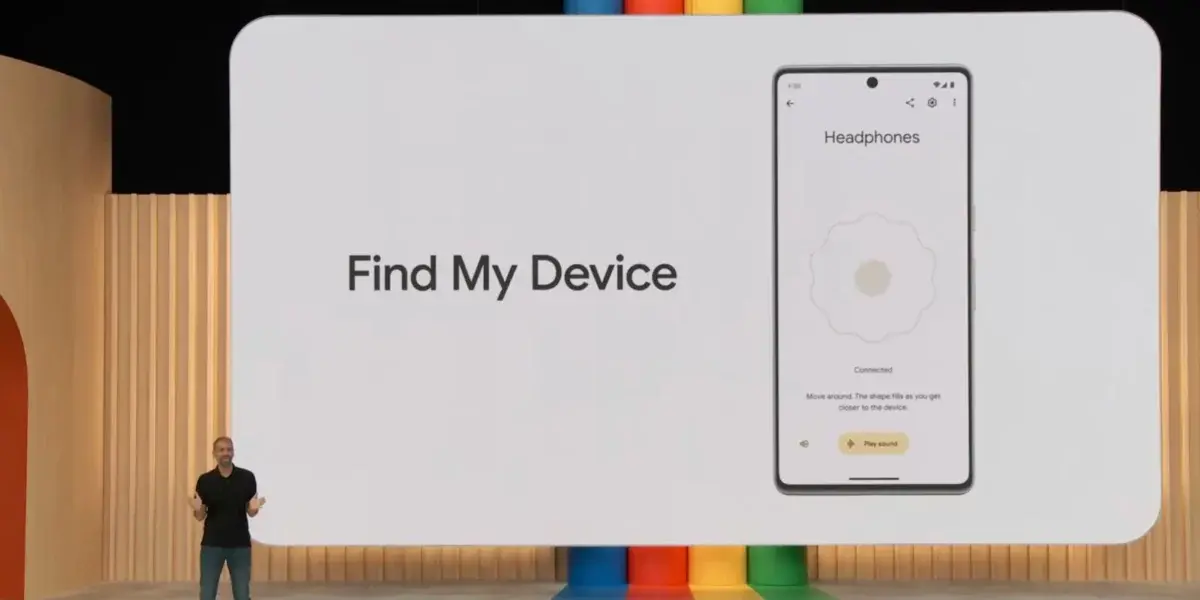
The Find My Device network on Android, initially announced at Google I/O, is finally starting to roll out, offering a game-changing feature that leverages the collective strength of Android devices to help users locate lost items. The delay in the rollout was attributed to waiting on Apple to implement protections in iOS for trackers used with Android, reflecting a commitment to fostering a secure and standardized ecosystem. The latest beta version of Google Play Services introduces the "Find your offline devices" feature, providing users with enhanced tracking capabilities, including options to find devices without the network, with the network in high-traffic areas, and with the network all the time. This feature reflects Google's commitment to continuously enhancing the functionality and usability of its services, empowering users with greater control and peace of mind in managing their devices.
Google has finally rolled out Android's Find My Device network, but it also highlights the neglect of UWB technology in Android devices. UWB has potential for short-range communication and proximity detection, but Google and Android have not fully utilized it, despite some upcoming features like "Tap to Cast" on the Pixel Tablet and support for Pixel Watch 3. While UWB is used in Apple's AirTags, none of the trackers announced for Android's Find My Device network currently support UWB. The future of UWB on Android remains uncertain, but there is hope for its integration into more devices and applications.
In the fifth episode of Pixelated, a podcast by 9to5Google, hosts Abner Li and Damien Wilde discuss the launch of the Find My Device network and share their wishlist for a Pixel Tag. The podcast covers topics such as the capabilities of the Find My Device network, including its ability to locate a Pixel 8 even when turned off, and its compatibility with both Android and Apple's finder networks. Additionally, the hosts explore the potential headphones that will support Android's Find My Device network.