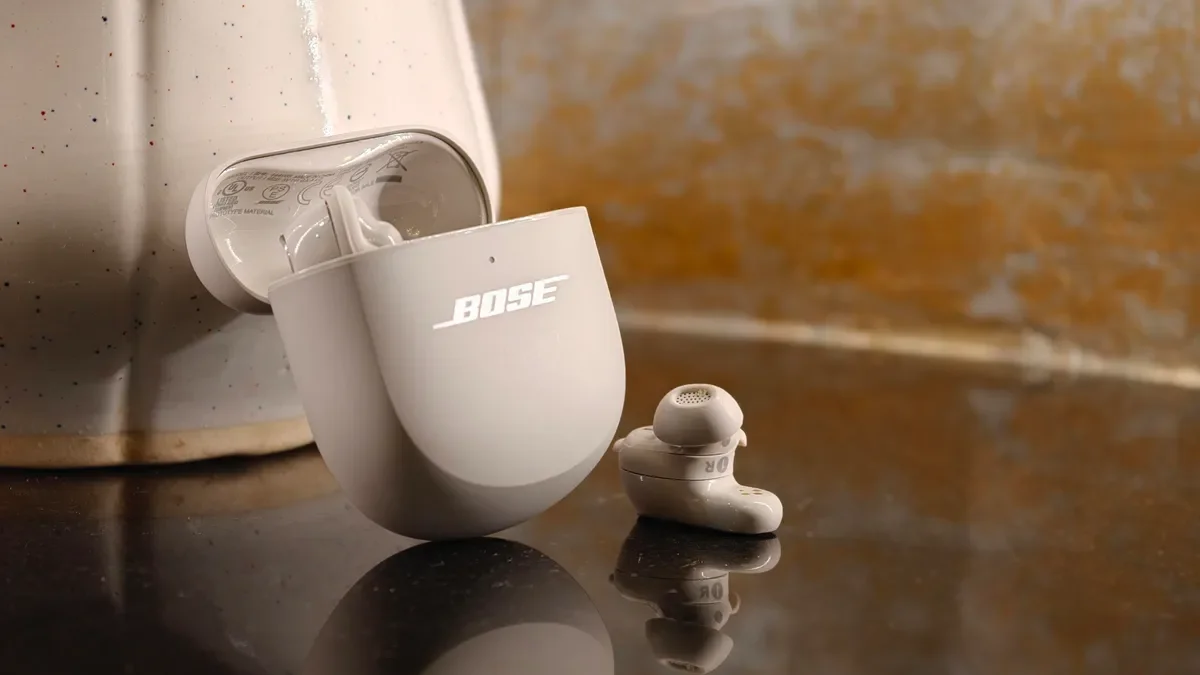
Bluetooth 6.0, released by the Bluetooth SIG in September 2024, introduces significant improvements in device pairing, lower latency, and universal device tracking, promising enhanced wireless audio experiences. While smartphones are beginning to adopt Bluetooth 6.0, most headphones and earbuds have yet to catch up, though future models are expected to incorporate these advancements, benefiting gamers, AR/VR users, and those seeking better device findability.
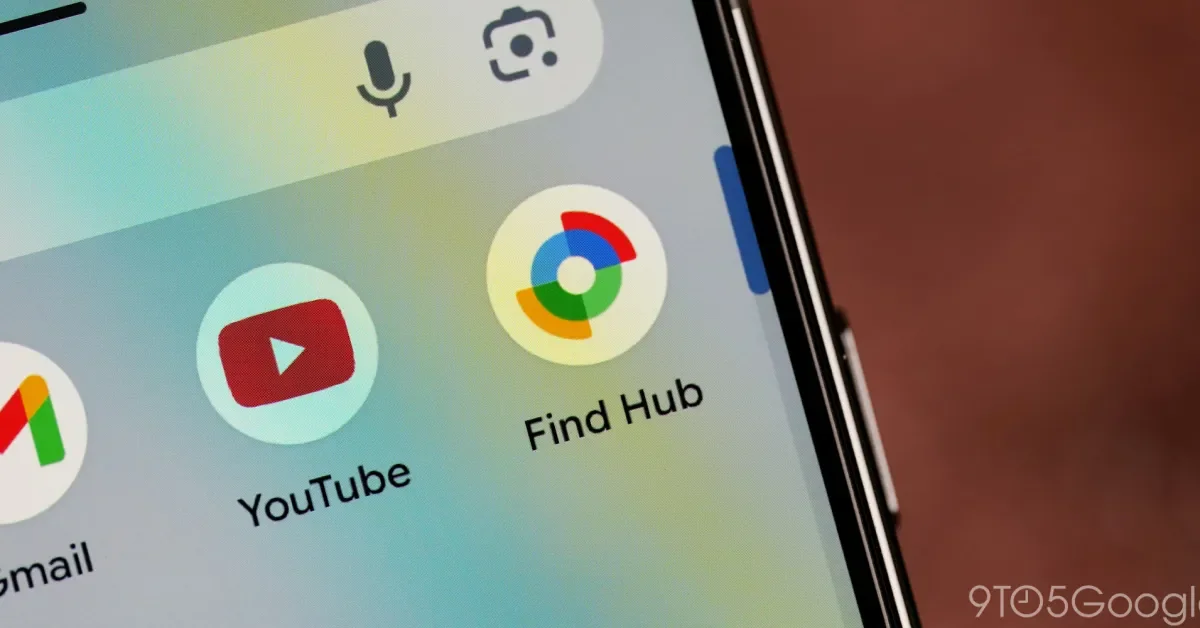
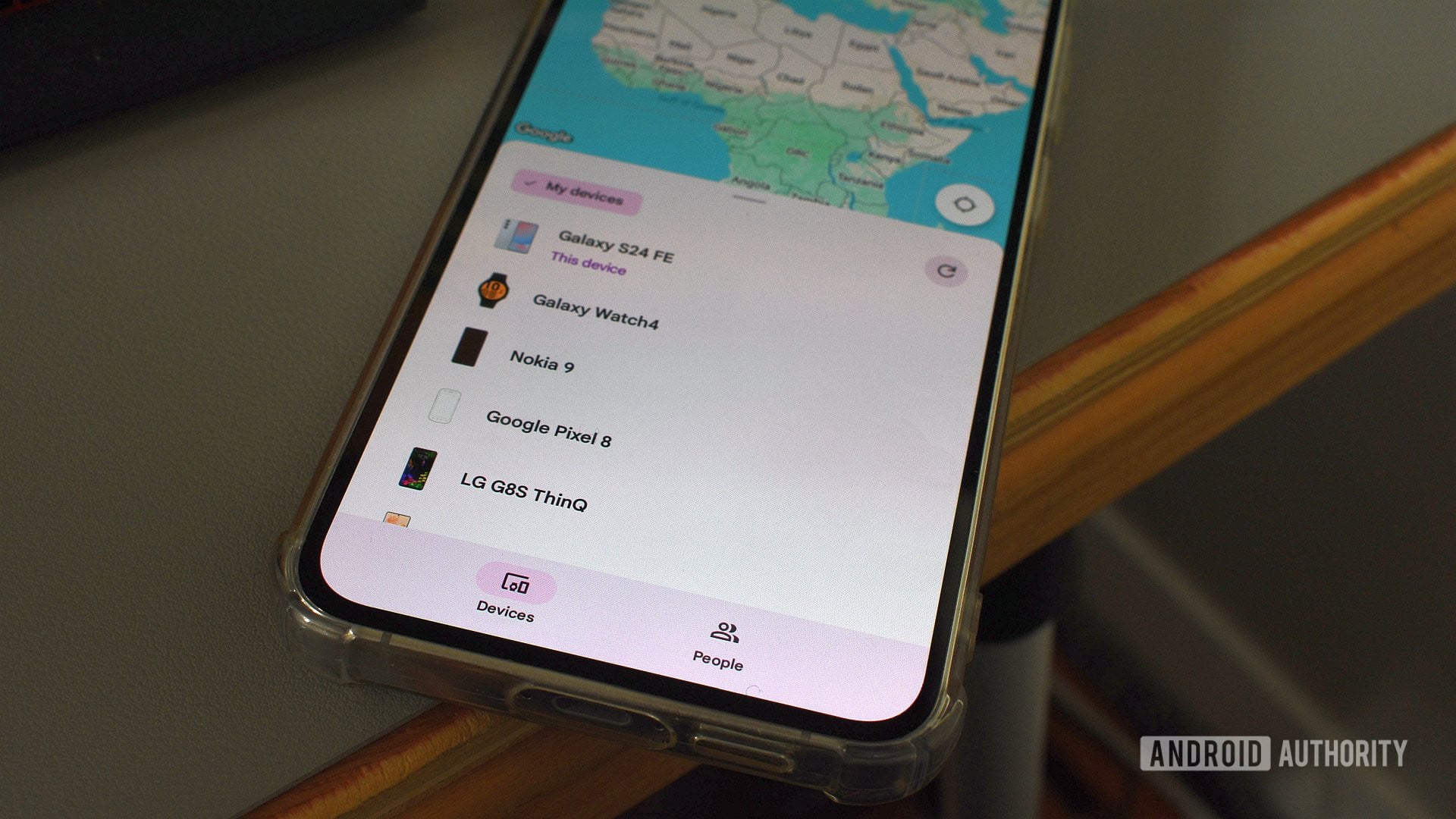
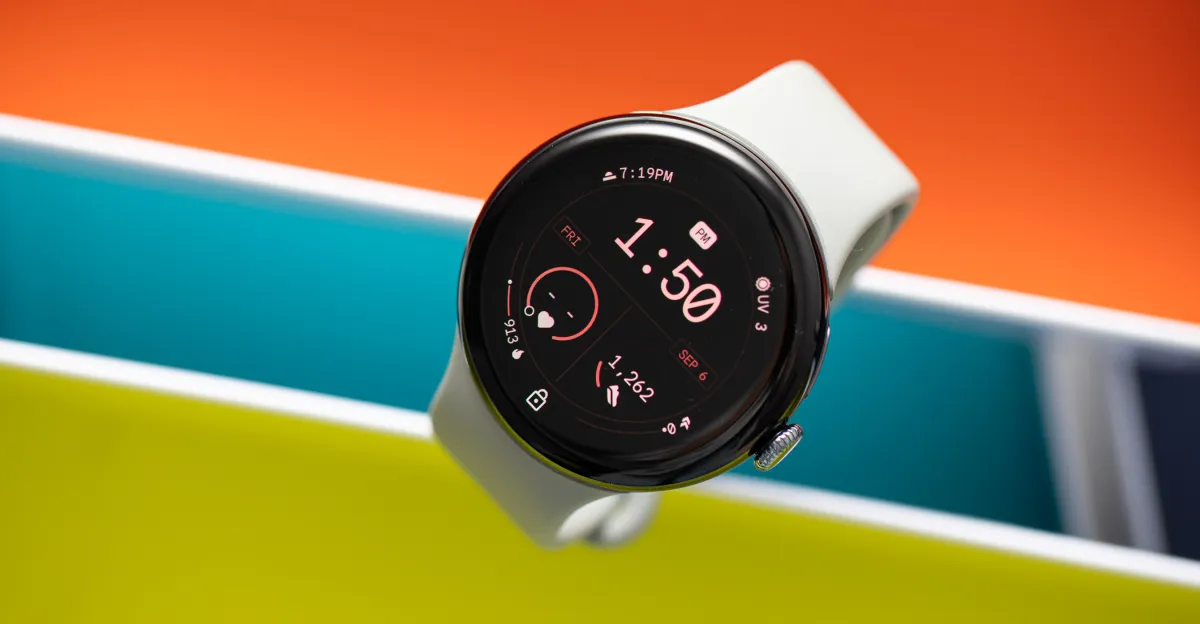
Google has launched the Find Hub app for Wear OS, allowing users to locate and manage their devices like phones, tablets, and headphones directly from their smartwatch, with features such as last seen info, battery status, maps, and device security options.
Chipolo has launched its first rechargeable Bluetooth trackers, the Loop and Card, which support Apple and Google Find My networks, last around six months on a charge, and are available for preorder at $39. The Loop features a colorful silicone ring and USB-C charging, while the Card resembles a credit card and supports Qi wireless charging. Both are water and dust resistant with a Bluetooth range of 400 feet.
Google plans to expand Find Hub’s automatic enrollment with more triggers, giving users two days to opt out after hitting certain triggers like enabling location or syncing devices, before being automatically enrolled in the Find Hub network in high-traffic areas.
Google introduced a new Bluetooth tracking feature called Channel Sounding with the Wear OS 5.1 update on the Pixel Watch 3, which could enable centimeter-level accuracy in device location tracking by measuring radio signal travel time, but it requires multiple compatible devices and is not yet in active use.
Google is updating its Android setup process to include a new option for configuring the Find Hub network, which aims to improve Bluetooth device tracking by allowing users to enable more effective location services, addressing previous limitations and privacy restrictions.
Google is improving its Find Hub network by updating the setup process to encourage users to select a more reliable tracking option, which could enhance its effectiveness as an alternative to Apple and Samsung's networks, while balancing privacy concerns.
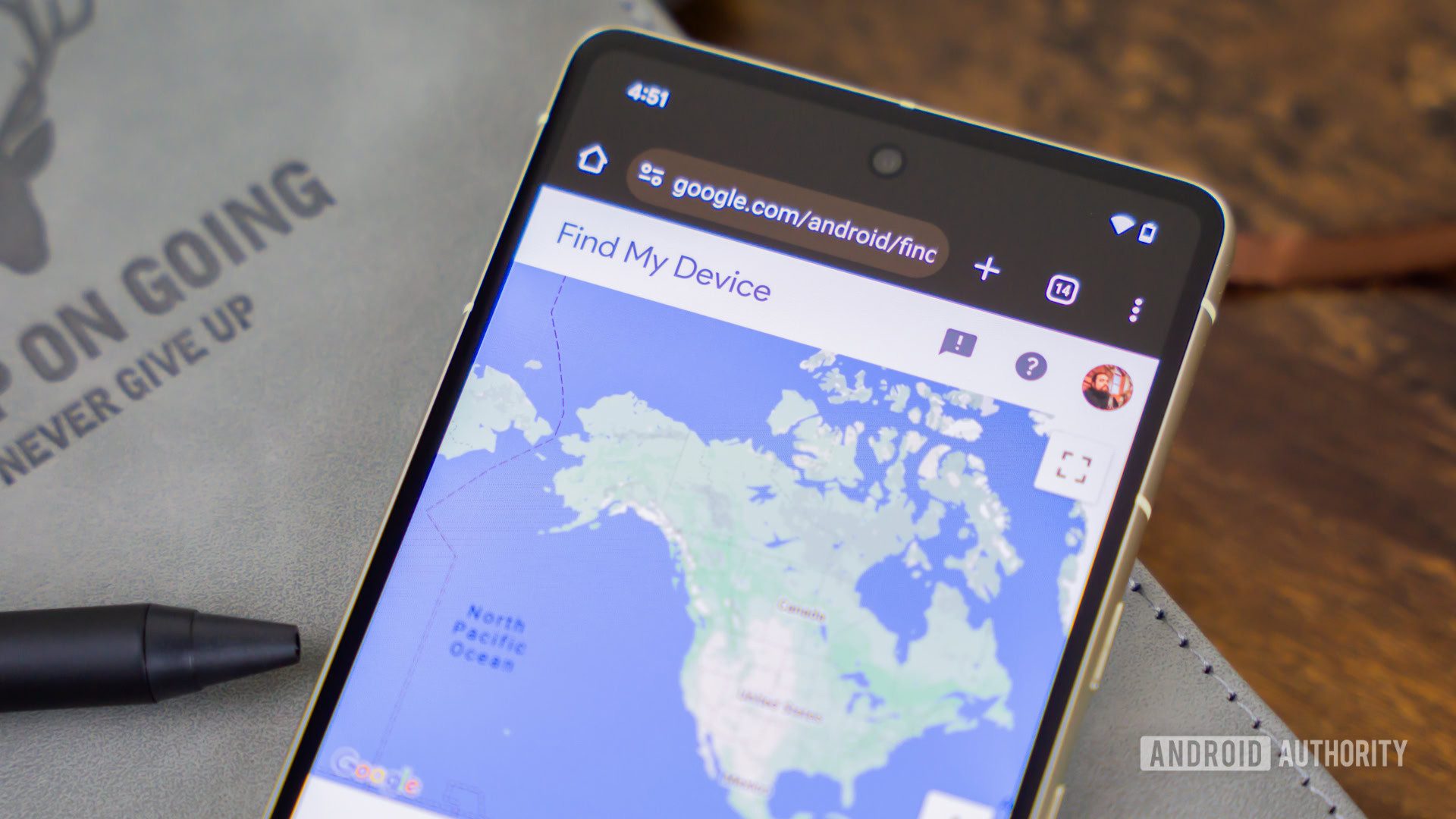
Google has replaced the legacy 'Find your phone' ringing feature with the new Find Hub website, which now offers the same device locating capabilities, while the old page no longer includes the ring option, prompting users to switch to the updated platform.
Google has updated the Find My Device app to allow users to track devices with supervised or family accounts, although marking these devices as lost is not yet supported.
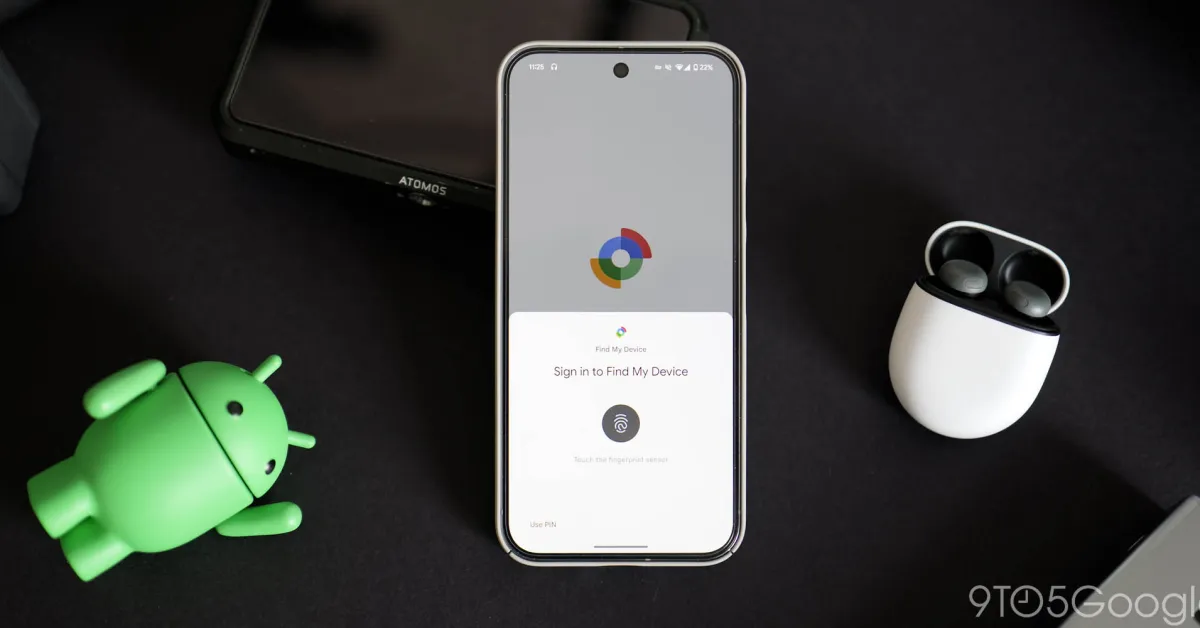
Google is rolling out an updated Find My Device network for Android users in the U.S. and Canada, allowing them to locate lost or offline devices using Bluetooth and crowdsourcing. While this feature raises privacy concerns, users can opt-out by adjusting settings in the Find My Device app on their Android phones.