The Trump administration plans to offer unaccompanied migrant teenagers a $2,500 payment to voluntarily leave the US, as part of efforts to repatriate migrant children and reduce detention costs, with the option first available to 17-year-olds and requiring approval by an immigration judge.
Ben Proud, a British Olympic swimmer, announced his decision to join the Enhanced Games, citing significant financial incentives that surpass his earnings from traditional competitions, despite facing backlash and potential loss of funding. He views this move as a way to support his family and capitalize on his career, even though it risks tarnishing his reputation and ending his international swimming career.
New England treatment providers are using financial rewards as part of contingency management programs to encourage sobriety among stimulant users, showing promising results in combating drug addiction and addressing the surge in stimulant use, especially in communities of color, despite some moral and legal objections.
Several US cities and states are offering relocation incentives of up to $15,000 to attract new residents, particularly remote workers and entrepreneurs. Programs like Tulsa Remote, Ascend West Virginia, Choose Topeka, and others provide cash incentives, perks, and homebuyer incentives to entice workers to move. However, some critics argue that these programs may lead to discontent among local residents and potentially increase the cost of living for long-term residents. Despite this, the number of cities offering such incentives has more than doubled in recent years, reflecting the seismic change in work culture brought about by the pandemic.
The NFL's plan for global expansion continues with the announcement of a game in South America, leaving fans stateside frustrated. With teams now only able to protect two home games from being moved for international showcases, there is concern about the impact on season ticket sales. Despite fan discontent, the NFL's popularity remains strong, allowing the league to make decisions without consequence. The focus on financial incentives rather than social impact is evident, as the league prioritizes profit over making the world a better place.
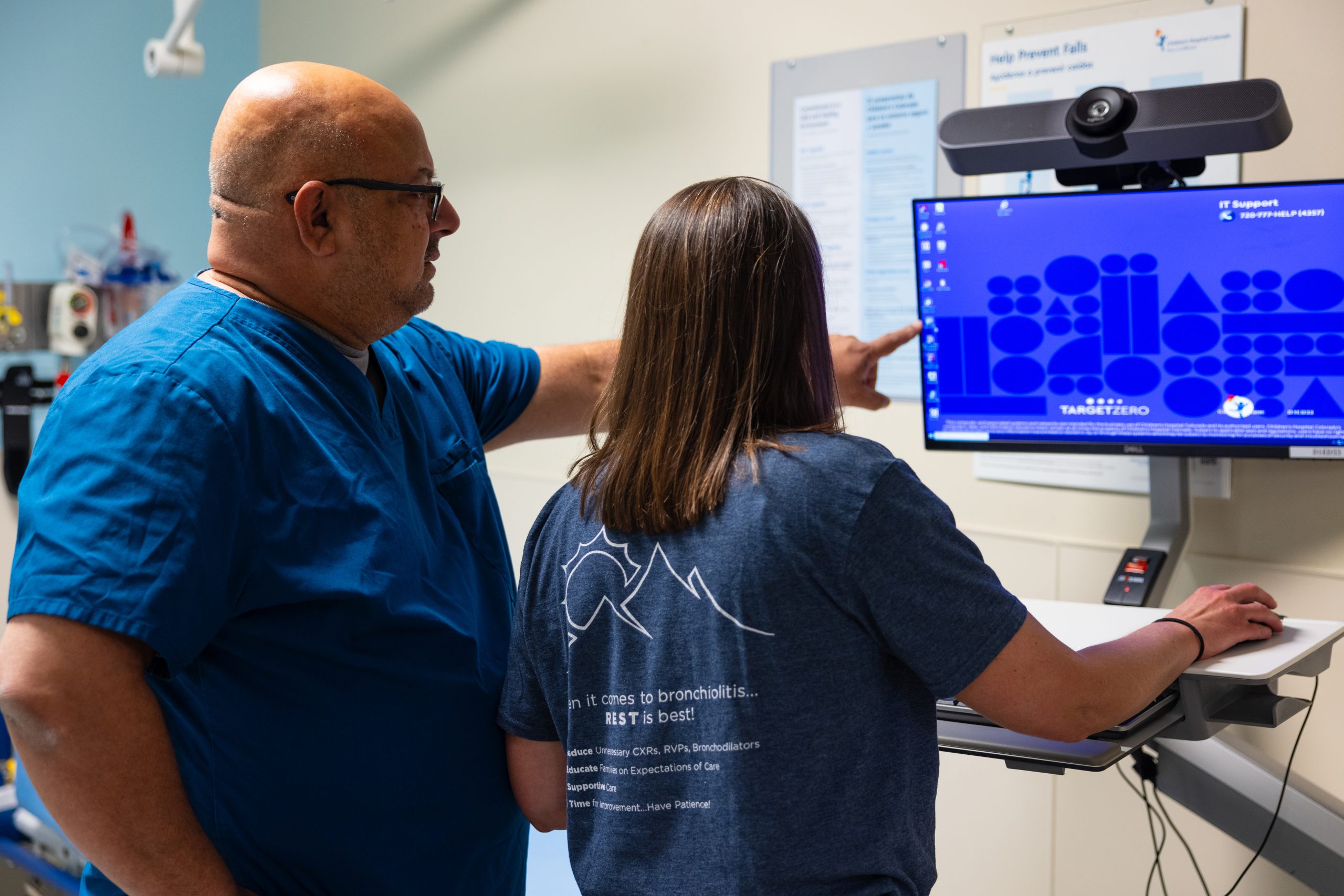
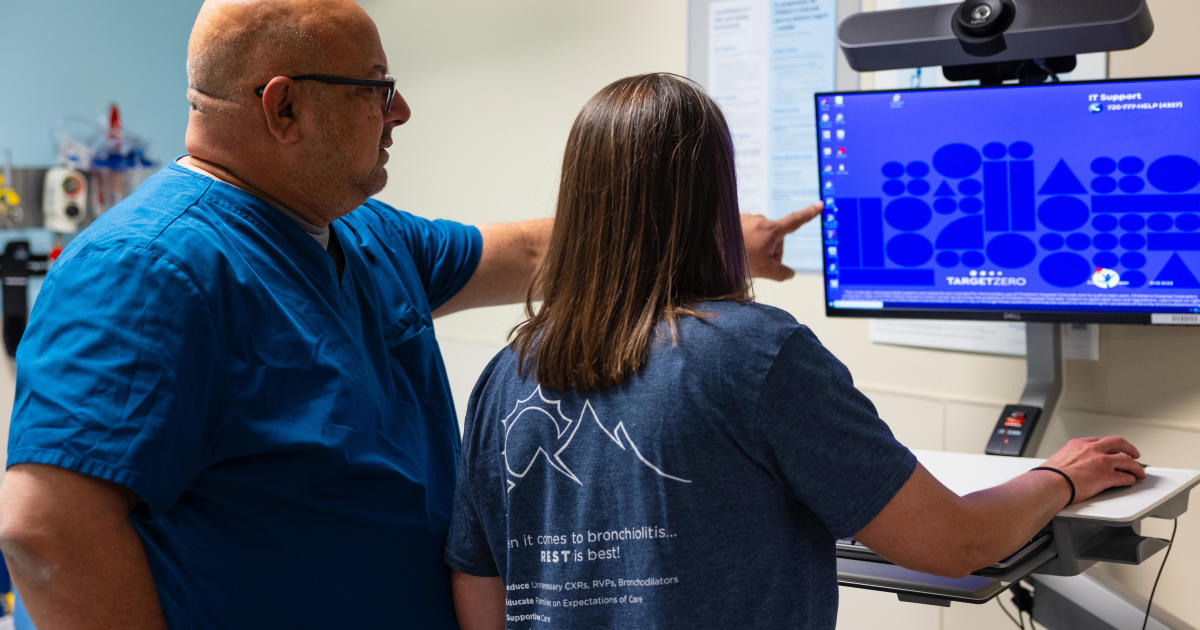
Despite efforts to reduce unnecessary medical care, the U.S. healthcare system continues to spend significant amounts of money on treatments and tests that provide little benefit and may even harm patients. In Colorado alone, $134 million was spent on low-value care last year, with prescriptions for opiates, multiple antipsychotics, and screenings for vitamin D deficiency being the top low-value items. The structure of the healthcare system, which rewards doctors for providing more care rather than the right care, makes it difficult to address this issue. Financial incentives, patient expectations, and the culture of "more is better" contribute to the challenge of reducing unnecessary care. Efforts to align financial incentives and educate patients have shown some success in reducing low-value care, but more work is needed to overcome these barriers.
Despite efforts to reduce unnecessary medical care, the U.S. healthcare system continues to spend significant amounts of money on treatments and tests that provide little benefit and may even harm patients. In Colorado alone, $134 million was spent on low-value care last year, including prescriptions for opiates, multiple antipsychotics, and screenings for vitamin D deficiency. The structure of the healthcare system, which rewards doctors for providing more care rather than the right care, makes it difficult to address this issue. Even in places where financial incentives for additional testing have been eliminated, such as Los Angeles County, low-value care remains a problem.
Canada has offered more than C$13 billion in subsidies and a C$700 million grant to Volkswagen to build its North American battery plant in the country. The investment will largely match what Volkswagen would have received from the United States through the Inflation Reduction Act. The new battery plant will have a maximum capacity of 90 gigawatt hours, enough to provide batteries for more than a million cars annually. Volkswagen declined to comment on the subsidies, but is expected to announce further details of the project on Friday.