The Sundance Film Festival announced its programming for 2026, including a tribute to founder Robert Redford, archival screenings, special anniversary programs, and restorations of classic films, marking its final year in Park City before moving to Boulder.
A startup called Fable, backed by Amazon, plans to use AI to recreate lost footage of Orson Welles' 'The Magnificent Ambersons' without rights or estate approval, raising ethical concerns about digital resurrection and artistic integrity.
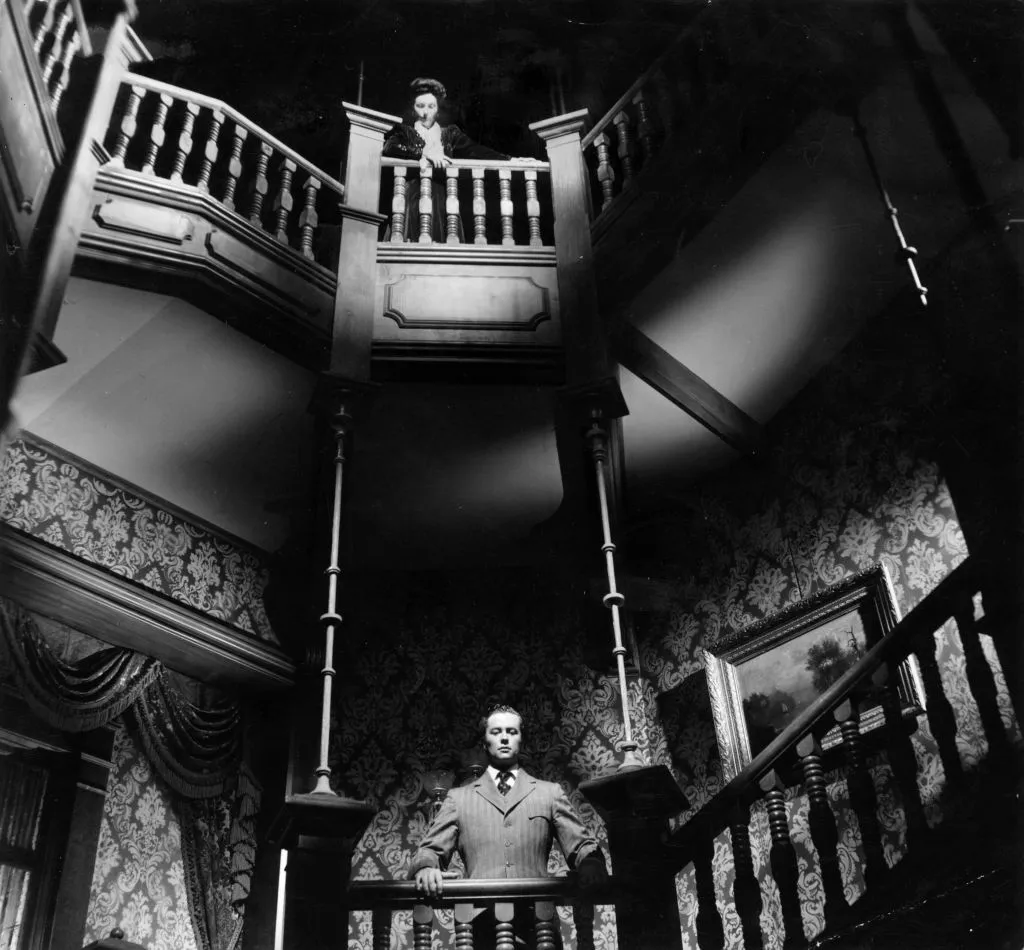
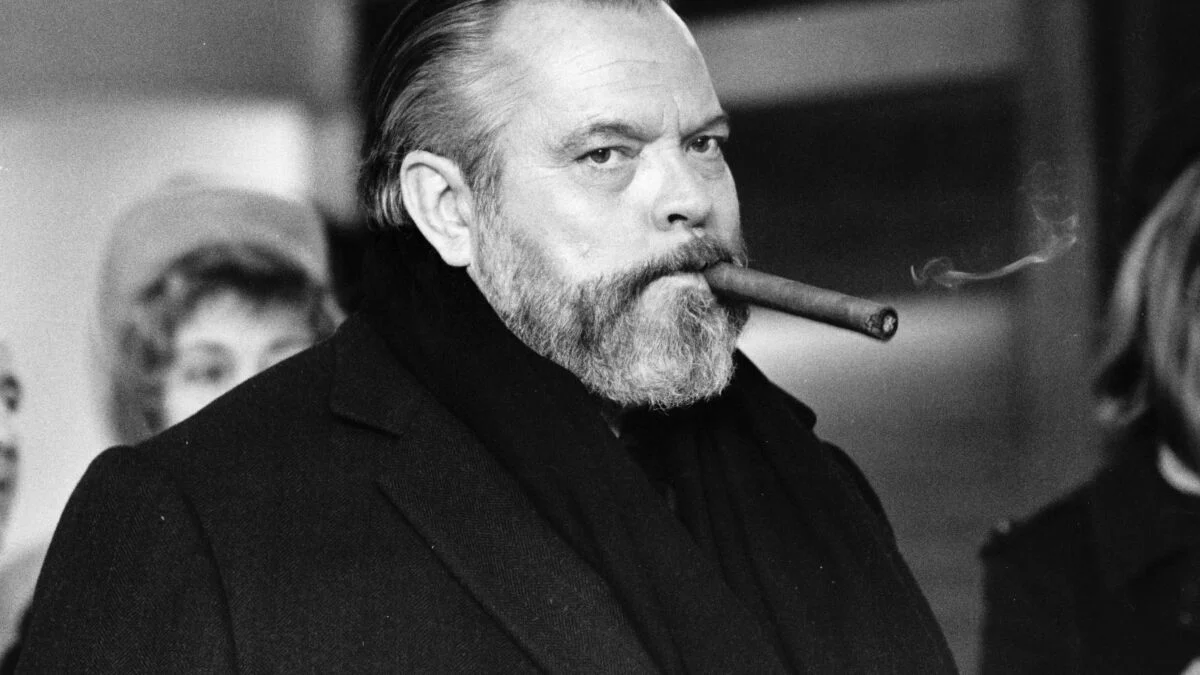
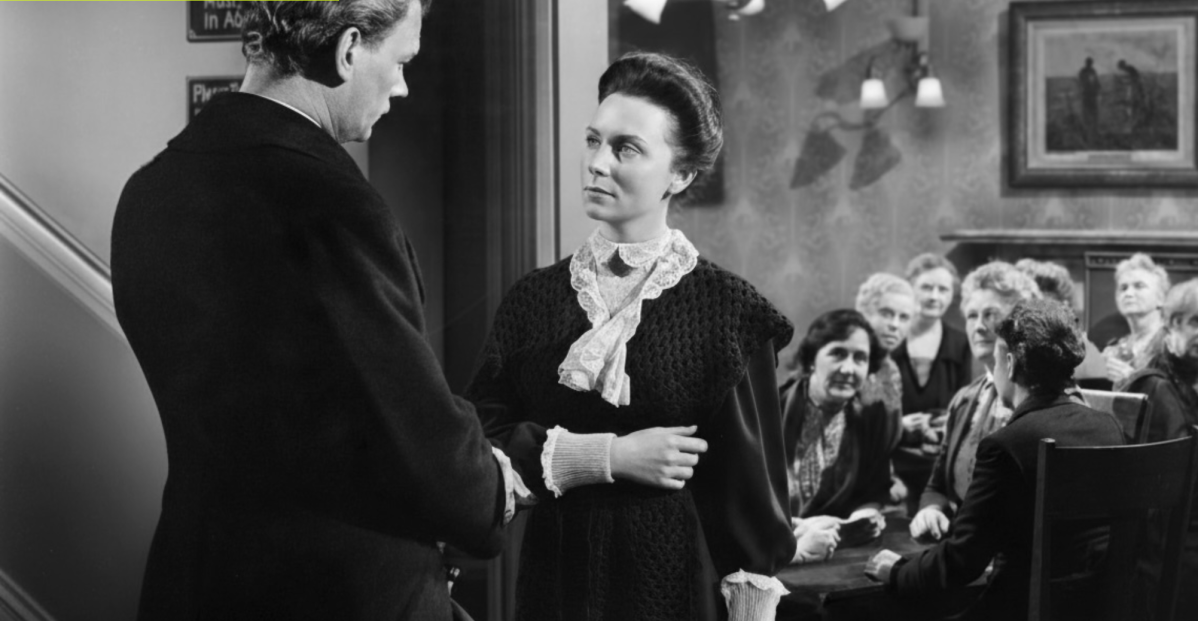
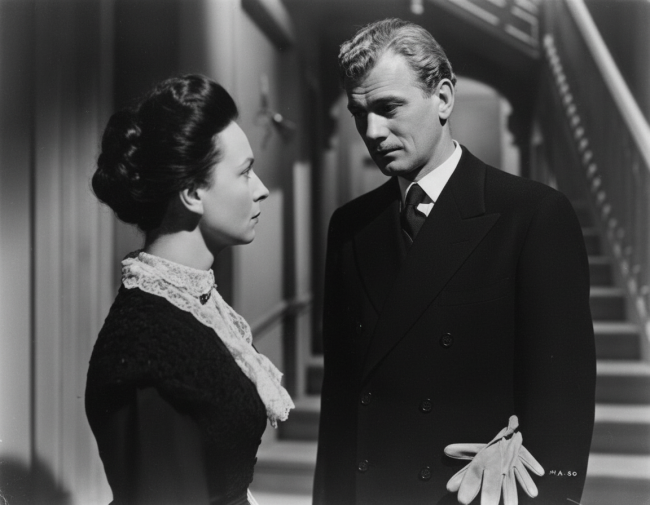
An Amazon-backed AI company, Showrunner, is attempting to reconstruct the lost 43 minutes of Orson Welles' 1942 film The Magnificent Ambersons using AI and traditional techniques, though the Welles estate disapproves of the project, emphasizing that AI cannot replace human creativity.
Showrunner is developing a generative AI project to recreate lost footage from Orson Welles' film The Magnificent Ambersons, aiming to restore the original vision of the film by generating approximations of missing scenes using AI technology, despite legal and technical challenges.
The CEO of Fable, an AI startup backed by Amazon, predicts AI could end human creativity but sees it as a positive development, exemplified by their project to reconstruct lost footage from Orson Welles' film The Magnificent Ambersons, aiming to restore Welles' original vision using AI technology. The initiative highlights the potential for AI to revolutionize film restoration and entertainment, despite concerns about job displacement in creative industries.
An Amazon-backed AI company plans to reconstruct Orson Welles' lost original cut of 'The Magnificent Ambersons' using AI, reshooting scenes and face-swapping actors, aiming to revive a historically significant but incomplete film, amidst ongoing debates about AI's role in film preservation.
Showrunner, an AI-focused company backed by Amazon, is using artificial intelligence and traditional techniques to reconstruct the 43 missing minutes of Orson Welles' lost film 'The Magnificent Ambersons,' aiming to explore new possibilities in film restoration and storytelling, though the project is not intended for commercial release due to rights issues.
A team is using AI technology to restore and recreate the lost ending of Orson Welles' film 'The Magnificent Ambersons,' collaborating with a platform known for AI-generated content and a restoration expert.
A rare screening of the long-lost original 1977 'Star Wars' print revealed it looks significantly less polished and more authentic, highlighting how much the film has been altered over the years with extensive tweaks and special effects, leading to mixed feelings among fans and critics about the original's raw appearance.
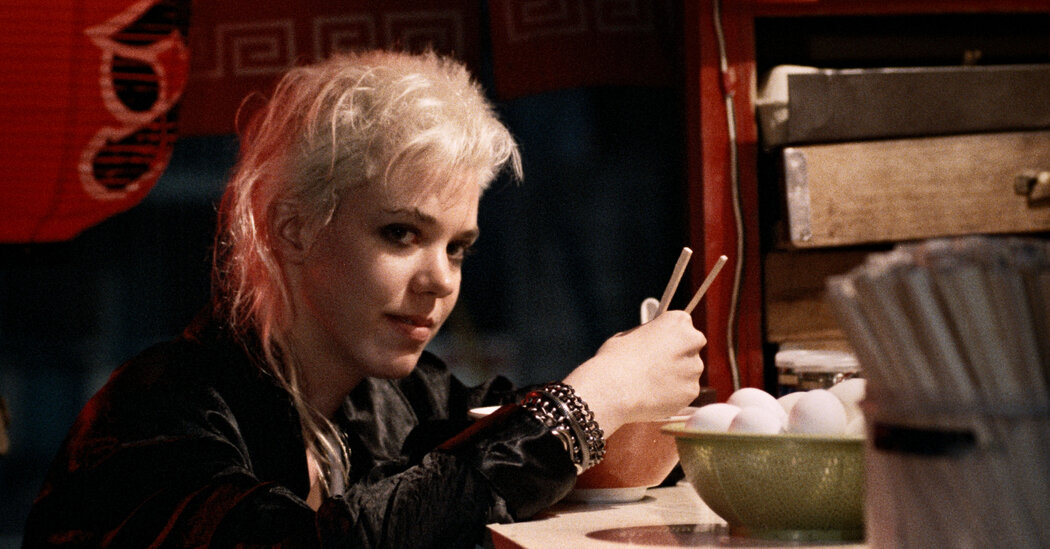
The 1988 film "Tokyo Pop," starring Carrie Hamilton, had fallen into obscurity but has now been restored and rereleased thanks to the efforts of preservation organization IndieCollect and financial support from backers including Carol Burnett and Dolly Parton. The film, directed by Fran Rubel Kuzui, tells the story of an aspiring American pop star in Japan and is now opening at the Brooklyn Academy of Music and other locations across the country. The restoration of "Tokyo Pop" has given it a second life and the opportunity for audiences to rediscover the work of Carrie Hamilton, who passed away in 2002.
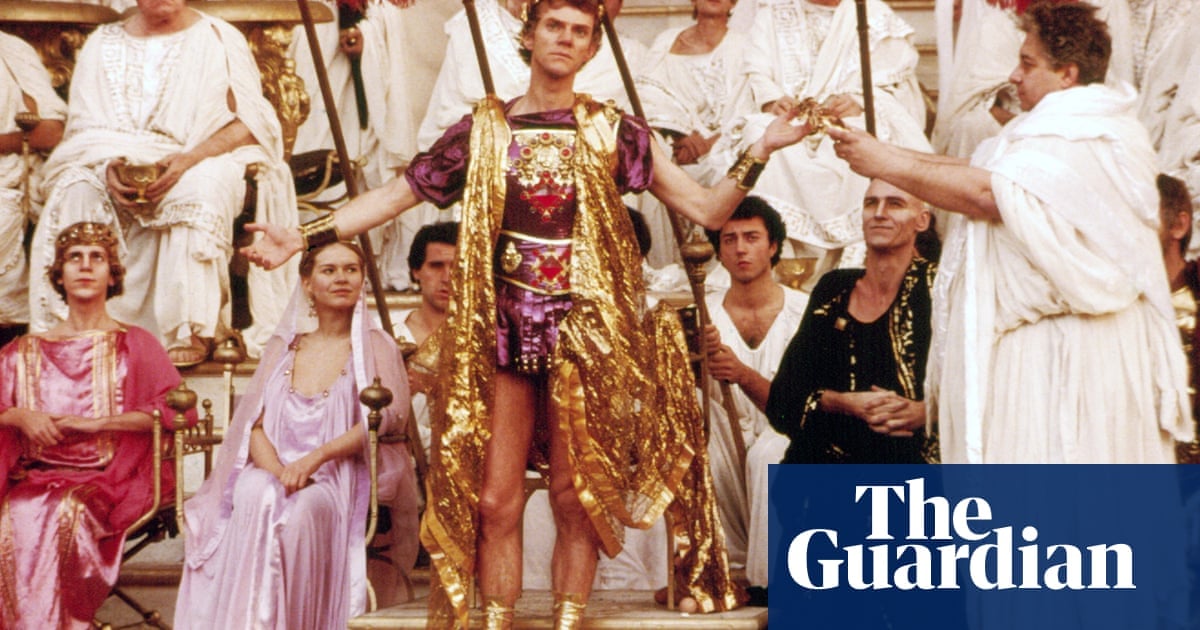
A new version of the infamous 1979 film Caligula, titled Caligula: The Ultimate Cut, has premiered at the Cannes film festival. The film, which stars Malcolm McDowell, Helen Mirren, John Gielgud and Peter O’Toole, was notorious for its chaotic production and explicit content. The new version, created by Thomas Negovan, aims to be closer to the original vision of the film's creators, with a clearer character arc for McDowell's performance. While still containing the elaborate sets, costumes, and explicit content of the original, the recut is a compelling testament to the film's unique place in cinema history.
Researchers at Graz University of Technology have developed an AI-based algorithm that can realistically colorize historical black-and-white films. The algorithm combines interactive and automated coloring techniques with deep learning technology, allowing for a predominantly automatic, yet fully user-controlled coloring process. The software can generate and add artificial noise to the films after restoration and coloring to maintain authenticity. The core algorithm is freely available, but efficient use requires software based on it, such as the "Diamant film colorizer" developed by project partner HS-Art.