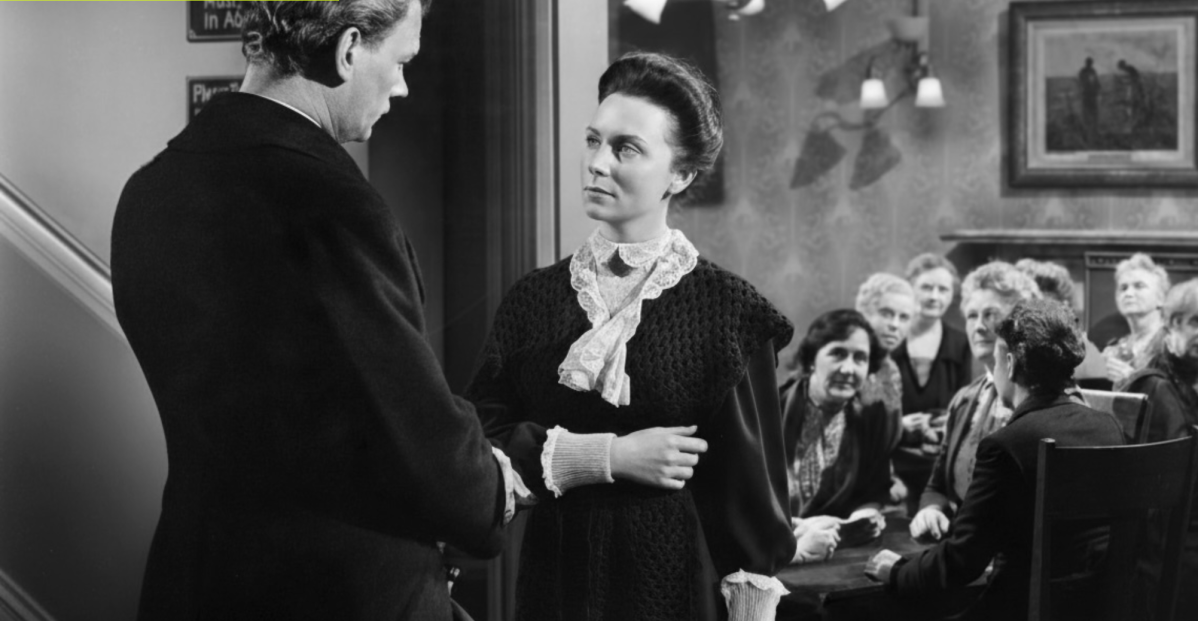
Showrunner is developing a generative AI project to recreate lost footage from Orson Welles' film The Magnificent Ambersons, aiming to restore the original vision of the film by generating approximations of missing scenes using AI technology, despite legal and technical challenges.
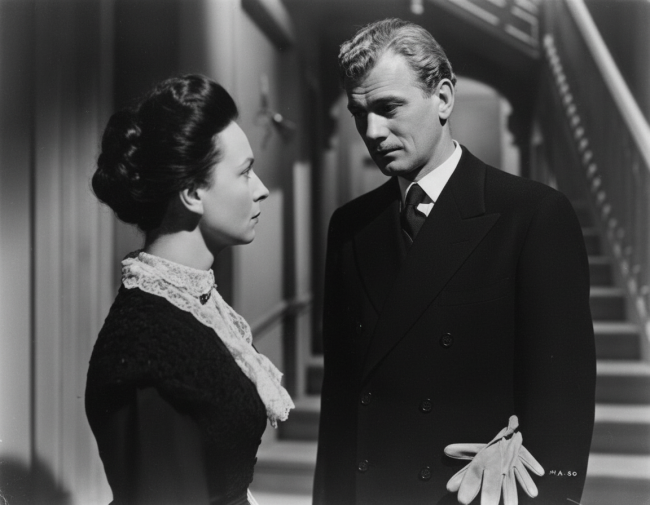
A team is using AI technology to restore and recreate the lost ending of Orson Welles' film 'The Magnificent Ambersons,' collaborating with a platform known for AI-generated content and a restoration expert.
At the Shanghai International Film Festival, China launched AI-driven initiatives to restore 100 classic kung fu films and introduced 'A Better Tomorrow: Cyber Border,' the world's first fully AI-produced animated film, aiming to revive Chinese martial arts cinema and explore new storytelling methods.
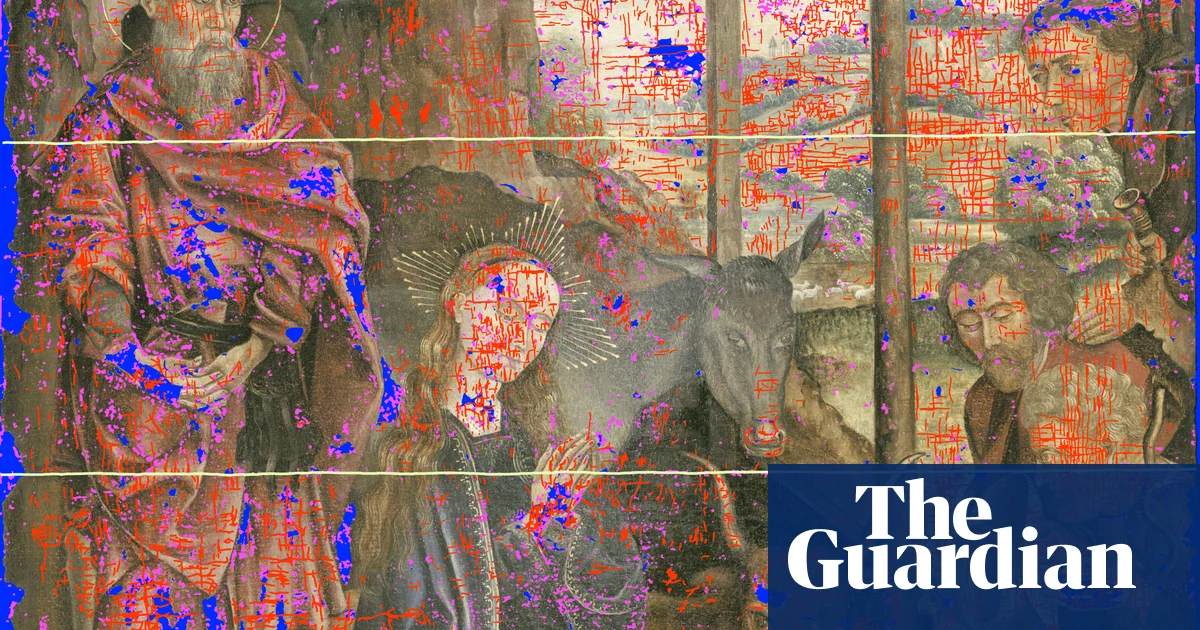
Researchers at MIT have developed an AI-based method to restore damaged artworks quickly by creating digital reconstructions that are printed onto transparent sheets and overlaid on the paintings, significantly reducing restoration time and cost, especially for less valuable works, while raising ethical considerations about the technique's use.
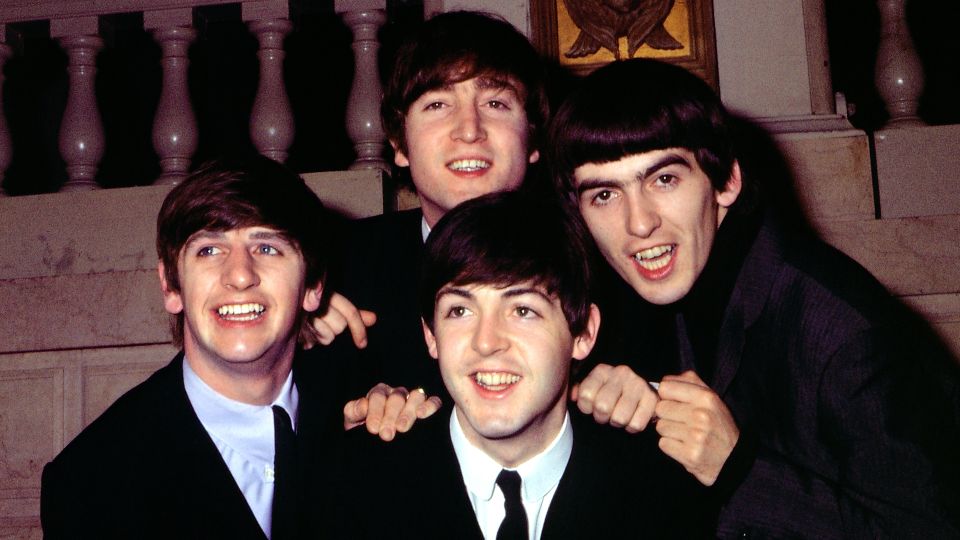
Paul McCartney and Ringo Starr, the last surviving members of The Beatles, have completed a song called "Now and Then" that was originally written and recorded by John Lennon in 1970. The track, which McCartney refers to as "the last Beatles song," features Lennon's original vocals preserved using artificial intelligence. The experience of hearing Lennon's voice was described as emotional and profound by McCartney and Starr. The song will be released worldwide on November 2, 2023, and includes new instrumentation from McCartney and Starr, as well as guitar recordings by the late George Harrison.