The article explores the recurring trope in 2025 films and TV where women walk into bodies of water as a metaphor for pain, escape, or transformation, highlighting its cultural significance and emotional depth.
Microsoft advises game developers to avoid creating female characters with exaggerated body proportions, urging for equal representation and realistic portrayal of emotions. This move aligns with recent efforts in the gaming industry to combat objectification and unrealistic beauty standards in games. The gaming community has become more vigilant in addressing issues such as harassment campaigns and narrative consultation, sparking wider conversations about gender representation and censorship in video games.
Hollywood's recent trend of portraying "smug and mean" female characters is being criticized by author Fredrik deBoer, who claims that it is ruining movies like The Marvels. Despite having a star-studded cast led by Brie Larson, the film has underperformed at the box office, leading to concerns about the future of the Marvel Cinematic Universe. DeBoer argues that these characters perpetuate tired tropes and lack depth, calling for more diverse and nuanced portrayals of women in Hollywood.
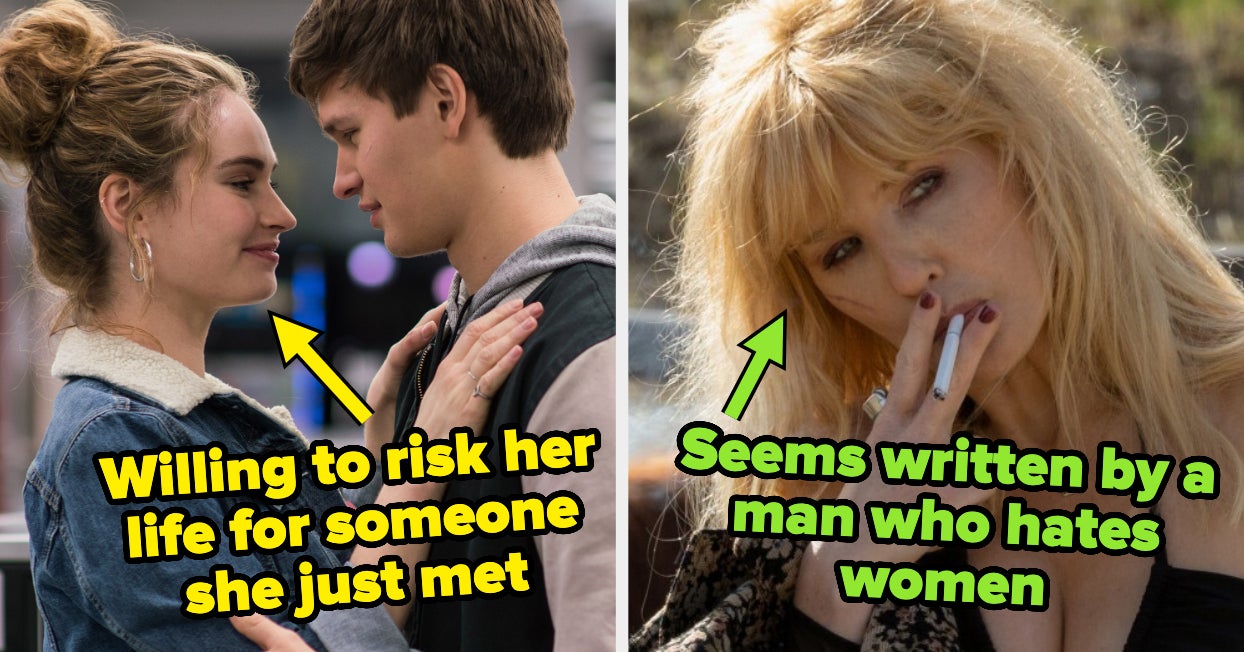
A list of 23 badly written female characters in movies and TV shows that give off "written by a man" vibes includes Debora from Baby Driver, Beth on Yellowstone, Ally and other female characters in Ally McBeal, Vicki in The Waterboy, Sally and other wives in the Grown-Ups films, Olivia in The Prestige, Princess Tilde in Kingsman: The Secret Service, Jade in The Hangover, Scully from The X-Files, Tammy in Twin Peaks, Liz in Shaun of the Dead, Alabama in True Romance, Katy on Letterkenny, Mollie in Ford v Ferrari, Sévérine in Skyfall, Alice in Closer, Mary Jane in Sam Raimi's Spider-Man, Irene Adler in Sherlock, and Anastasia Steele from 50 Shades of Grey.
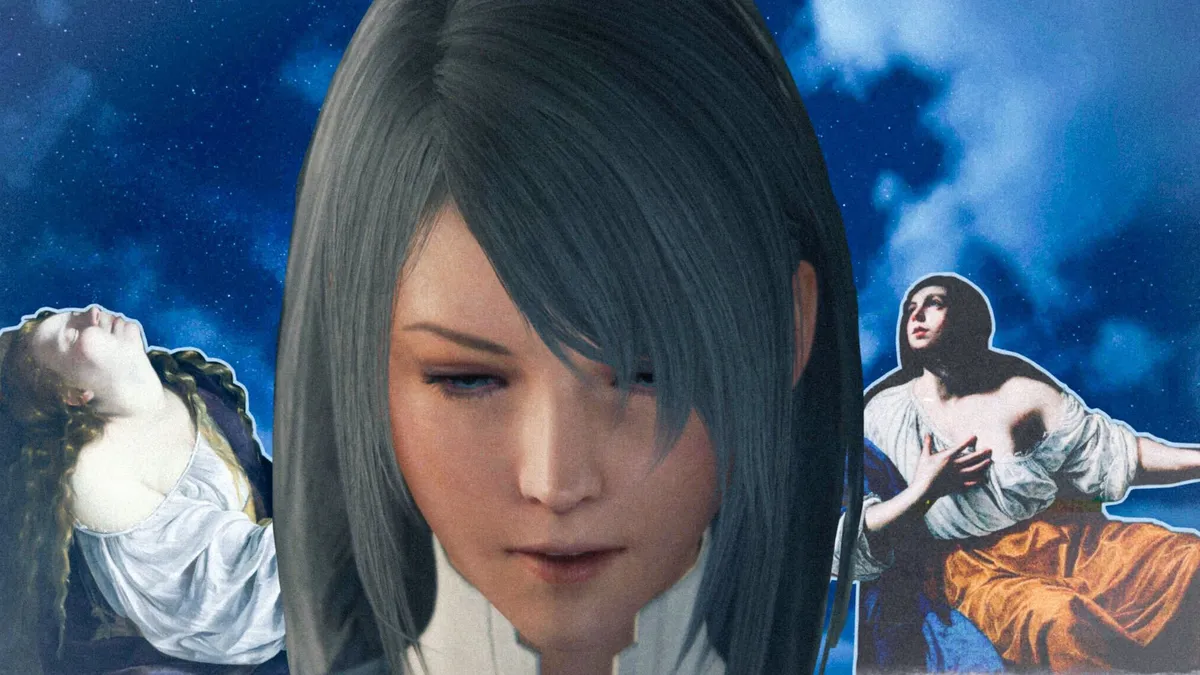
The article discusses the portrayal of Jill Warrick, the female lead in Final Fantasy XVI, and highlights the issue of video games relying on beauty as the sole defining characteristic for female characters. While Jill's character design has garnered attention and admiration, the author argues that she should be more than just pretty and hopes for her to have depth and a voice in the game. The article emphasizes the need for multidimensional female characters in video games and calls for the industry to prioritize their development and representation.
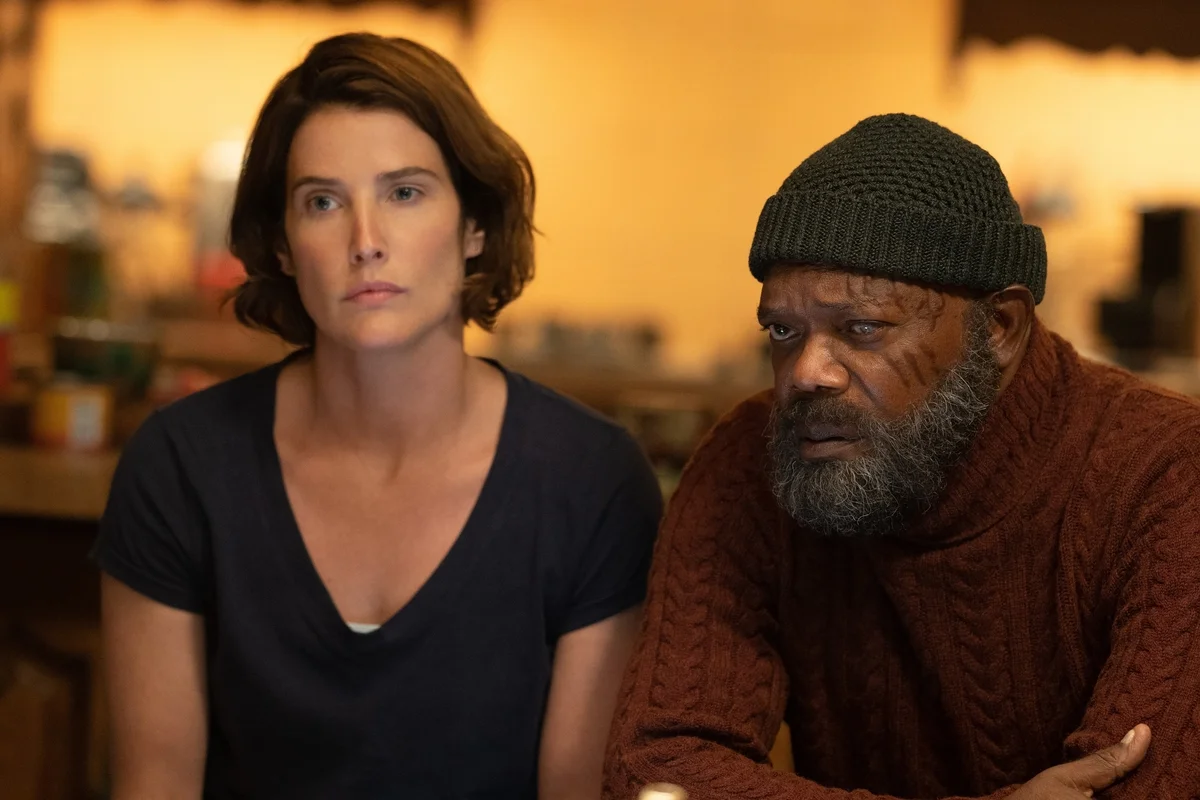
Marvel's Secret Invasion has received criticism for continuing the trend of killing off major female characters in Phase 4 of the Marvel Cinematic Universe. Over the past five years, Marvel movies have killed off several female heroes while sparing most of the male heroes. The death of Maria Hill in Secret Invasion is seen as a step back for the MCU, with critics arguing that it feels cheap and lazy. The lack of exploration of female friendships and mentorships in Phase 4 is also highlighted, calling for Marvel to do better for its remaining female superheroes.
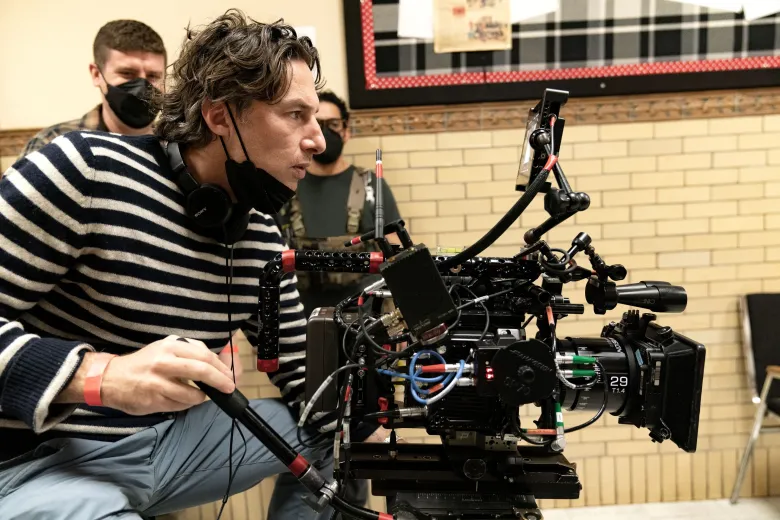
Zach Braff's latest film "A Good Person" attempts to subvert the Manic Pixie Dream Girl trope he helped create with "Garden State," but instead creates a new narrow depiction of on-screen womanhood. Florence Pugh's character is defined solely by her problems and depression, and her journey to healing is filled with cliches and pain. Despite this, the film still can't shake Braff's MPDG obsessions, and by the end, the character recaptures some of the whimsy she cast off before.