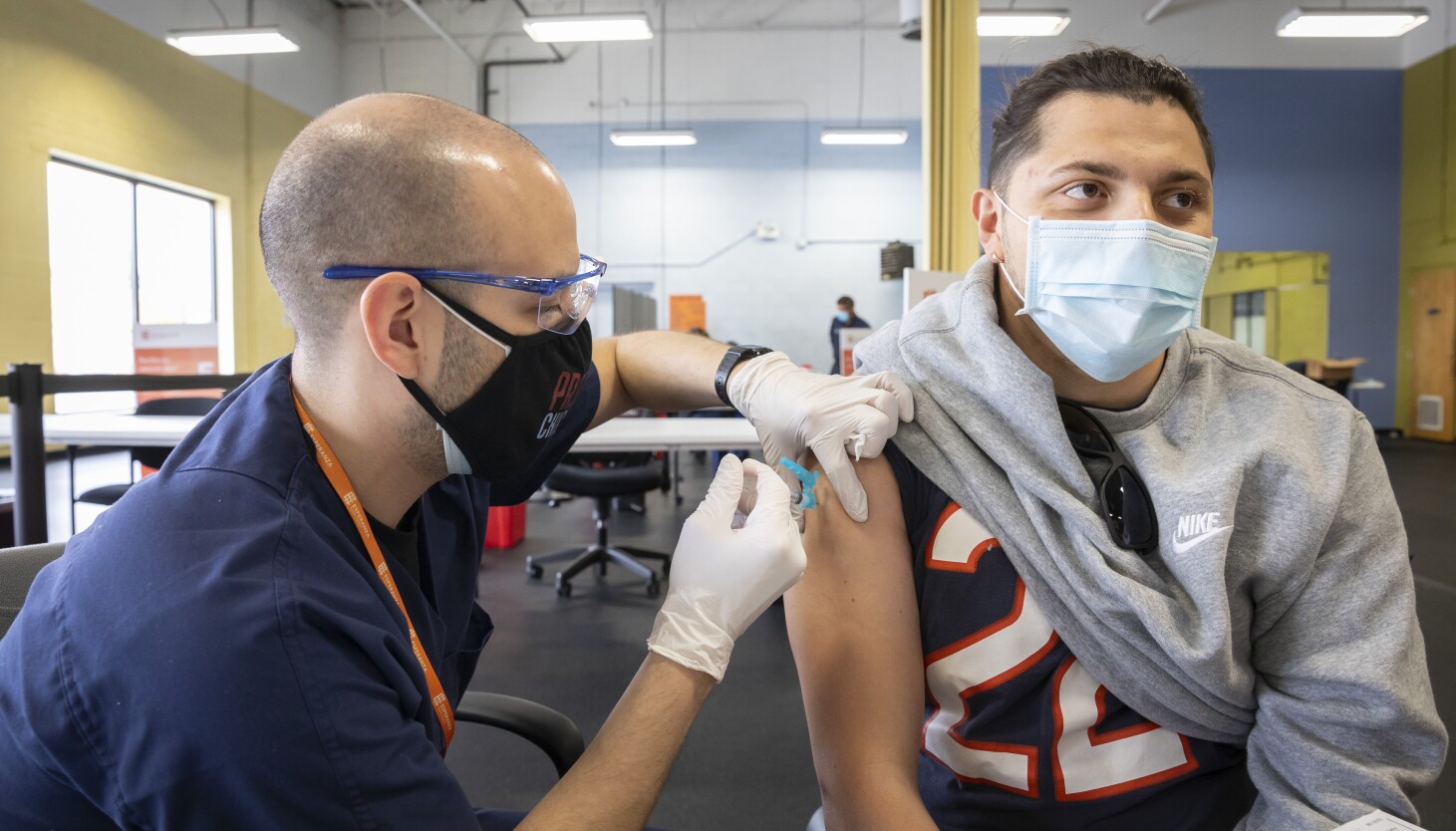
COVID-19 vaccines have arrived at Chicago pharmacies under FDA restrictions, with broader access expected after state guidance and CDC recommendations. The vaccines are available at Walgreens and CVS for those meeting FDA criteria, mainly seniors and high-risk individuals, while children aged 6 months and older are awaiting shipment and guidance. Insurance coverage remains uncertain, potentially leading to out-of-pocket costs, and local health departments plan to offer vaccines widely. Medical experts emphasize the vaccines' effectiveness despite regulatory and logistical challenges.
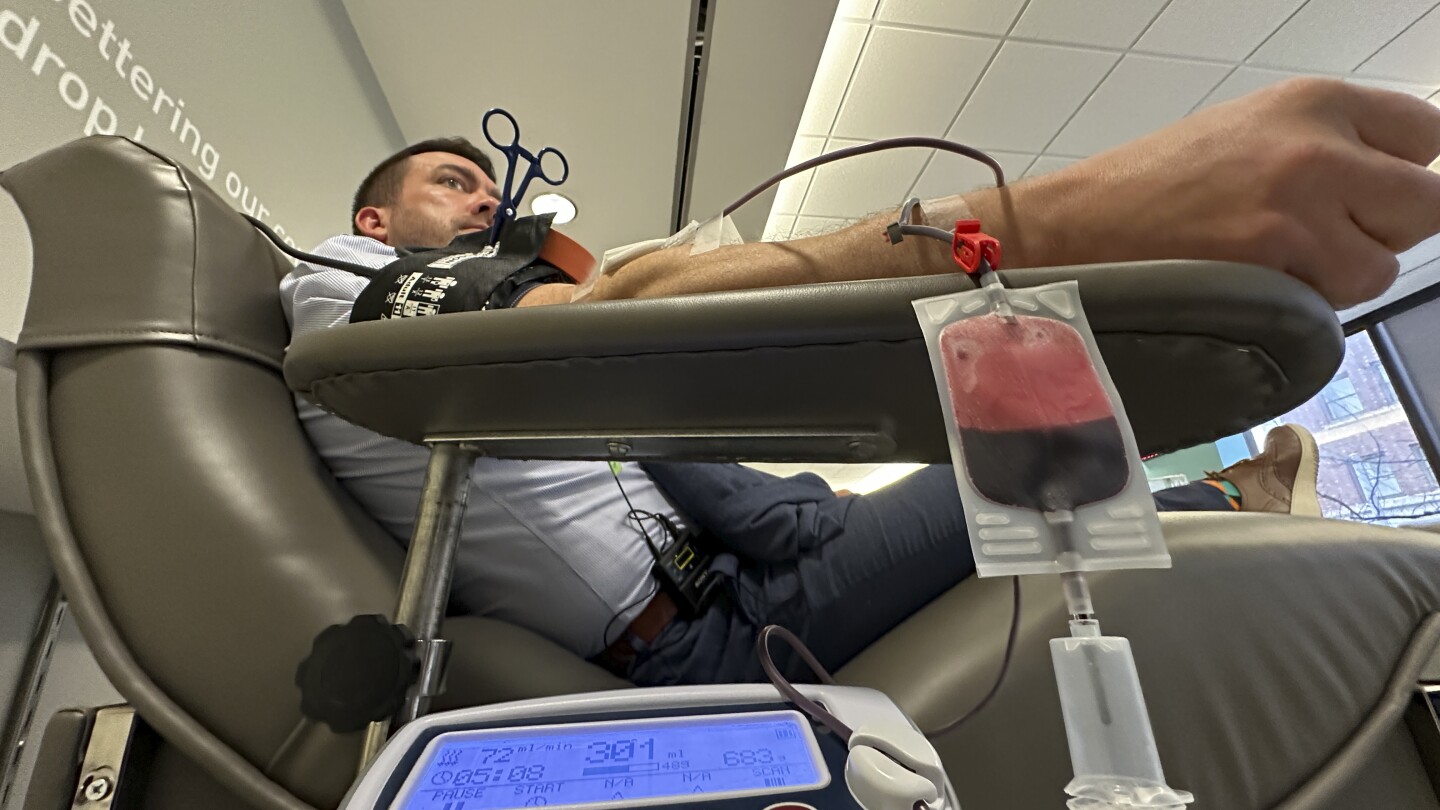
Under new federal guidelines finalized in May, gay and bisexual men in monogamous relationships can now donate blood at many blood centers without abstaining from sex. The guidelines, which put the emphasis on sexual activity rather than sexual orientation, aim to reverse restrictions that were seen as discriminatory. About half of the 16 independent blood bank organizations in the Alliance for Community Transfusion Services have implemented the new guidelines, with more expected to follow next year. The change has been welcomed by many in the LGBTQ+ community who can now contribute to the blood supply and support the mission of blood centers.
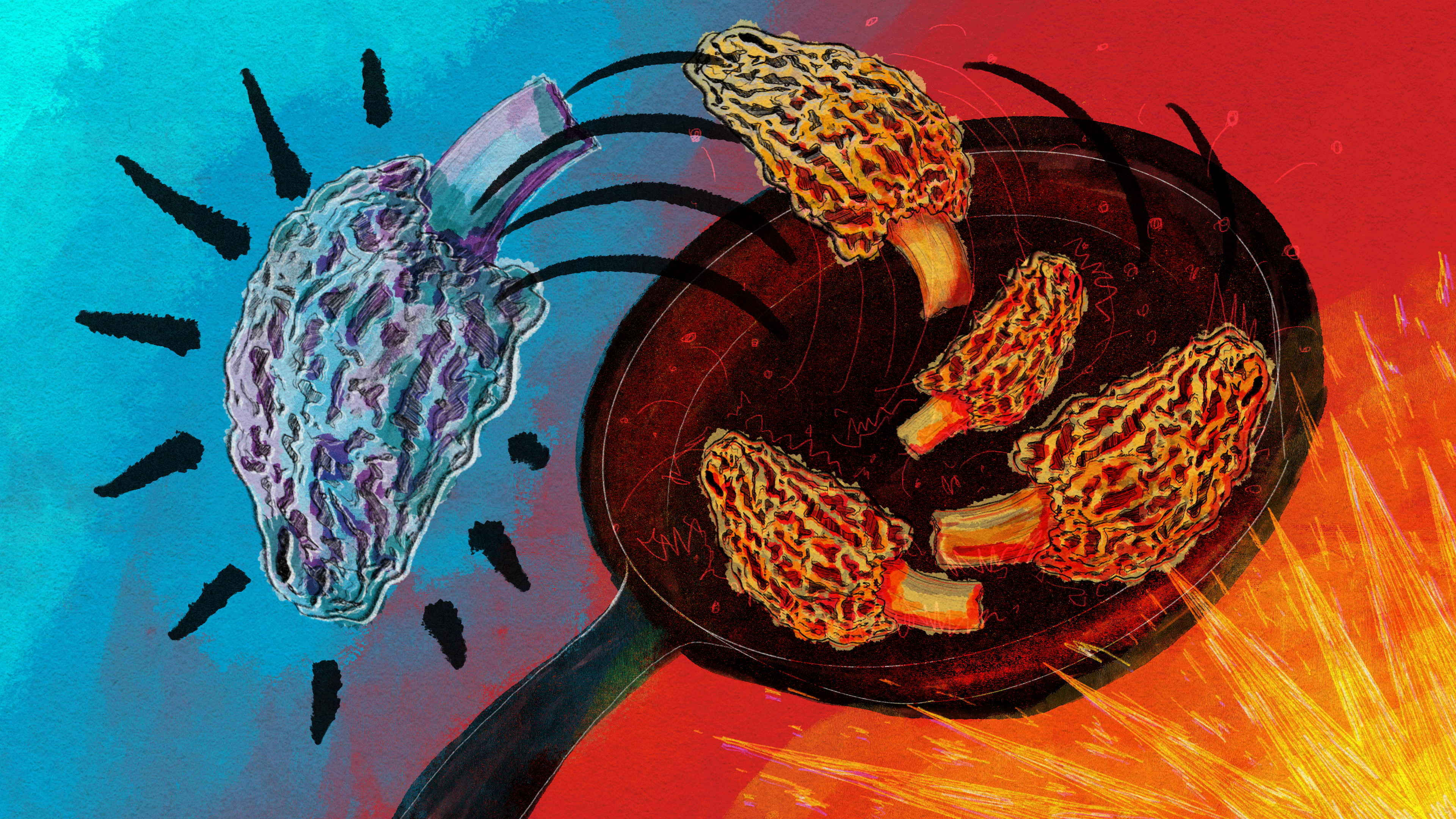
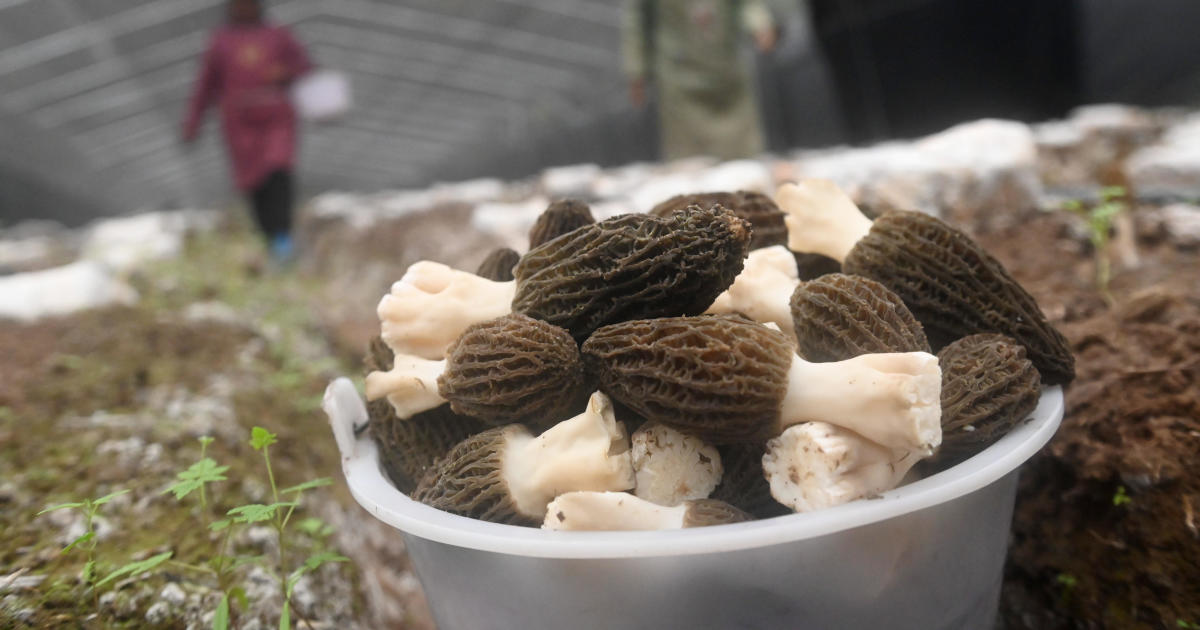
A food poisoning outbreak in Montana, which resulted in two deaths and 51 illnesses, has shed light on the limited knowledge surrounding morel mushrooms and the risks associated with their preparation. The FDA conducted an investigation and found that undercooked or raw morels were the likely cause of the outbreak. The agency has issued guidelines on preparing morels, emphasizing the importance of cooking them properly. However, even with cooking precautions, there is no guarantee of safety. Limited public health information and medical literature exist on morels, and no specific toxin or pathogen was detected in the mushrooms from the implicated restaurant. The FDA's Food Code reveals that most fleshy mushroom species have not been tested for toxicity, and some mushrooms, including false morels, can be deadly or toxic if consumed raw. The outbreak at Dave's Sushi is believed to be one of the first in the U.S. related to morels. The incident highlights the need for better communication, labeling, and consumer education on mushroom safety.
A food poisoning outbreak linked to a Montana restaurant has shed light on the lack of knowledge surrounding morel mushrooms and the risks associated with their preparation. The U.S. FDA conducted an investigation and found that undercooked or raw morels were the likely cause of the outbreak. The FDA has issued guidelines on preparing morels, emphasizing the importance of cooking them properly. However, even with proper preparation, there is no guarantee of safety. Limited public health information and medical literature exist on morels, and samples taken from the restaurant did not detect any specific toxins or pathogens. The FDA's Food Code reveals that most fleshy mushroom species in North America have not been tested for toxicity, and some species, including false morels, can be deadly or toxic. The outbreak at Dave's Sushi is believed to be one of the first in the U.S. related to morels.
Donating blood is safe and healthy for most people, and only a few conditions put you on the lifetime “cannot donate” list. All blood types are needed, and donations of any type are appreciated. There are eight known blood types, and O type blood is always in demand because it can be used for all procedures. The FDA has updated its guidelines to allow gay and bisexual men to give blood, but blood bank officials will ask each potential donor about their history of high-risk behavior within the prior three months.