The article recounts the history and legacy of the Game Genie, an unlicensed NES accessory that allowed players to modify game behavior, its legal battles with Nintendo, and its influence on gaming culture and fair use law, drawing parallels to modern AI and copyright issues.
Meta won a legal case against authors who claimed the company used their copyrighted works without permission to train AI, with the judge ruling that the authors failed to prove their market was diluted, though the decision leaves open questions about the legality of AI training practices under fair use. The case highlights ongoing tensions between AI development and copyright law.
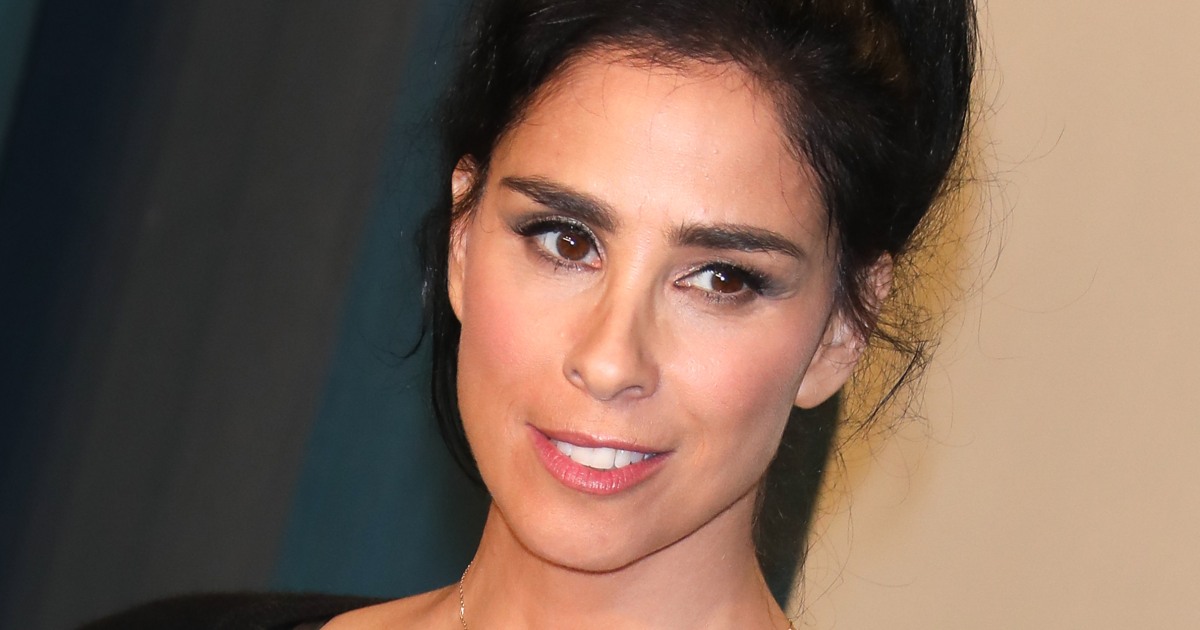
A federal judge dismissed a lawsuit by 13 authors, including Sarah Silverman and Junot Díaz, claiming Meta's AI training on their books violated copyrights, ruling that Meta's use was protected as fair use and did not harm the market for original works.
A federal judge ruled in favor of Meta in a lawsuit claiming the company illegally trained AI models on copyrighted books, citing fair use and transformative use, though the decision is limited to this case and does not set a broad legal precedent for all AI training practices.
A U.S. judge ruled that Anthropic's use of copyrighted books for AI training qualifies as fair use, marking a significant legal milestone, but also opening the door to ongoing litigation over copyright infringement and the legality of using pirated content for AI development.
A federal court ruled that AI company Anthropic's use of copyrighted books for training its chatbot Claude was fair use, but ordered a trial over allegations of using pirated books.
Anthropic won a significant legal victory by being allowed to train its AI on copyrighted works under the fair use doctrine, marking a landmark case in AI copyright law. However, the court also ruled that Anthropic's use of pirated materials was not justified, and the company may face a trial over piracy claims, with potential damages in the billions due to its extensive use of pirated books.
The increasing number of copyright lawsuits against AI companies like OpenAI and Stability AI, filed by big media companies, poses a significant threat to the modern AI industry. The lawsuits claim that AI companies are profiting from copyrighted work, leading to a complex legal battle centered around the concept of fair use. With the legal system's subjective nature and high stakes involved, the outcome of these lawsuits could have a profound impact on the future of AI, akin to the challenges faced by file sharing sites in the early 2000s.
A federal judge in California has partially dismissed a copyright lawsuit brought by authors including Sarah Silverman and Michael Chabon against OpenAI over the alleged use of their books to train the ChatGPT chatbot. The judge granted most of OpenAI's motion to dismiss the claims, rejecting arguments that the AI's output infringes copyrights and unjustly enriches the company. The court has yet to address the broader question of whether tech companies' unauthorized use of internet-scraped material to train AI infringes copyrights on a large scale. OpenAI and other companies argue that their AI training is protected by fair use, while the authors have been given permission to file an amended complaint.
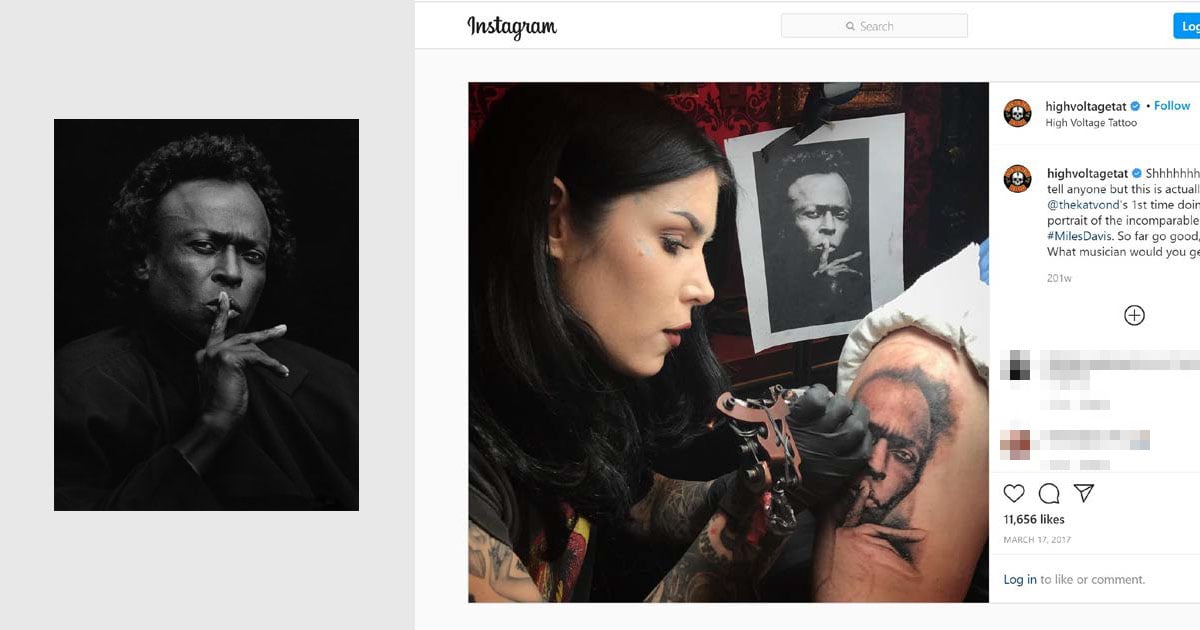
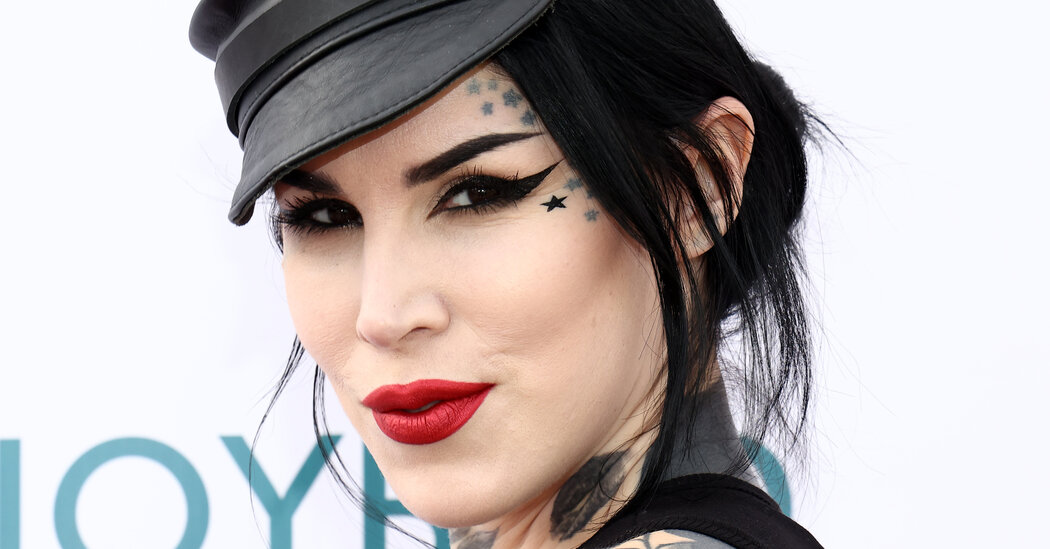
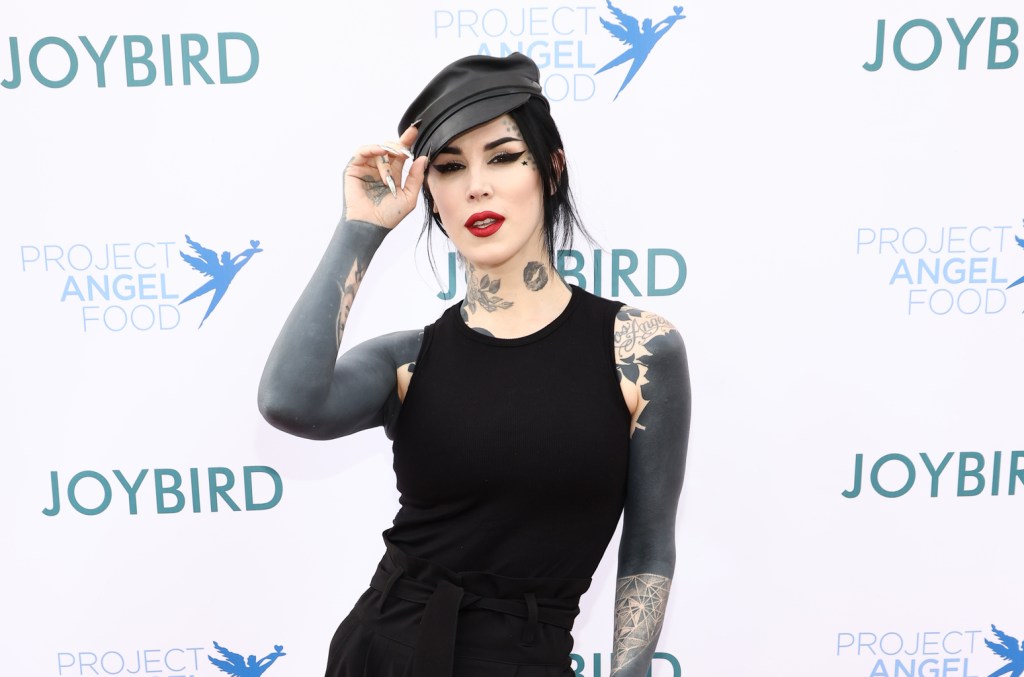
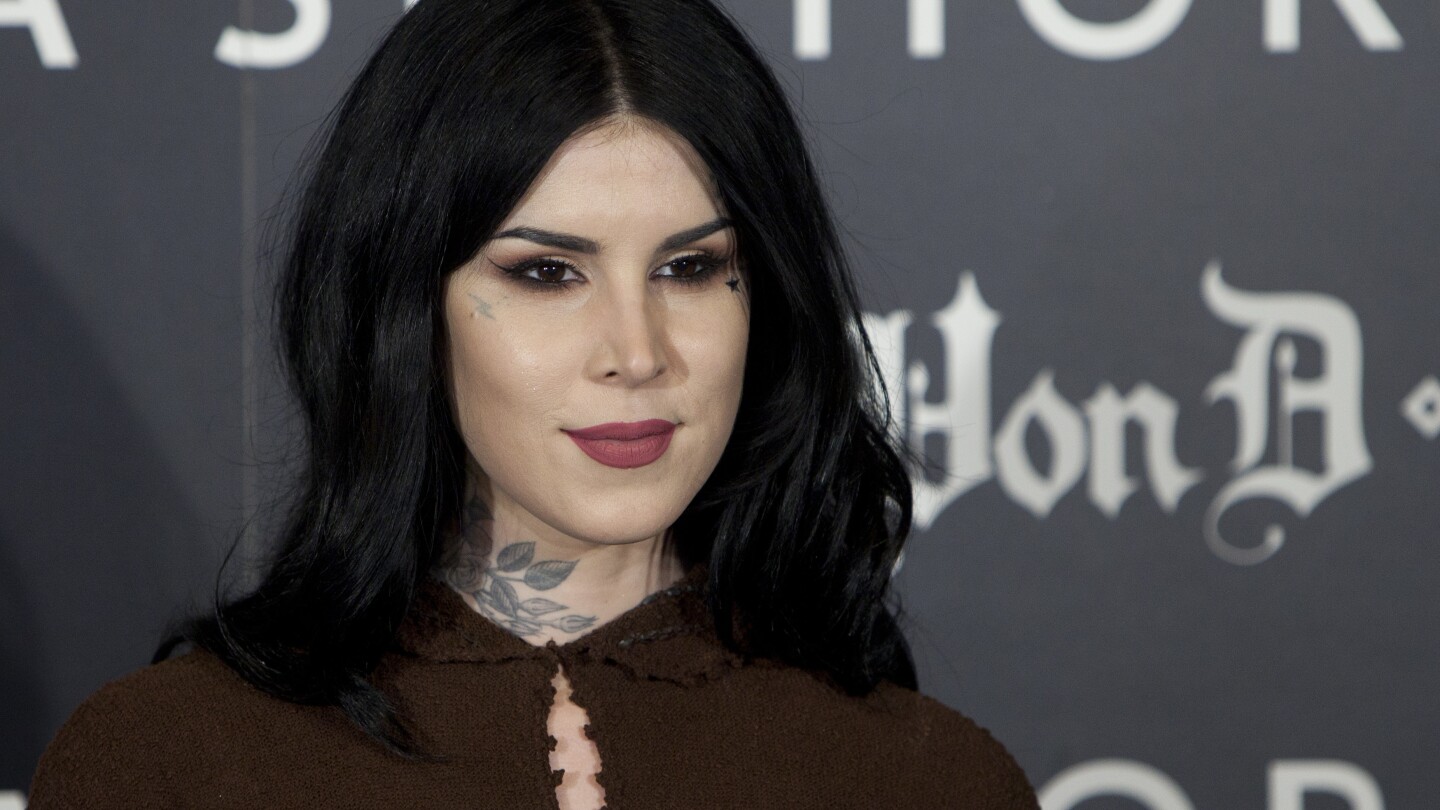
Celebrity tattoo artist Kat Von D wins a copyright infringement trial over her use of a photograph of Miles Davis for a tattoo, with jurors ruling that her reproduction was not substantially similar to the original image and therefore did not violate copyright law. The jury also found that her related social media posts qualified as fair use. Von D expressed relief at the verdict, stating that the case should never have been brought, while the photographer's lawyer plans to appeal the decision. This trial adds to the ongoing debate over what constitutes fair use of copyrighted material, following a recent U.S. Supreme Court ruling on a similar case involving Andy Warhol's portraits of Prince.
Celebrity tattoo artist Kat Von D won a federal court battle when a jury unanimously ruled that her tattoo reproduction of a photo of jazz musician Miles Davis did not violate copyright law. The lawsuit, which raised questions about fair use of copyrighted material, centered around a 1989 photo of Davis taken by photographer Jeffrey Sedlick. Kat Von D had posted a photo on Instagram in 2017 of her tattooing the image on someone's arm, sparking the legal dispute.
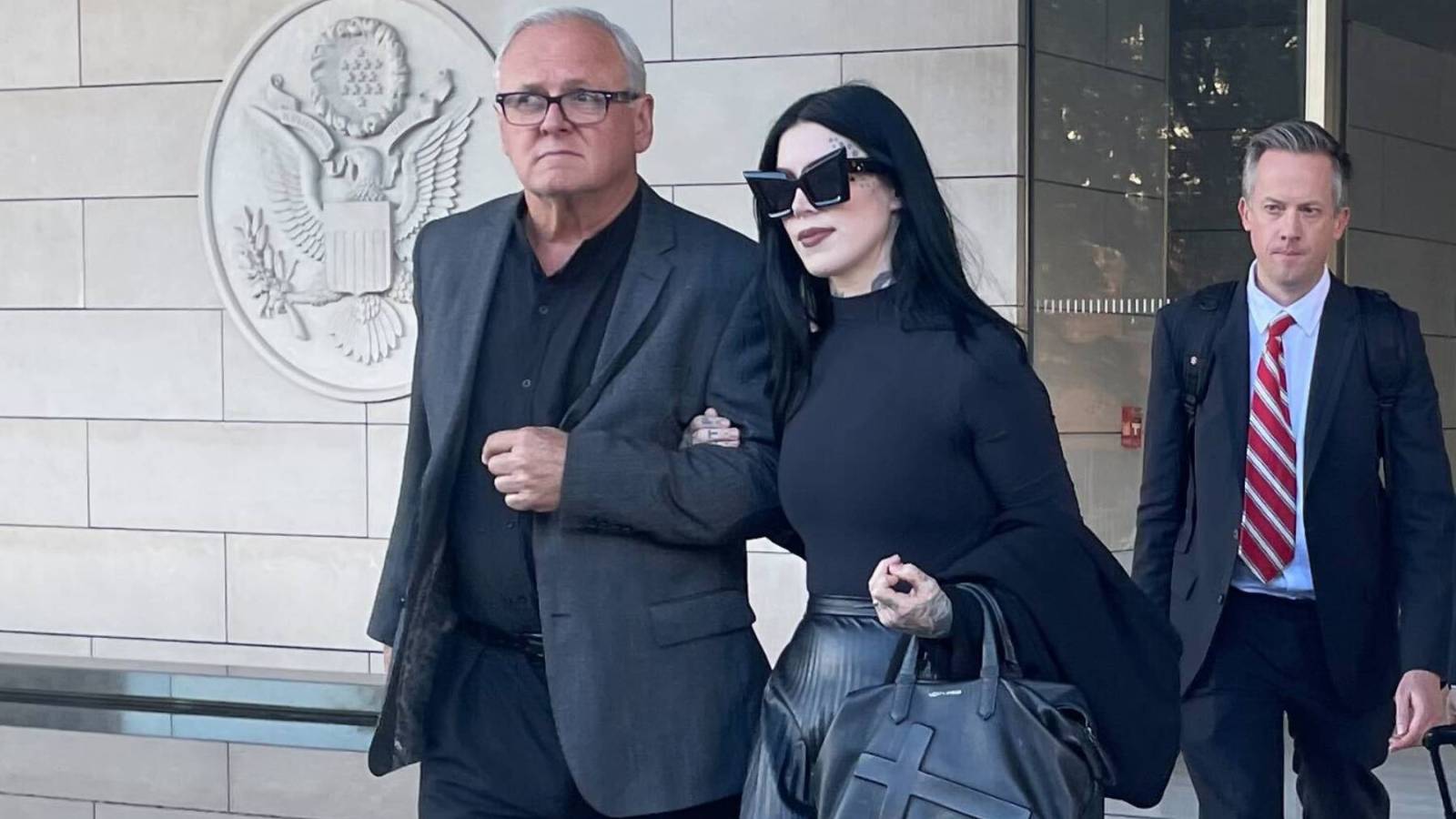
Celebrity tattoo artist Kat Von D has won a legal battle against photographer Jeffrey Sedlik, who sued her for using his portrait of Miles Davis as the basis for a tattoo she inked on a friend's arm. A Los Angeles jury found that the tattoo, drawing, and social media posts all fell within the legal doctrine of fair use, giving Von D a resounding victory. Sedlik's attorney plans to appeal, arguing that the images were substantially similar and that the case is about copying protected works, not tattoos. Von D, despite the victory, expressed reluctance to return to tattooing.
Celebrity tattoo artist Kat Von D wins a copyright infringement trial over a Miles Davis tattoo she inked on a friend free of charge seven years ago, with jurors unanimously deciding that the tattoo and related social media posts were not substantially similar to the reference photo used. The plaintiff, a professional photographer, sought damages but the jury found in favor of Von D, with her lawyer emphasizing that the tattoo was a gift and not reproduced for profit, while experts and jurors expressed support for her stance.
A jury found that celebrity tattoo artist Kat Von D did not violate a photographer's copyright when she used his portrait of Miles Davis as the basis for a tattoo, ruling that the tattoo, drawing, and social media posts fell within the legal doctrine of fair use. The photographer's attorney plans to appeal, arguing that the images were substantially similar and that the case is about copying protected works, not tattoos. Von D, who considers the tattoo a form of "fan art," emphasized that she made no money from it, while her attorney argued that the lack of commercial gain was essential to the fair use claim.
Richard Prince and his galleries have settled two copyright lawsuits brought by photographers over his "New Portraits" series, in which he reproduced Instagram screenshots on canvas. The settlement includes restrictions on reproducing, modifying, or selling the contested artworks, as well as financial awards to the original photographers. The lawsuits revolved around the boundaries of fair use and transformative art, with Prince arguing that his practice is protected by fair use exceptions to federal copyright protections.