Unveiling the Secrets of Volcanic Fountaining
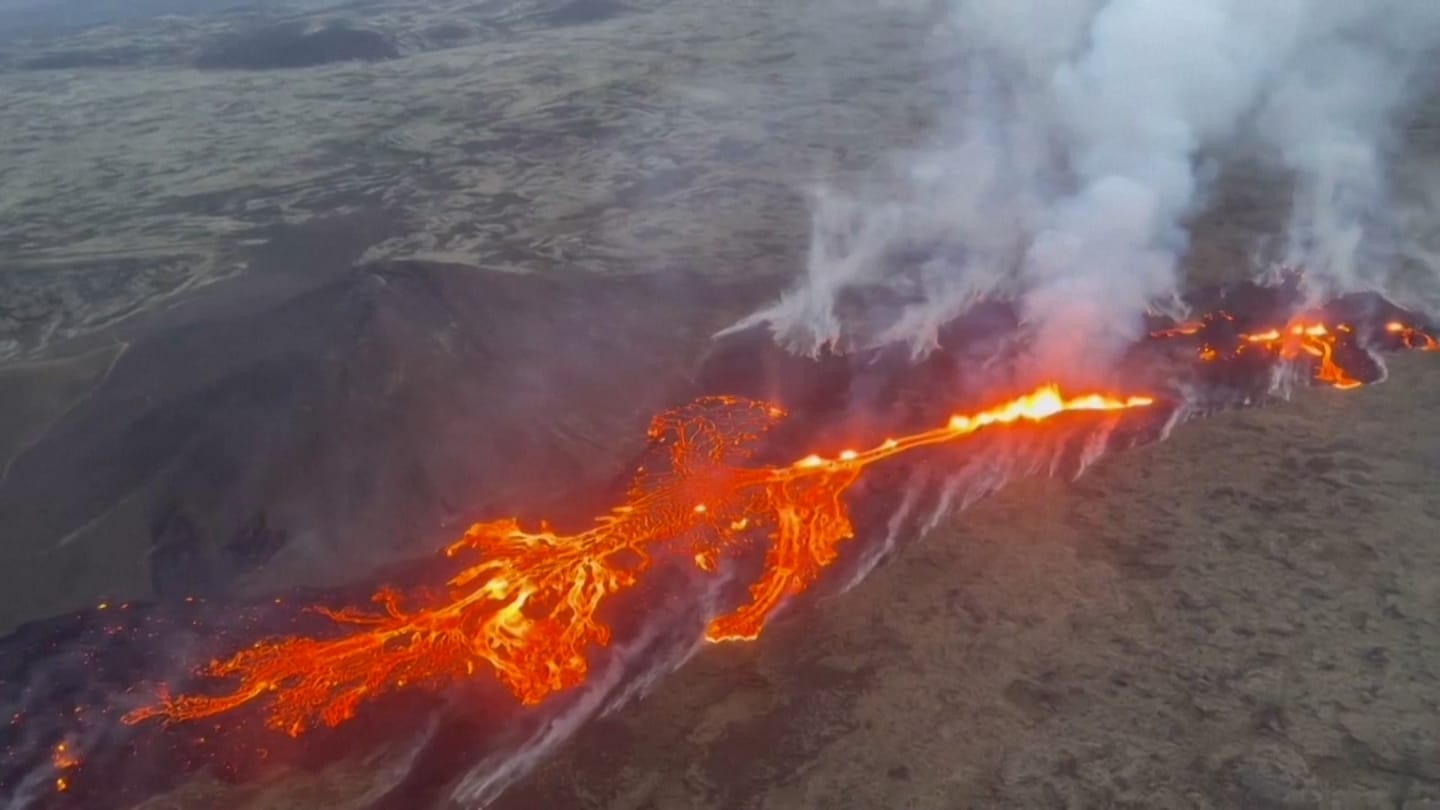
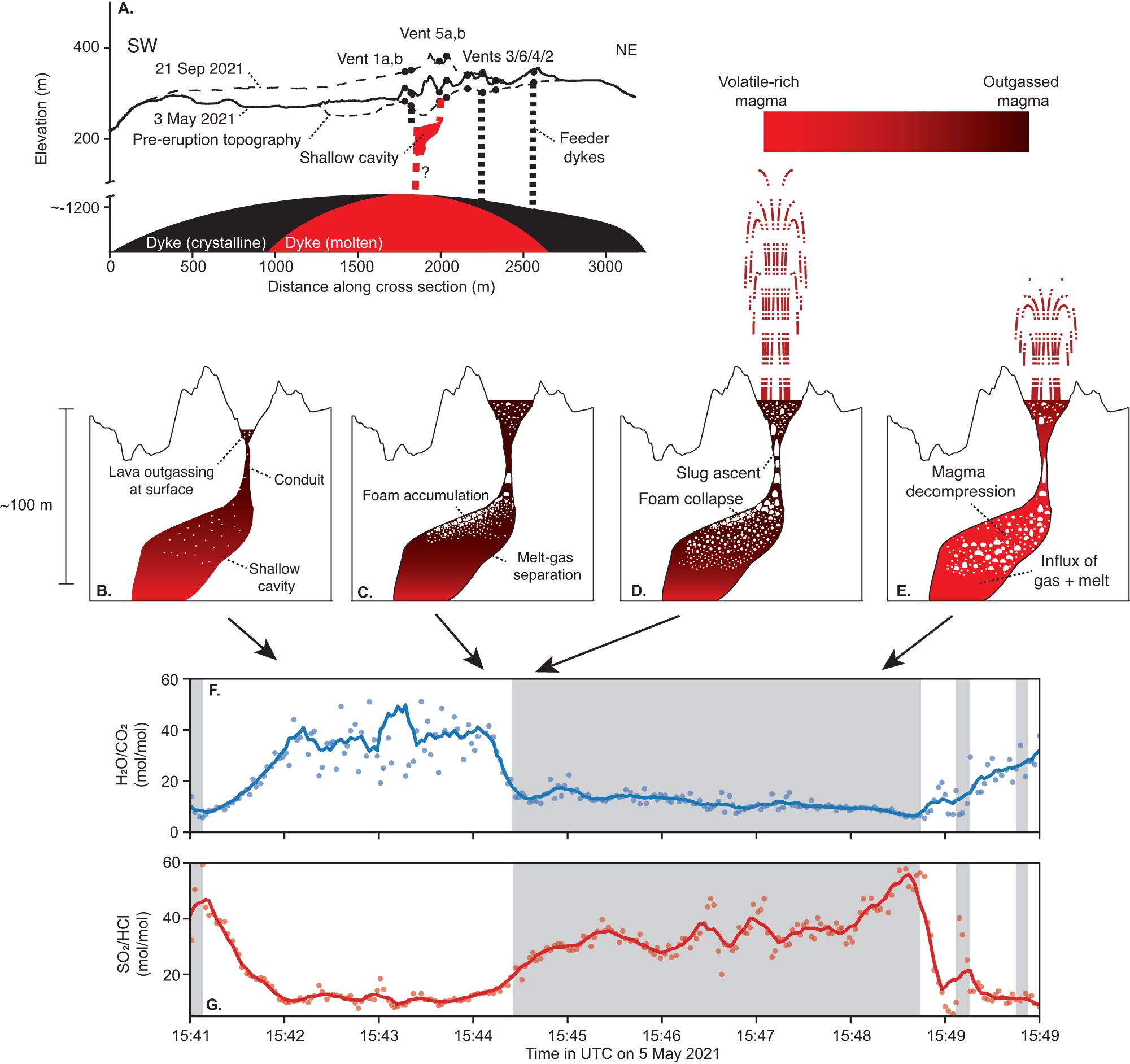
A multi-institutional team of scientists has developed a new theory to explain volcanic fountaining based on their study of the 2021 eruption of the Fagradalsfjall volcano in Iceland. They propose that volcanoes like Fagradalsfjall have a shallow cavity filled with magma, and as magma ascends into the cavity, gases create a foam layer at the top. The collapse of this foam layer generates pressure that pushes magma into the air, creating a fountain effect. The cyclic nature of fountaining is attributed to gases repeatedly creating a foam layer inside the cavity. Further research is needed to validate this theory and its applicability to other volcanoes worldwide.