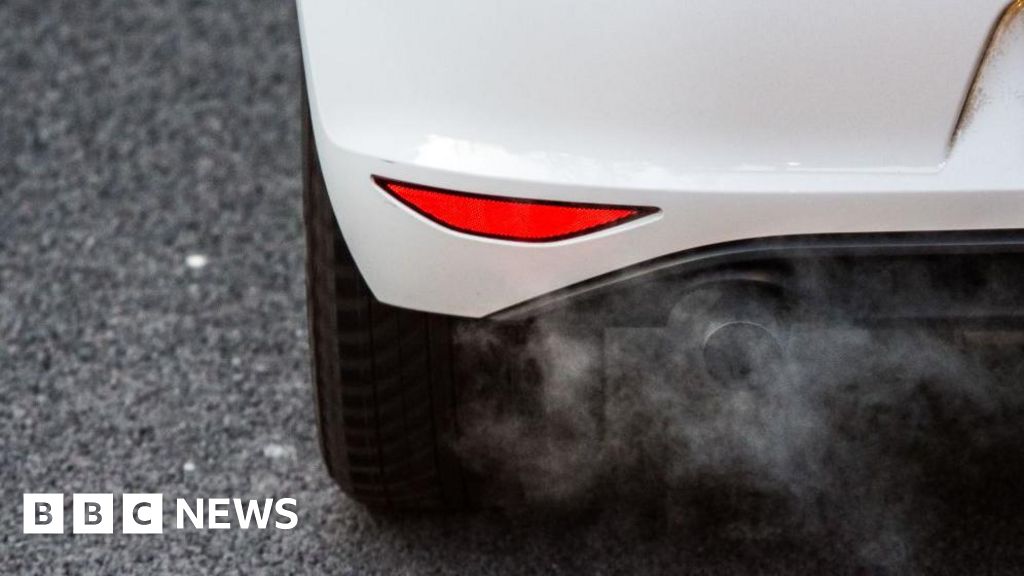
A major lawsuit is set to begin in the UK against Mercedes, Ford, Peugeot/Citroën, Renault, and Nissan over allegations of cheating on emissions tests using defeat devices, part of the ongoing dieselgate scandal. The case could involve 1.6 million car owners and is the largest class action in UK legal history, with a verdict expected by summer 2026. The companies deny the allegations, which claim they misled consumers about vehicle emissions and continued to emit harmful pollutants.
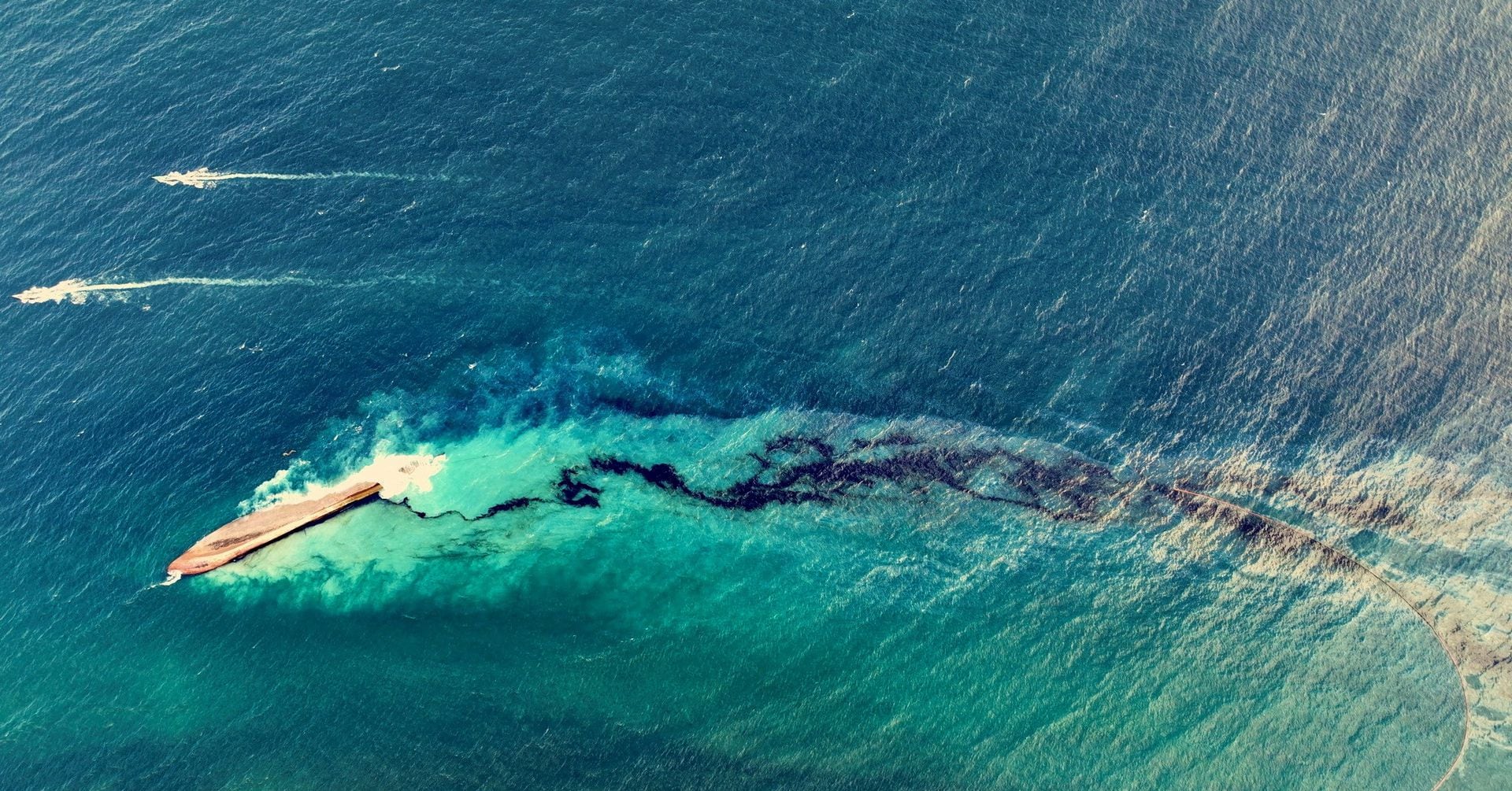
Trinidad and Tobago is dealing with a 12-kilometer oil spill off the coast of Tobago island, with efforts focused on containing the spill, protecting the coastline, and cleaning affected beaches. The spill was caused by a vessel named "the Gulfstream," and while initial evaluations show limited impact on wildlife, the government is continuing to investigate the incident and its environmental impact. Energy companies, including British BP, have provided equipment to assist with the cleanup.
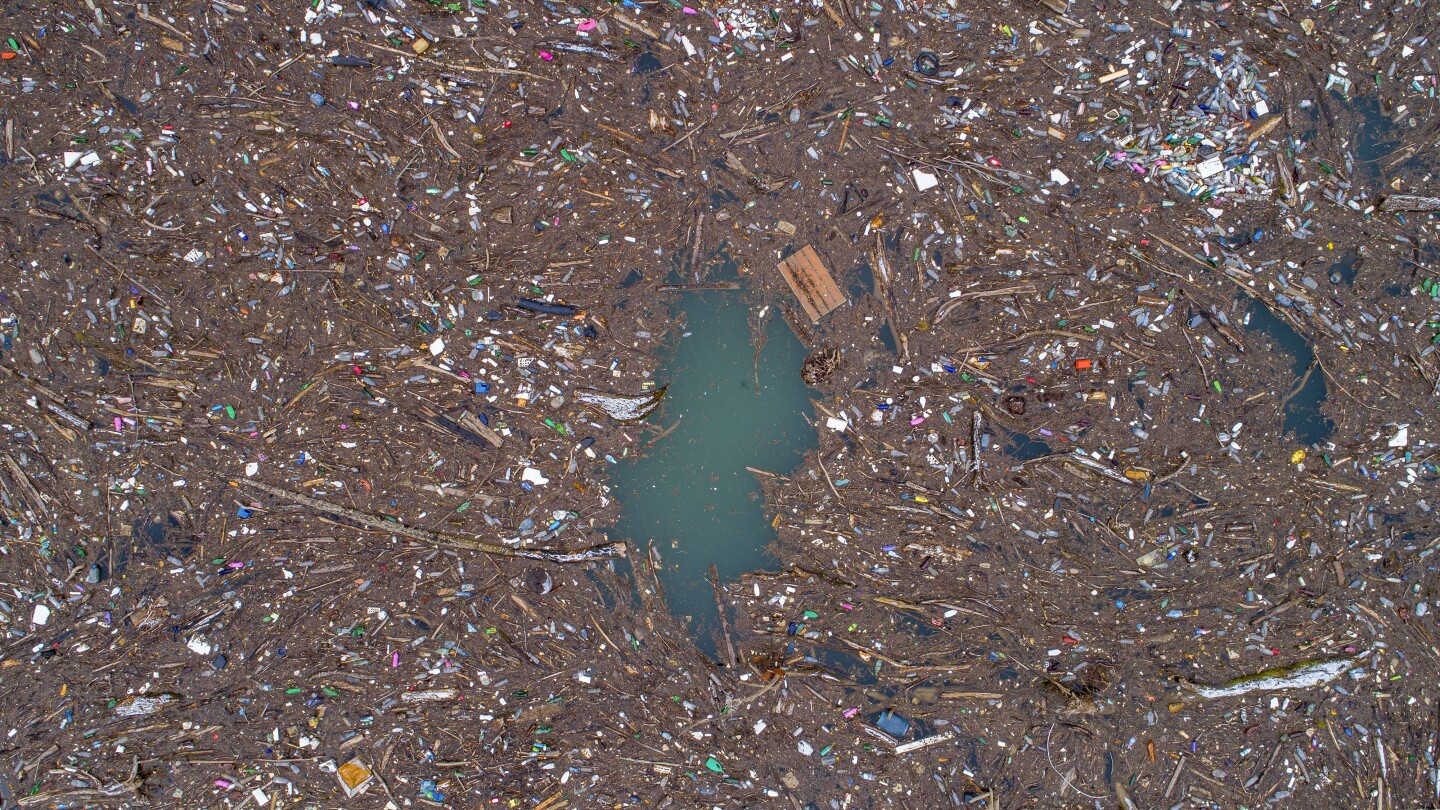
Tons of garbage, including plastic bottles, rusty barrels, and household appliances, regularly clog the Drina River near Visegrad, Bosnia, due to inadequate waste disposal systems and illegal landfills in the Western Balkans. The recurring issue not only poses environmental and health hazards but also hinders the town's tourism prospects. Environmental activists are calling for improved waste management, including the installation of trash barriers and the establishment of waste collection teams in upstream municipalities to prevent further pollution of the river.
Many companies are now avoiding the acronym ESG, which stands for environmental, social, and governance efforts, due to investor backlash, political pressure, and legal threats. This shift comes after years of widespread use of the acronym and signals a conscious effort by business leaders to distance themselves from the controversies surrounding ESG initiatives.
The U.S. Environmental Protection Agency (EPA) has determined that drinking water in eight counties in Minnesota has unsafe levels of nitrate contamination, posing an "imminent and substantial" threat to public health. The EPA has requested that Minnesota develop a plan to protect residents affected by the contaminated water, including providing alternative drinking water. The state has 30 days to respond with a work plan addressing testing, outreach, and offering alternative water to impacted individuals. The Karst Region, which includes Dodge, Fillmore, Goodhue, Houston, Mower, Olmsted, Wabasha, and Winona counties, is particularly susceptible to groundwater contamination due to agricultural runoff and faulty septic systems exacerbated by climate change.
A submerged tugboat in San Joaquin County's Empire Tract area is leaking fuel and oil into the Delta waterway near Herman and Helen's Marina. The sheriff's office, along with several outside agencies, is working to contain the spill and minimize its impact on wildlife.
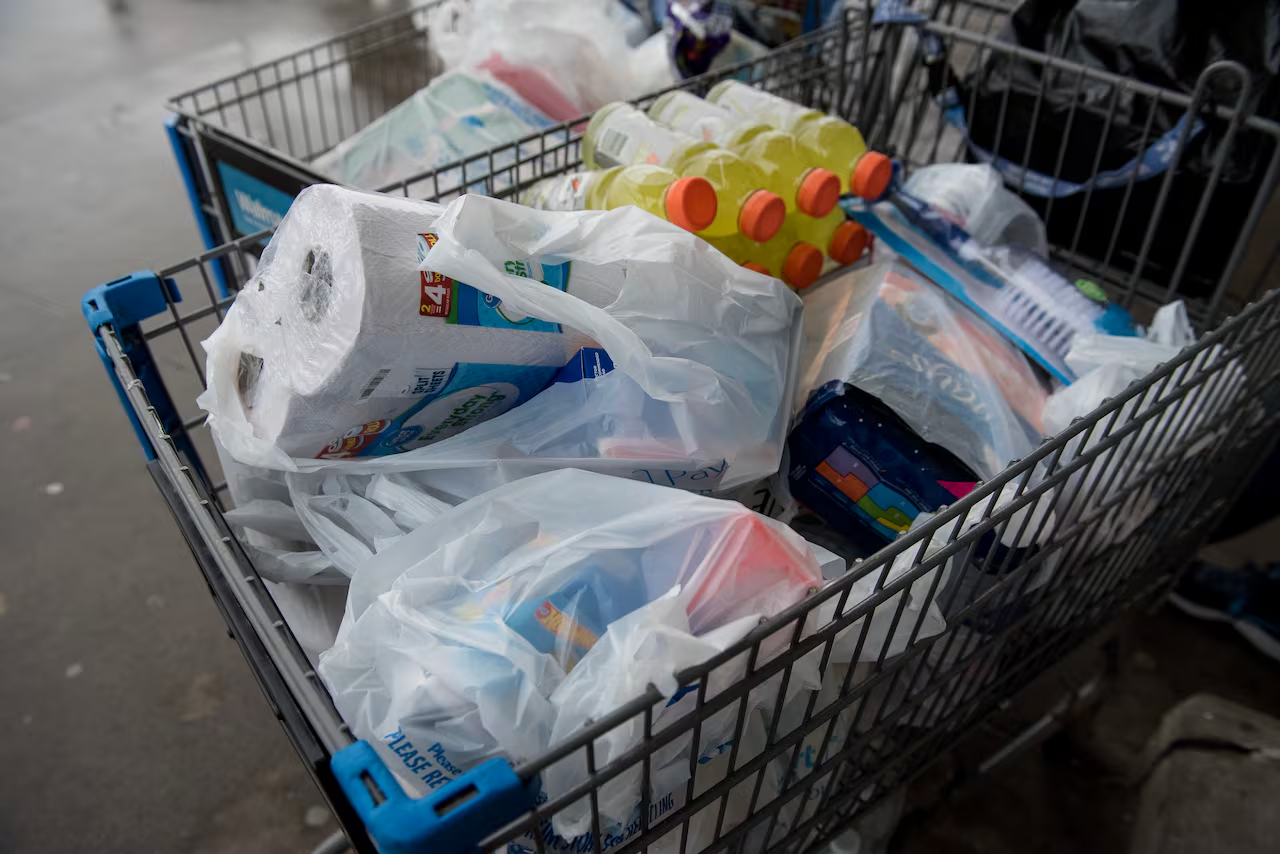
Lancaster Township in Pennsylvania's Lancaster County has passed an ordinance banning single-use plastic bags, which will take effect on January 1, 2024. The ban applies to grocery stores, pharmacies, corner stores, and all other retailers, who will be required to post warning signs 30 days prior to the ban. After the ban, retailers can charge for paper bags, and those still using plastic bags will face a daily fine of $500 for non-compliance. The township received minimal feedback from commercial businesses regarding the ordinance.
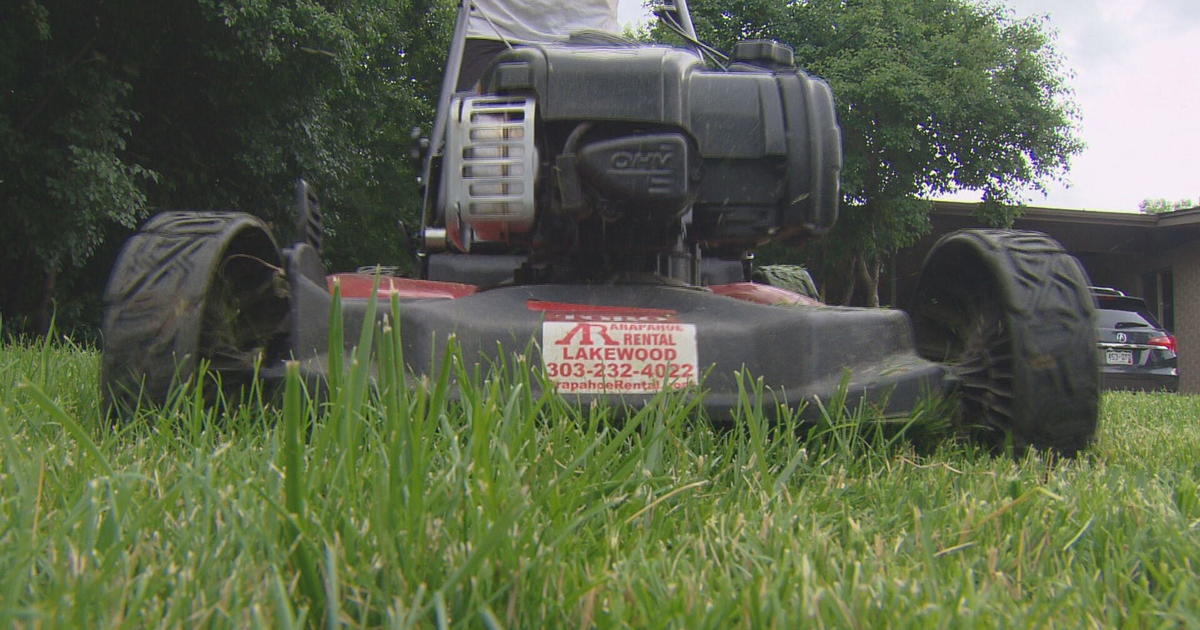
The Regional Air Quality Council in Denver is considering a ban on the sale of gas-powered lawn equipment, such as lawnmowers, leaf blowers, and weed whackers, as well as limiting their commercial use from June to August, starting in 2025. The move is aimed at improving air quality in the Denver Metro Area, as gas-powered lawn equipment is known to be highly polluting. Advocates argue that there are already many electric options available at various price points, but critics, including the Associated Landscape Contractors of Colorado, believe the technology is not yet supportive of the change. The council will vote on the policies, but state approval will ultimately be required.