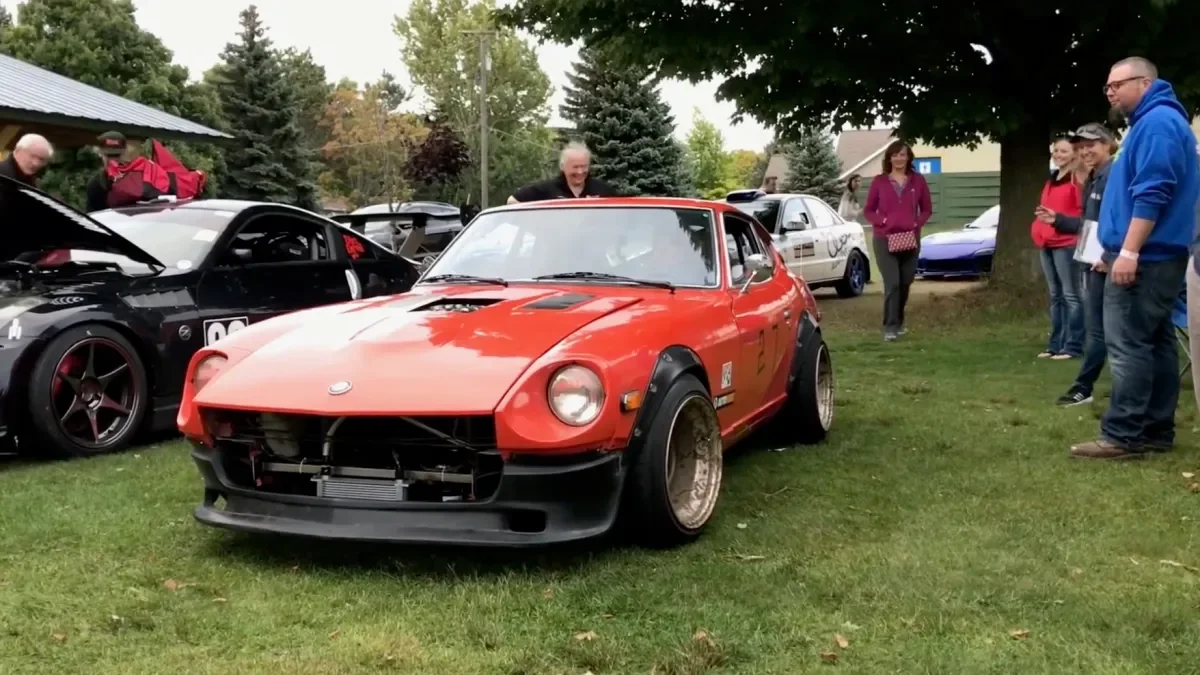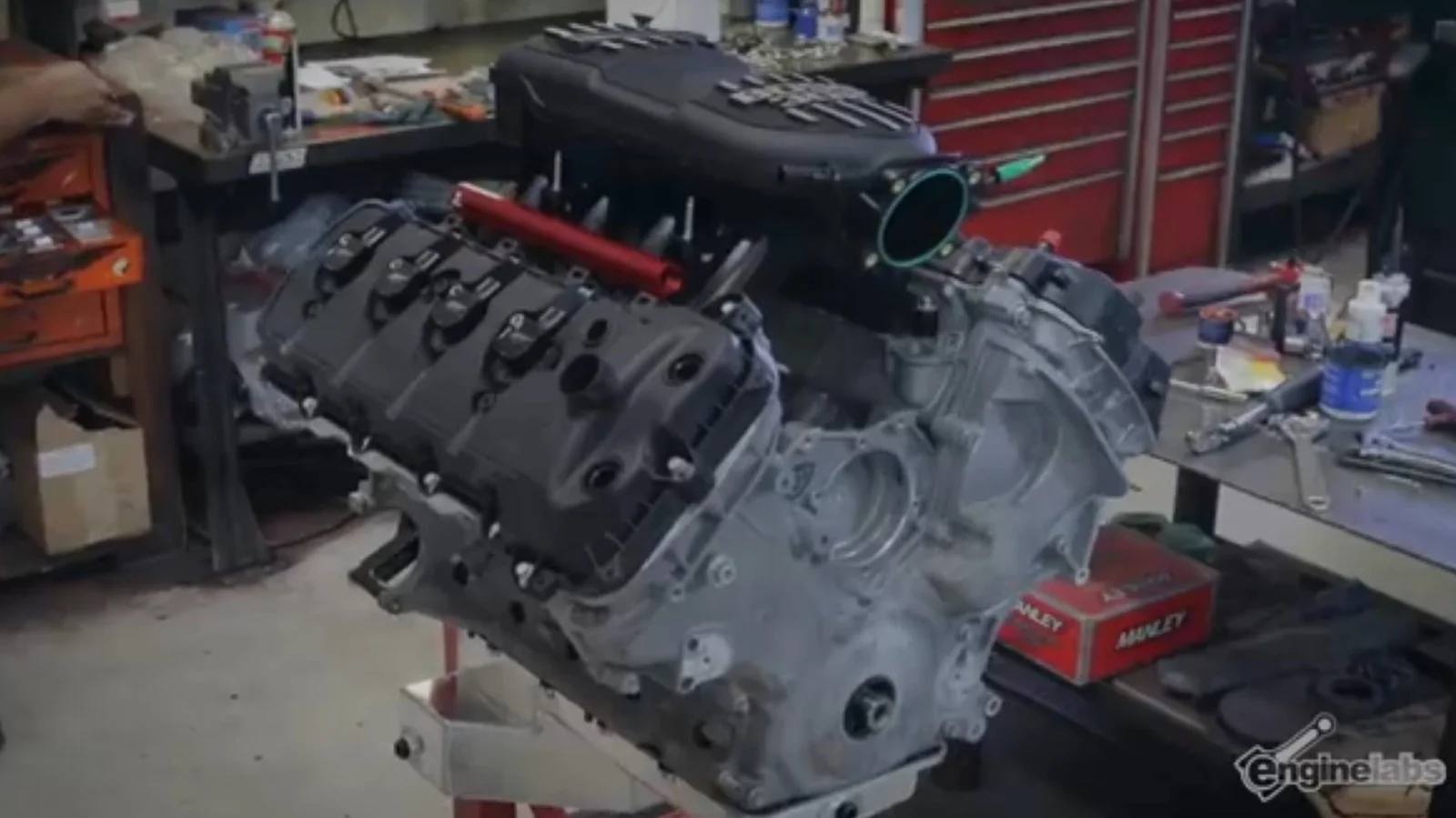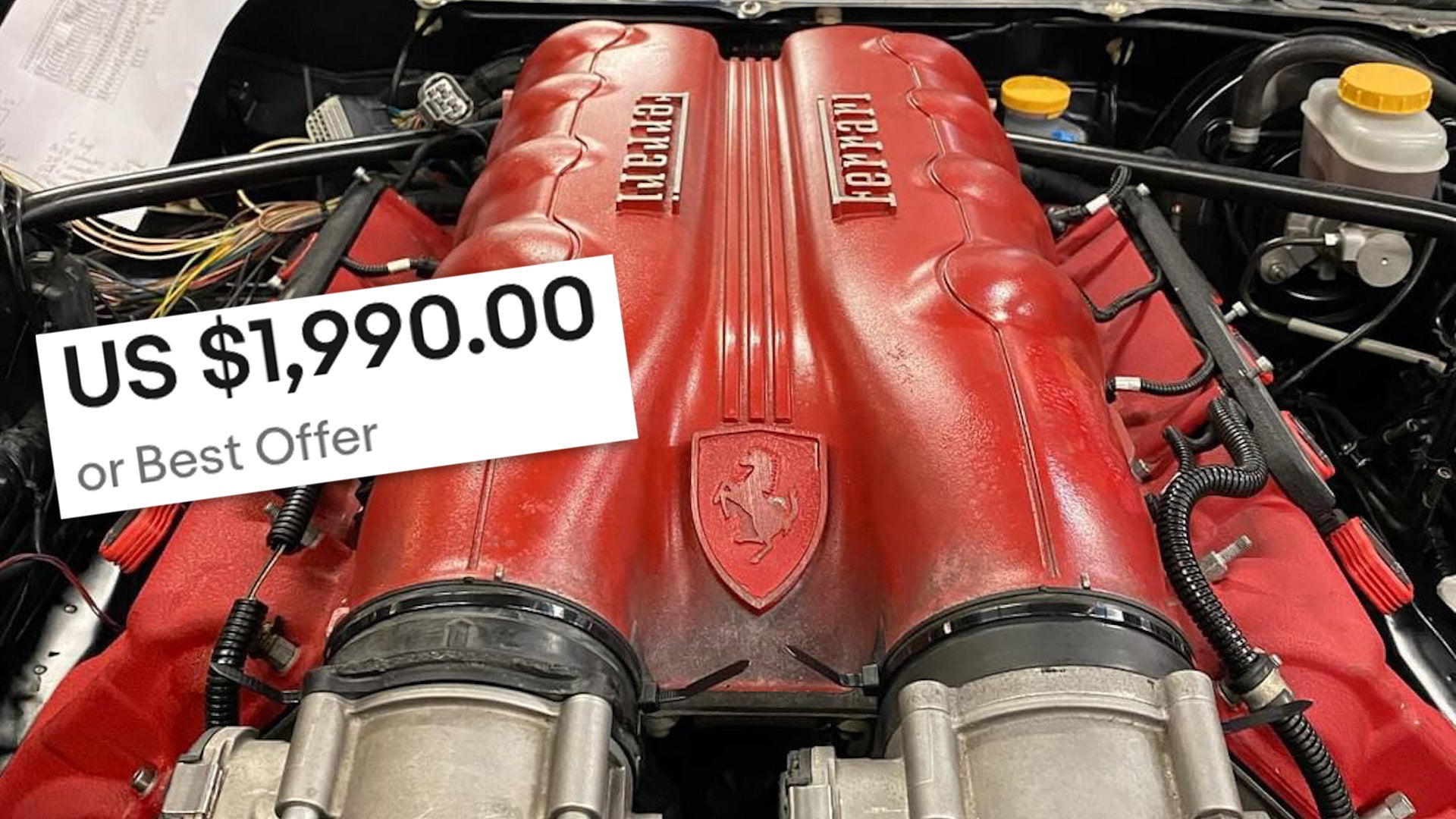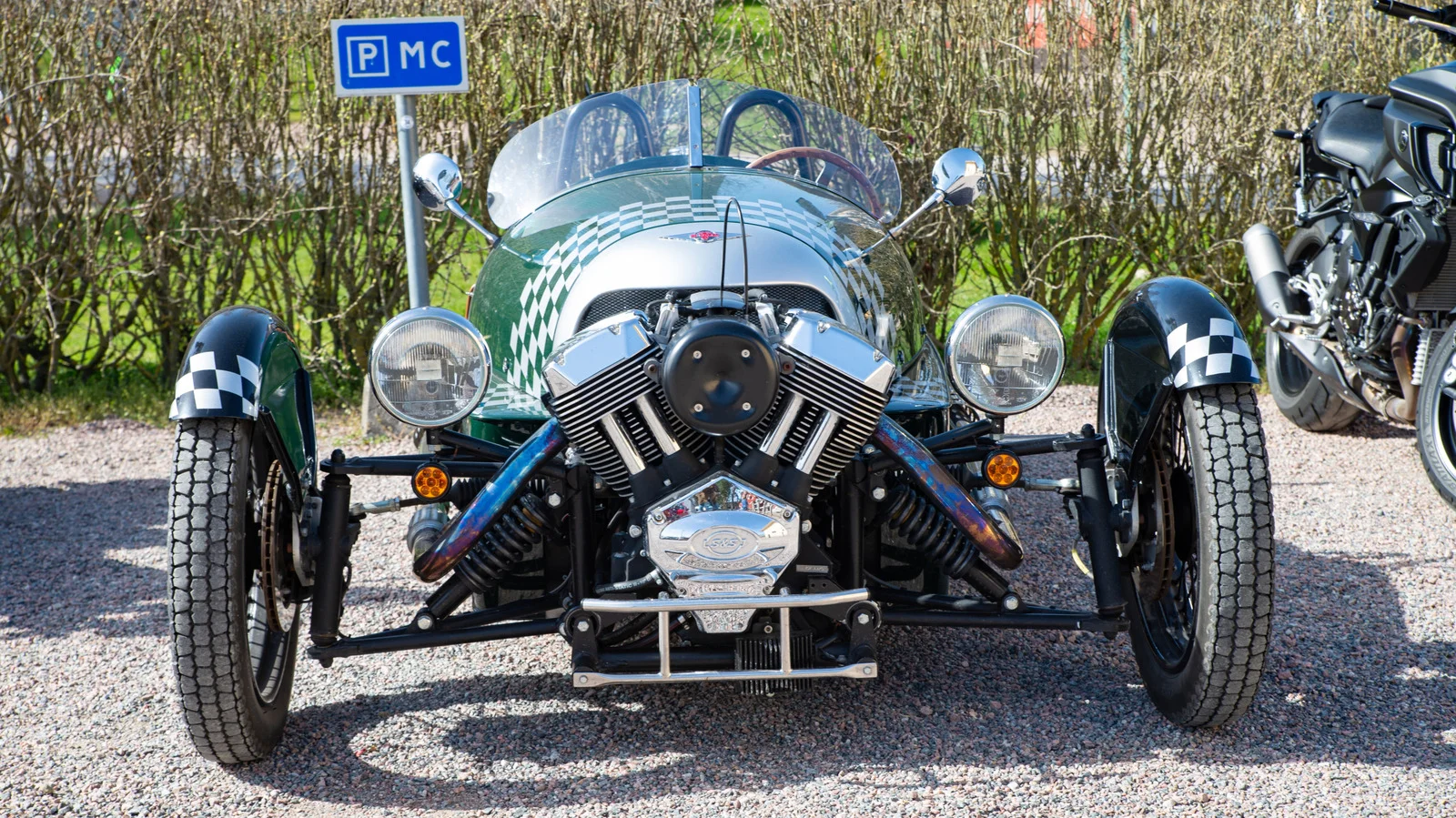
Ferrari-made V8 engines, specifically the F136, are available for surprisingly low prices, often under $2,000, due to their use in Maserati vehicles and lack of demand. However, the challenges of swapping and utilizing these engines in non-Ferrari vehicles are significant, with unique solutions required for installation and compatibility issues. While the F136 offers a distinct sound and performance, its maintenance costs and limited tuning potential make it a less practical choice compared to more common engine swaps like GM's small-block V8s or Honda's K-series.
The 3.5-liter Ecoboost-swap Mustang community is gaining attention, with enthusiasts swapping the engine from F-150s into mid V6 Mustangs for significant performance gains, potentially reaching upwards of 700 horsepower with off-the-shelf kits. While the swap may require some effort due to modern electronics and fitment challenges, the availability of parts from various Ford vehicles makes it an appealing project for those looking to boost their Mustang's performance.
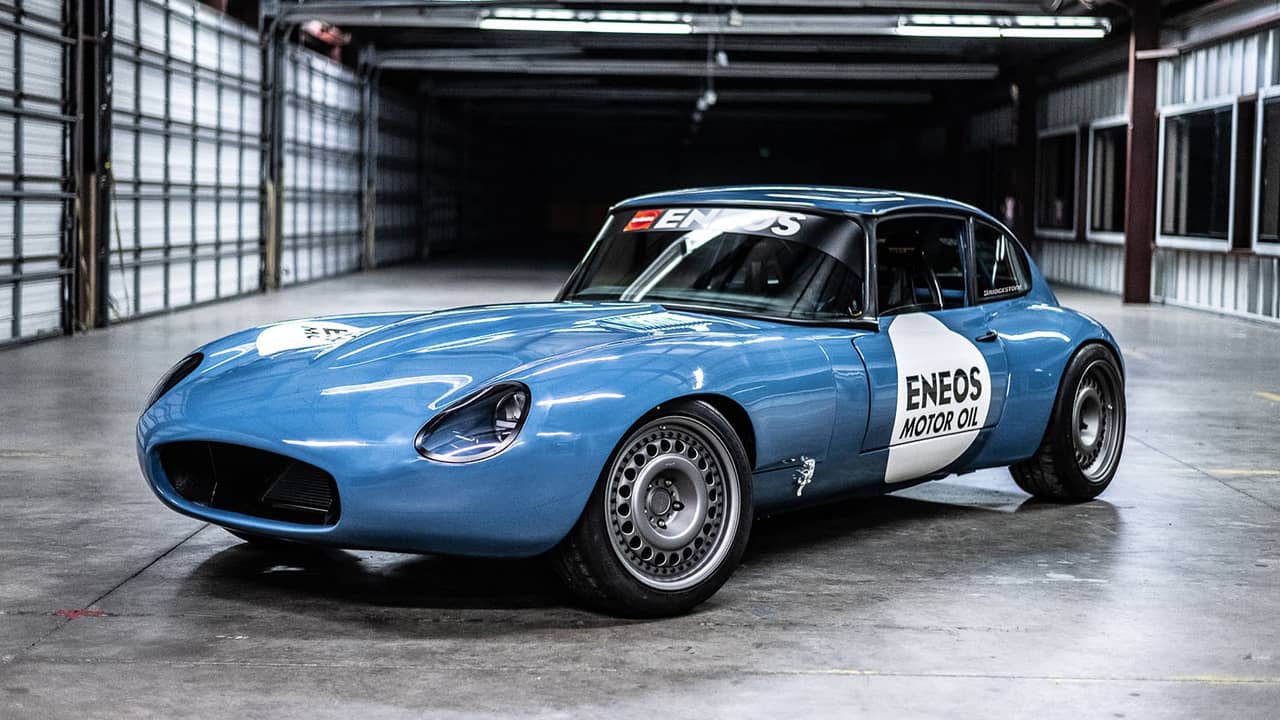
Japanese motor oil manufacturer ENEOS has unveiled a heavily modified Jaguar E-Type featuring a Toyota Supra's 2JZ-GTE 3.0-liter turbo engine, producing 750bhp. The retro-modded E-Type also incorporates BMW subframes, Corvette brakes, widened carbon fiber arches, custom-built alloys, and various other modern upgrades. ENEOS describes the conversion as a Frankenstein-like transformation that combines classic British design with modern technology.
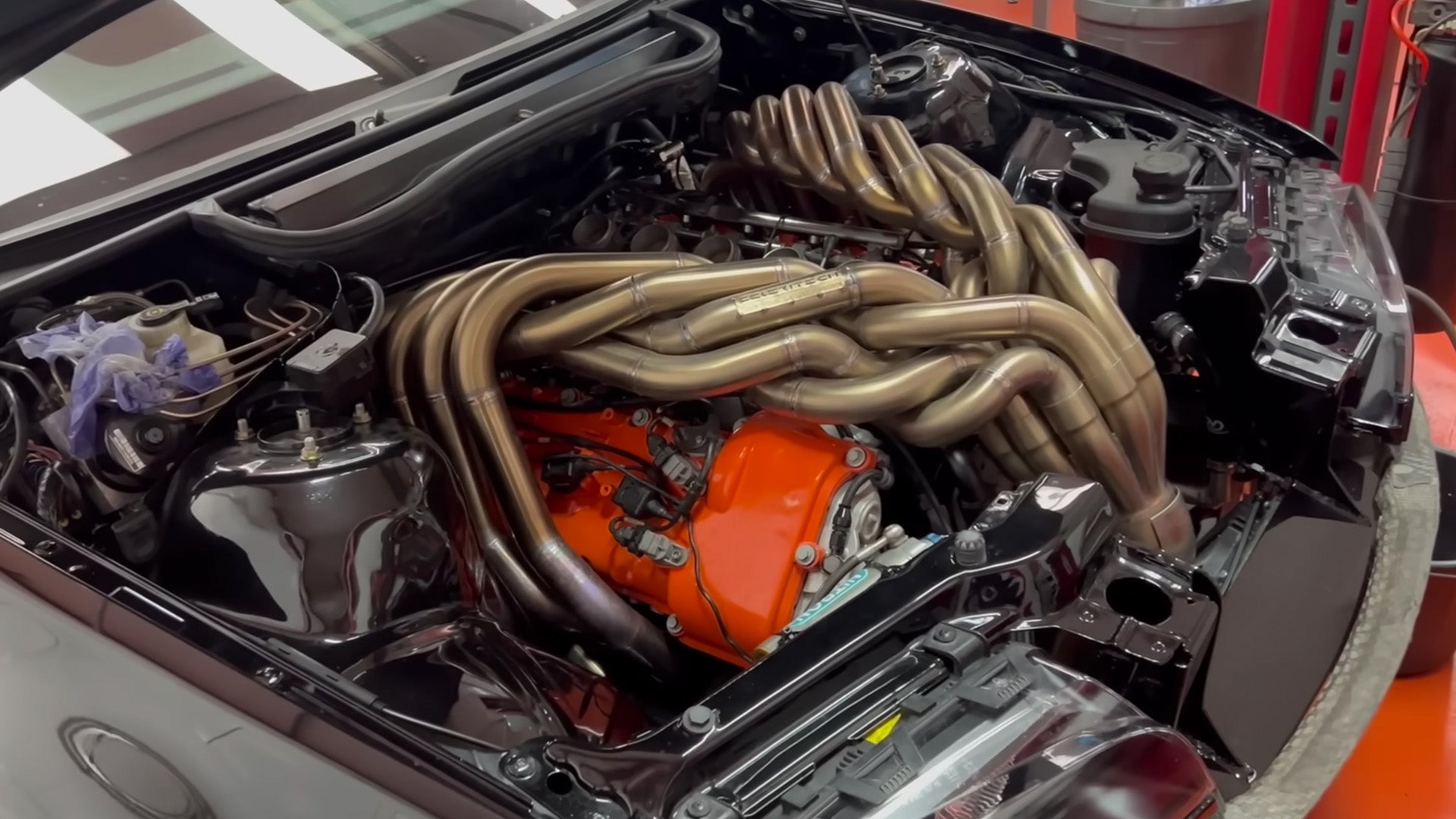
The Driftworks V10 E46 M3, originally built with an S85 V10 engine from an E60 BMW M5, has been upgraded with custom 10-into-1 headers from Celeritech. These headers not only aim to increase power by optimizing exhaust gas scavenging, but also create a unique and higher-pitched exhaust note. The car, which was recently restored by Driftworks, features a five-exit exhaust system and offers the option of an open exhaust dump. While power gains have not been measured yet, the focus of the upgrade was on style and sound.
Deutsche Auto Parts built a tribute version of Jesse's Volkswagen Jetta from the original Fast and Furious film, swapping in a modern engine from a Mk 7 GTI for increased performance. The build involved custom mounts, exhaust modifications, and debugging the electronics. The car was then stripped and given a fresh coat of white paint, with the interior refreshed and upgraded. The team even had Chad Lindberg, the actor who played Jesse, drive the car in a 2-step contest. Overall, the Jetta replica is a fitting tribute to the original film car and likely outperforms it in terms of performance.
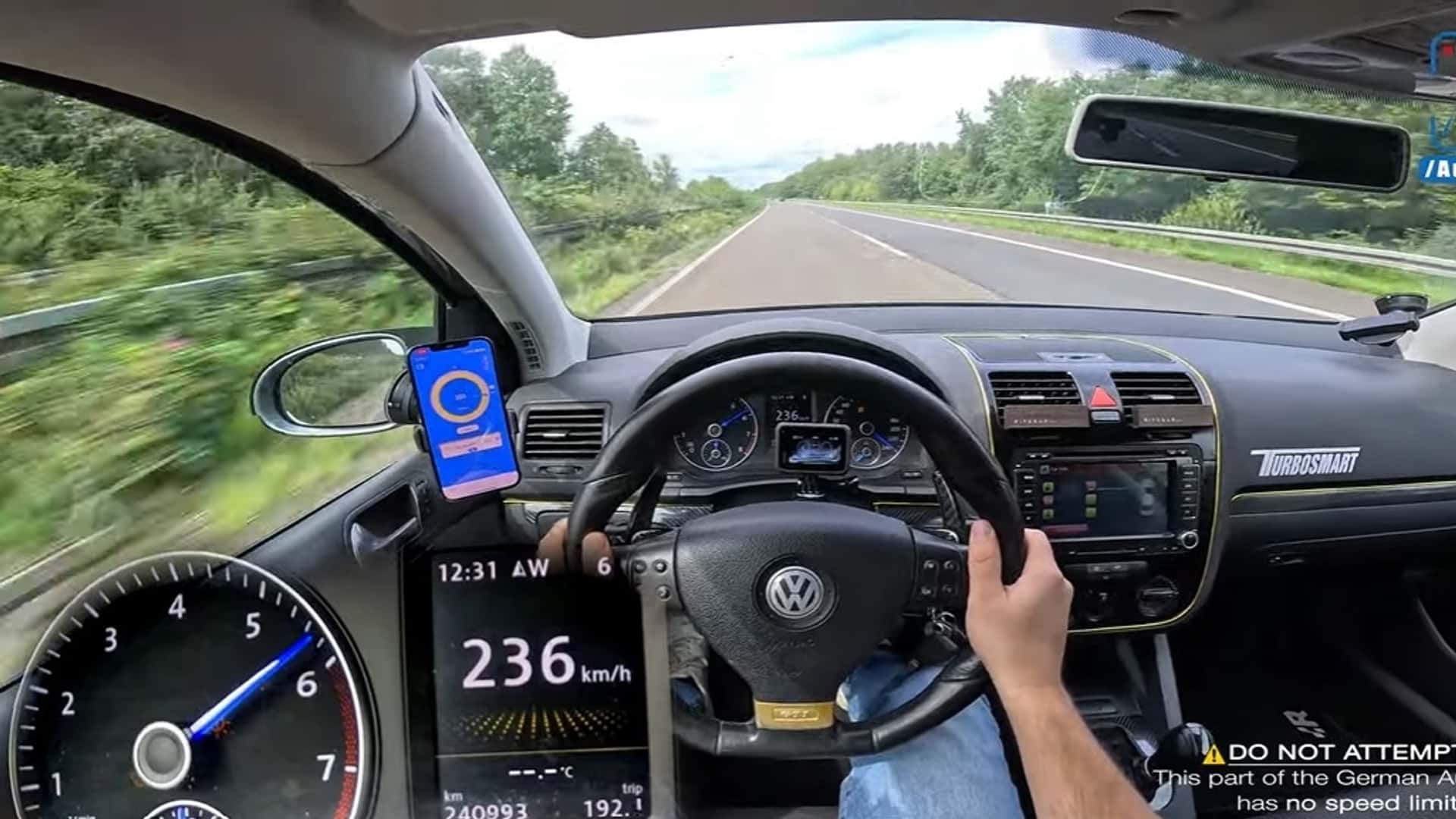
A modified MK5 Volkswagen Golf equipped with a turbocharged 2.5-liter five-cylinder engine from an Audi RS3, producing 420 horsepower, showcases its impressive speed on the autobahn. Reaching speeds above 140 mph (230 kph) and hitting 150 mph (242 kph), the Golf GTI proves to be the fastest car on the road, with other vehicles yielding to its speed. The engine swap not only enhances performance but also provides a deeper and more resonant sound, making the Golf GTI a thrilling ride.
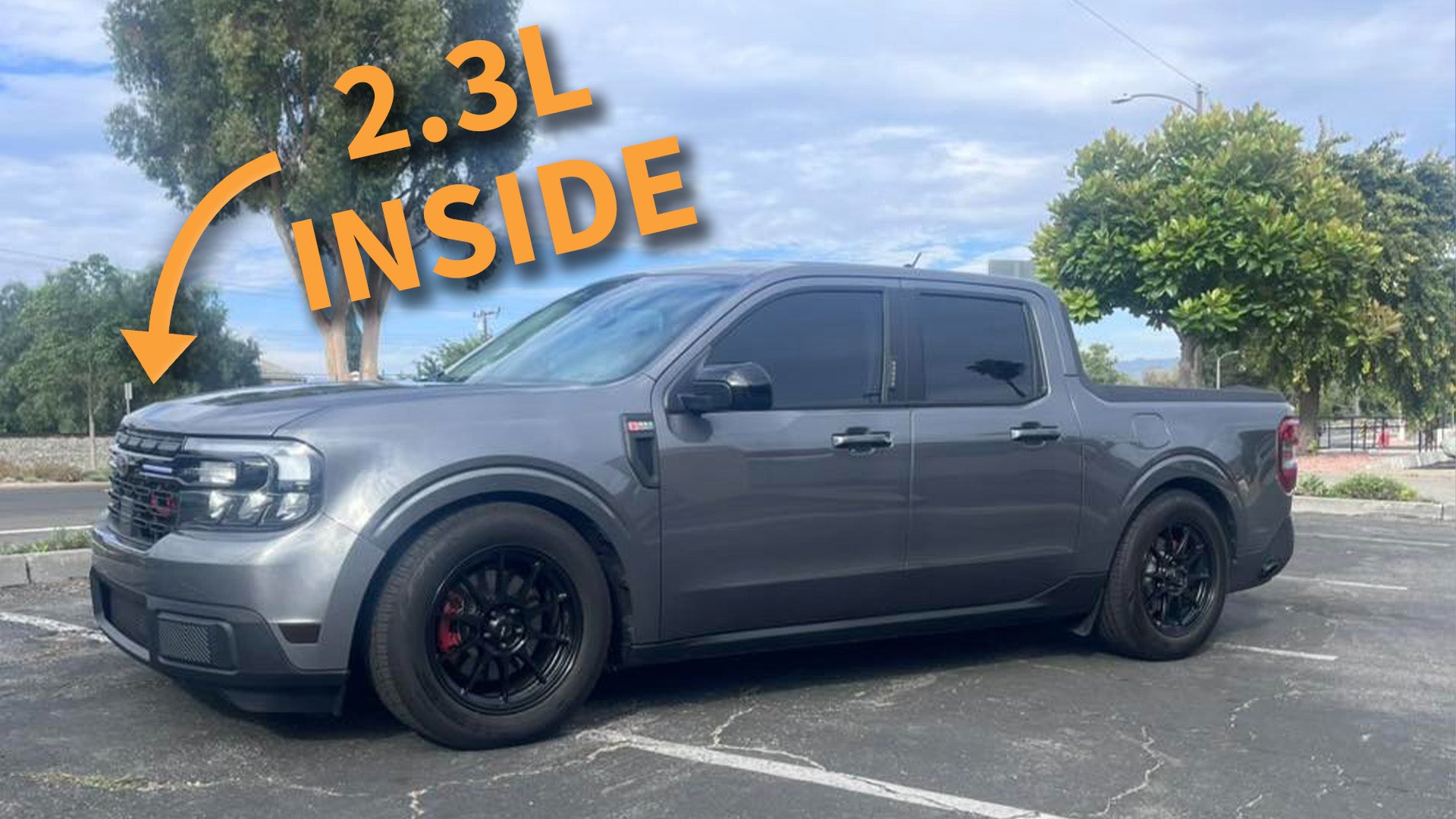
Ivan Gonzalez, the builder of the world's quickest Ford Maverick, has successfully swapped the 2.3-liter EcoBoost engine from a 2020 Lincoln Corsair into his Maverick, proving that it is essentially "plug-and-play." The engine fit seamlessly, with the stock wiring harness carrying over almost perfectly. With performance parts developed by Gonzalez, including a ram air intake and a custom front-mount intercooler, the Maverick is running at its best, achieving a quarter-mile time of 12.4 seconds at 112 mph. Gonzalez's goal is to break into the 11s by the end of the year, and he plans to achieve this at an upcoming drag race event.
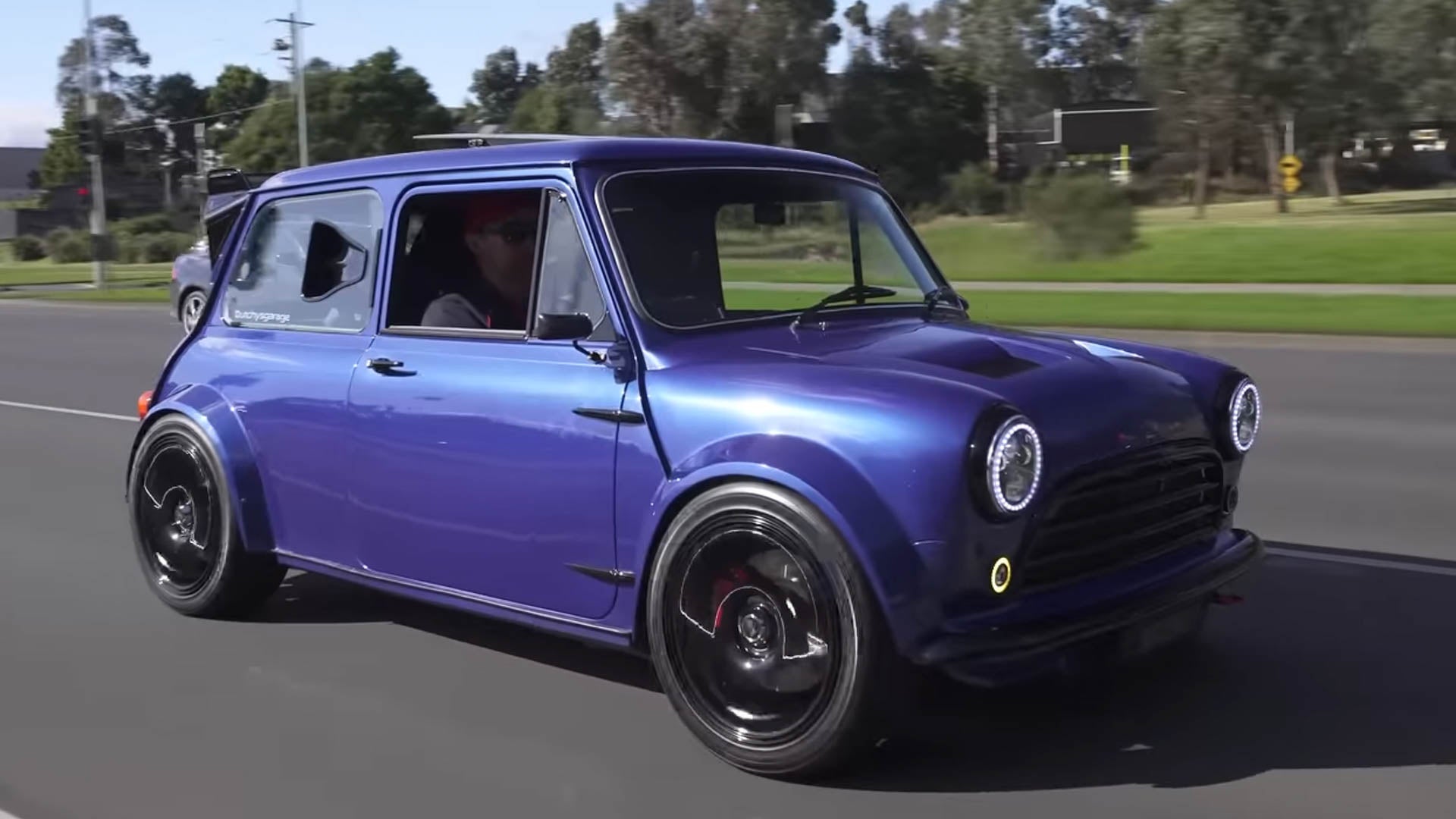
Steve from Australia built an impressive engine-swapped classic Mini by fitting a Subaru WRX engine behind the front seats. With the help of an engineer, he cut the floor out behind the seats and built a custom box frame to support the engine, while keeping the Mini's original body and wheelbase intact. The WRX engine, producing 255 horsepower and 295 lb-ft of torque, is almost entirely stock, making it a powerful and lightweight combination. Steve's attention to detail is evident in the seamless integration of a sunroof from a wrecked BMW-era Mini. This homemade WRX-powered classic Mini is a standout example of a well-built and unique car.
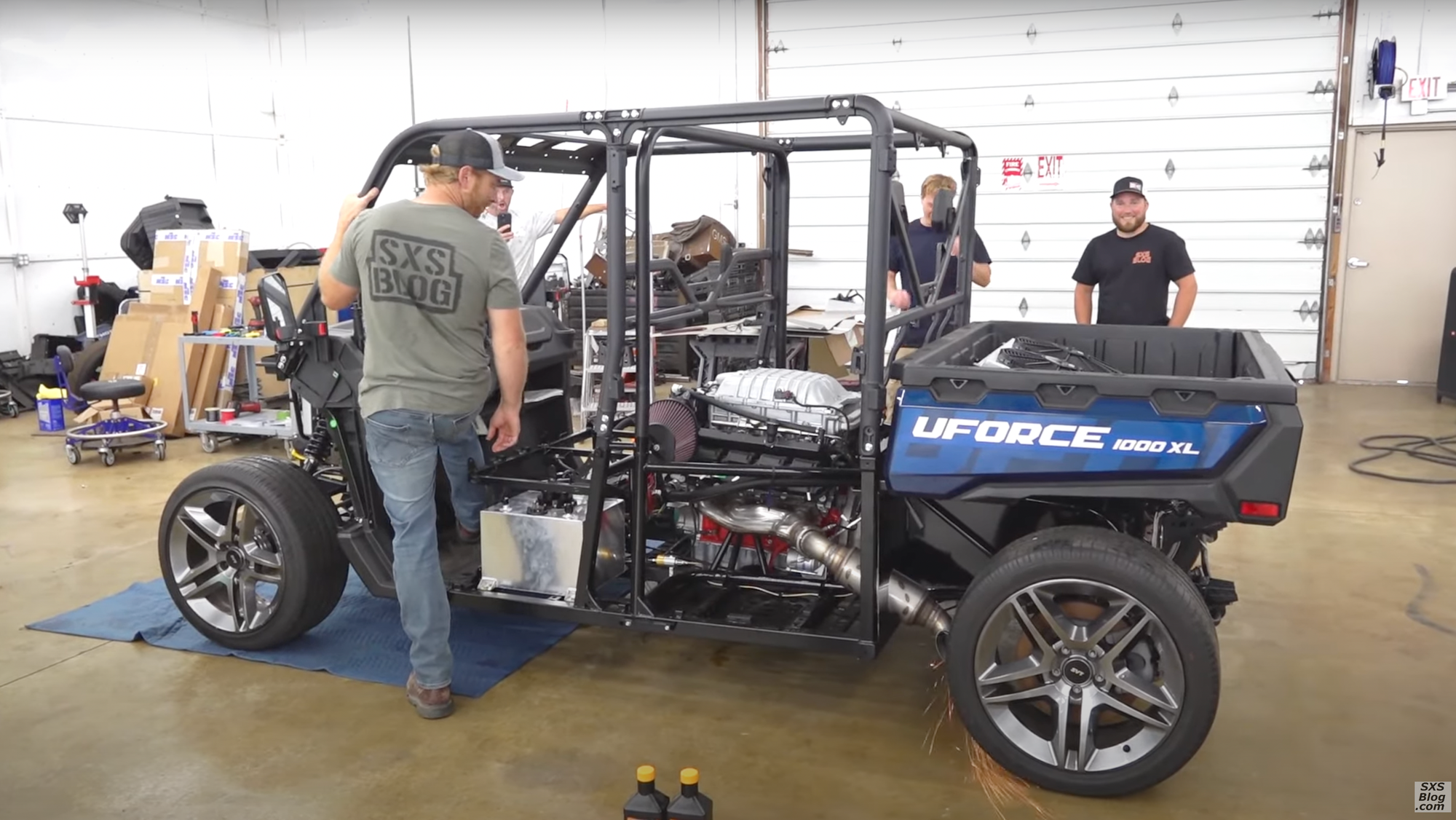
A group of enthusiasts at SXSBlog have created a side-by-side vehicle with an 800-horsepower 6.2-liter supercharged V8 engine from a Dodge Demon. The engine is crammed into the rear seats, with a Powerglide gearbox and an S550 Mustang rear subframe. Custom fabrication was necessary to make the swap possible, including a custom gear linkage and 3D-printed gates for the shifter. The machine is designed for burnouts and is estimated to reach rear wheel speeds of 170 mph. While the build is still in progress, it is already being hailed as one of the craziest creations on four wheels.
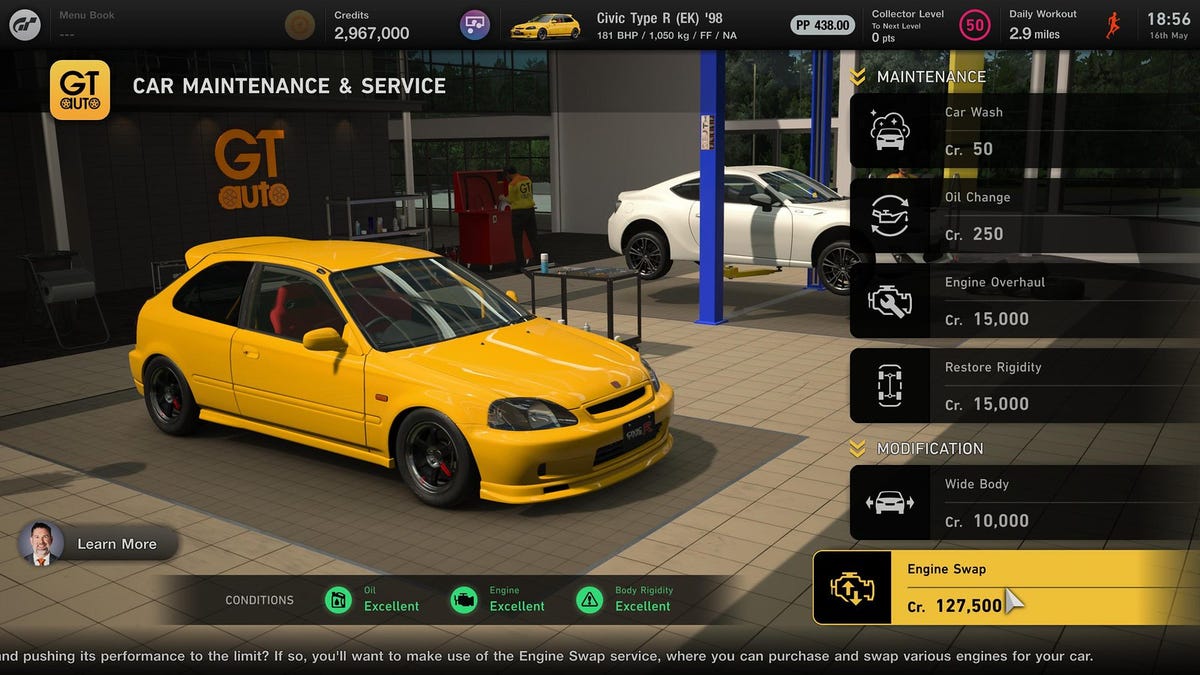
A video showcasing an engine swap animation in the upcoming game GT7 has gone viral due to its adorable nature, with the mechanic giving a thumbs up once the swap is complete. The video has sparked interest in the game's maintenance features, though some have criticized the lack of visible effects from the car wash feature.
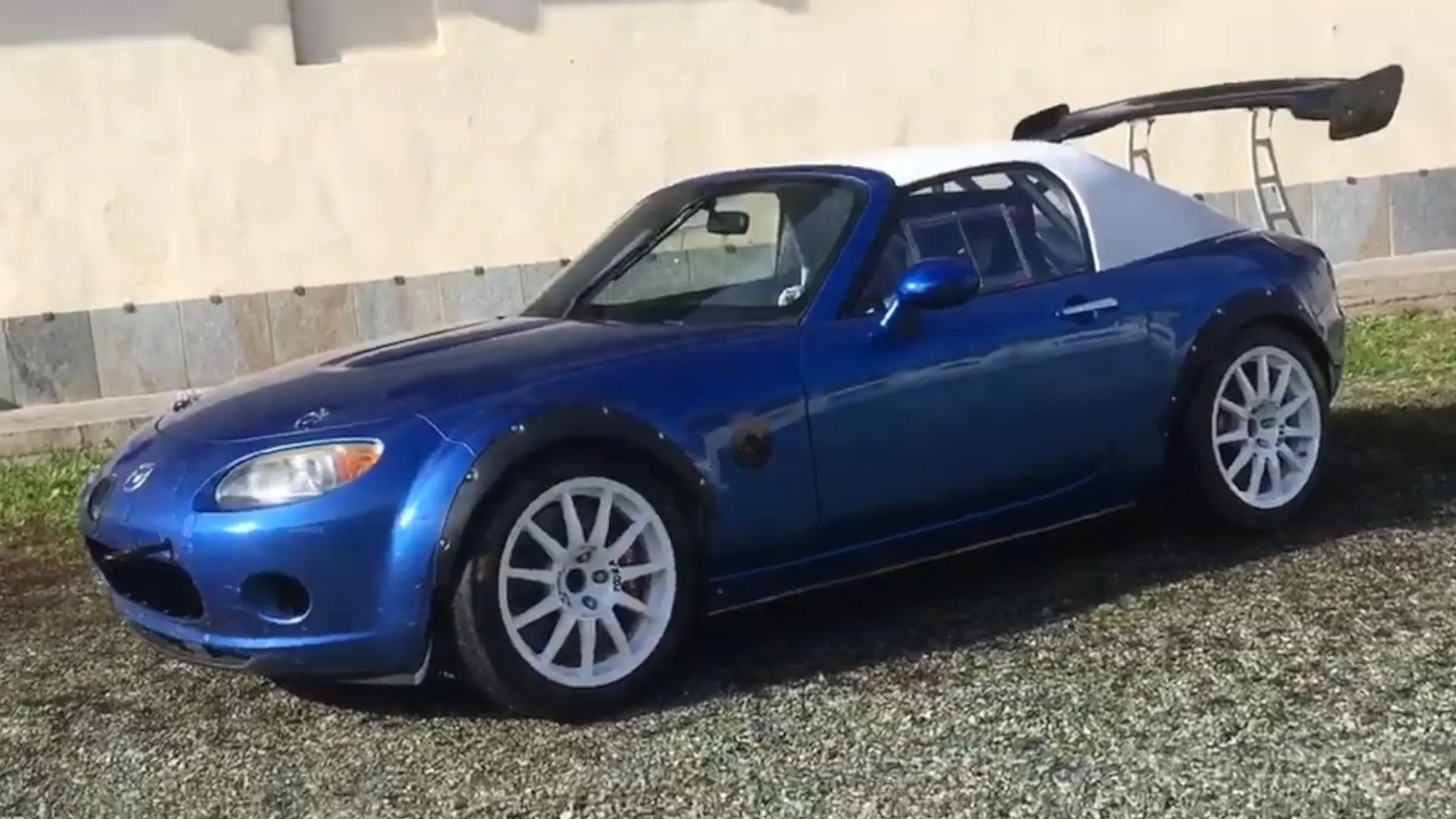
An MX-5 owner has replaced the car's engine with a 2.0-liter F20C from a Honda S2000, producing 234 horsepower with upgrades. The car also features a larger radiator, custom driveshaft, Tein coilovers, Brembo four-piston calipers, and Sparco seats. While the newer Honda K20 and K24 engines are more readily available, the F20C is celebrated for its high-revving character and power density. The MX-5 has always been lacking in the power department, making engine swaps a popular way to boost performance.
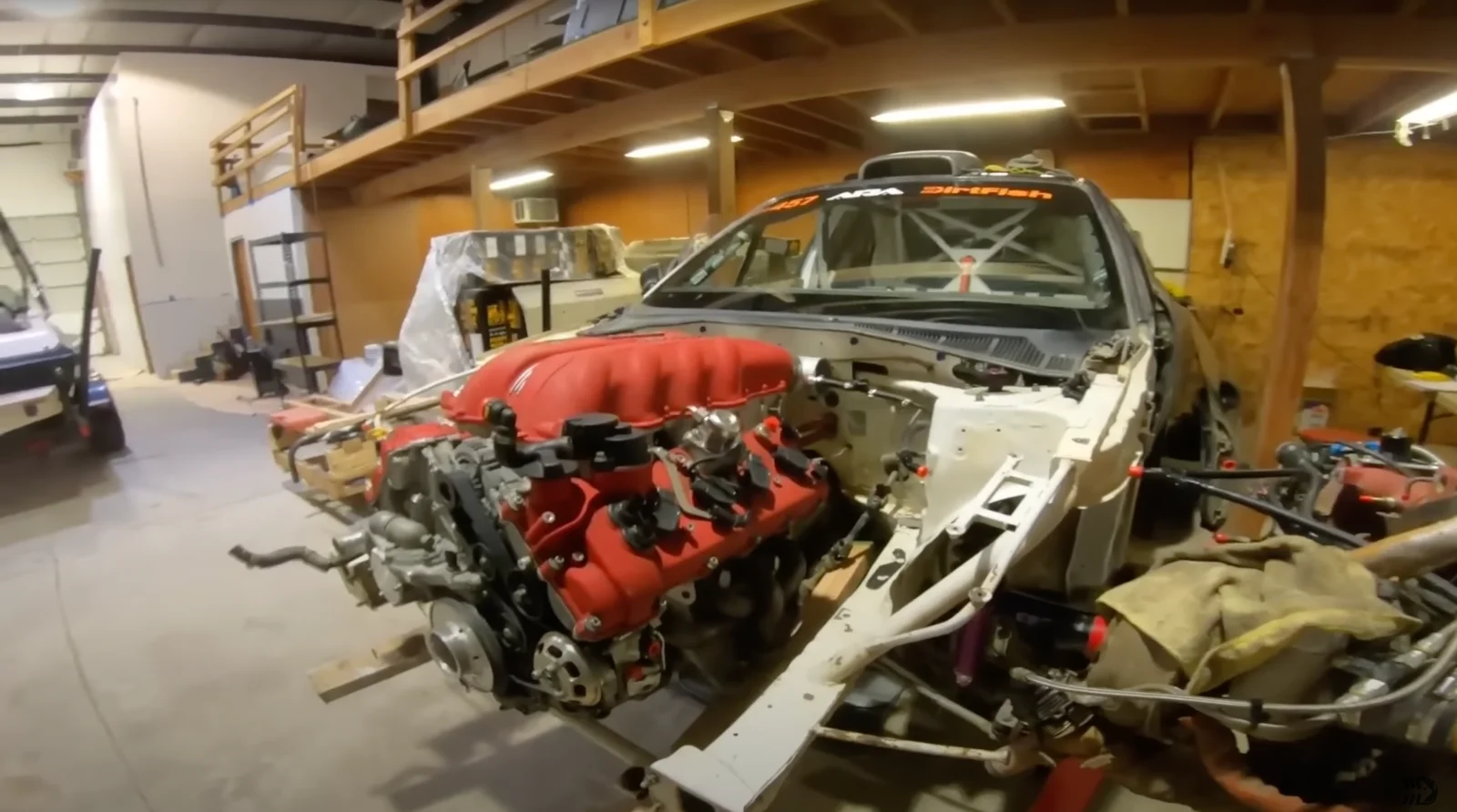
Sam Albert of Dirtfish swapped a 4.5-liter Ferrari V8 engine from a California into a Subaru WRX STI, while retaining the all-wheel-drive system and gearbox. The engine had to poke out far beyond the front axle due to the Subaru method of driving the front wheels from the gearbox, but the weight distribution was maintained with a rear-mounted radiator. The car was entered in the Olympus Rally and although it broke, it will come back stronger and ready to compete in more rallies.