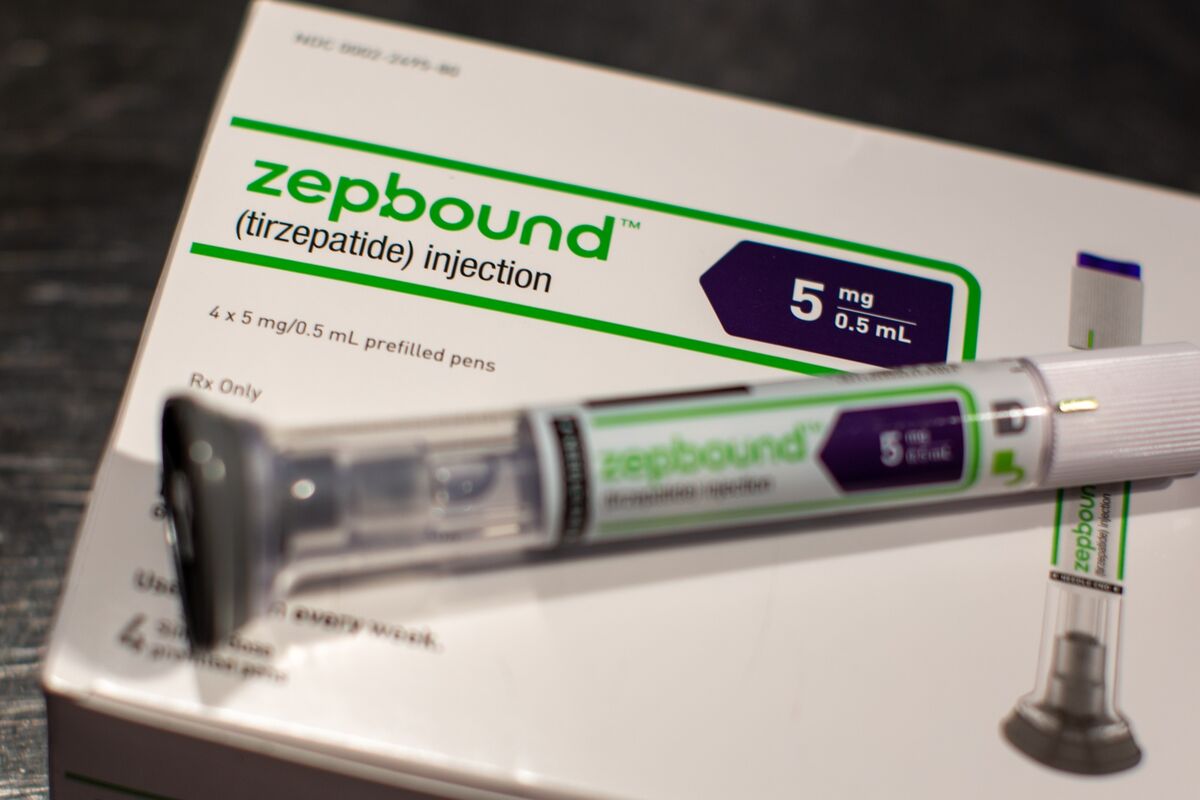
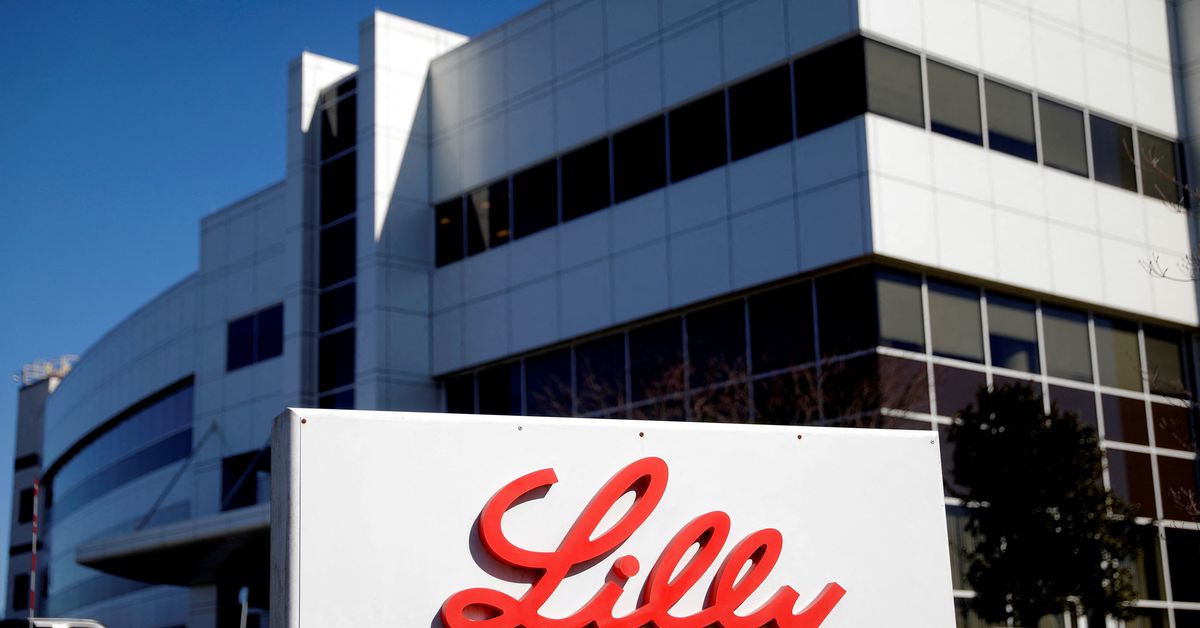
Patients are struggling to access the weight-loss shot Zepbound due to a shortage of the pre-filled pens used to administer the drug, prompting calls for Eli Lilly & Co. to release more supply. The company's CEO cited the complexity of production systems as a factor contributing to the shortage.
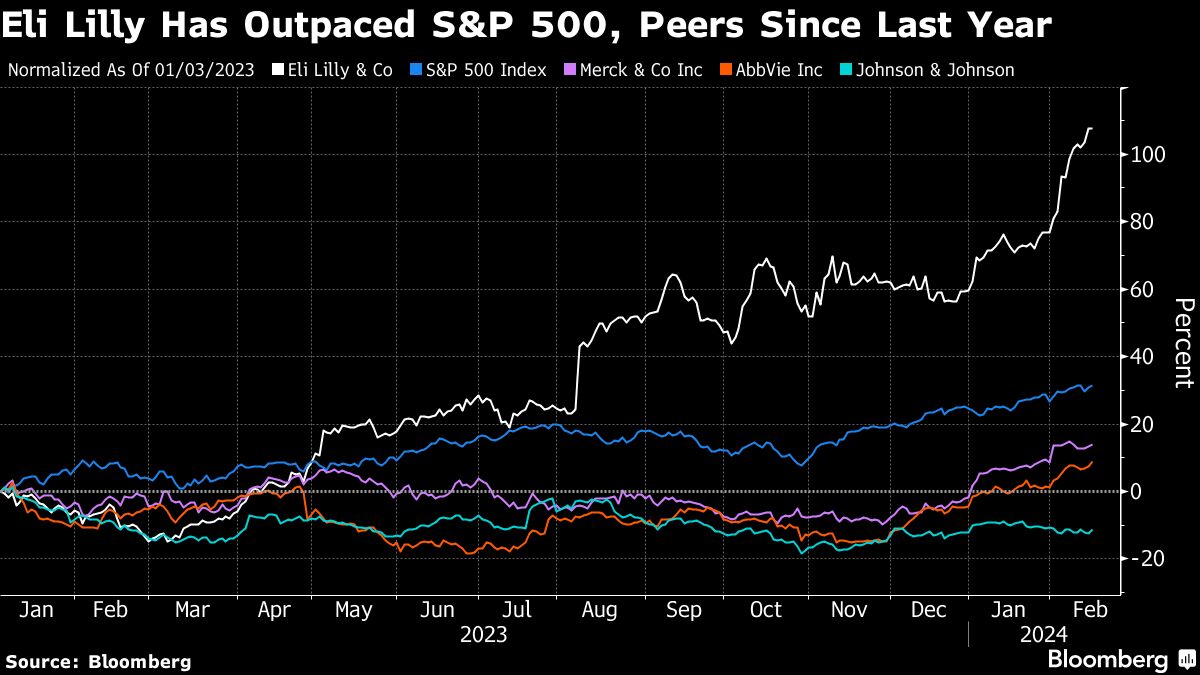
Eli Lilly & Co.'s soaring stock performance has led Morgan Stanley analysts to speculate whether it could become the first non-"Magnificent Seven" US company to reach a market value of $1 trillion. The analysts raised their price target for the drugmaker, projecting a market capitalization of about $900 billion. Lilly's stock has surged 32% this year, driven by demand for its diabetes and obesity drugs. The company's market value recently surpassed that of Tesla Inc., and several analysts have raised their price targets following strong earnings results.
The FDA has approved Zepbound, an obesity drug developed by Eli Lilly & Co., which will compete with Novo Nordisk's Wegovy. Zepbound has shown greater weight loss at a lower price compared to Wegovy and will be available in the U.S. by the end of the year. The drug works by targeting hormone receptors in the brain that regulate appetite and metabolism. Clinical trials have demonstrated an average weight loss of about 20% with Zepbound, and one in three users experienced a weight loss of about a quarter of their body weight. However, common side effects include nausea, diarrhea, constipation, and vomiting. The FDA highlighted the growing public health concern over excess weight and the need for new treatment options. The cost of Zepbound will depend on insurance coverage, but Lilly is offering discounts to help reduce the expense.
The US Food and Drug Administration (FDA) has granted approval to Eli Lilly and Co for its drug, Omvoh, to treat adults with moderate-to-severe active ulcerative colitis, a type of chronic inflammatory bowel disease. The drug is expected to be available in the US in the coming weeks. This approval allows Lilly to enter a market already occupied by competitors such as Abbvie, Pfizer, and Johnson & Johnson. The decision was based on positive results from late-stage studies showing the drug's effectiveness in improving symptoms compared to a placebo. Lilly has also received approval for the drug in Japan and the European Union this year. Ulcerative colitis is a condition characterized by inflammation and ulcers in the colon, leading to symptoms such as diarrhea, blood in stool, and abdominal pain.
Eli Lilly and Co has announced its acquisition of Point Biopharma Global for $1.4 billion, gaining access to targeted cancer therapies. The deal will provide Lilly with experimental therapies that combine radioactive particles with molecules that attach themselves to tumors. Point Biopharma is currently testing these therapies in late-stage studies. The acquisition is part of Lilly's strategy to bolster its pipeline amid competition for its cancer therapy Alimta. The deal is not expected to face regulatory hurdles, and Lilly will also gain access to Point Biopharma's manufacturing plant for radiopharmaceuticals.
Sigilon Therapeutics shares are surging after Eli Lilly And Co announced its acquisition of the company for $14.92 per share in cash, with the potential for additional cash consideration. The transaction, expected to close in Q3 2023, comes after a collaboration between the two companies to develop encapsulated cell therapies for type 1 diabetes. Sigilon's near-term focus is on the development of SIG-002, its product candidate for type 1 diabetes, in collaboration with Eli Lilly.