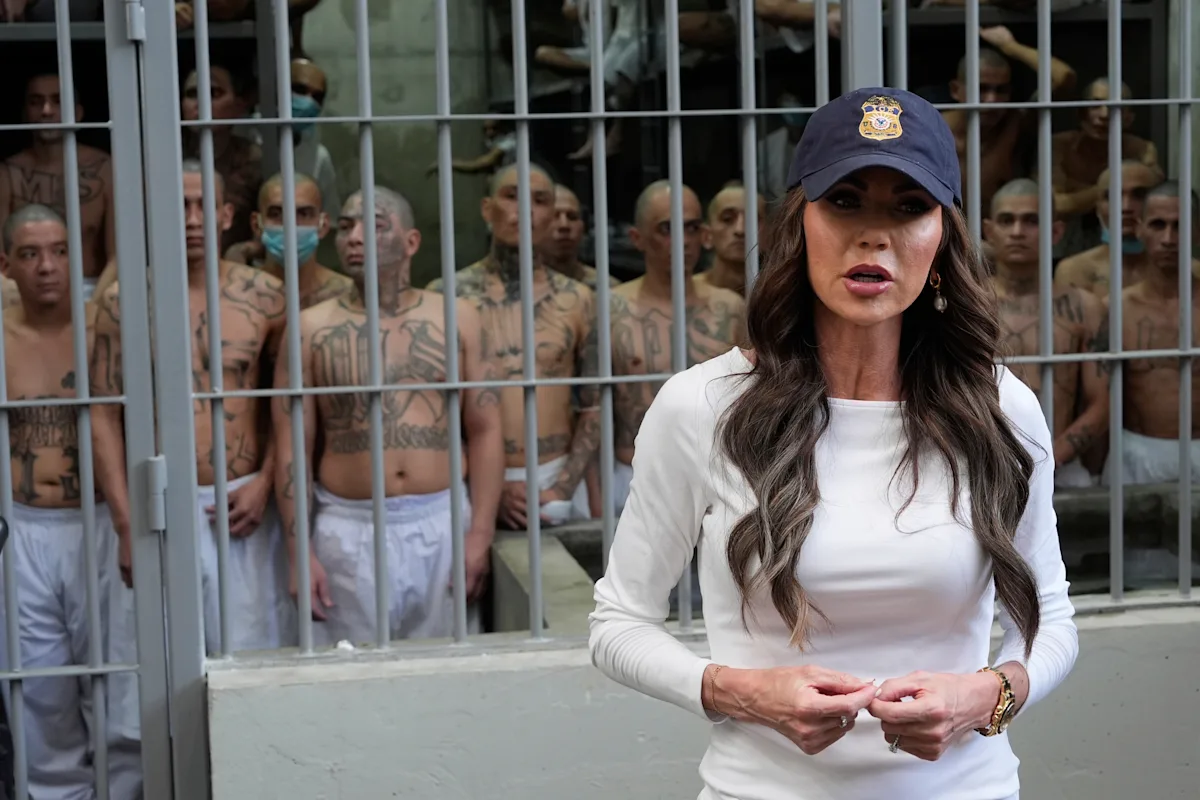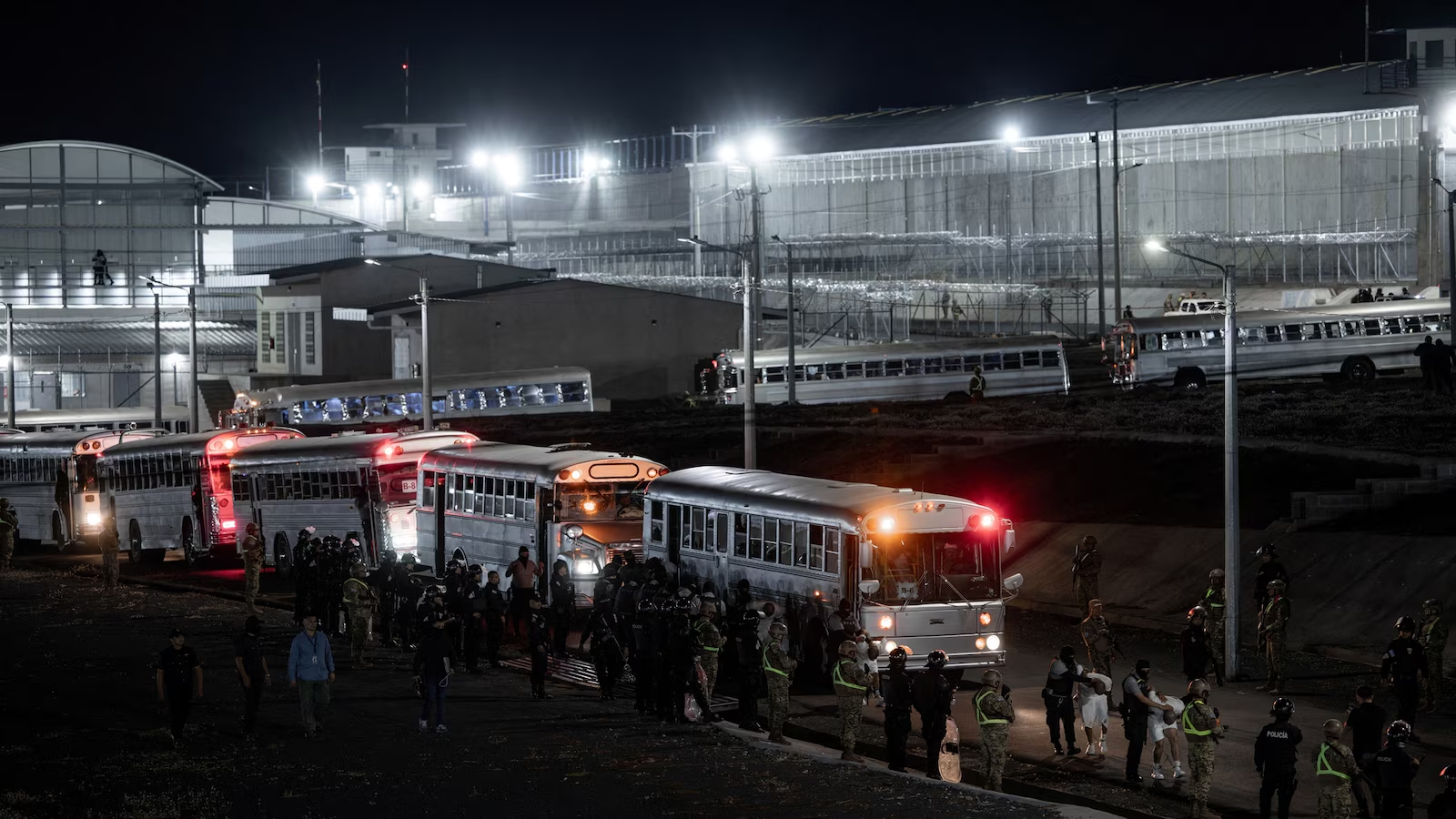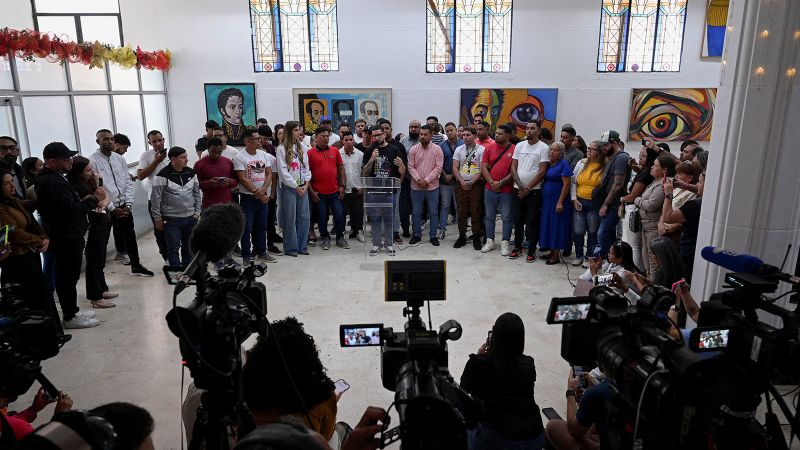
A group of Venezuelans deported from the US to El Salvador are challenging their deportation in US courts following a judge's ruling that their expulsion violated due process rights, demanding a fair hearing and compliance from US and El Salvador authorities.
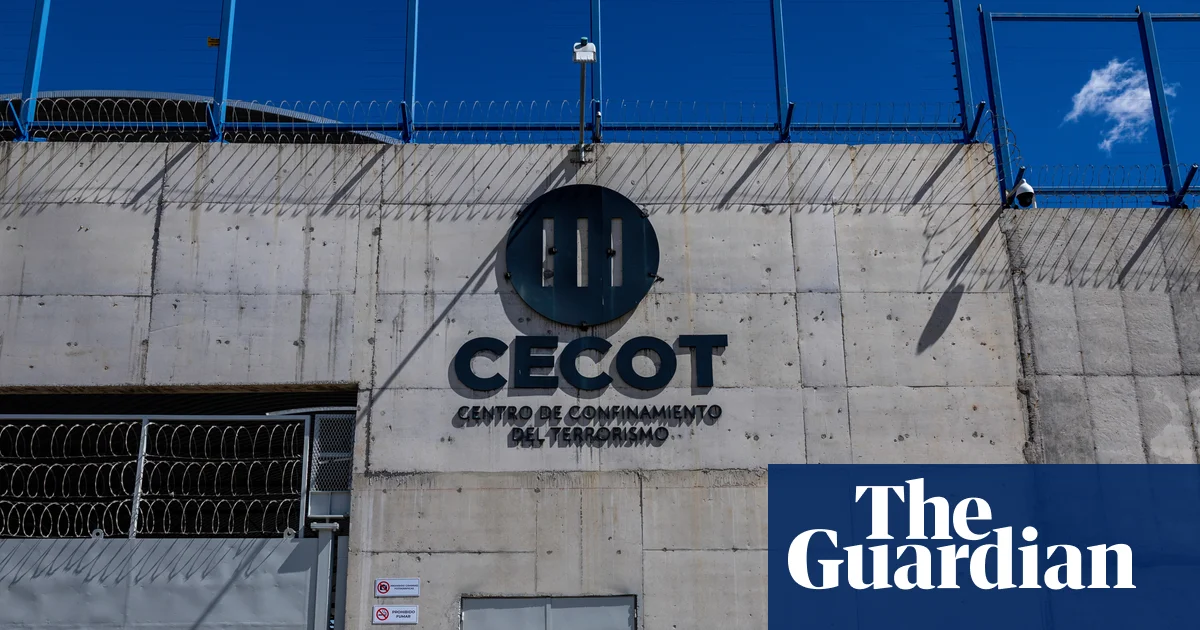
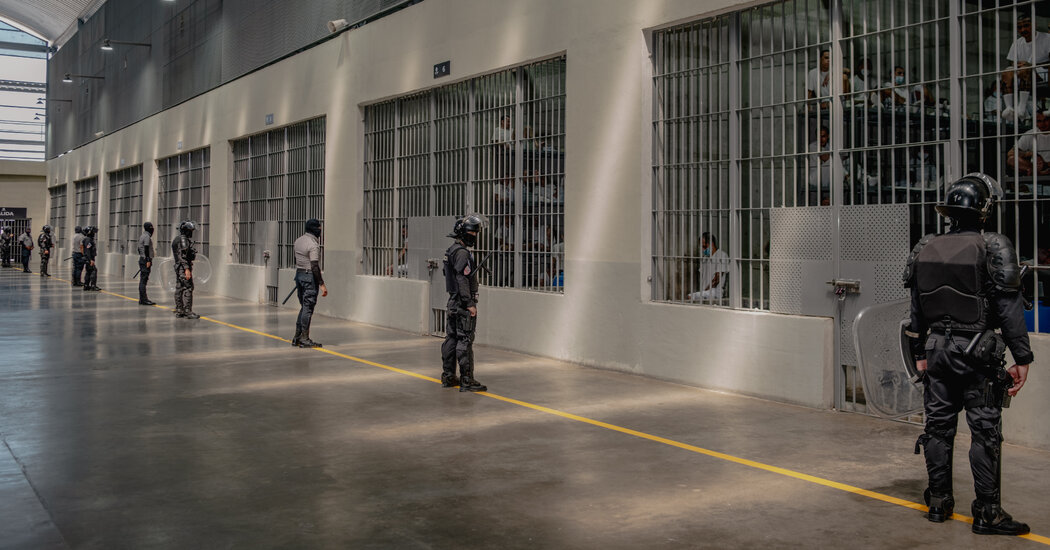
A 60 Minutes episode exposing the brutal conditions and human rights abuses in El Salvador's Cecot prison was pulled from air by CBS for additional reporting but later appeared online through a Canadian broadcaster, sparking controversy and highlighting issues of media censorship and political influence.
Bari Weiss, CBS News' new editor-in-chief, reportedly decided to cancel a '60 Minutes' segment on the brutal conditions at an El Salvador prison where the Trump administration deported detainees, citing political reasons amid ongoing tensions between CBS and former President Trump. The segment was delayed for additional reporting, and Weiss's decision has sparked criticism and accusations of political bias, especially as Trump has publicly criticized CBS and '60 Minutes'.
CBS's 60 Minutes has postponed a segment on the Trump administration's deportation of migrants to a harsh El Salvador prison, citing the need for additional reporting, and will air it in the future. The segment was to highlight the conditions faced by deportees and the legal battles surrounding these actions, but has been replaced with a different report. The show has faced political pressure and legal challenges in the past, but affirms its commitment to independent journalism.
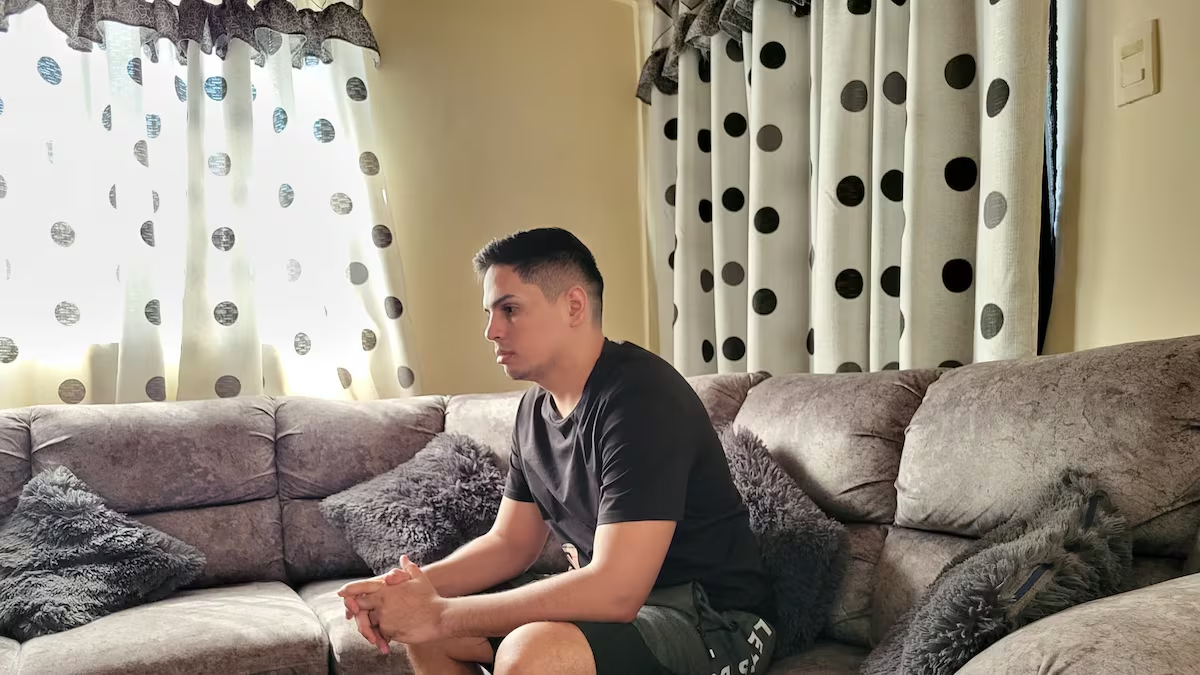
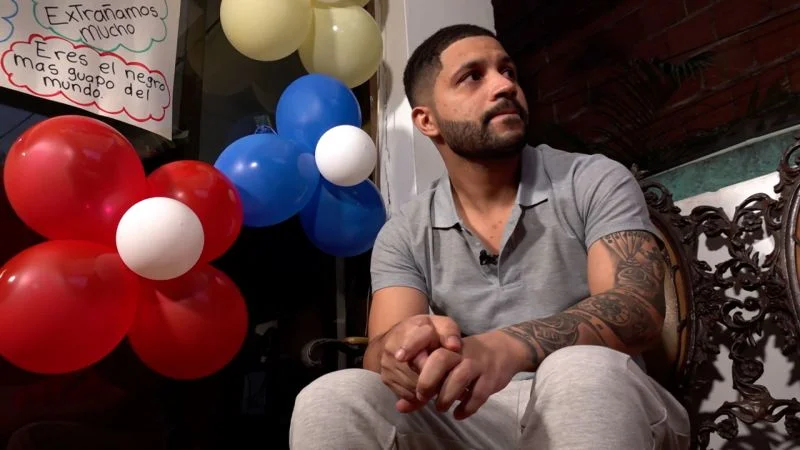
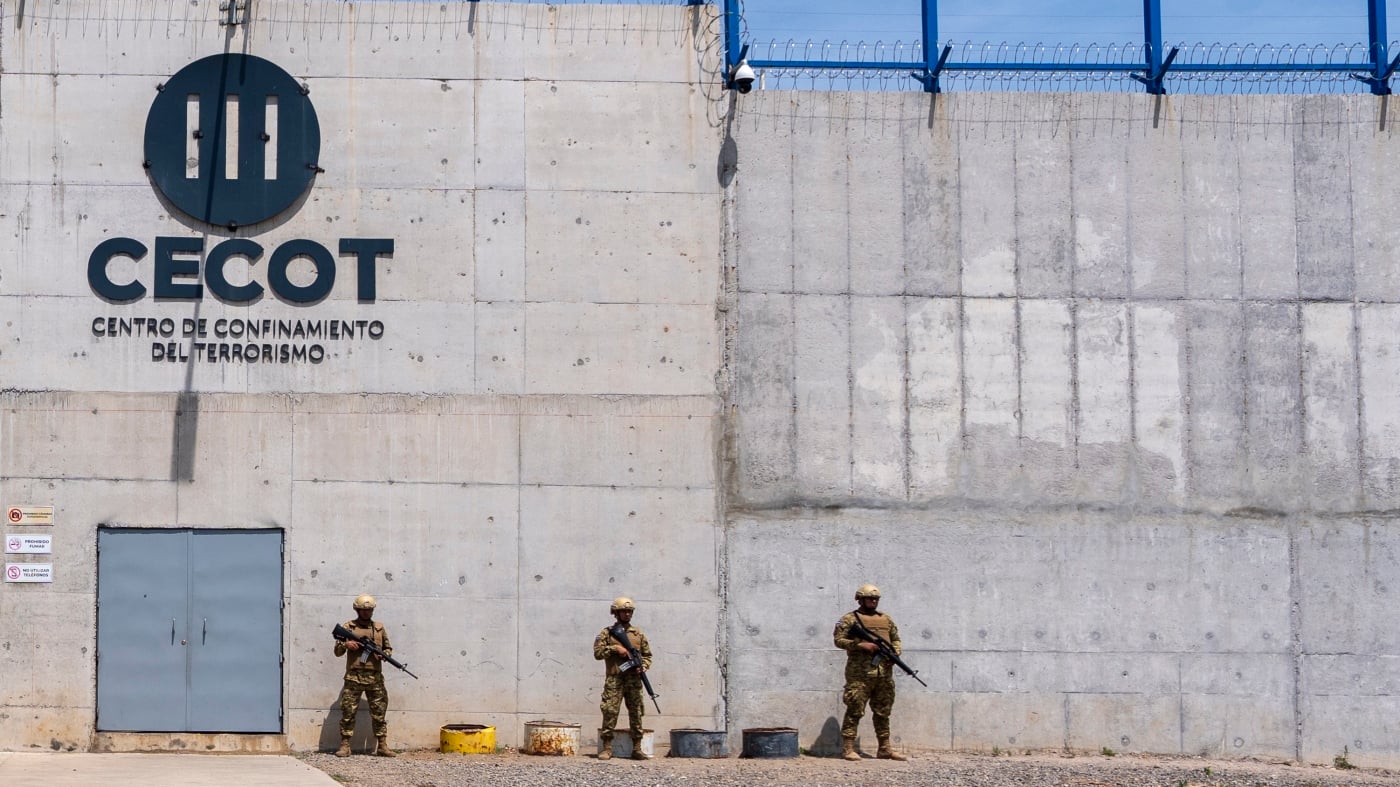
Frengel Reyes, deported from the U.S. to El Salvador, spent four months in a brutal mega-prison without charges, enduring torture and overcrowding, and now struggles with trauma from the experience.
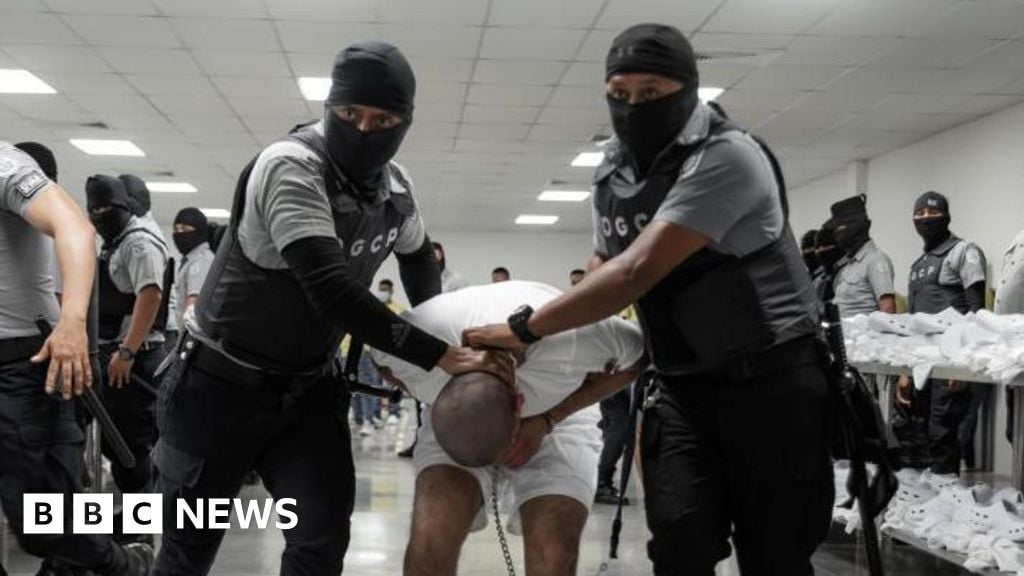
Venezuelan men deported from the U.S. to El Salvador allege they faced physical and psychological abuse at CECOT prison, including beatings and humiliation, while denying gang membership. The U.S. government used wartime laws to deport alleged gang members, but the deportees describe harsh treatment and lack of legal access, with some expressing a desire to return to the U.S. under different circumstances.
A Venezuelan migrant, Neiyerver Adrián Leon Rengel, filed a claim against U.S. Homeland Security, alleging wrongful detention and abuse in an El Salvador prison after being deported without due process, seeking $1.3 million in damages and highlighting concerns over U.S. immigration practices and treatment of migrants.
Venezuelan migrants deported from the US to El Salvador describe severe human rights abuses and harsh conditions in a Salvadoran prison, but were recently released as part of a prisoner exchange deal between the US and Venezuela, allowing them to reunite with their families.
Venezuela is investigating claims that over 250 Venezuelans deported from the US and detained in El Salvador suffered systemic torture, including sexual abuse and beatings, with Venezuela urging international bodies to scrutinize the situation. The deported individuals, accused of gang affiliation under the US's Alien Enemies Act, were held in harsh conditions and released in a prisoner exchange between El Salvador and the US.
The U.S. government maintains control over Venezuelan migrants deported to a Salvadoran prison, contradicting official statements, as legal challenges and UN investigations scrutinize the handling of these deportations and the legality of the U.S.-El Salvador detention arrangements.
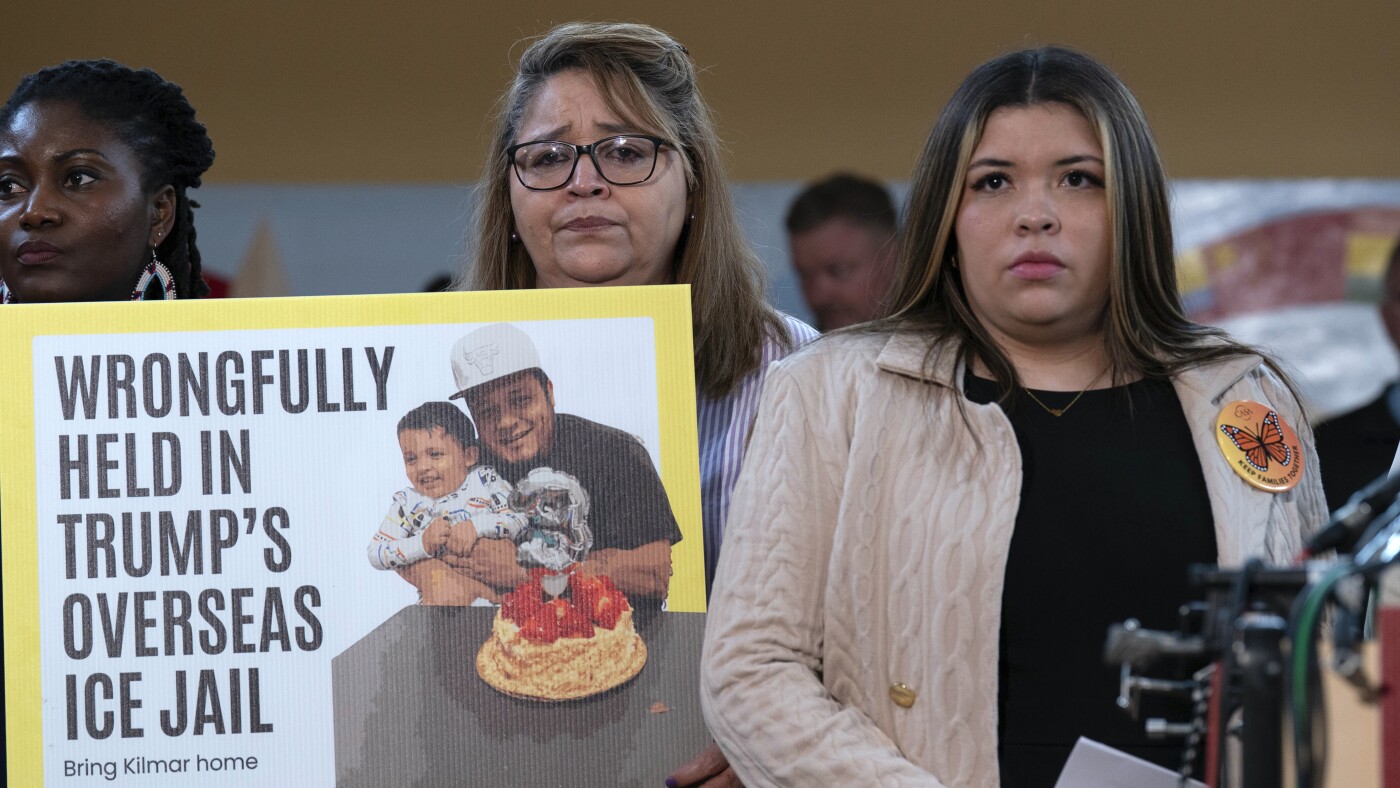
Kilmar Abrego Garcia, mistakenly deported from the U.S. to El Salvador, alleges he was severely beaten and psychologically tortured in a notorious Salvadoran prison, CECOT, raising concerns about his treatment and due process. Despite claims of gang affiliation and domestic abuse by DHS, his family denies these, and his legal team argues he should not be deported without proper hearings. The case highlights issues of wrongful deportation, prison abuse, and immigration policy.
Kilmar Abrego Garcia, deported to El Salvador in error, suffered severe physical and psychological abuse in CECOT prison, prompting a federal lawsuit alleging violations of his rights and illegal deportation, amid broader debates over U.S. immigration enforcement and due process.
Lawyers for Kilmar Abrego Garcia are seeking to amend their lawsuit to include allegations of severe mistreatment and torture he endured in El Salvador's mega prison, amid ongoing legal battles related to his wrongful deportation and detention, highlighting concerns over human rights abuses and immigration policies.
Kilmar Armando Abrego Garcia, a Maryland man wrongfully deported to El Salvador, was subjected to severe torture and inhumane conditions in a Salvadoran prison, according to court documents. His legal team is challenging his detention and the circumstances of his deportation, which include allegations of mistreatment and questions about his gang affiliation, amid ongoing legal and diplomatic uncertainties.