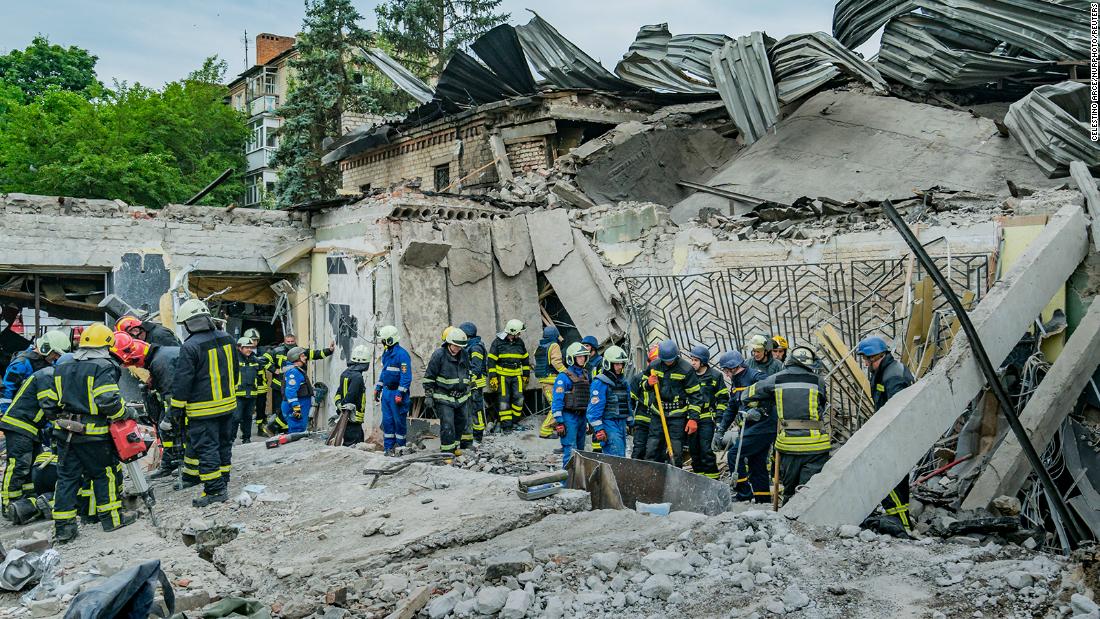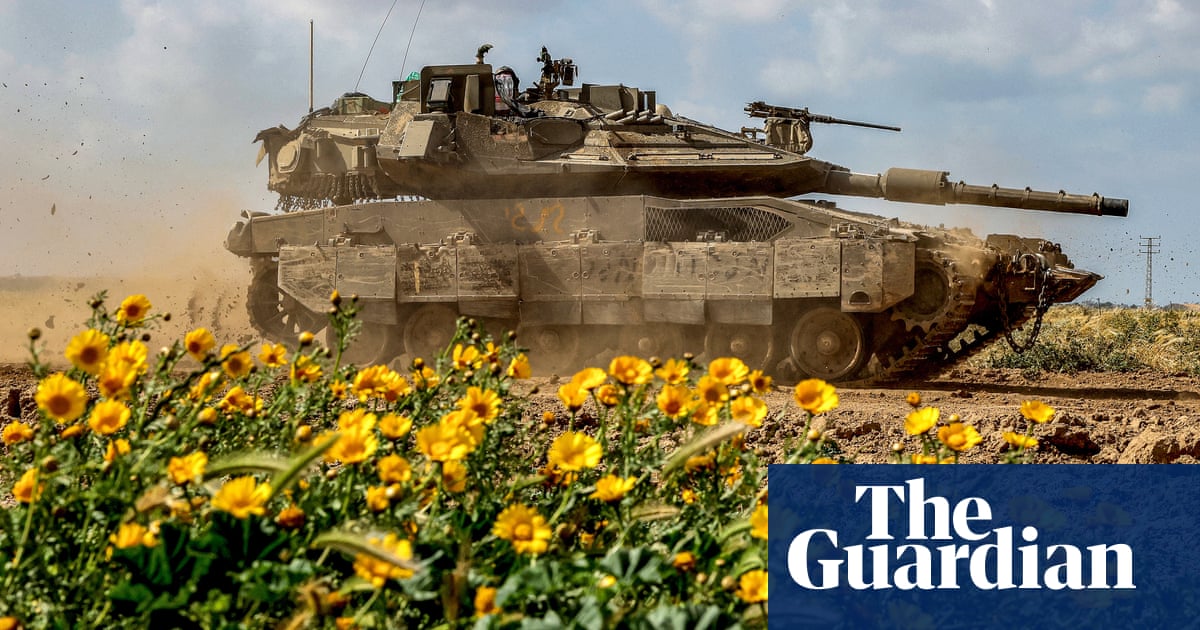
The recent conflict in Gaza has resulted in widespread environmental destruction, including the loss of tree cover, farmland, and greenhouses, as well as contamination of soil, groundwater, and the sea. The scale and long-term impact of the damage have led to calls for it to be regarded as "ecocide" and investigated as a possible war crime. The destruction has severely affected Gaza's ecosystems and biodiversity, leading to concerns about the long-term well-being of the region's inhabitants.
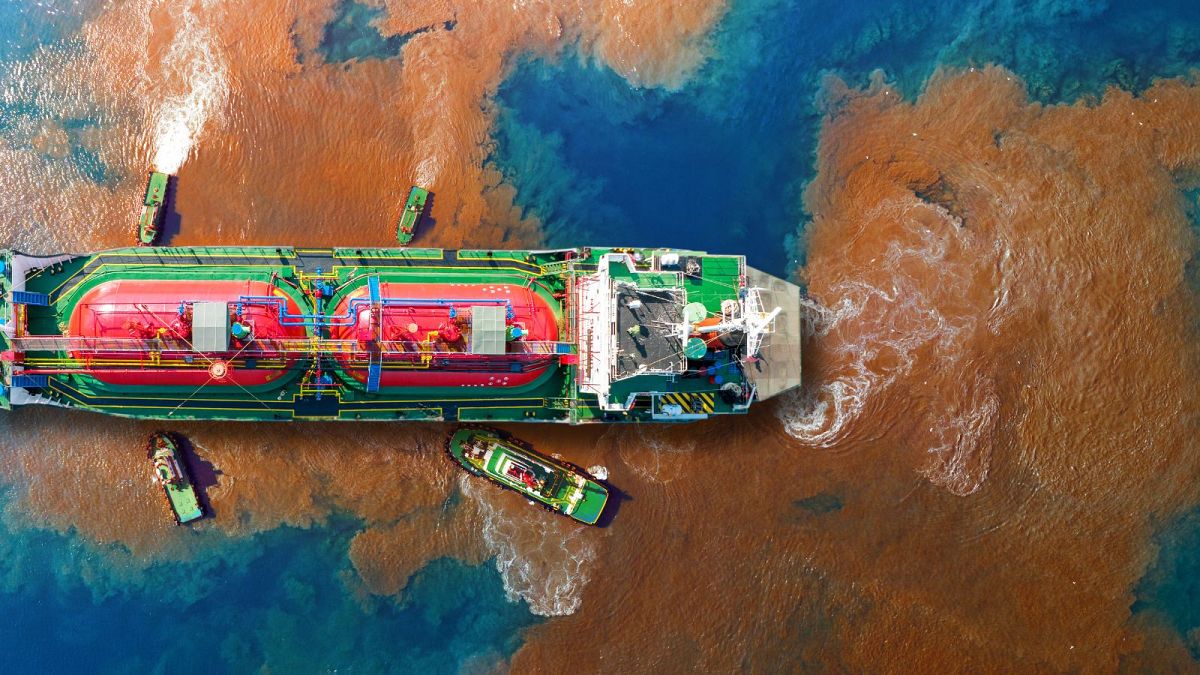
The European Union has passed an updated environmental crime directive that will introduce tougher penalties and prison sentences, including up to 10 years, for the most serious cases of environmental damage comparable to ecocide. The directive covers activities such as ecosystem destruction, illegal logging, and habitat loss, and aims to put an end to environmental impunity in Europe. The new law also holds individuals, including CEOs and board members, personally liable for environmental crimes if they were aware of the consequences of their decisions and had the power to stop them. While considered revolutionary, some experts believe that the directive could go further and advocate for the inclusion of a public prosecutor at the EU level.
Ukrainian President Volodymyr Zelensky stated that the recent rebellion by Wagner boss Yevgeny Prigozhin has weakened Russia's power on the battlefield, potentially benefiting Ukraine's counteroffensive. Zelensky emphasized the strategic deployment of troops to minimize casualties and claimed that 21,000 Wagner mercenaries have been killed in eastern Ukraine. Meanwhile, Ukraine accuses Russia of committing "ecocide" following the collapse of the Kakhovka dam, which caused significant environmental destruction. Ukraine's air defense successfully shot down eight Shahed drones and three cruise missiles launched by Russia. Additionally, Zelensky expressed concerns about losing bipartisan support from the United States, while CIA Director William Burns highlighted the recruitment opportunities arising from discontent with the war in Ukraine among Russians.