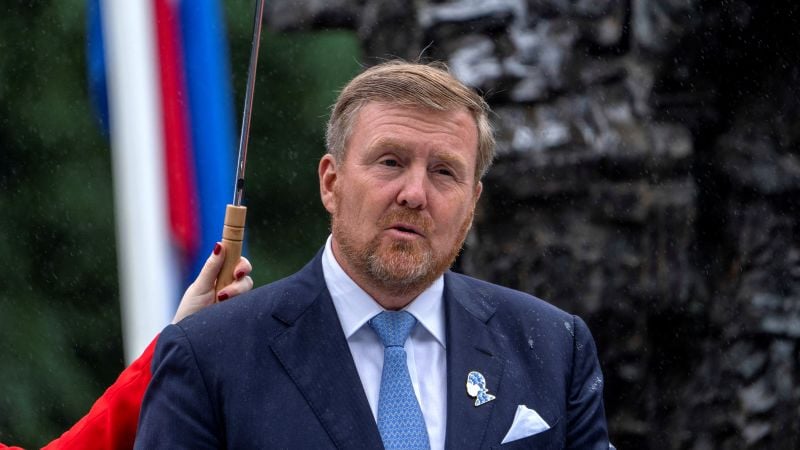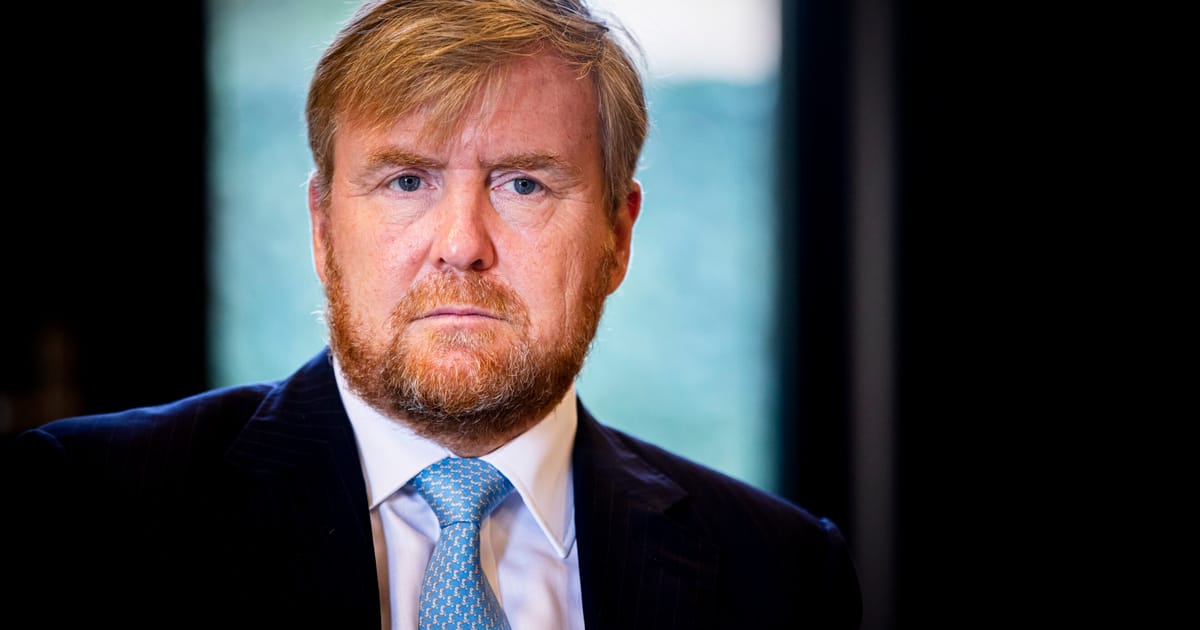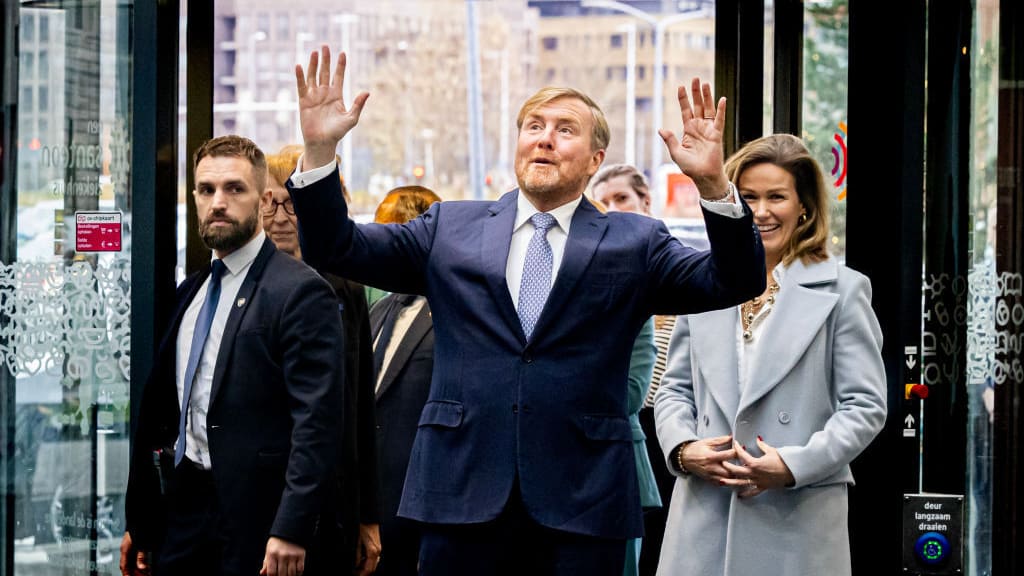
Dutch King Willem-Alexander made a lighthearted jab at Kate Middleton's recent photoshop gaffe during a public royal engagement, sparking viral attention. Kate issued an apology for the altered photo, which showed noticeable editing errors, and the authenticity of other royal photos has been called into question. The palace has remained silent on the matter, leading to speculation about Kate's health post-op.
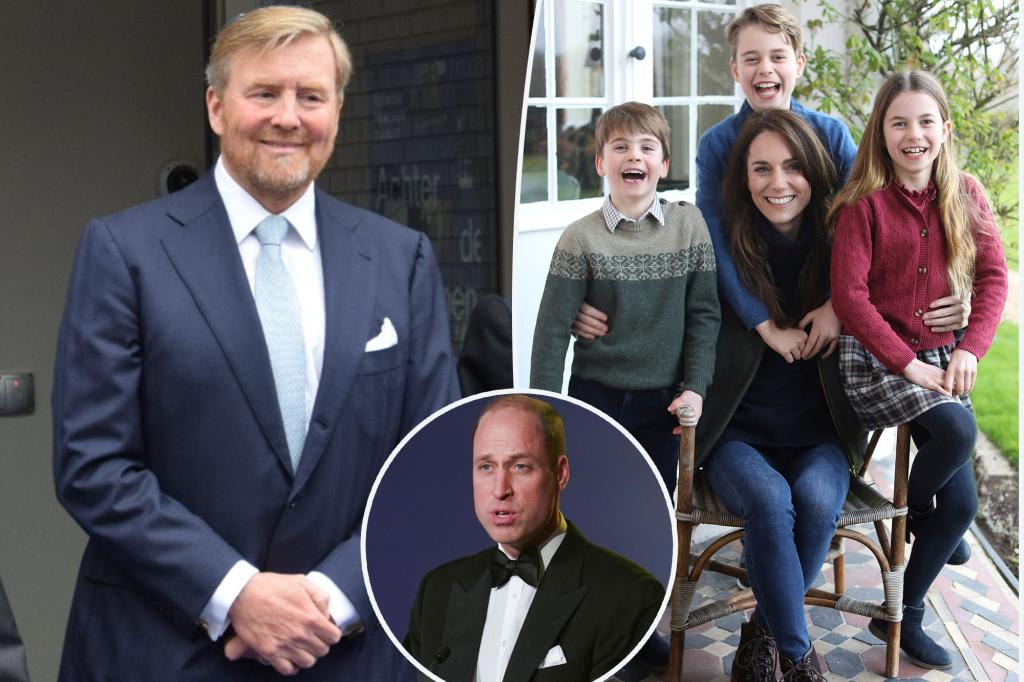
Dutch King Willem-Alexander made a playful jab at Kate Middleton's recent photo-editing controversy during a royal engagement, joking about not needing to photoshop his family portrait. Middleton had faced backlash for releasing a doctored family photo, prompting speculation and conspiracy theories. Leading photo agencies pulled the image, and Kensington Palace's credibility has been questioned. Despite the controversy, Prince William praised Middleton's artistic skills but did not address the health speculation.
Dutch King Willem-Alexander apologized for the Netherlands' historic involvement in slavery during a ceremony marking the 160th anniversary of the legal abolition of slavery. He asked for forgiveness for the "crime against humanity" and acknowledged that racism remains a problem in Dutch society. The apology comes as part of a wider reconsideration of the Netherlands' colonial past, including its involvement in the Atlantic slave trade and slavery in its former Asian colonies. The Dutch government has previously acknowledged its responsibility in the slave trade but has stated it will not pay reparations. An independent investigation into the Royal Family's role in colonial history has been commissioned, with results expected in 2025.
Dutch King Willem-Alexander has formally apologized for the Netherlands' involvement in the slave trade and its profiting from it, on the 160th anniversary of the abolition of slavery. The move follows Dutch Prime Minister Mark Rutte's apology in December, marking a U-turn from his previous stance. The government, however, has stated that it will not consider paying reparations to its former colonies, despite a recent study suggesting the House of Orange owes $600 million to the colonies it governed. The Netherlands had a vast colonial empire that included countries such as Indonesia, South Africa, Curaçao, New Guinea, and Suriname.
Dutch King Willem-Alexander has formally apologized for the Netherlands' role in the transatlantic slave trade, acknowledging the country's historical involvement and expressing personal remorse. The Dutch royal family, including the House of Orange, did nothing to stop the practice, and a recent study revealed that Dutch rulers received significant wealth from colonies where slavery was enforced. The King's apology came during an event marking the 160th anniversary of the abolition of slavery in the Netherlands, and he called for healing, reconciliation, and restoration after acknowledging the lack of action. The Netherlands became a major colonial power in the 17th Century, holding territories across the globe, and Dutch slave traders trafficked over 600,000 people.