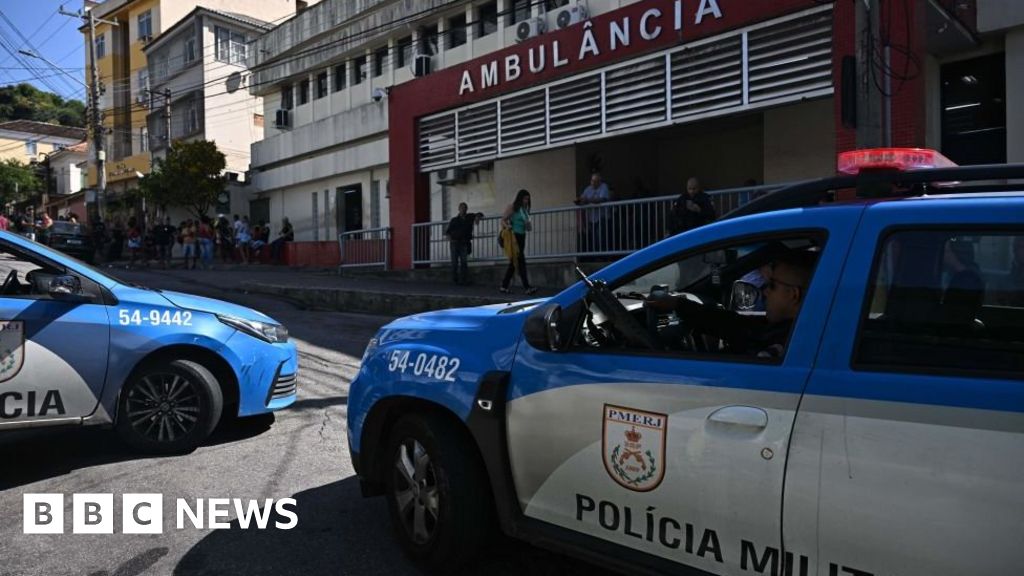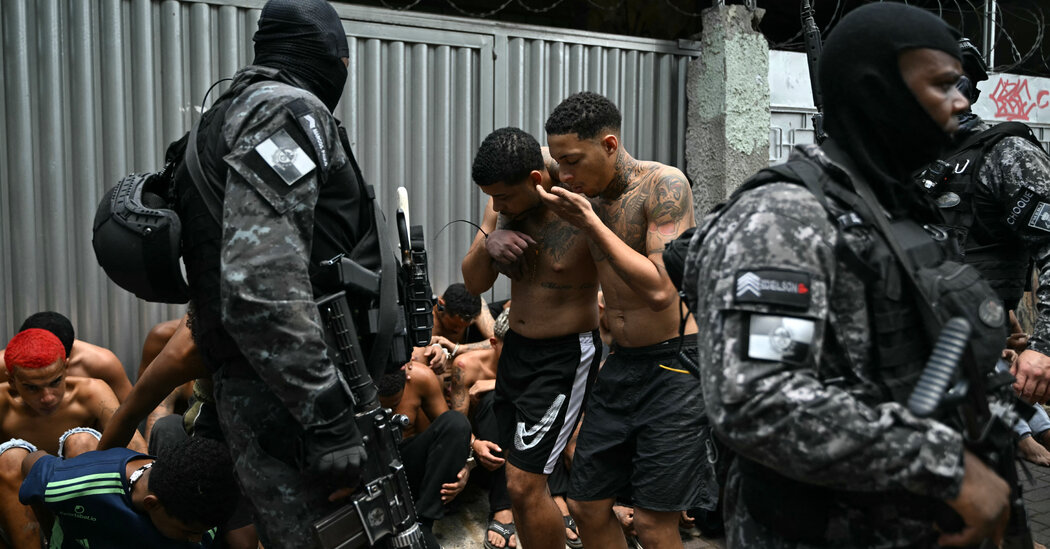
A major police operation in Rio de Janeiro targeting drug traffickers resulted in at least 64 deaths, including four police officers, marking the deadliest incident in the city's history of fighting organized crime, with a large-scale shootout involving 2,500 officers and the arrest of 81 suspects.
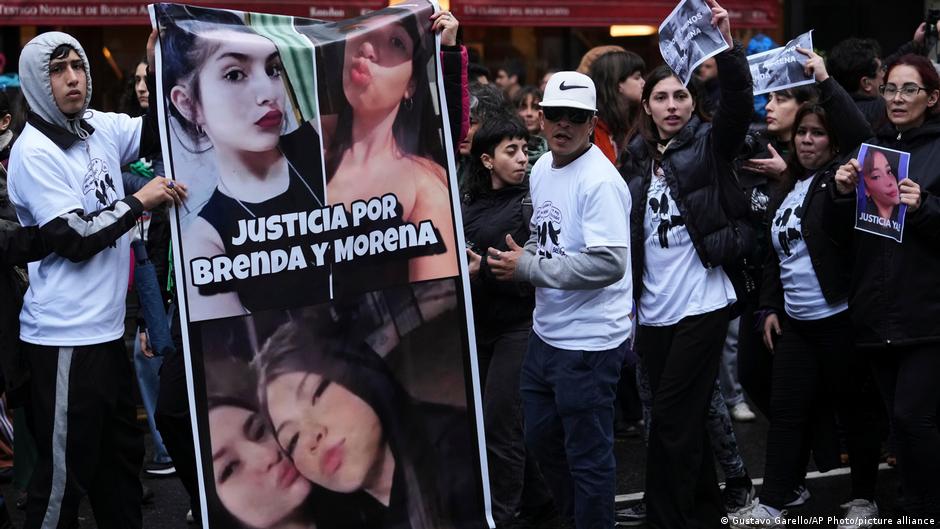
A series of murders involving two women and a teenage girl in Argentina, allegedly linked to drug gangs and streamed live on Instagram, led to multiple arrests including a suspect who gave an interview on TV; the case has sparked outrage and discussions on femicide in the country.
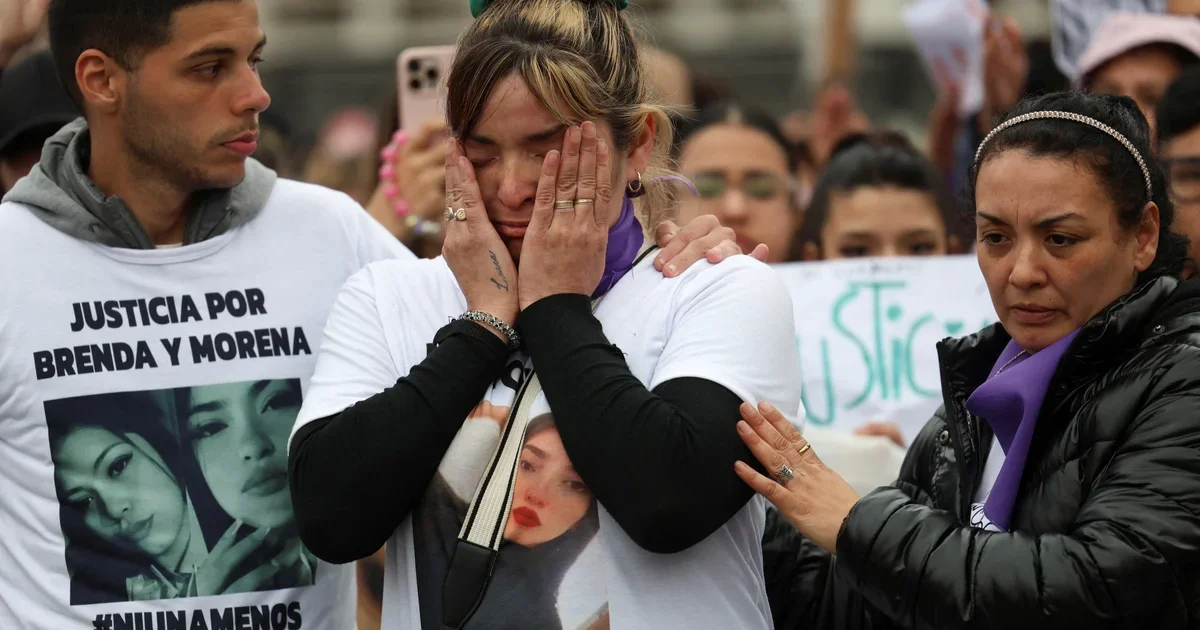
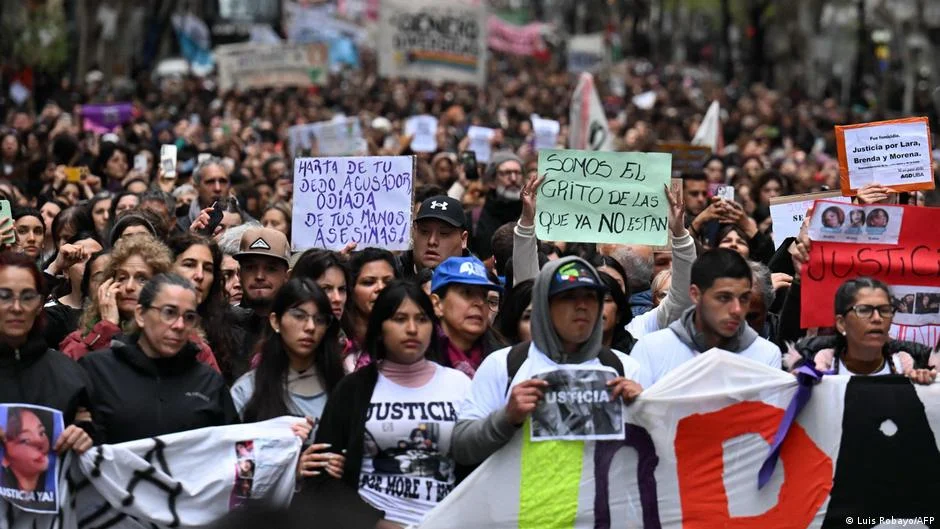
Police in Argentina have arrested a woman suspected of involvement in the livestreamed torture and murder of three young women, linked to drug gangs, with a total of seven suspects now detained. The killings, which sparked protests and are considered a 'narco-femicide,' have highlighted ongoing issues of gender violence in the country amid government cuts to gender-based programs.
In Argentina, the murders of two young women and a teenage girl, live-streamed on social media and linked to drug gangs, sparked nationwide protests demanding justice and highlighting issues of femicide and violence against women.
Thousands in Buenos Aires protested for justice after three women, Morena Verdi, Brenda Del Castillo, and Lara Gutierrez, were murdered in a case linked to drug gangs, with the crime reportedly broadcast live on social media; police have detained five suspects, but Instagram denies the livestream occurred on its platform.
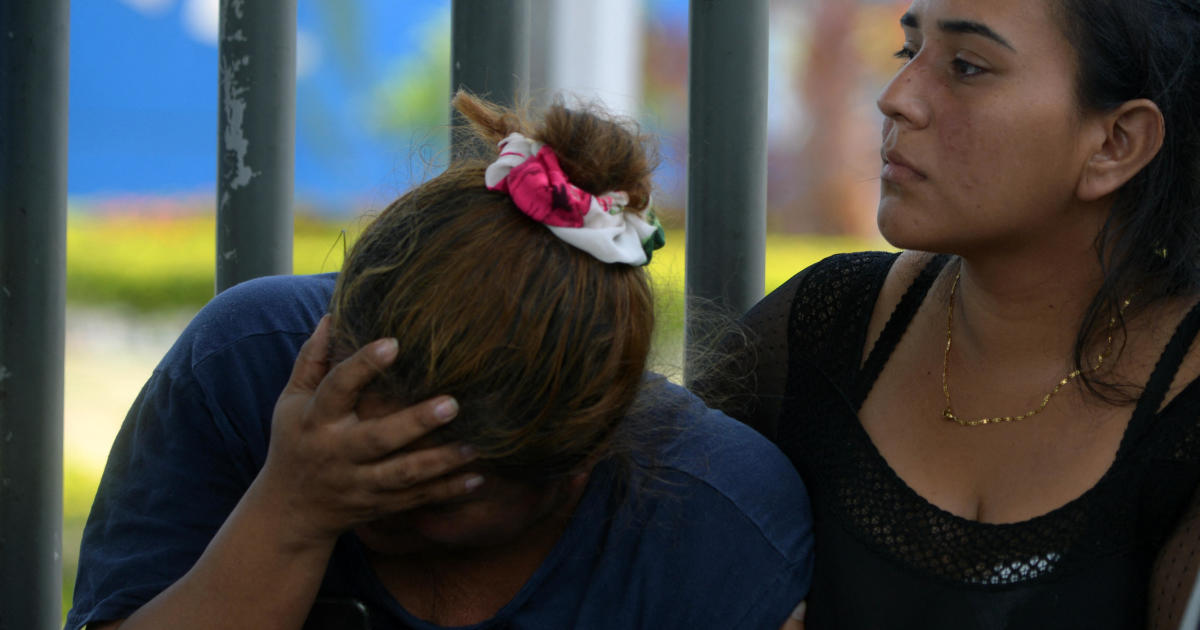
A violent riot in an Ecuadorian prison in Esmeraldas resulted in at least 10 deaths, including some decapitations, amid ongoing gang conflicts involving major drug trafficking groups, highlighting the country's severe prison violence and organized crime issues.
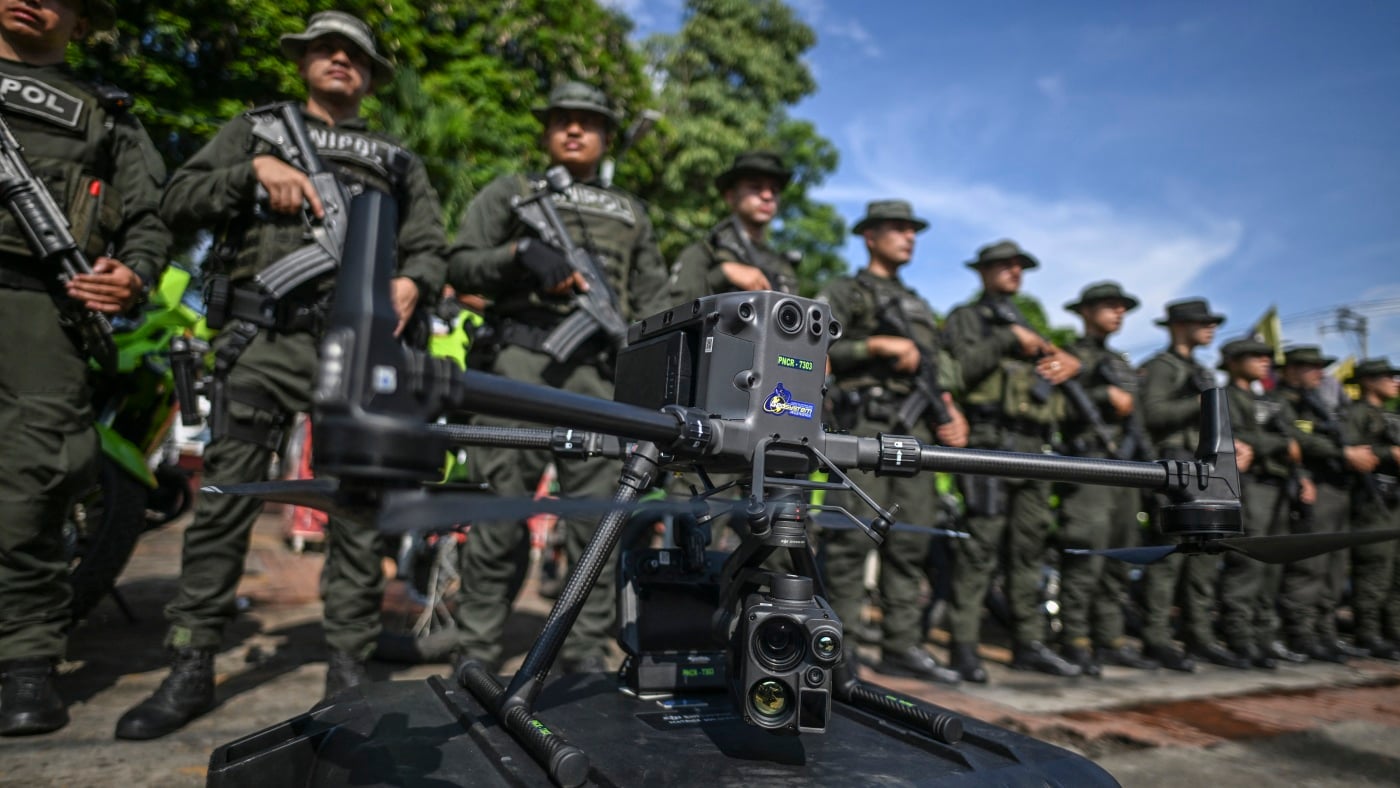
Colombia is deploying armed drones to combat drug gangs and guerrillas, as criminal groups increasingly use inexpensive commercial drones for surveillance and attacks, posing challenges for the military due to technological and bureaucratic limitations.
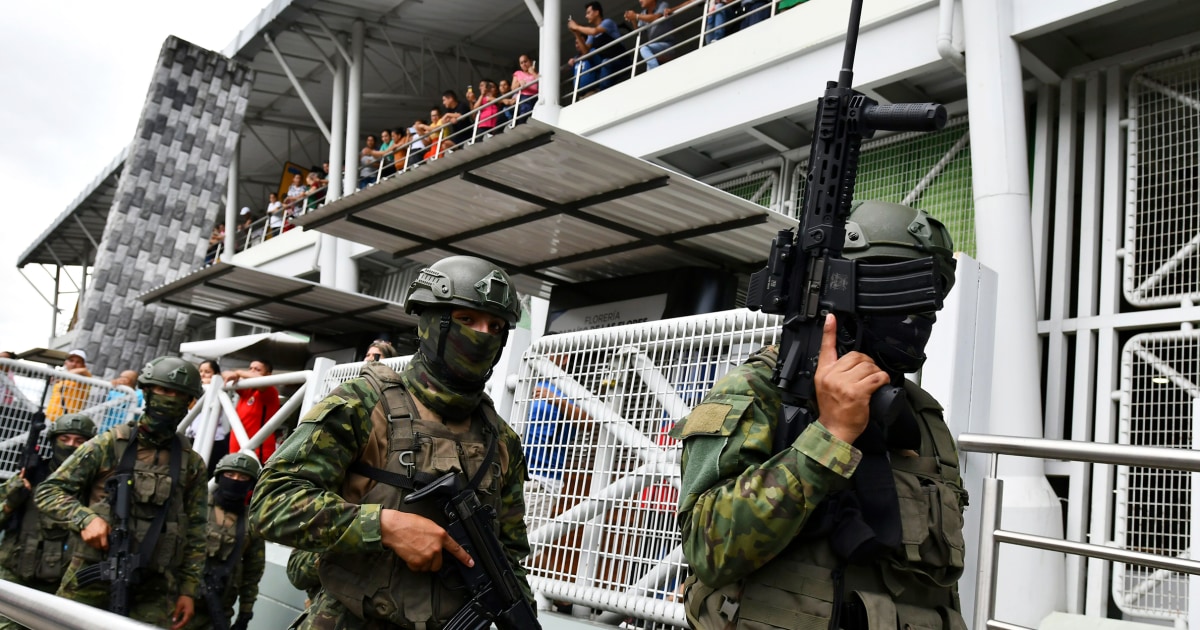
In Ecuador, five tourists were mistakenly killed by gangsters who thought they were members of a rival drug gang, while a separate attack by gunmen in Guayaquil left nine dead and 10 injured. President Daniel Noboa declared the country at war with drug gangs and emphasized that the battle continues, with the government tracking down the attackers. The surge in violent attacks has led to a state of emergency, including a curfew and military deployment, as Ecuador grapples with escalating violence and a high rate of violent deaths.
Ecuador's youngest mayor, Brigitte Garcia, and her adviser were found shot to death inside a car, as the country grapples with a state of emergency to combat escalating gang violence. President Daniel Noboa had declared a "state of war" against gangs in January, deploying the military and implementing the "Phoenix Plan" to curb violence. Despite official claims of success, violent incidents, including the recent assassination of Garcia, continue to plague the country, prompting reinforced security measures.
Ecuador has declared a "state of war" against drug gangs as the country grapples with a surge in violence and organized crime. Security forces are being deployed to combat the drug trade, which has become increasingly entrenched in the country. The government's move reflects the escalating challenge posed by drug gangs and the urgent need to address the situation.
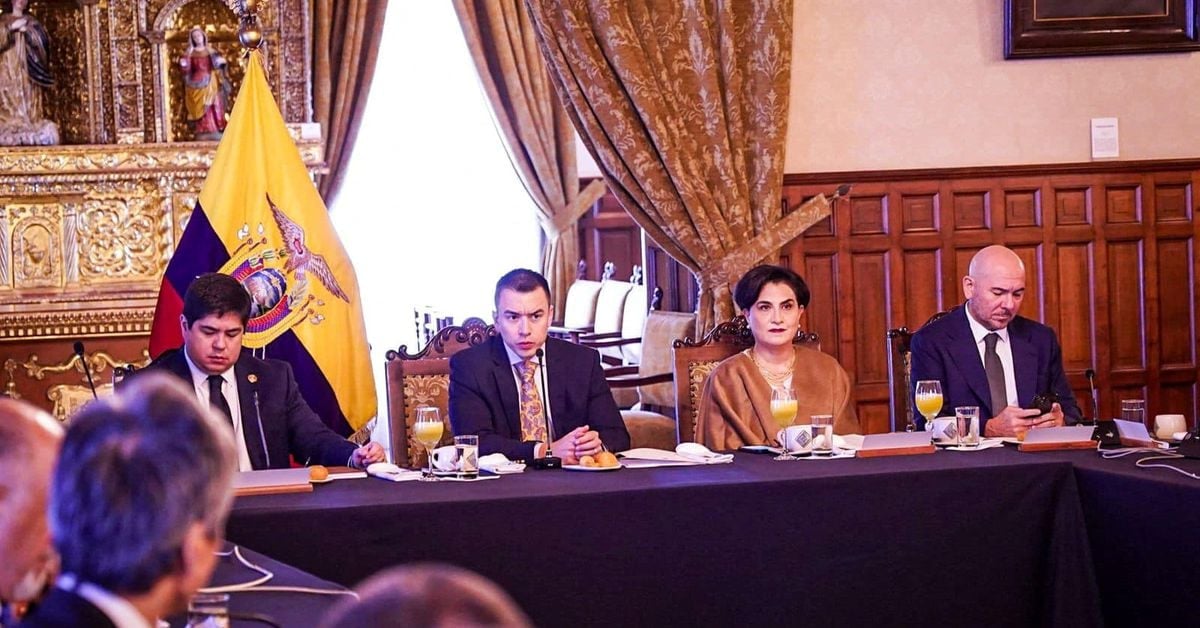
Americans with family in Ecuador express fear and concern as the country faces escalating violence from drug gangs, prompting President Daniel Noboa to declare the country "at war" and implement measures such as high-security prisons and a national curfew. The situation has led to anxiety and fear among Ecuadorians, with reports of gang violence, explosions, and the abduction of law enforcement personnel. The government has named 22 gangs as terrorist organizations and detained hundreds of gang members, while also planning to deport foreign prisoners and seeking aid from the United States. The violence is linked to a corruption scandal and the country's role as a key port for drug traffickers.
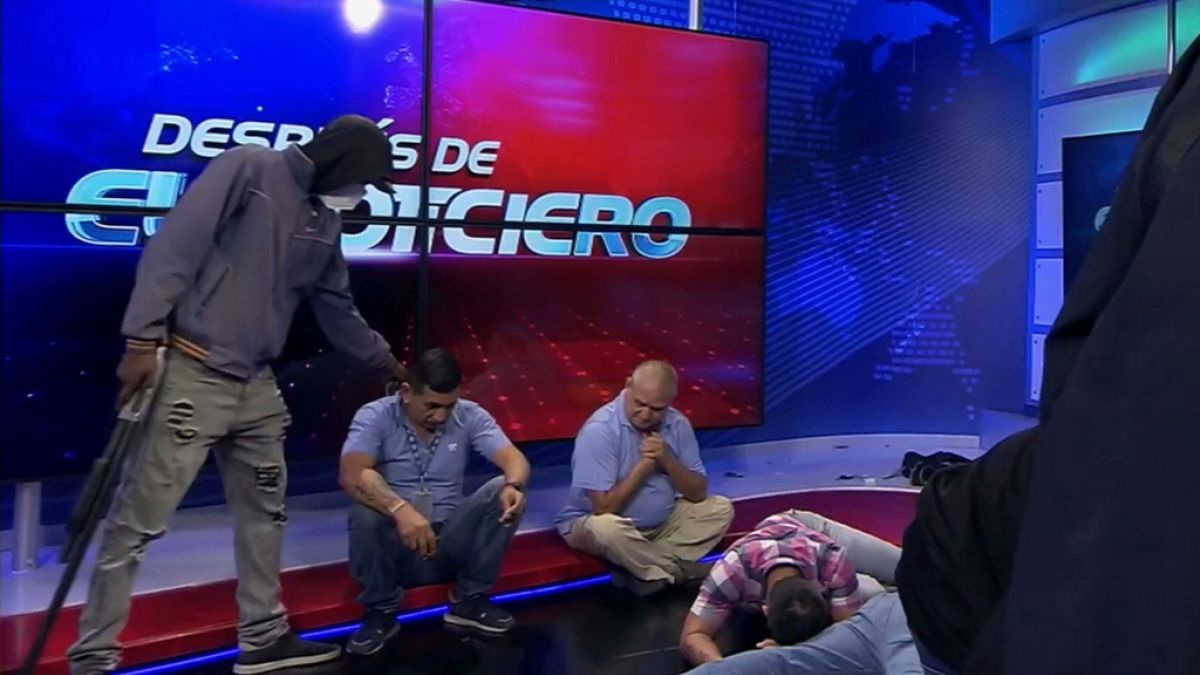
Ecuador's President Daniel Noboa declared the country "at war" with drug gangs holding over 130 prison guards and staff hostage, leading to a 60-day state of emergency. The violence, including explosions and a TV station takeover, prompted the president to name 22 gangs as terrorist organizations. The government plans to build new high-security prisons for gang leaders, and efforts are underway to recover the hostages. The country will begin deporting foreign prisoners, especially Colombians, to reduce prison populations. The ongoing violence has led to arrests and closures of businesses and schools, with streets deserted and a sense of unease reminiscent of pandemic lockdowns.
Ecuador's President Daniel Noboa has declared 20 drug gangs as terrorist groups and authorized the military to "neutralize" them following a surge in violence and the escape of notorious gang leader Adolfo Macías. A state of emergency has been declared after a wave of attacks, including a live TV studio takeover by masked men. The country, previously known for relative peace, has seen a rise in violence, prompting the president to vow to bring back peace to all Ecuadorians.
At least 45 people have been killed in police raids targeting drug gangs in three Brazilian states. In Rio de Janeiro, 10 people were killed in a shoot-out, including a drug trafficking kingpin. In São Paulo state, 16 people died during a five-day police raid, and in Bahia, 19 suspects were killed. The operations have sparked criticism and accusations of police violence and human rights abuses. Calls for improved security and investigations into police misconduct are growing in Brazil.
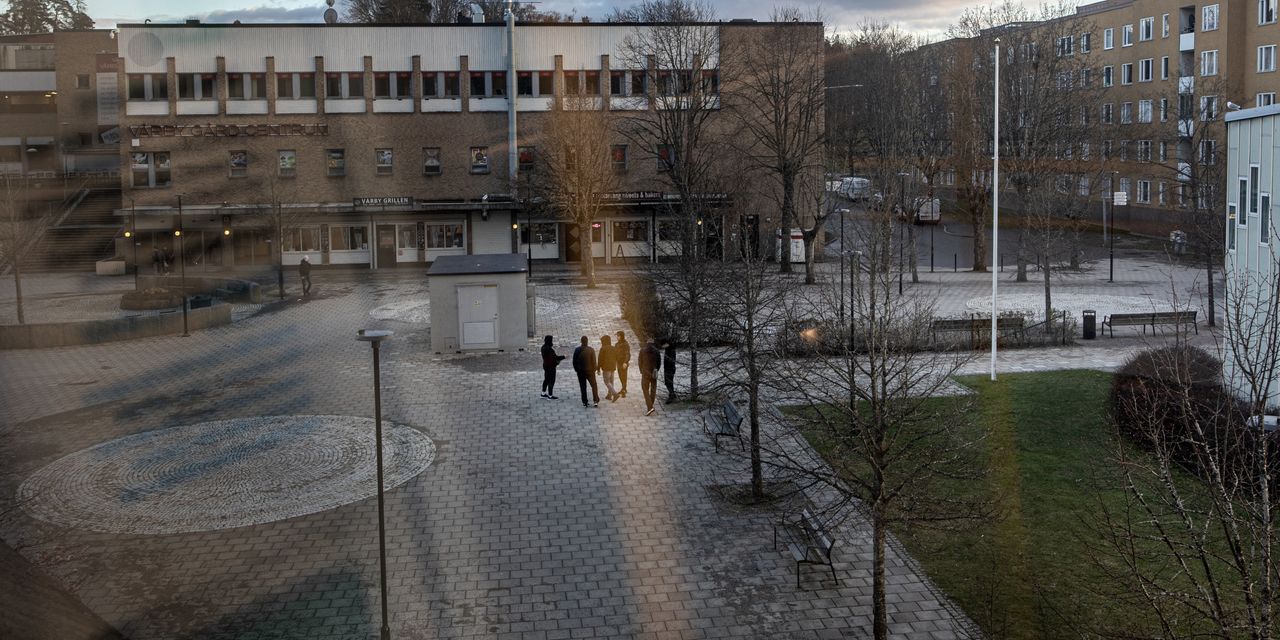
Despite its reputation for peace and safety, Sweden has become Europe's gun-murder capital due to an increase in gang-related violence, particularly involving drug gangs. The police have struggled to combat the problem, and the country's version of "America's Most Wanted" has been used to broadcast photos of suspects.