
Tag

Dolidze 25

All articles tagged with #dolidze 25

astronomy2 years ago

"ESO's Stunning Image Reveals Enigmatic 'Smiling Cat' Nebula"

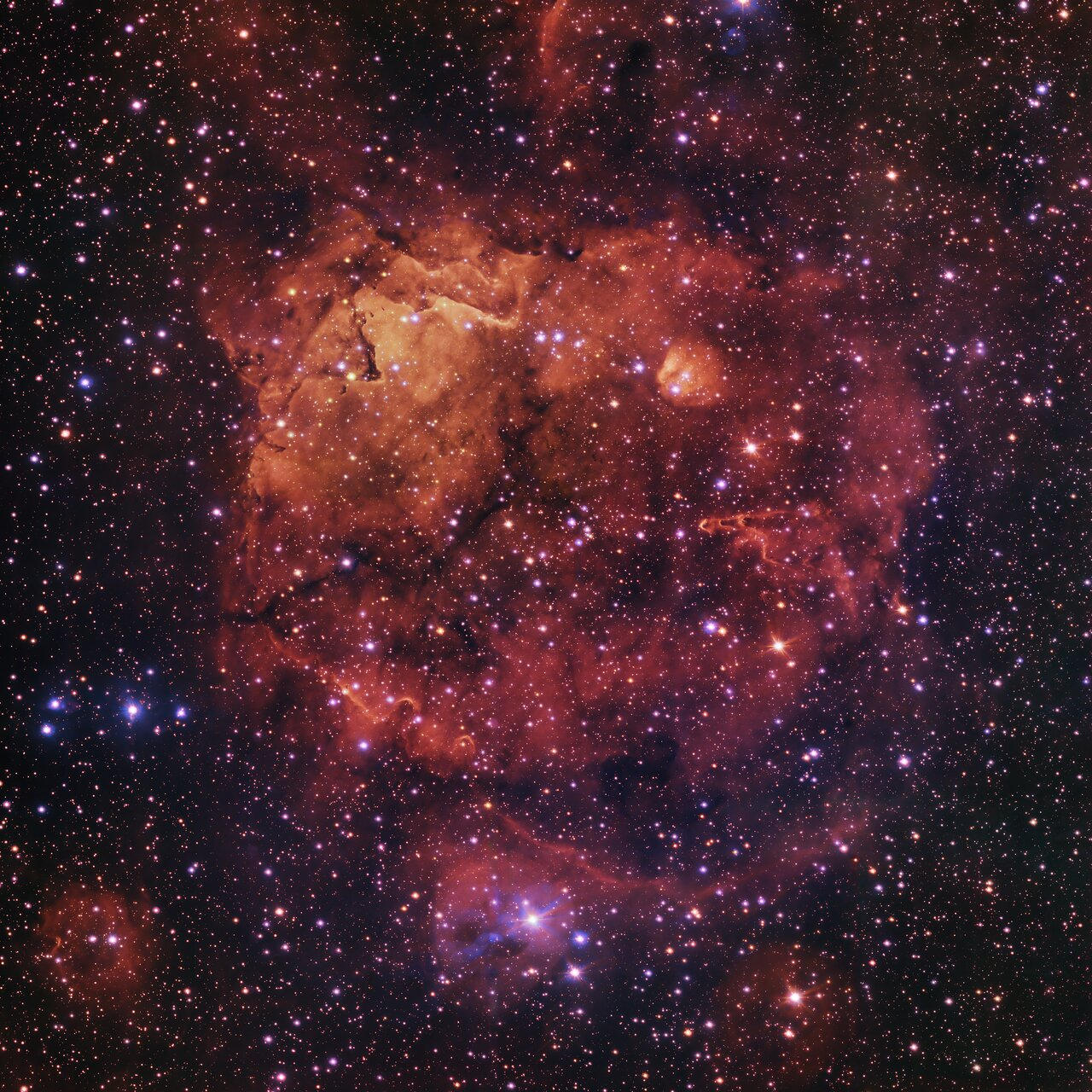
The European Southern Observatory's VLT Survey Telescope has captured a stunning image of the Sh2-284 nebula, also known as the "Smiling Cat" nebula. Located in the constellation Monoceros, this star formation region is home to a cluster of young stars called Dolidze 25, which emits powerful radiation that ionizes the hydrogen gas in the nebula, resulting in its vibrant orange and red colors. The image reveals the intricate details of the nebula, including pillars of gas and dust where new stars are forming. This image is part of the VST Photometric Hα Survey, which aims to study the birth and life cycle of stars in our Milky Way galaxy.
astronomy2 years ago

Captivating Image Reveals the Enigmatic "Smiling Cat" Nebula

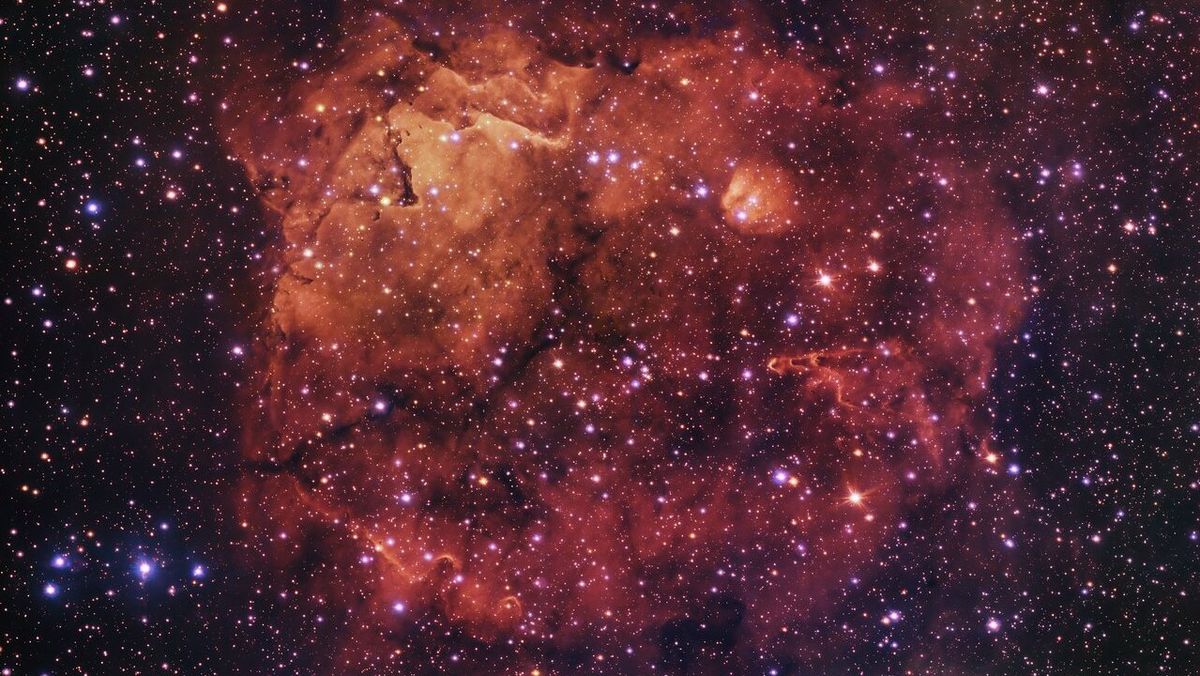
The European Southern Observatory has released an image captured by the Very Large Telescope (VLT) showing the Sh2–284 nebula, which resembles the head of a grinning cosmic cat. Located around 15,000 light-years from Earth in the constellation of Monoceros, the nebula is the brightest part of the Sh2–284 nebula and is home to a large population of infant stars. Directly below the "cat's nose" is the cluster of young stars known as Dolidze 25, which emits a significant amount of radiation and powerful stellar winds. The image also reveals dense gas and dust lanes, referred to as "cosmic cat's whiskers," where new stars are formed.

astronomy2 years ago

Astronomers Capture Spectacular Image of the Cat-Shaped Nebula

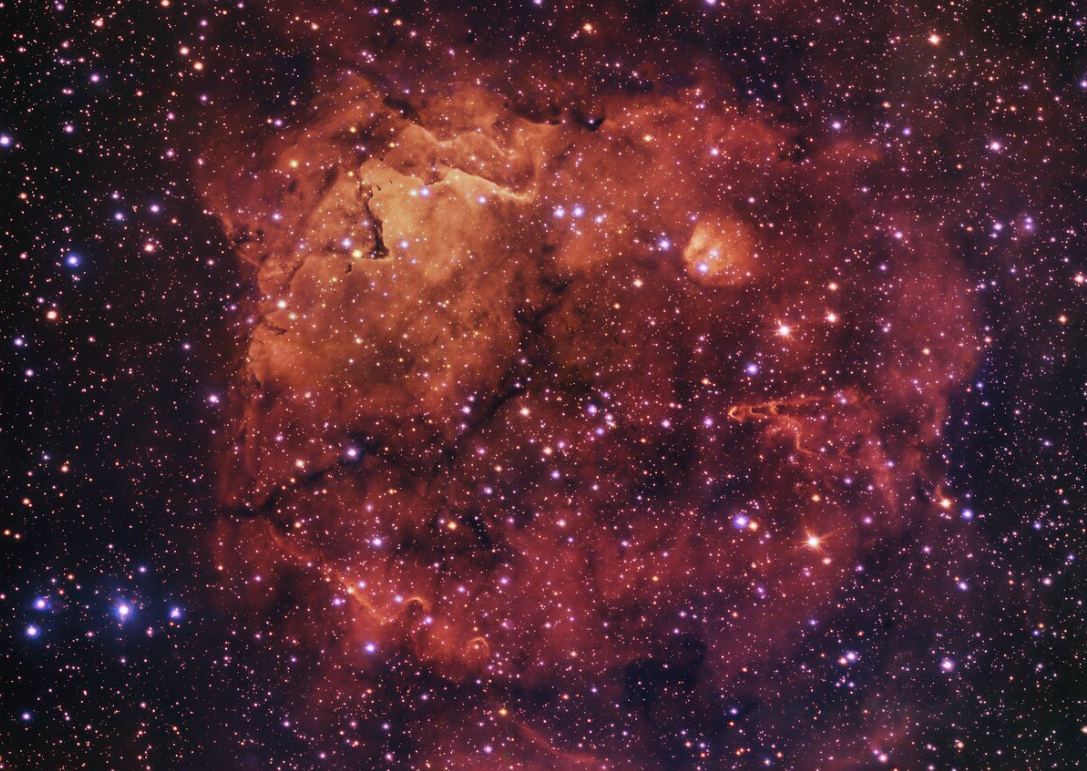
The Smiling Cat Nebula, also known as Sh2-284, is a dynamic stellar nursery located about 15,000 light-years away in the constellation Monoceros. It contains a group of young stars called Dolidze 25, which are ionizing the surrounding hydrogen gas and dust with their powerful UV energy. The stars are also blowing away gas and dust, creating pillars and fingers of material. Dolidze 25 has the lowest known metallicity of any star-forming region in the Milky Way, and its stars are relatively young. As the stars age, they will disperse, and the gas in the nebula will dissipate. The low metallicity suggests that rocky planets may not form, making the existence of life unlikely. In millions of years, the region will look different, and the Smiling Cat Nebula will cease to exist.