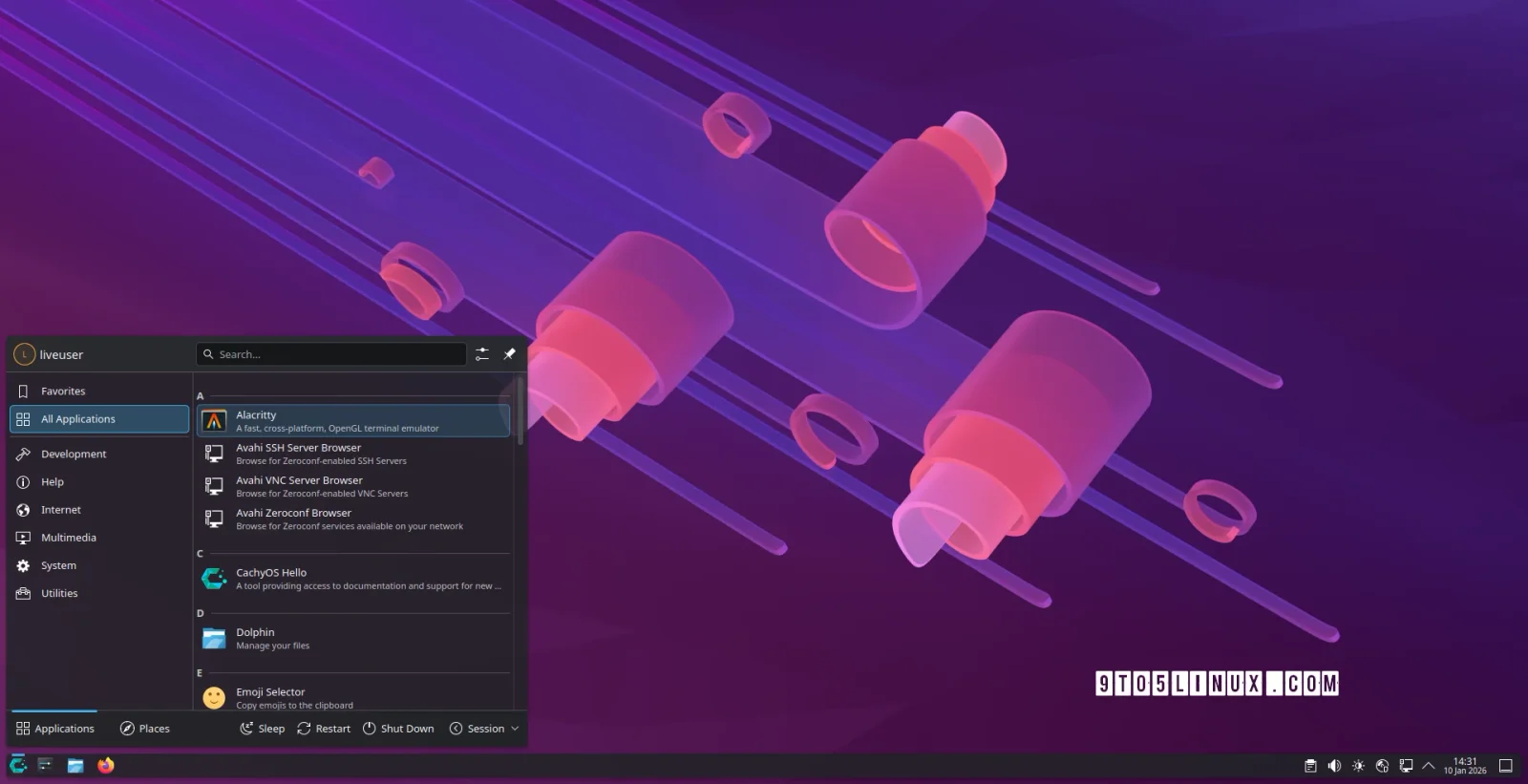
KDE Plasma 6.6 is set to release on February 17, 2026, bringing numerous new features such as a new login manager, enhanced security, improved Wayland support, and customization options, with beta versions available for testing in January.
KDE Plasma 6.0.2 has been released with numerous bug fixes across components like Breeze, KDE Discover, KPipeWire, KWin, Plasma Desktop, and Plasma Mobile. The update also includes fixes for XWayland, Wayland, and DRM back-end issues. The release announcement highlights prominent fixes such as addressing windows placement, handling invalid URLs, and resolving panel behavior. Future point releases are expected on a bi-weekly schedule, with Plasma 6.0.3 anticipated on 26 March and Plasma 6.0.4 on 15 April.
Budgie 10.9 has been released with early Wayland porting work, a redesigned Bluetooth applet, and a new budgie-session. The release features initial ports of various applets and components to using the Wayland-compatible libxfce4windowing library, with plans for a Wayland-only release in 2024.
GNOME developers are making progress on enhancing the desktop environment with Variable Rate Refresh (VRR) settings and discussing the best way to present the option to users. Additionally, there are pending merge requests for adding laptop battery charge threshold controls to help preserve battery health for frequently plugged-in systems, with work being carried out on UPower and the GNOME Control Center for this purpose.
The Budgie desktop project within the Solus Linux space is aiming to release a Wayland-only version of Budgie 10 this year, with plans to start work on Budgie 11 as their next-generation desktop. The developers are focusing on advancing Wayland and XWayland support, with hopes to close the chapter of Budgie 10 development efforts and shift focus to the next chapter of Budgie Desktop in 2024.
Kubuntu 23.10, the latest release of the official Ubuntu Spin, offers a stable, efficient, elegant, and user-friendly desktop experience with KDE Plasma 5.27.8. The update includes bug fixes, software updates, and a 23-year-old feature request. The UI is familiar and easy to navigate, with a default menu that makes finding apps and files simple. Kubuntu 23.10 stands out with its balance of form and function, providing an elegant desktop environment that "just works" out of the box. The only surprise is the change in the Multimedia menu, featuring Elisa and Haruna as media players. Overall, Kubuntu 23.10 is a reliable and user-friendly operating system that showcases the best of Linux.
GNOME has opened merge requests to drop X.Org (X11) session support, making it a Wayland-only desktop environment. The move aligns with Fedora's plan to disable GNOME X11 session support and make KDE Plasma 6 Wayland-only. The merge requests aim to remove X11 session targets and eventually eliminate the X11 session code, reducing gnome-session's codebase by 3.6k lines. Concerns have been raised about the impact on downstream desktops that haven't fully transitioned to Wayland, but it appears that GNOME will become Wayland-only in 2024.
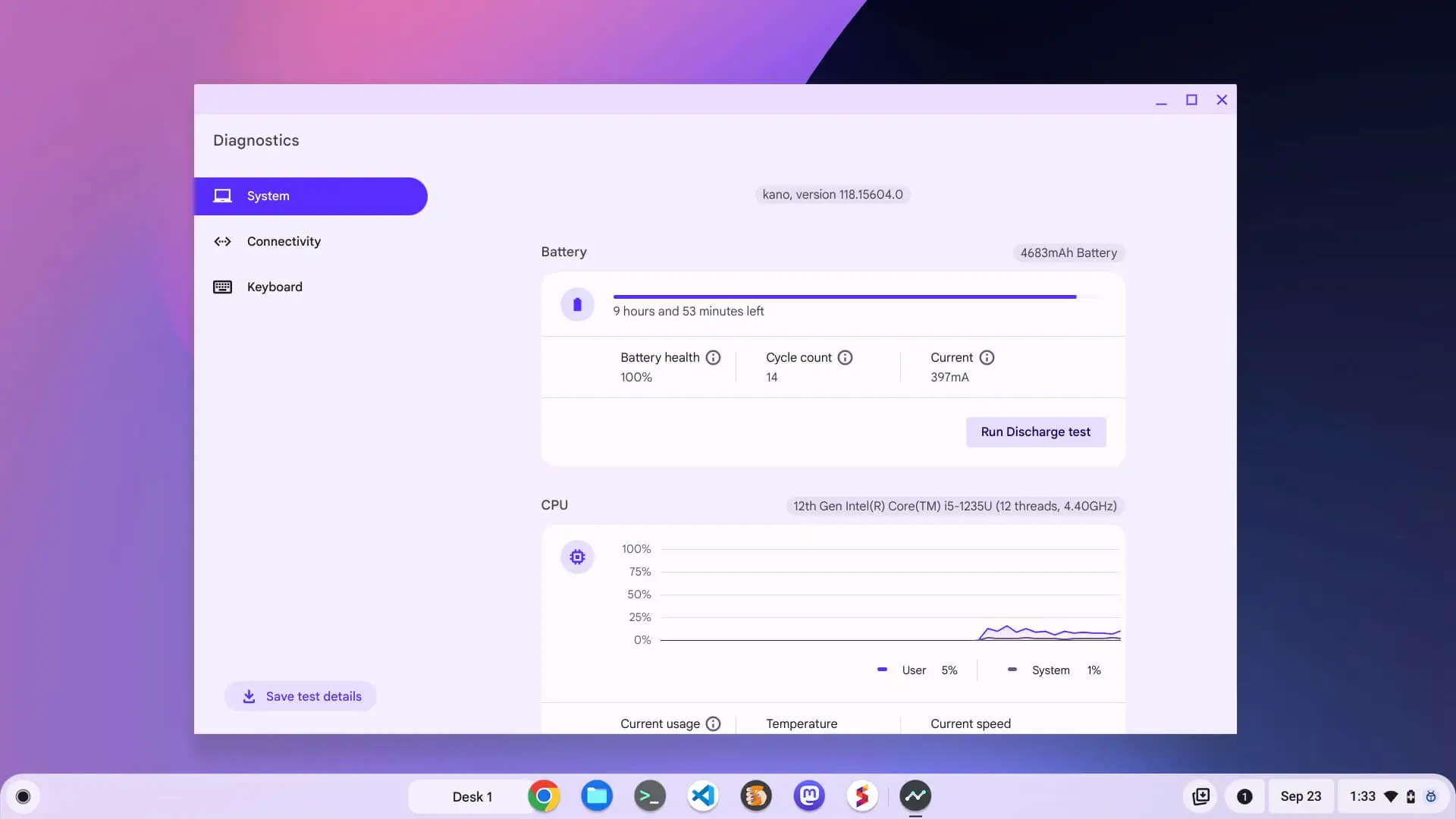
ChromeOS is effectively a Linux distribution, utilizing a Linux kernel and Google's desktop environment. While ChromeOS offers a limited but effective Linux software platform, the author finds themselves increasingly drawn to traditional Linux distributions due to features like tiling window managers and greater customization options. The author suggests that ChromeOS should embrace Linux further by introducing a Linux desktop application store or repository, as Linux desktop apps run well on Chromebooks and offer a more optimized experience compared to Android apps.