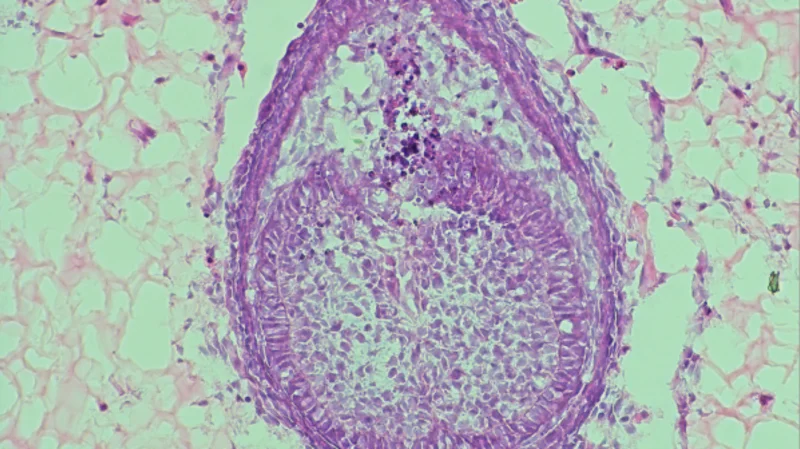
Researchers worldwide are making progress in growing real human teeth in the lab, with recent advances in materials and techniques that could lead to biological tooth replacements that integrate seamlessly with human tissue, potentially transforming dentistry within the next decade.
Scientists at Science Tokyo have identified two distinct stem cell lineages responsible for forming tooth roots and alveolar bone, revealing signaling pathways that could lead to advanced regenerative dental treatments, moving closer to natural tooth regeneration instead of artificial replacements.
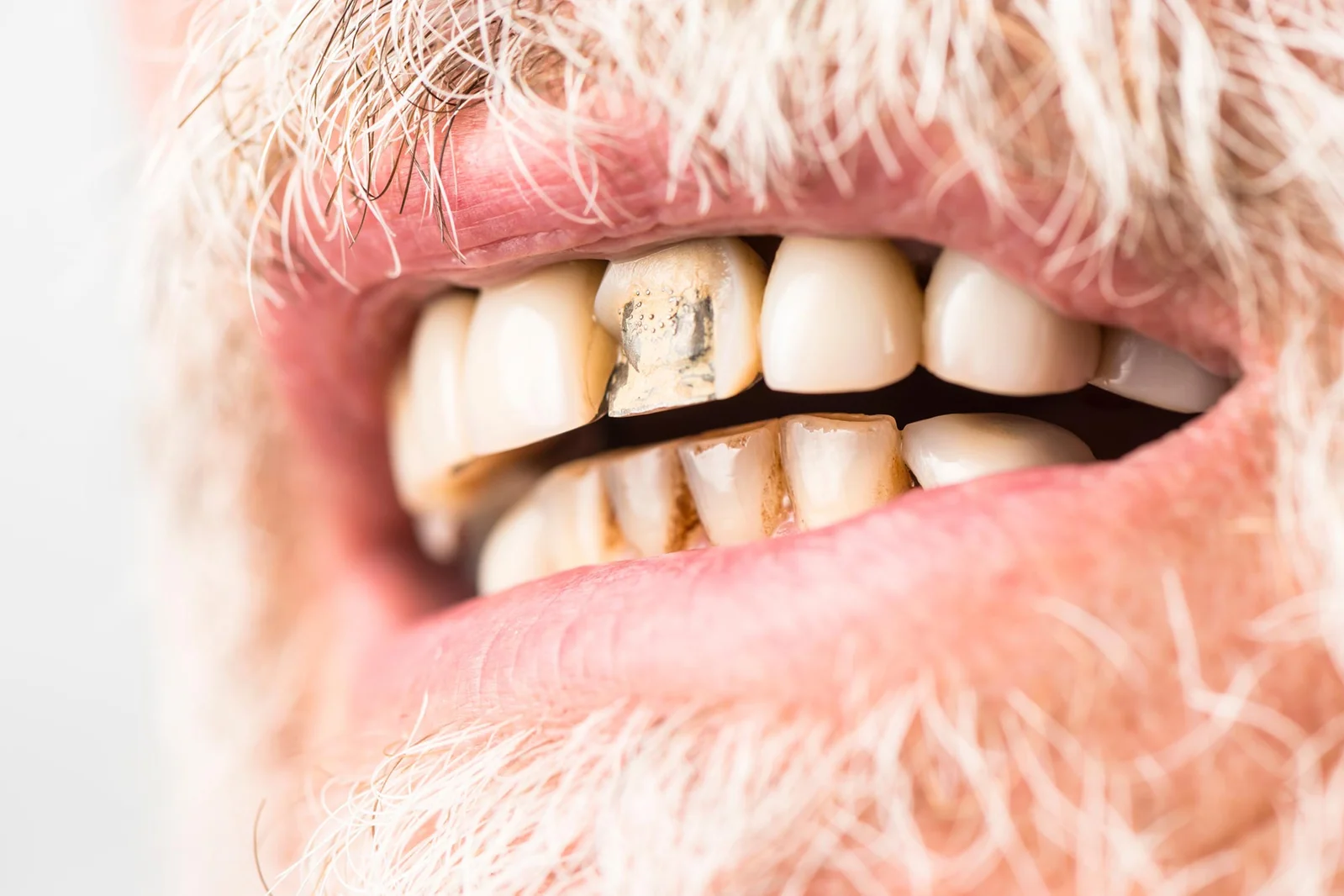
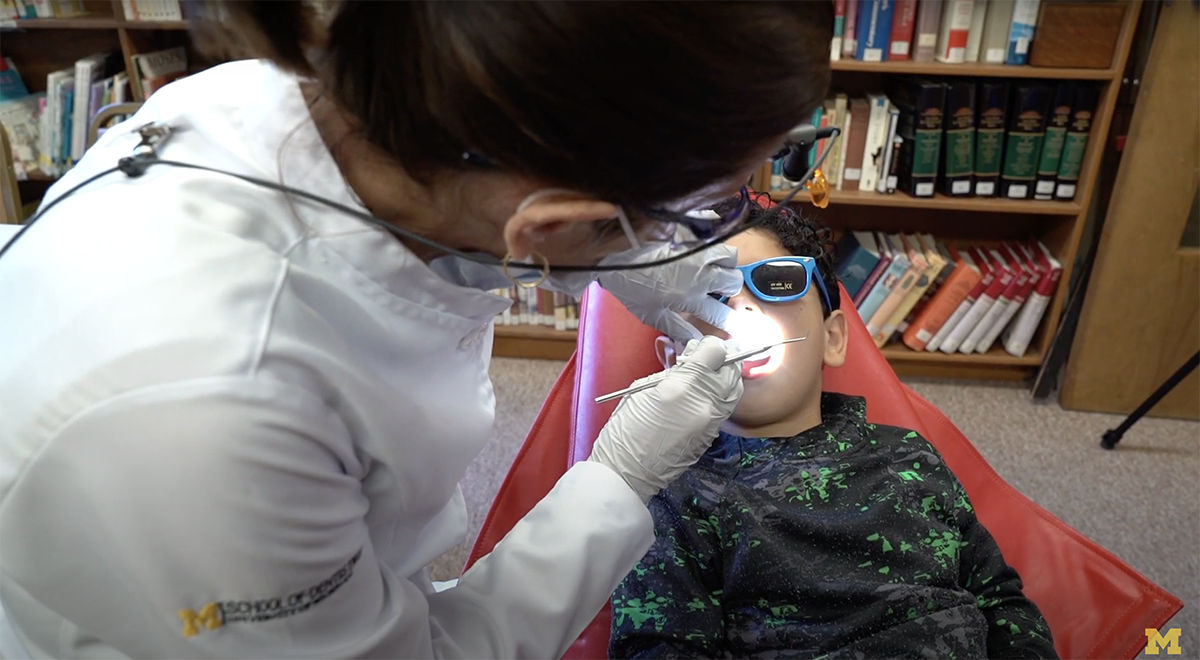
A clinical trial funded by the National Institutes of Health found that a topical liquid called silver diamine fluoride (SDF) can effectively stop tooth decay in young children, with 54% of cavities halting progression after SDF treatment compared to 21% with a placebo. SDF, already FDA-cleared for treating dental sensitivity, can be painlessly swabbed onto cavities and has been used for decades in other countries. The study's lead investigator noted that SDF is a game changer, offering a non-invasive alternative to costly and potentially risky treatments like restoration and tooth extraction. The researchers are now analyzing final data on over 800 children to assess SDF's effects on tooth pain, quality of life, and potential side effects, as well as evaluating patient and parent satisfaction and acceptability.