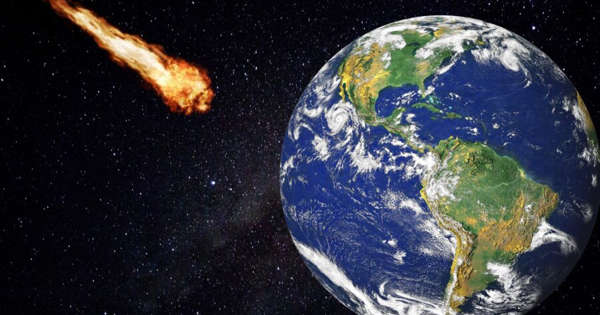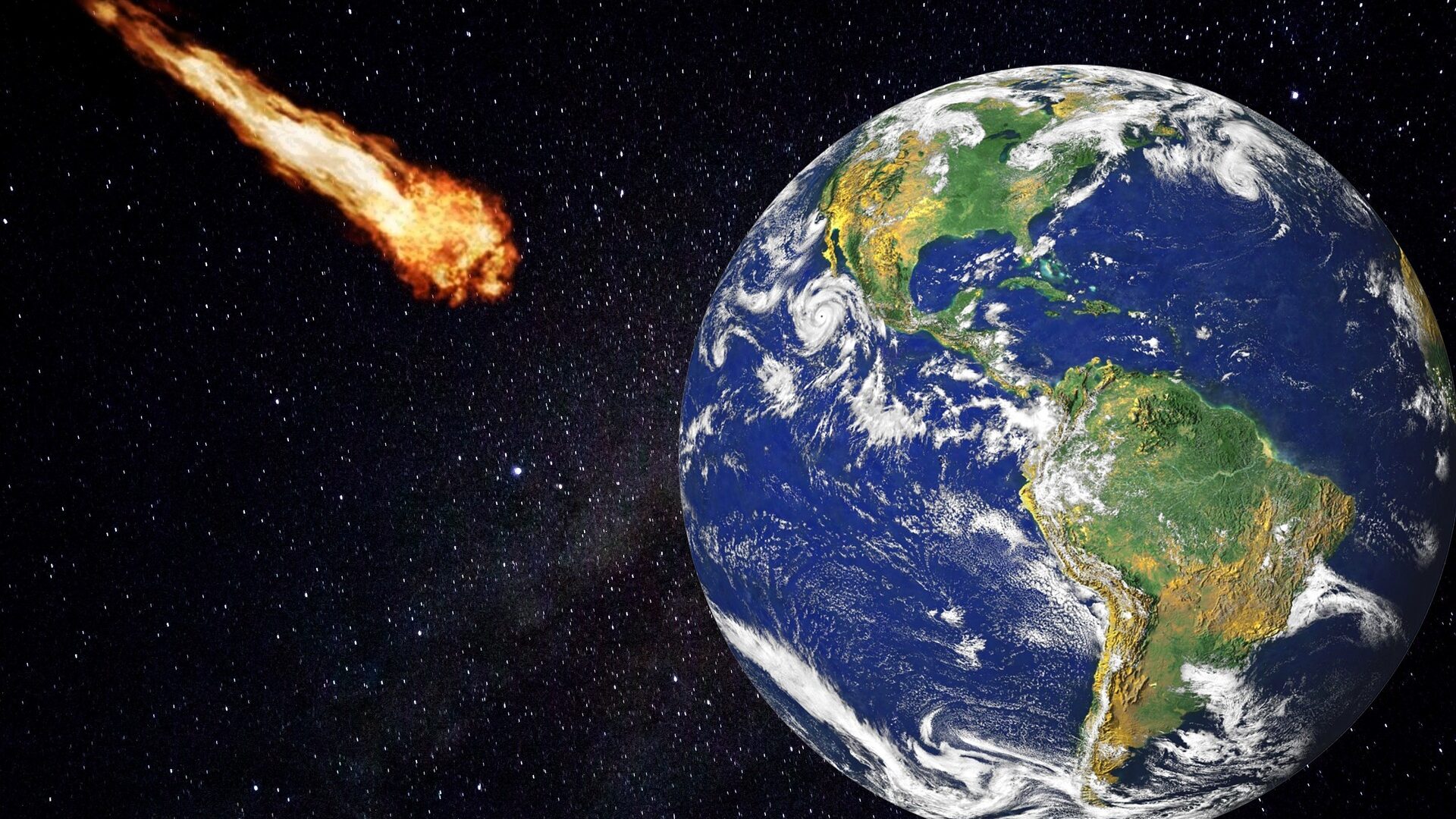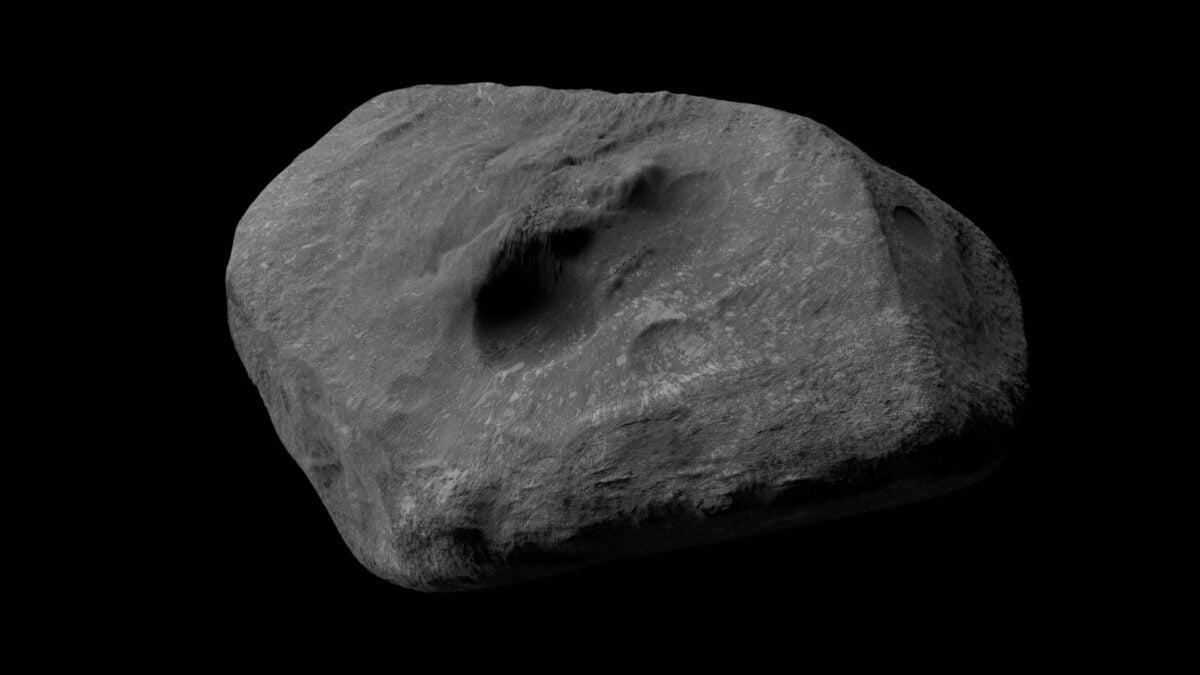
An asteroid, 2024 YR4, has a 4% chance of hitting the Moon in 2032, prompting discussions on how to prevent this. Due to uncertainties in its size and composition, deflecting it is considered impractical, making destruction via kinetic disruption or nuclear options more viable. This situation offers a rare chance to test planetary defense strategies.
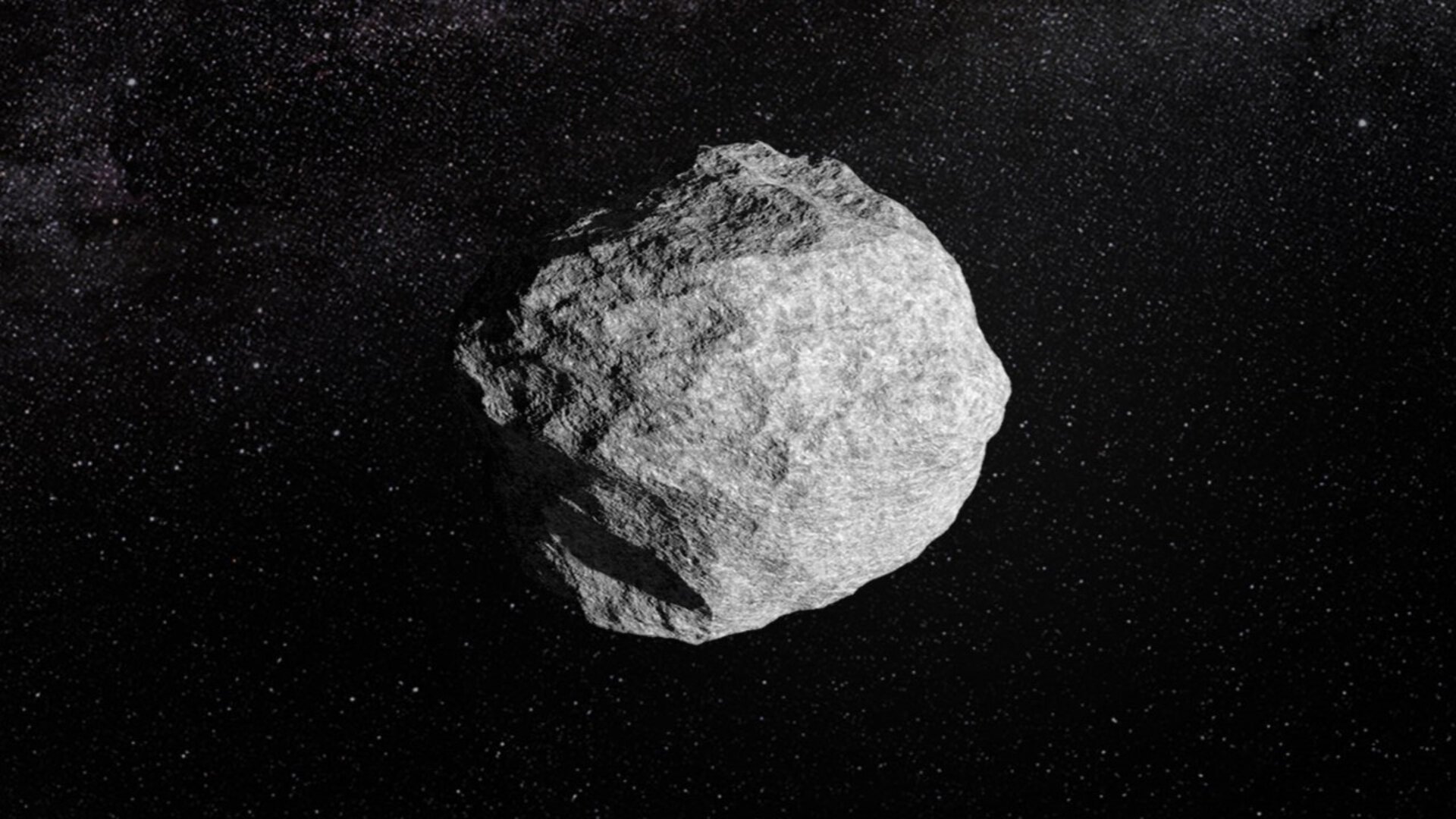
Asteroid 2024 YR4 poses a potential threat to the Moon in 2032, with options to deflect or destroy it. Deflection requires precise mass estimates, which are challenging, while destruction could involve kinetic impact or nuclear explosions. Early intervention is crucial, but plans depend on further observations and international decisions.
An asteroid classified as a Near Earth Object (NEO) will pass by Earth on Wednesday at a distance of 1.1 lunar distances, or approximately 262,790 miles. The asteroid, known as 2023 HV5, is not large enough to be considered "potentially hazardous" by NASA, with a probability for collision estimated at 0.00024. Scientists have tools to detect and deflect potentially hazardous objects, such as the recent DART mission, which successfully altered the course of an asteroid.
An asteroid classified as a Near Earth Object (NEO) will pass by Earth on Wednesday, coming as close as 1.1 times the distance of the Moon's orbit. The asteroid, known as 2023 HV5, is not large enough to be considered "potentially hazardous" by NASA, with a probability of collision estimated at 0.00024. Scientists have more tools than ever to detect and deflect potentially dangerous objects, as demonstrated by the recent DART mission.