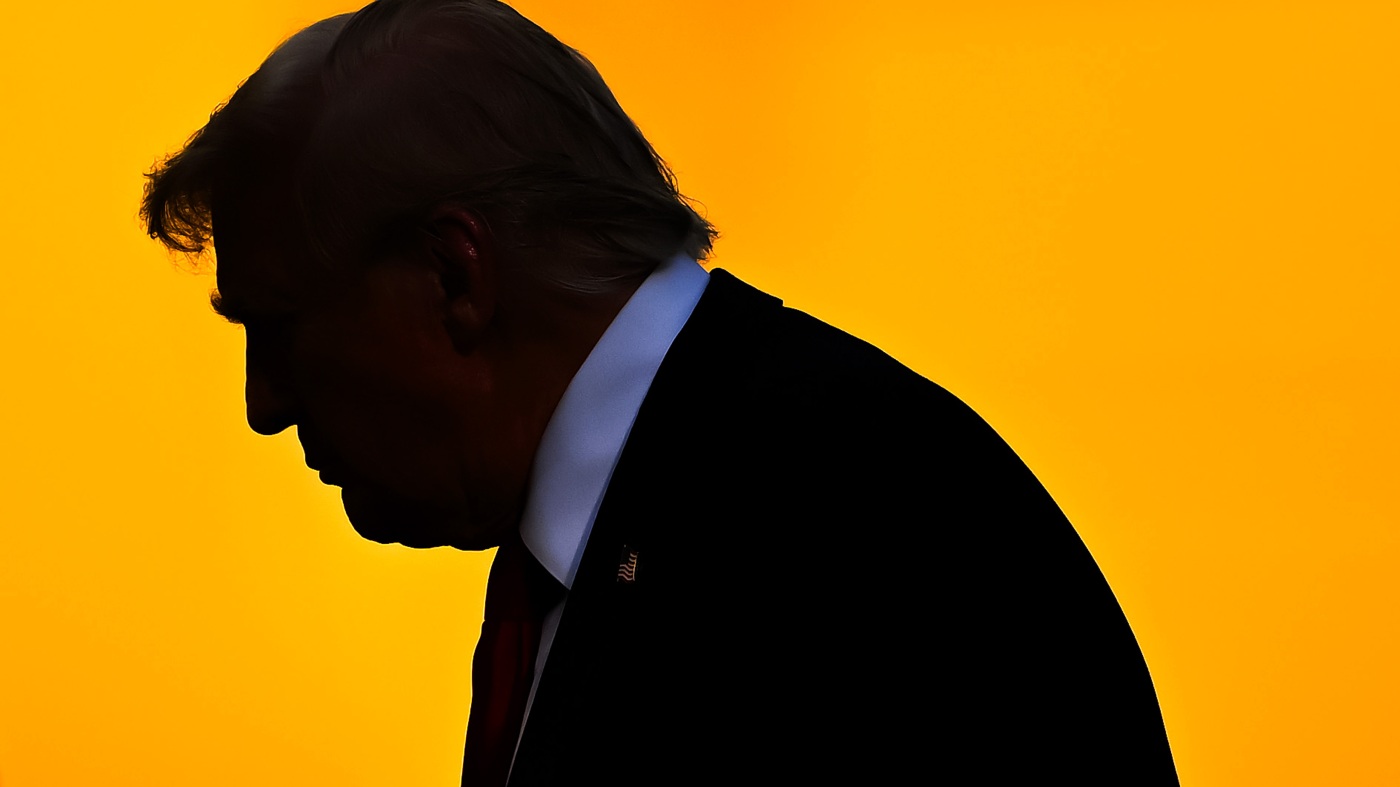
The indictment of ex-FBI Director James Comey marks a significant moment for Trump and the MAGA movement, seen as the first step in a broader campaign of political retribution against perceived enemies, with many in MAGA eager for further prosecutions, despite skepticism from legal experts about the strength of the cases.
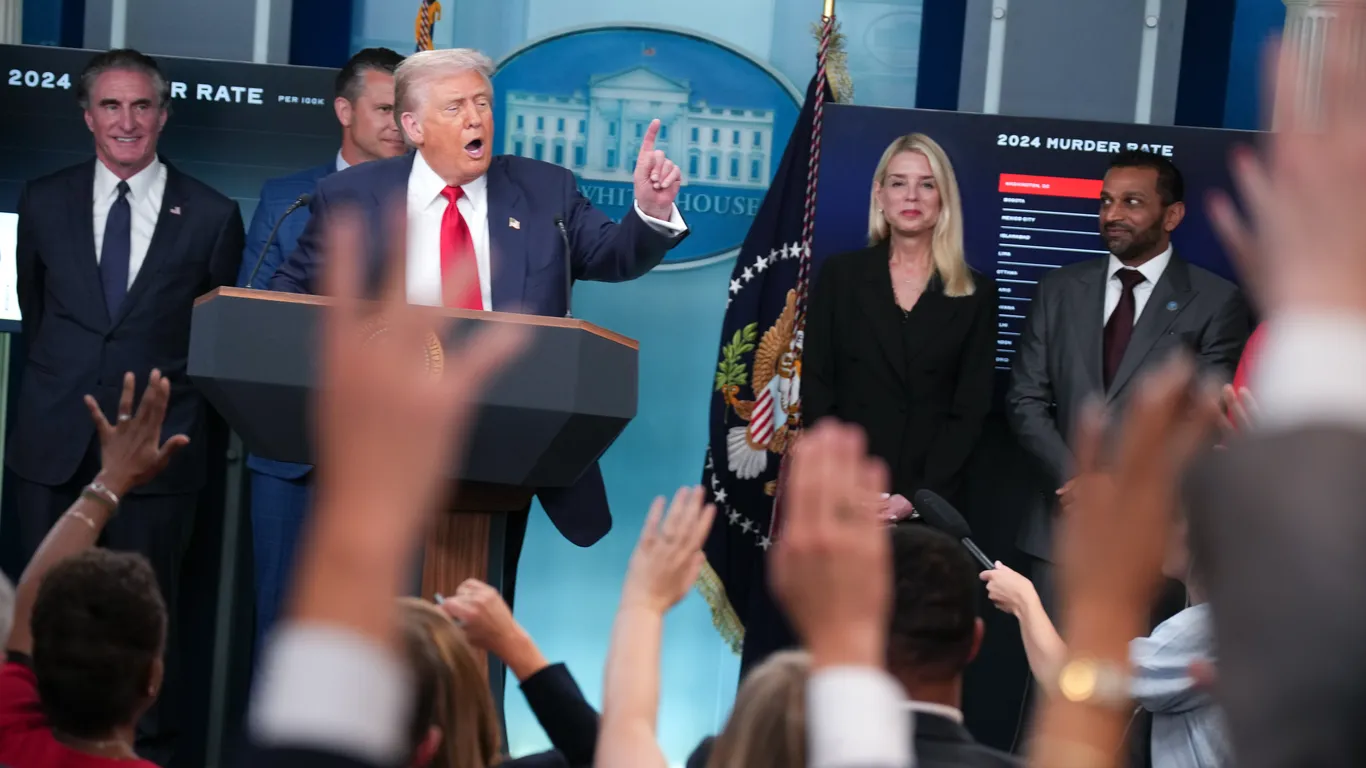
Despite pledges of non-politicization, the Trump administration has expanded investigations into political enemies, targeting figures like John Bolton, John Brennan, James Comey, and Miles Taylor, amid claims of rooting out the 'deep state' and political retribution.
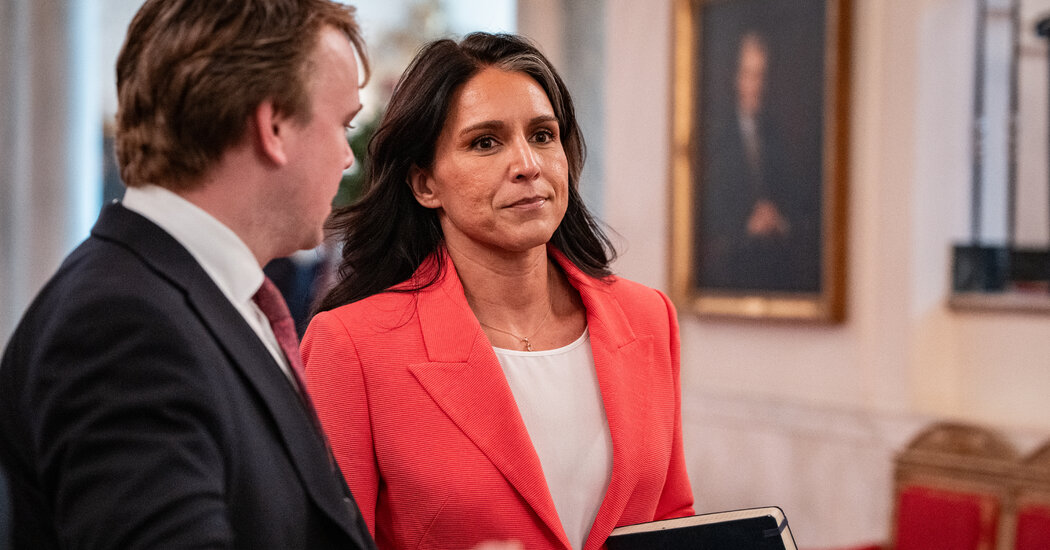
Tulsi Gabbard, director of national intelligence, announced plans to reorganize her office by eliminating the National Intelligence University and reducing the focus of the Foreign Malign Influence Center, aiming to cut costs and target 'deep state' actors, amid criticism from Democrats over her recent security clearance revocations and concerns about politicization of intelligence.
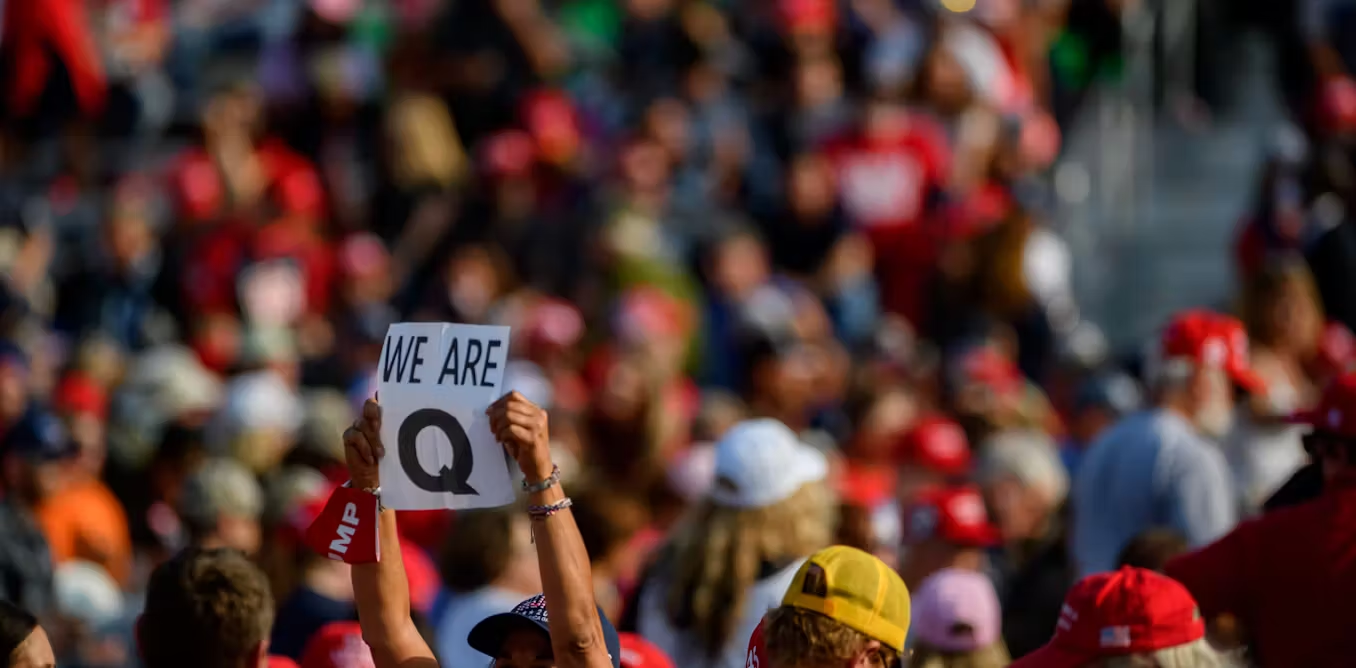
The article discusses how the QAnon movement, which originated from baseless conspiracy theories about elite child trafficking, has entered mainstream politics, especially through support for Trump, and how the ongoing controversy over the Epstein files fuels distrust and radicalization within the movement, highlighting the dangerous influence of myths in American democracy.
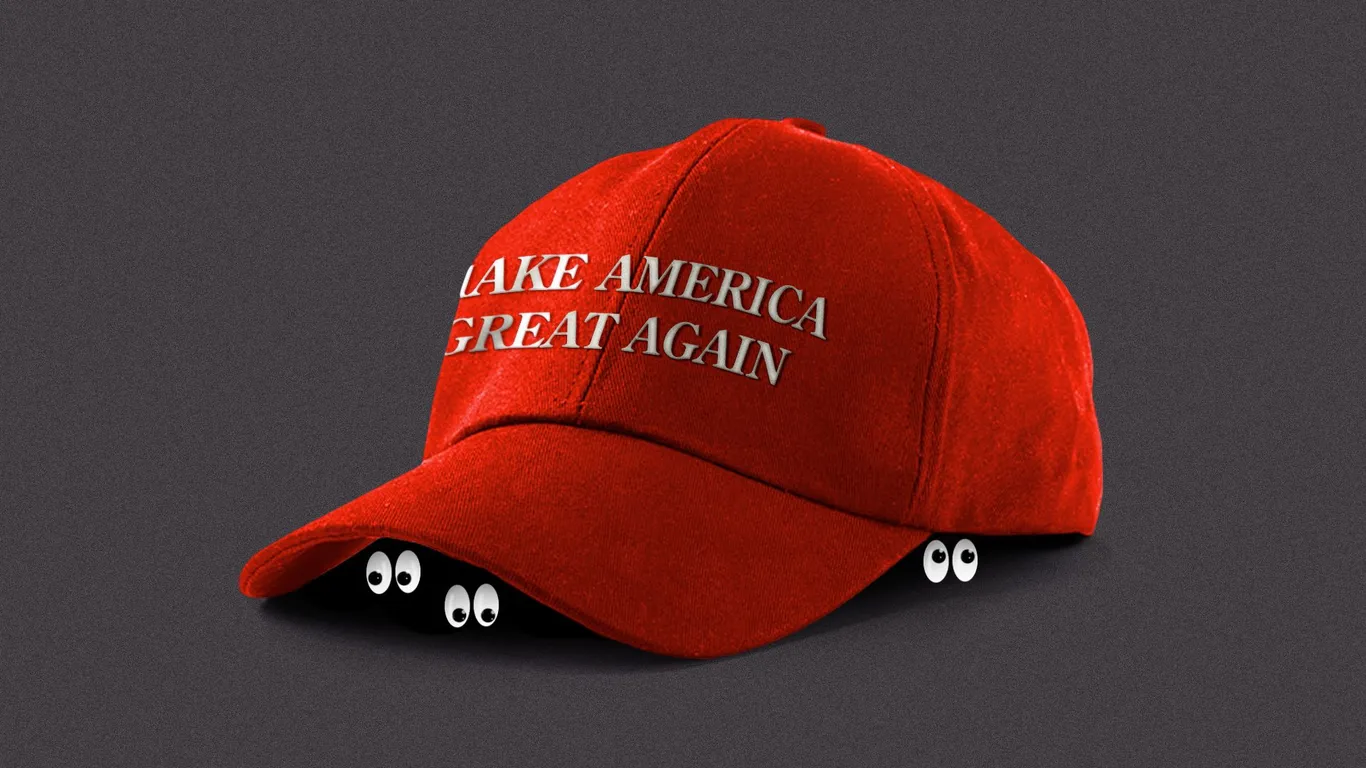
The MAGA movement, despite recent political successes, is plagued by suspicion and fears of betrayal from shadowy elites and internal traitors, especially following the Epstein case closure, which has caused internal divisions and concerns about a potential cover-up, even as many supporters still see Trump as a transformative leader.
President Trump faces criticism from his base after defending the review of Jeffrey Epstein's files and dismissing concerns about their contents, amid ongoing conspiracy theories and political tensions surrounding Epstein's death and potential connections to powerful figures.
Donald Trump celebrates recent victories including a Supreme Court ruling and a ceasefire between Israel and Iran, but faces internal conflicts over intelligence leaks and skepticism about his claims on Iran's nuclear capabilities, highlighting ongoing tensions with the US intelligence community and deep state adversaries.
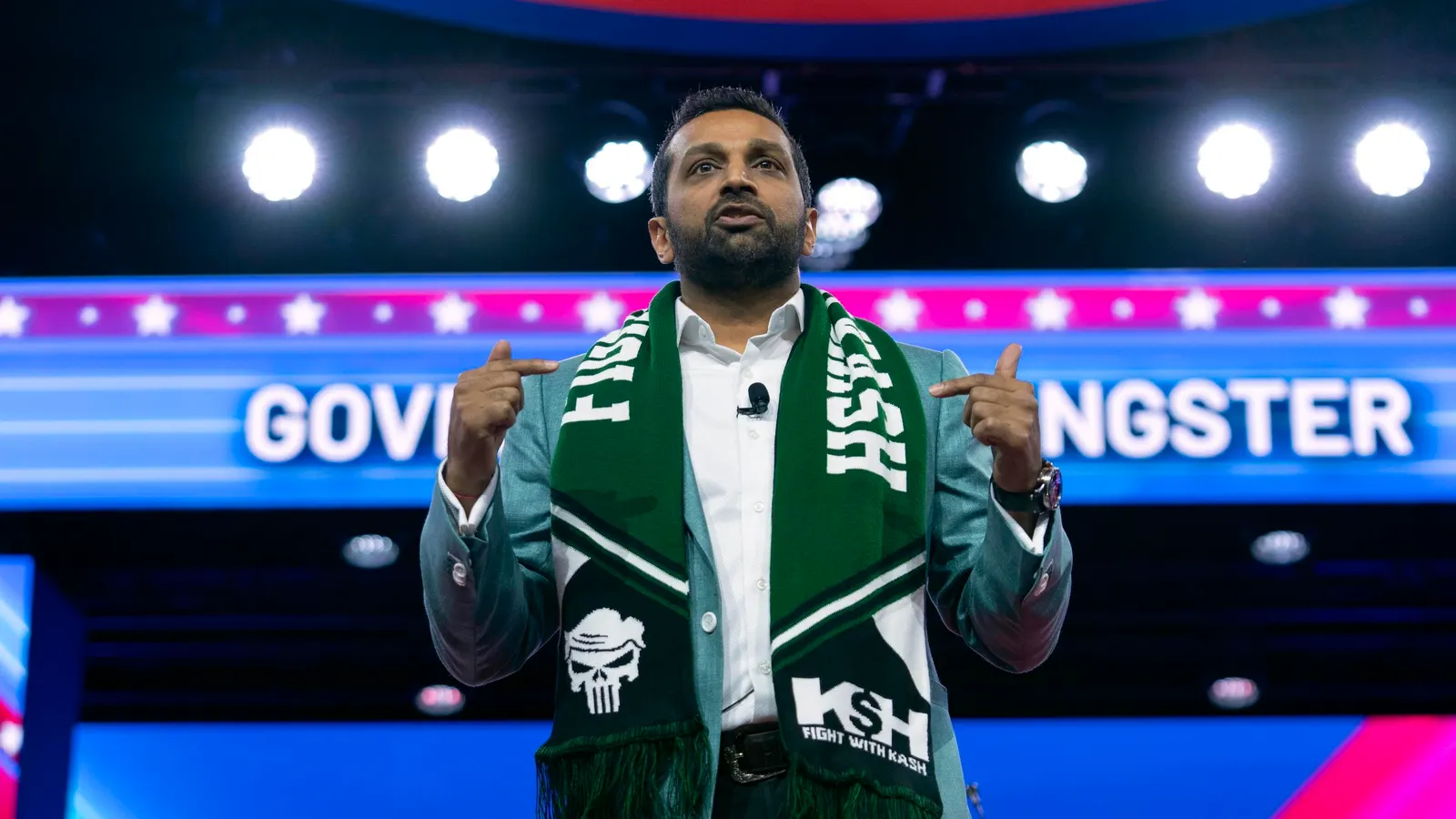
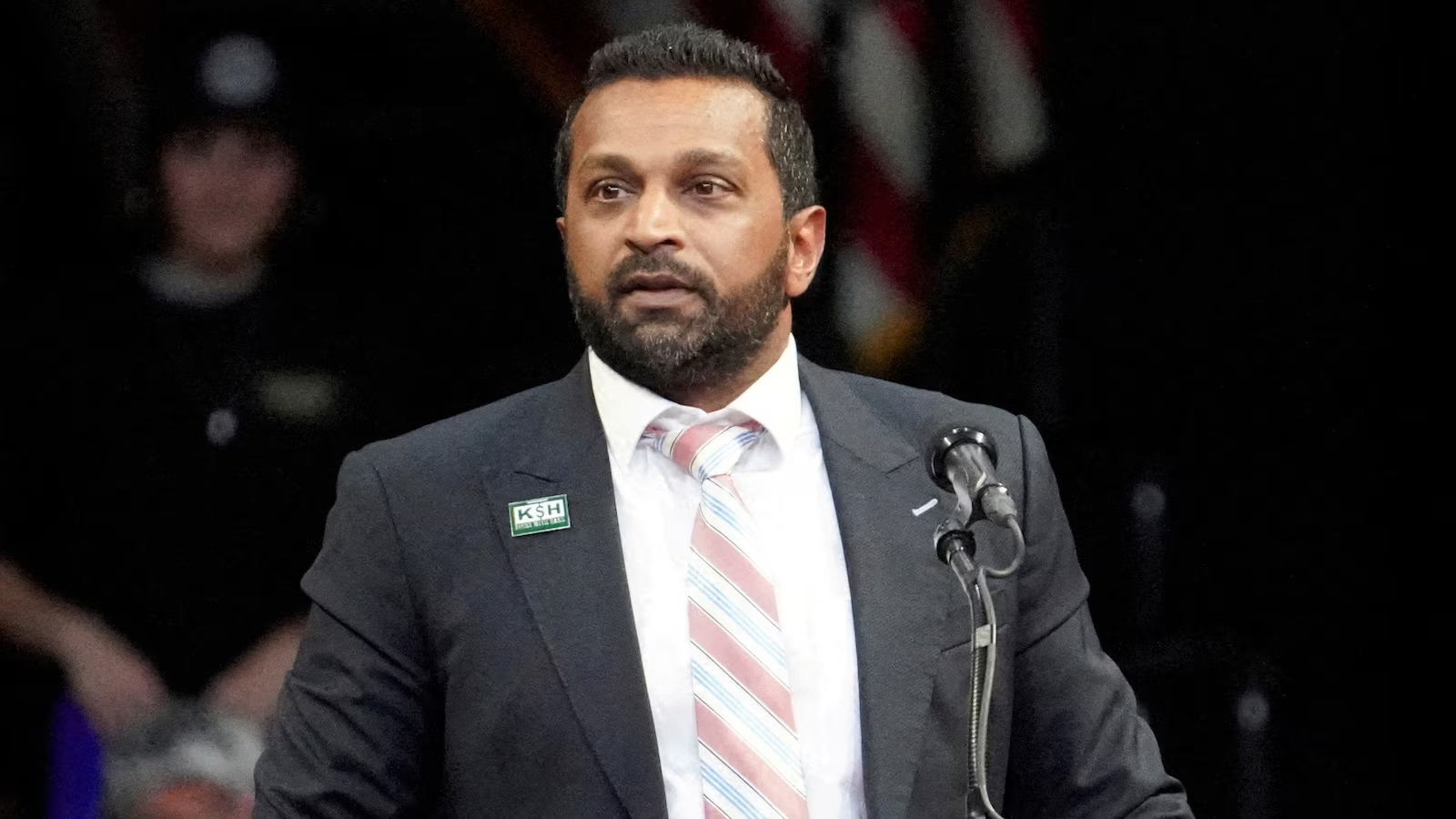
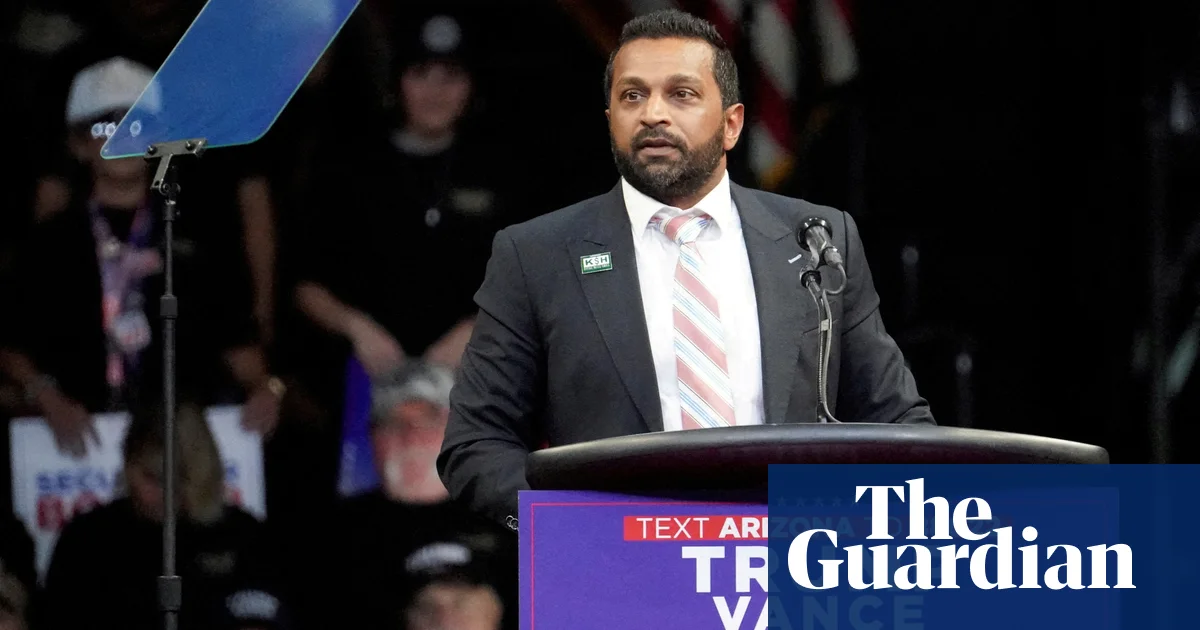
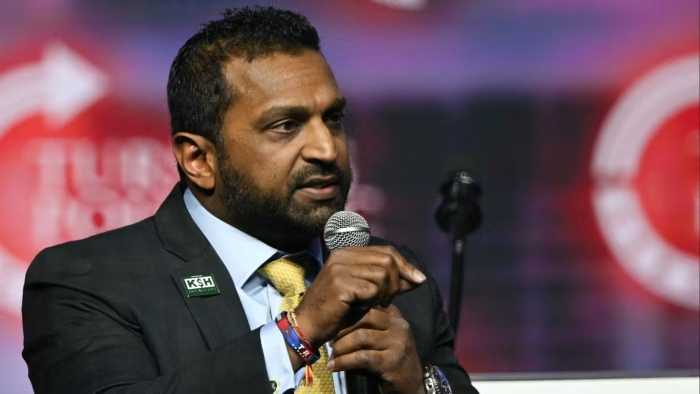
FBI Director Christopher Wray plans to step down, paving the way for President-elect Donald Trump's controversial nominee, Kash Patel, to potentially lead the agency. Patel, known for his loyalty to Trump and criticism of the "Deep State," has sparked concern due to his past actions and statements, including plans to target Trump's perceived enemies. His appointment, requiring Senate confirmation, is part of Trump's strategy to fill his administration with loyalists, raising alarms among critics about the potential impact on the FBI's mission and integrity.
Kash Patel, a Trump loyalist and potential future FBI director, has expressed intentions to investigate and prosecute those he believes orchestrated the "Russia Gate" investigation, which he claims was a massive "criminal enterprise." Patel, who has a history of supporting Trump's claims against the "deep state," suggests firing thousands of government employees and targeting media figures. Despite multiple official inquiries finding no evidence of intentional wrongdoing in the Russia investigation, Patel insists on pursuing accountability for what he describes as "borderline treasonous" actions by officials from both the Obama and Trump administrations.
Donald Trump has announced Kash Patel as his pick for FBI director, a move that has raised concerns due to Patel's reputation as a staunch Trump loyalist and conspiracy theorist. Patel, known for his efforts to undermine investigations into Russian interference in the 2016 election, has pledged to target Trump's perceived enemies in the media and government. His appointment is seen as part of Trump's broader strategy to fill key positions with individuals committed to his agenda, despite internal opposition from some of Trump's own advisers.
Donald Trump's nomination of Kash Patel, a conspiracy theorist and critic of the FBI, as the new FBI director is facing significant opposition in the Senate. Patel, known for his "deep state" rhetoric and threats to dismantle the FBI, has sparked a contentious debate among politicians. While some Republican senators support Patel, others, including Mike Rounds, express concerns about his confirmation. The nomination is part of Trump's broader controversial appointments, including Charles Kushner as ambassador to France and Chad Chronister to lead the DEA.
President-elect Donald Trump has announced his intention to appoint Kash Patel, a staunch critic of the 'deep state' and Trump loyalist, as the new head of the FBI, replacing Christopher Wray. Patel, who has previously served as an advisor in Trump's administration, has proposed significant changes to the FBI, including removing its intelligence-gathering functions and targeting employees not aligned with Trump. This appointment, which requires Senate confirmation, signals Trump's continued focus on reshaping federal agencies to align with his 'America First' agenda.
Kevin Roberts, in his book "Dawn’s Early Light," argues that the American frontier spirit, characterized by risk-taking and self-reliance, is being stifled by modern federal control and surveillance. He highlights the historical role of the frontier in shaping American identity and calls for a return to federalism and local self-governance to reclaim this spirit. Roberts critiques the influence of Big Tech and the "Deep State" in diminishing individual freedoms, advocating for a revival of the frontier ethos to counteract centralized authority.
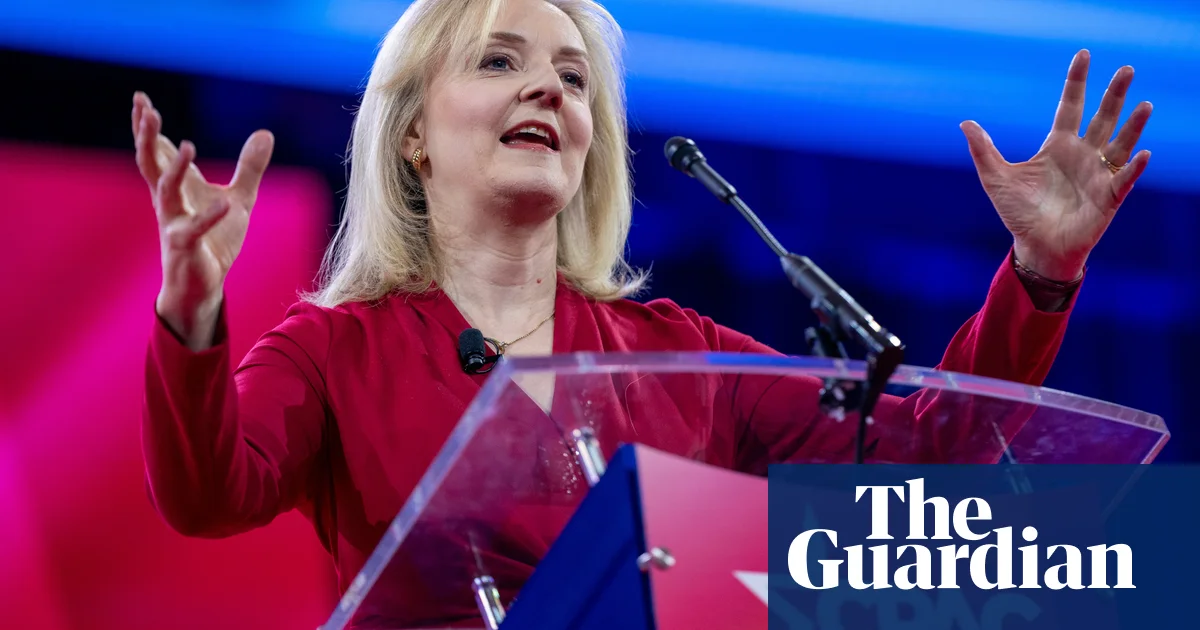
Liz Truss, former British prime minister, addressed the Conservative Political Action Conference in the US, criticizing Joe Biden, transgender rights, and the left's influence. She called for a more aggressive conservative approach and promoted her book, "Ten Years to Save the West." Truss echoed far-right narratives, alleging infiltration of public and private institutions by the left "deep state." Despite her unpopularity in the UK, she seeks to rehabilitate her image and gain support from conservative circles in the US.
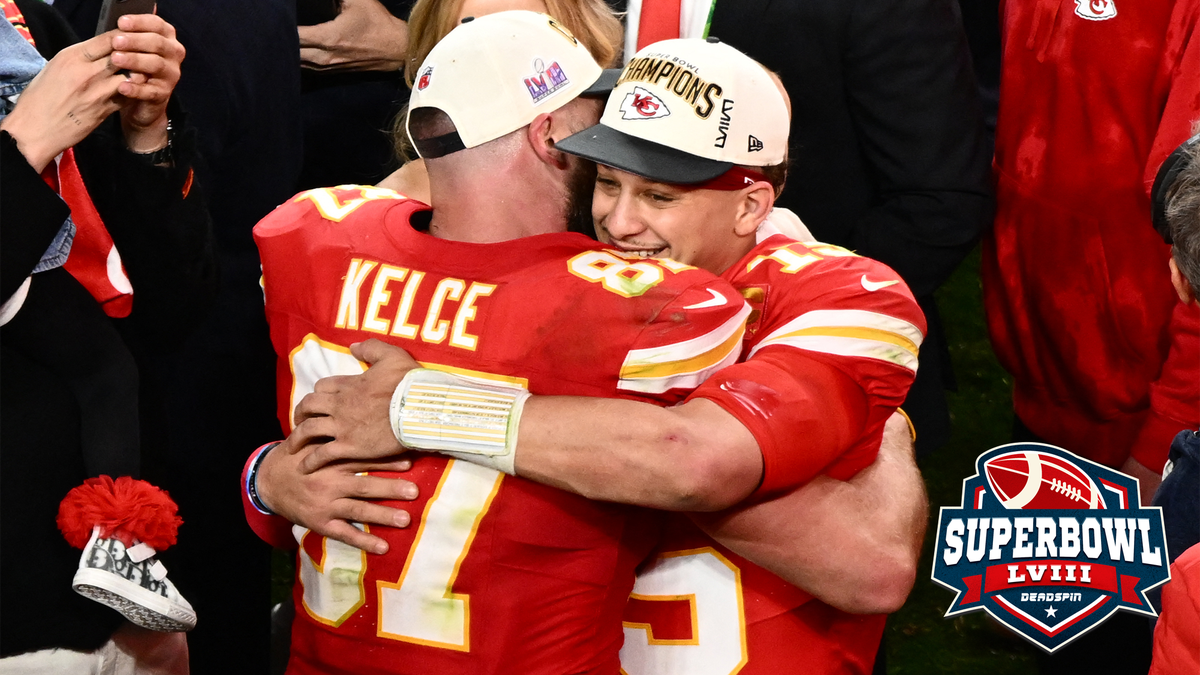
Despite conspiracy theories and controversies, the Super Bowl retained its status as an American tradition, with the NFL putting on a spectacle that included a halftime show featuring Ludacris, Lil Jon, and Usher, and a performance by Reba McEntyre. Far-right commentators speculated about the game being rigged due to Taylor Swift's presence and connections, but the real rigging lies in the NFL's ability to capture viewers' attention for commercial gain. Despite the drama, the game ended with the Kansas City Chiefs securing a 25-22 victory over San Francisco, leaving some to ponder the spectacle of Super Bowl 59 in Roswell.