Bitcoin dropped to its lowest in over two weeks, falling 2.5% to $104,179 amid a subdued risk appetite, driven by macroeconomic concerns, a strengthening US dollar, and recent DeFi crises, with investors remaining cautious after a major liquidation event and declining open interest in futures.
World Liberty Financial proposes using 100% of protocol fees to buy back and burn WLFI tokens to reduce supply and support the token's value, amid a 30% decline after launch and a large token unlock increasing circulating supply and holdings. The initiative aims to strengthen long-term holder confidence, but uncertainties remain about fee amounts and contingency plans.
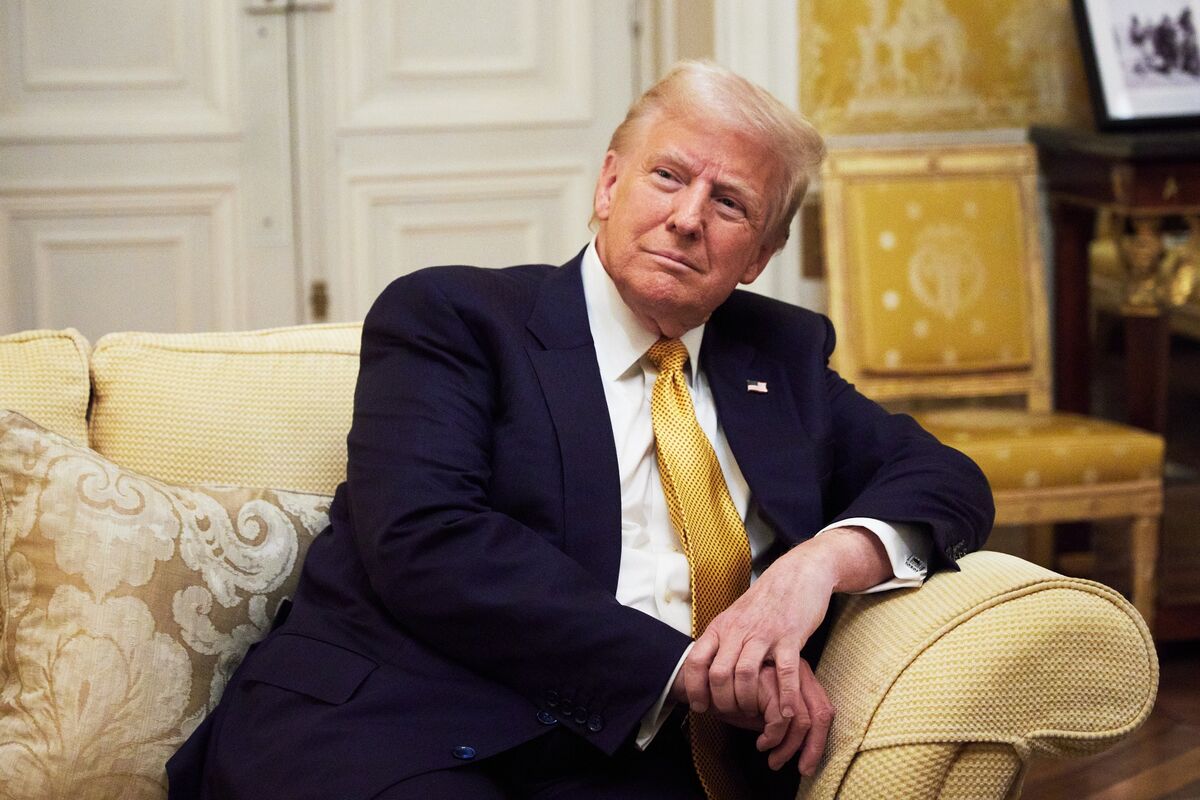
Donald Trump's crypto initiative, World Liberty Financial, is reportedly acquiring niche digital tokens worth millions, including Ether, AAVE, and LINK, as it moves closer to launching its decentralized finance lending platform. The purchases have been tracked by blockchain data firm Nansen, though World Liberty Financial has not commented on the transactions.
The Internal Revenue Service (IRS) is facing opposition from the crypto industry over its proposed tax approach for cryptocurrencies. Concerns raised include user privacy, the broad definition of "broker" that would require compliance, the inclusion of decentralized finance (DeFi) platforms, and the potential classification of digital assets as securities. The IRS will review over 120,000 comments before finalizing the tax regime. While establishing clear tax rules for cryptocurrencies could eliminate uncertainty, objections remain regarding privacy and the potential surveillance of individuals' financial transactions. The proposal's inclusion of stablecoins and its relationship with securities law are also points of contention.
Ethereum scaling solution Polygon will unveil its blueprint for version 2.0 over the next few weeks, which will include a network of zero-knowledge layer 2 chains that can communicate with each other. The Polygon 2.0 vision aims to build "the value layer of the internet" and enable decentralized finance, digital ownership, and new means of coordination. The announcement for how Polygon plans to address its Polygon PoS chain is set for next week, followed by a series of announcements on the blockchain's architecture, token, and governance over the next four weeks.
Online interest in cryptocurrency has fallen to late 2020 levels, with Google searches for "crypto" and other common terms dropping significantly since May 2021. The fall in interest coincides with lower trading volumes on exchanges, which reached a 32-month low last month. Market sentiment is currently in the "Neutral" zone, according to Alternative's Crypto Fear & Greed Index. However, search volumes for "decentralized finance" and "defi" have increased, while Nigeria holds the highest score for most crypto-related searches.
Envious crypto investors are searching for the next get-rich-quick meme coin after Pepecoin's controversial rise to a nearly $2 billion valuation. Whale watchers are tracking wallets holding large amounts of tokens to copy their investments in newly issued meme tokens like HARAM, RIBBIT, BOB, JEFF, and WEN, causing a surge in trading volume on Uniswap's decentralized exchange. However, meme coins have very little fundamental value, and the trend is creating a black hole that sucks liquidity out of the market, potentially impeding other cryptocurrencies like bitcoin or ether. Meanwhile, decentralized finance (DeFi) is suffering, with a slump in total value locked (TVL) on DeFi protocols and outflows from platforms like Agility LSD.
Cryptocurrency exchanges like Coinbase and Binance are holding billions of dollars worth of phantom cryptocurrency pegged to the price of ether, created for use in lending programs. These tokens are just entries in the exchanges’ computers, but to outside observers they appear as assets sitting in their corporate crypto wallets. Liquid staking, a fast-growing innovation in digital assets, allows holders of tokens like ether to use a tracking token for trading while the underlying token is still staked on the blockchain, continuing to earn yield. However, investors have to trust the integrity of the intermediaries and the security of the platforms to safeguard their assets.
The legal team of Do Hyeong Kwon, co-founder of Terraform Labs, has filed a motion to dismiss the lawsuit filed by the US Securities and Exchange Commission (SEC), claiming that the SEC lacks jurisdiction over digital assets in the case. Kwon faces charges of leading a multibillion-dollar crypto-asset securities fraud, and the SEC alleges that the stablecoin terrausd (UST) and Terra’s token LUNA were unregistered securities. Kwon's lawyers argue that the SEC's attempt to categorize all cryptocurrencies as securities falls short due to the ambiguity surrounding the agency's definition of digital assets.
SushiSwap has recovered $186,000 worth of ether (ETH) that a hacker drained from one of its users’ wallets following a $3.3 million exploit this weekend, according to a Sunday tweet from blockchain security firm Blocksec. The attack exploited a vulnerability in the 'RouterProcessor2' contract, which is used to conduct trade routing on the SushiSwap exchange. SushiSwap lead developer Jared Grey said on Sunday that the protocol is working on a retrieval plan to secure the stolen funds and make affected users whole.
Bitcoiners projected the cryptocurrency's logo with a message to "study Bitcoin" on the European Central Bank building in Frankfurt, as the European Parliament adopted a new draft bill focused on Anti-Money Laundering and Countering the Financing of Terrorism. The bill sets out potential new rules enforcing Know Your Customer requirements for traditional financial and crypto-related services, and seeks to restrict cash and cryptocurrency payments for goods and services where customers cannot be identified. The rules limit cash payments to up to 7,000 euros for cryptocurrency transactions or 1,000 euros if the user's identity is unknown. The bill is separate from the European Parliament's impending Markets in Crypto-Assets bill, which is set to come into effect in 2024.
Arbitrum's ARB tokens generated over $2 billion in trading volume within 24 hours of going live, with Bitget and Huobi leading the volumes. The ARB token serves as a governance tool for the protocol, allowing holders to participate in decision-making processes. Despite short-term volatility, market observers predict growth for ARB tokens as they integrate into Arbitrum's wider decentralized finance system. At press time, ARB traded over $1.43, with a market capitalization of $1.8 billion based on a circulating supply of 1.25 billion ARB.
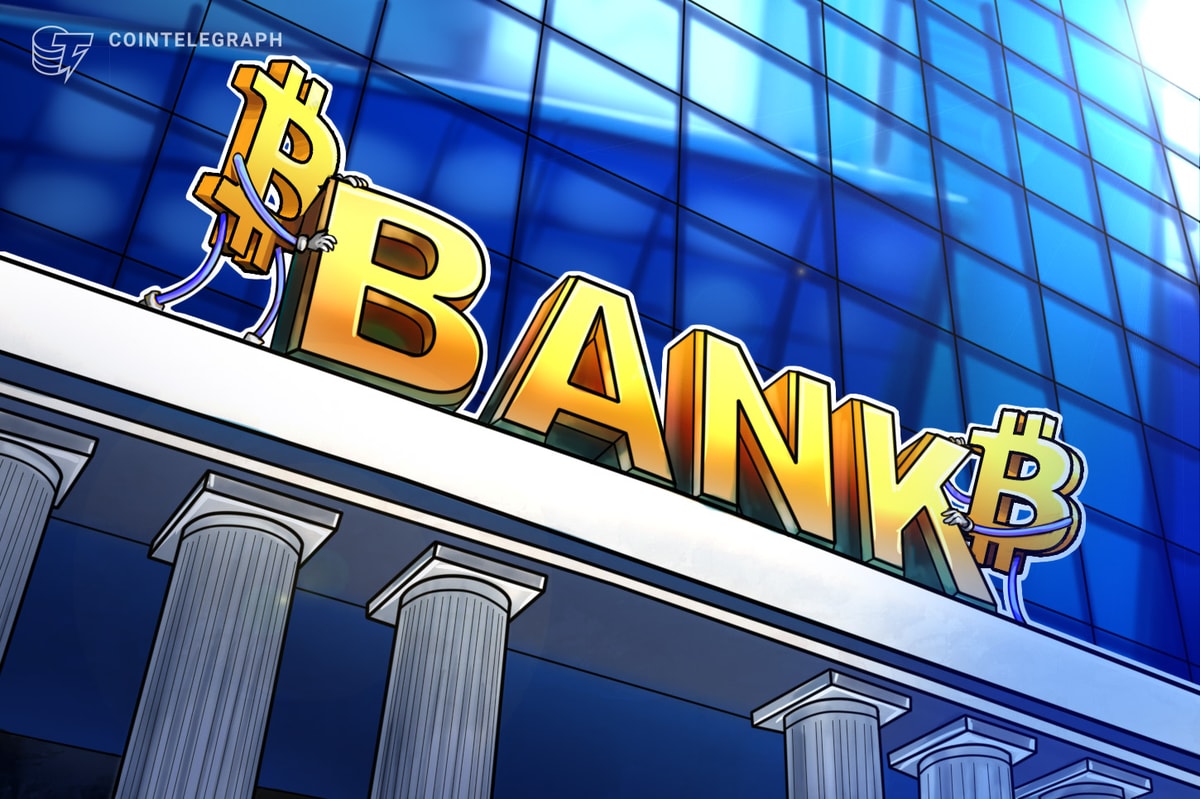
The collapses of traditional banks have led to increased interest in self-custody solutions for digital assets, with VC firms investing in startups focused on decentralized finance and infrastructure. This shift toward self-custody wallets and DeFi systems is indicative of a larger trend that sees more people embracing cryptocurrencies and financial sovereignty. By embracing these emerging technologies, VC firms and startups are creating a more resilient and inclusive financial system for all.
Bitcoin has surged 50% this year, outperforming major stock indexes and commodities, despite the collapse of major crypto-focused banks. The recent rise is attributed to the failures of traditional banks, which have highlighted the power of decentralized currencies. Bitcoin is seen as a way for investors to protect themselves against central bank moves and is viewed as a store of value due to its finite supply. The stress on the financial sector could slow down the pace of rate hikes from the Fed, which could help risk assets, such as stocks and bitcoin.