A vulnerability in the Unity game engine could allow malicious code to target Android users' crypto wallets, with patches being rolled out to fix the issue. Users are advised to update their games, avoid sideloading apps, and practice good security hygiene to protect their wallets. The vulnerability affects Unity projects dating back to 2017 and could potentially lead to device compromise or credential theft.
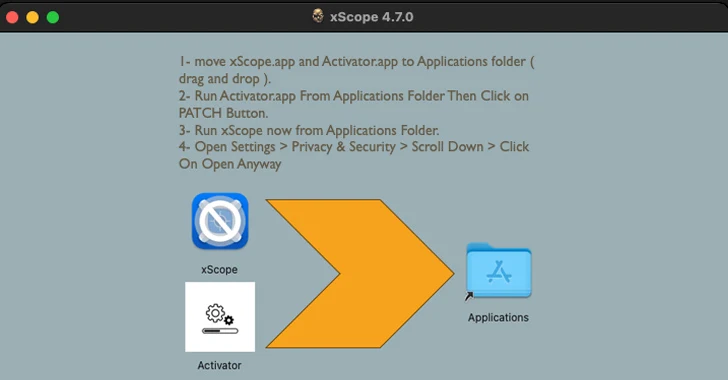
A new MacOS malware is being distributed through cracked apps, targeting cryptocurrency wallets. The malware, named "Activator," tricks users into running a pirated version of legitimate software, ultimately leading to the installation of a backdoor that can steal cryptocurrency wallet data. The malware is designed to replace Bitcoin Core and Exodus crypto wallet applications with infected versions, stealing recovery phrases and other sensitive information. This underscores the growing trend of cracked software being used to compromise macOS users with various types of malware.
Tether, the stablecoin issuer, has frozen 41 wallets controlled by individuals on the Office of Foreign Assets Control's (OFAC) Specially Designated Nationals (SDN) List. The move is described as a precautionary measure, and some of the wallets were found to have used the coin-mixing service Tornado Cash. One of the frozen wallets is linked to the $625 million Ronin Bridge attack, attributed to the North Korean hacking group Lazarus Group. Tether aims to strengthen the positive usage of stablecoin technology and create a safer ecosystem by freezing addresses associated with sanctioned individuals or illicit activities.
Popular trading app Robinhood holds over 24% of the total circulating supply of Dogecoin, worth $2.5 billion, according to data from crypto tracking service DogeWhaleAlert. The price of Dogecoin has risen nearly 8% this week but declined by 2.56% earlier today. Whale activity on the Dogecoin network has increased over the past 24 hours, with several major transactions spotted by the tracker. Dogecoin founder Billy Markus reminded the community that he does not represent Dogecoin and has very little of it in his crypto wallets.
Lawmakers in the European Parliament have voted in favor of imposing limits on payments by unverified crypto users, as part of a large scale overhaul of money laundering laws. The plans include measures to forbid businesses from accepting large cash payments and create a new European Union Anti-Money Laundering Agency. The cap of 1,000 euros won't apply if a regulated wallet provider is involved or the identity of the payer is known. The vote allows negotiations to begin with the Council, representing European Union member states, which has sought to outlaw cryptocurrencies that permit anonymity, such as monero and dash.
Over 37% of eligible crypto wallets have not yet claimed their governance tokens from Arbitrum's airdrop, according to blockchain analytics firm Nansen. The unclaimed tokens, worth nearly $596 million, represent 428 million ARB tokens that have yet to enter the market. The airdrop's initial redemption rate was restricted due to heavy traffic, resulting in fewer tokens in circulation during peak demand. ARB soared as high as $14 before settling around $1.42 once more wallets had claimed their allocations. Eligible addresses have 184 days left to claim their tokens.