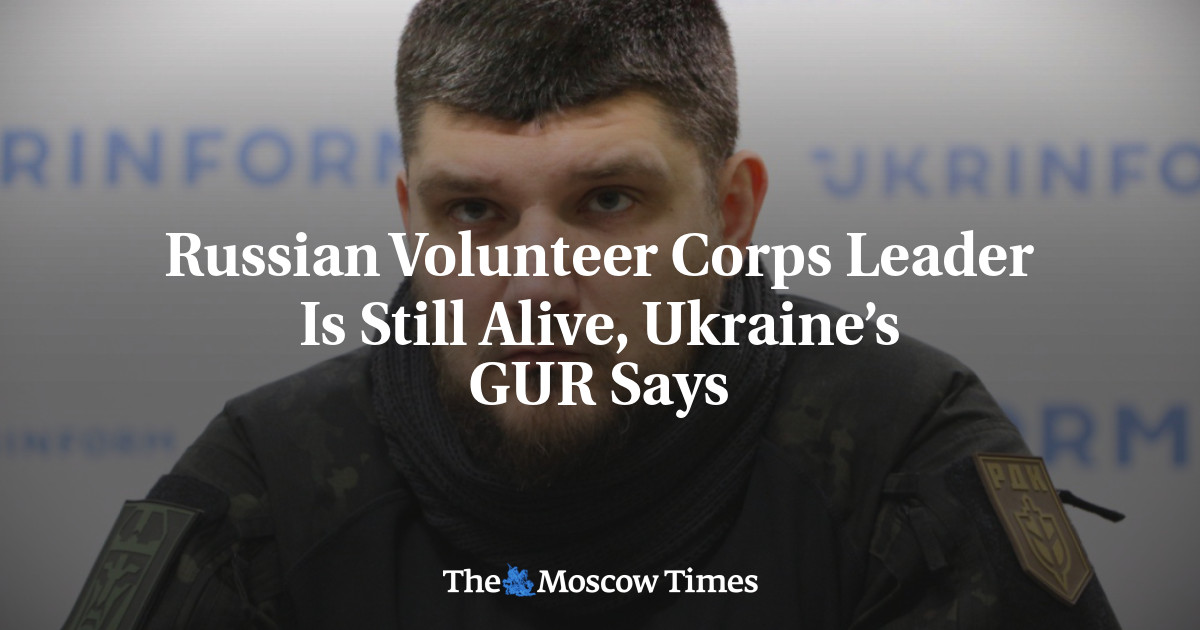
Ukraine’s GUR military intelligence announced that Denis Kapustin, leader of the Russian Volunteer Corps, is alive and that an alleged assassination attempt ordered by Russian security services was thwarted by Ukrainian counterintelligence, contradicting Russia's earlier claim of his death.
Three individuals were arrested in Essex on suspicion of spying for Russia, with investigations ongoing, amid concerns over foreign intelligence recruitment in the UK.
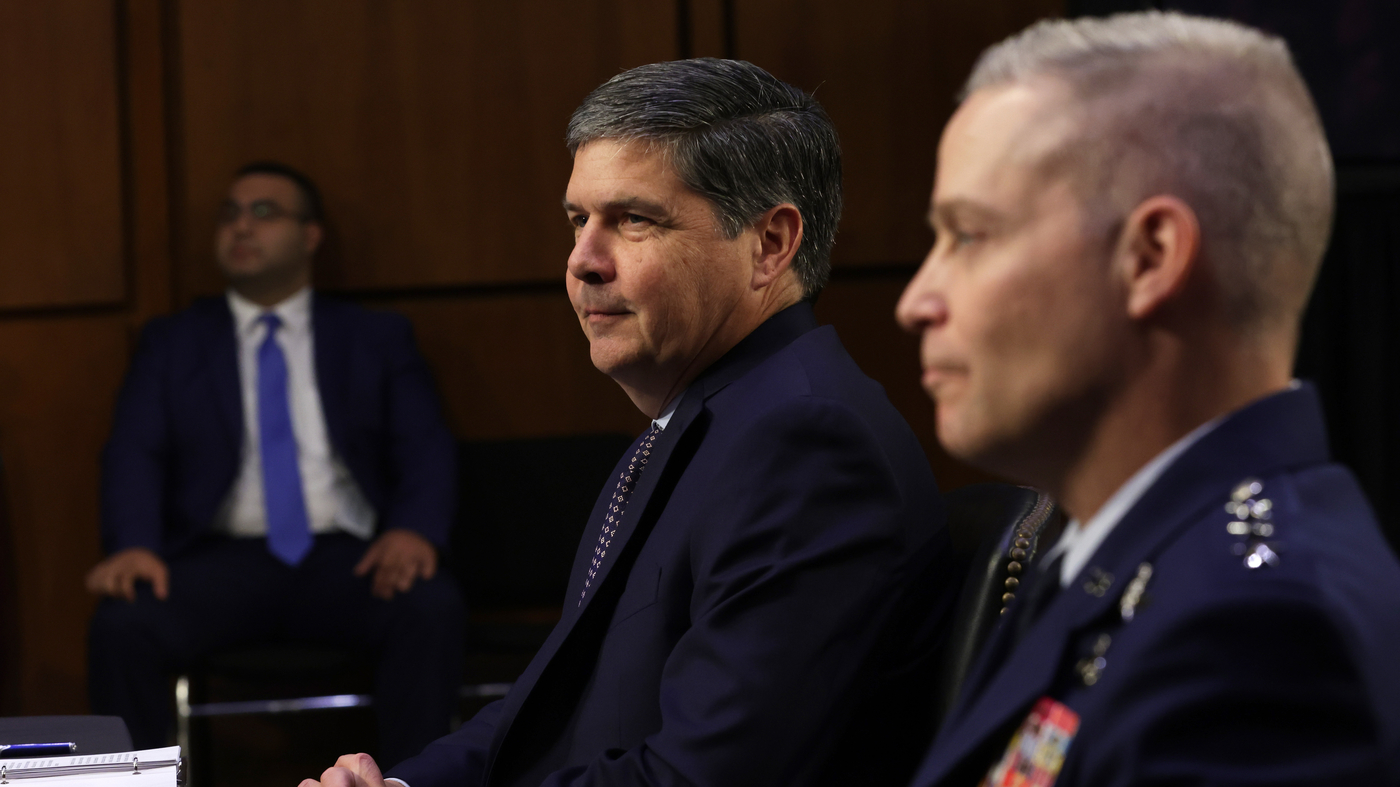
The director of the National Counterintelligence and Security Center, Michael Casey, warns that the list of threats facing the U.S. is growing, with China, Russia, Iran, North Korea, private sector entities, and cybercriminals among the top concerns. China's espionage efforts, particularly in stealing American trade secrets and cutting-edge technology, are highlighted, while Russia's focus is on government and military secrets. A recent case of a former U.S. ambassador spying for Cuba underscores the ongoing challenges in counterintelligence, prompting a reminder from Casey that vigilance is crucial in the face of evolving threats.
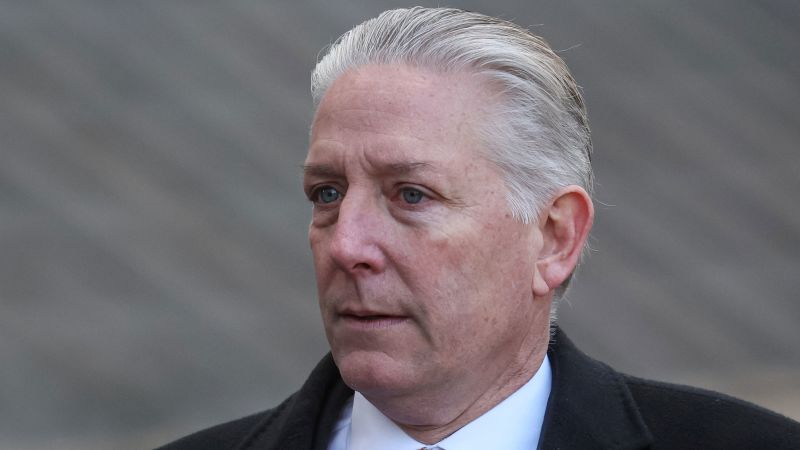
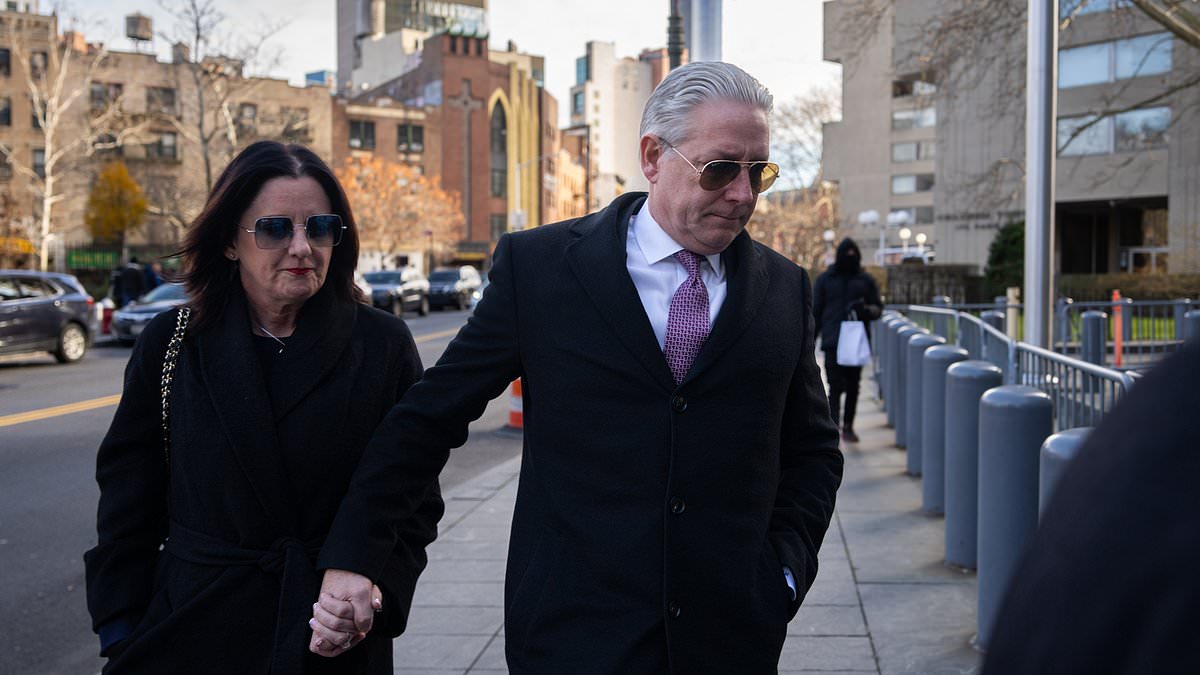
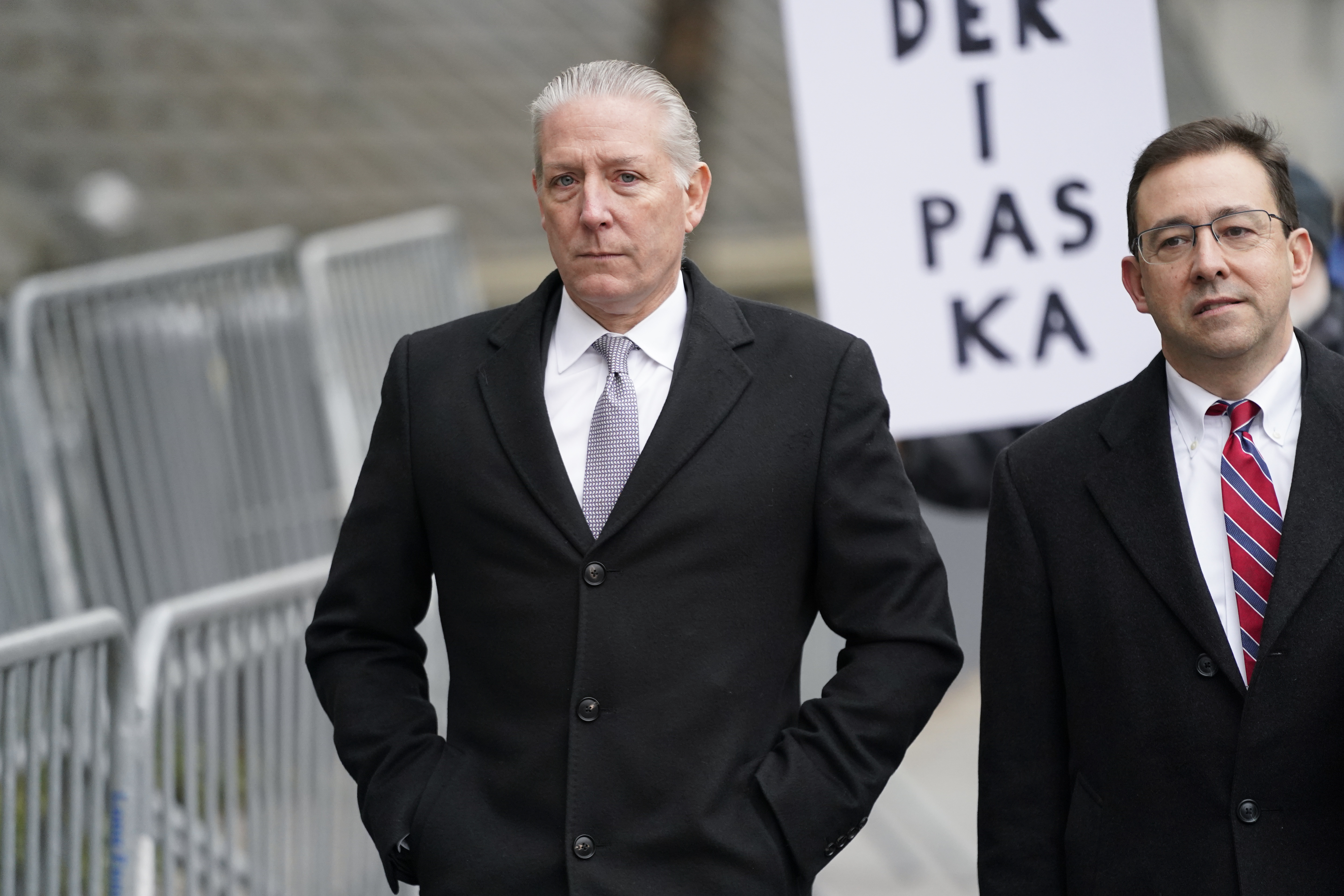
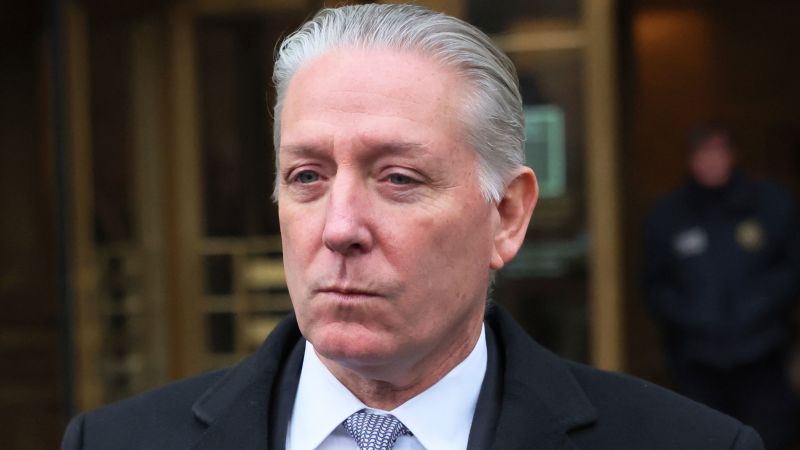
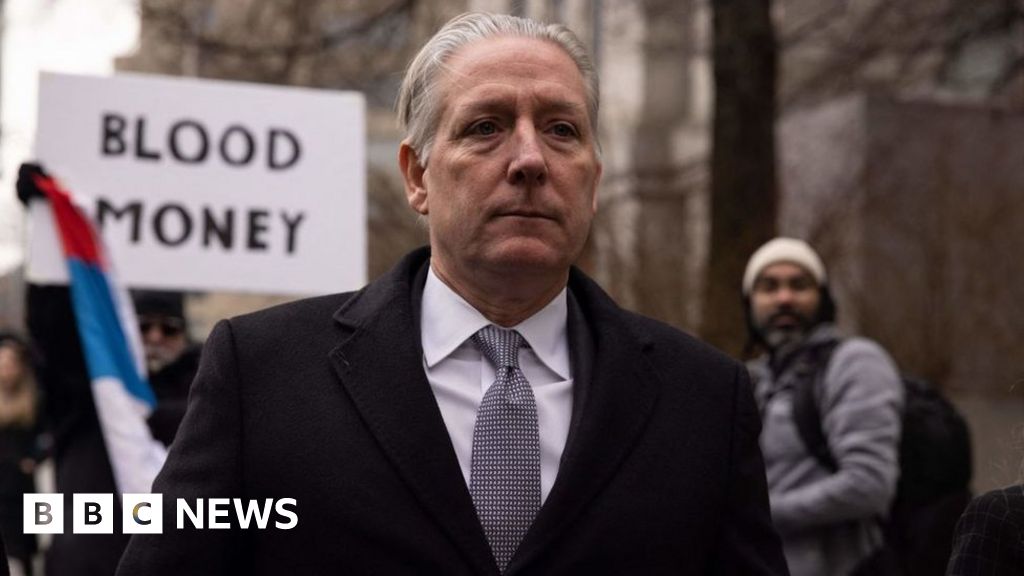
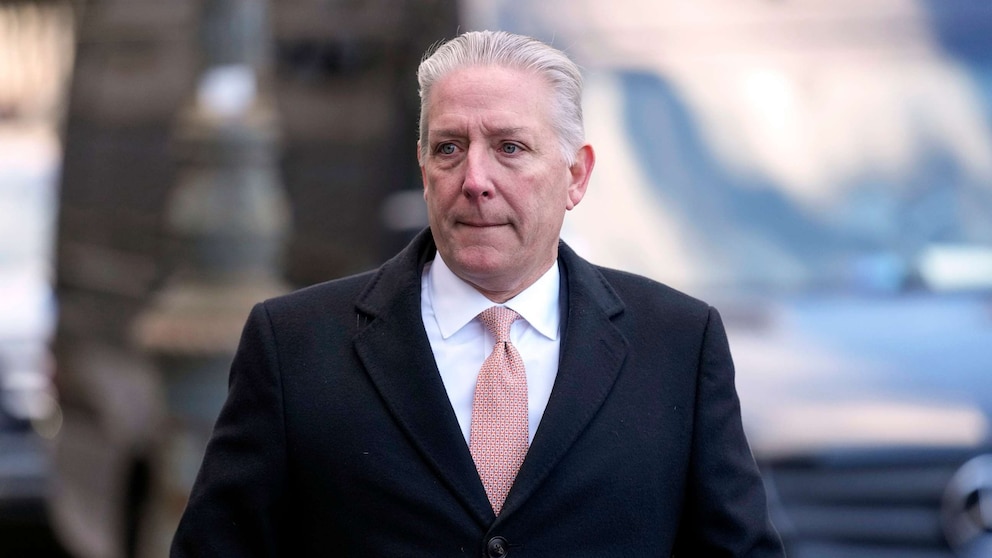
Former FBI counterintelligence chief Charles McGonigal, previously sentenced for his ties to a Russian oligarch, has been ordered to serve an additional 28 months in prison for receiving $225,000 in cash from an individual with ties to the Albanian government while overseeing counterintelligence investigations. This new sentence is consecutive to his previous 50-month sentence, bringing his total prison time to 6.5 years.
Former FBI Special Agent in Charge, Charles F. McGonigal, was sentenced to 28 months in prison for concealing his receipt of $225,000 in cash from an individual with ties to the Albanian government while overseeing counterintelligence investigations. He had hidden this relationship and financial transaction from the FBI, which the court found to have substantially interfered with the administration of justice. McGonigal had also been sentenced to 50 months in prison in an unrelated case for conspiring to violate the International Emergency Economic Powers Act and committing money laundering.
Turkish intelligence officials have disclosed methods used by Israeli intelligence to recruit operatives in Turkey, involving two levels of recruitment for basic surveillance and more tactical operations. Online job postings and social media are used to initially contact potential recruits, who are then paid through intermediaries using cryptocurrency and hawala to mask payment origins. As trust is built, recruits may be asked to perform more complex tasks, including surveillance, placing GPS devices, and managing disinformation campaigns. Some are offered psychological support, luxury rewards, and training abroad. This revelation follows the detention of 34 individuals in Turkey for allegedly spying for Israeli secret services, marking the fourth such counter-intelligence operation since 2021.
Former FBI counterintelligence agent Charles McGonigal has been sentenced to four years in prison for working for sanctioned Russian oligarch Oleg Deripaska. McGonigal was found guilty of trying to dig up dirt for Deripaska and violating sanctions meant to put economic pressure on Russia. He was also fined $40,000 and ordered to forfeit $17,500. The judge described McGonigal's actions as a greedy money-grab that leveraged his knowledge gained from his FBI career. McGonigal expressed remorse for his actions and will face sentencing in a separate case for concealing cash received from a former Albanian intelligence official.
Former FBI counterintelligence official, Charles McGonigal, has been sentenced to over four years in prison for violating sanctions on Russia by working for a Russian oligarch, Oleg Deripaska, after leaving the government. McGonigal was found guilty of conspiring to launder money and violating the International Emergency Economic Powers Act. He accepted payments to collect derogatory information about a rival Russian oligarch and was also involved in negotiations to help Deripaska get off the sanctions list. McGonigal, who expressed remorse, faces additional sentencing in a separate case for concealing cash received from a former Albanian intelligence official.
Charles McGonigal, former head of counterintelligence for the FBI's New York field office, has been sentenced to just over four years in prison for working for Russian oligarch Oleg Deripaska after leaving the government. McGonigal pleaded guilty to conspiracy to violate US sanctions and money laundering. The judge acknowledged his distinguished career but emphasized the seriousness of his actions, which undermined US national security interests. McGonigal expressed remorse and asked for a second chance. Prosecutors argued for a five-year sentence, highlighting the risk to national security, while the defense requested no prison time. McGonigal also pleaded guilty in a separate case and is scheduled to be sentenced in February.
Former top FBI agent Charles McGonigal has been sentenced to over four years in prison for conspiring to launder money and aiding a Russian oligarch in an attempt to remove him from a US sanction list. McGonigal, who pleaded guilty in August, is one of the highest-ranking FBI agents to be charged with a crime. He is also accused of hiding payments from an Albanian agent while working for the FBI. Despite expressing remorse, the judge called his crimes "extraordinarily serious." McGonigal has been ordered to surrender to authorities in February 2024.
The arrest of Jack Teixeira, who allegedly leaked classified documents on the messaging platform Discord, highlights the challenge of limiting the spread of government secrets once they are leaked online. Teixeira's case demonstrates the difficulty of recovering all the evidence and preventing further dissemination of classified information. The leaks, which occurred over a year, were shared with a small online circle, and the technology used made it hard to trace the paths of the material. The case raises questions about how intelligence agencies guard against insider threats and the need to consider the compulsion for online attention as a security risk. The damage caused by leaks is often irreversible, and remedial actions focus on preventing further harm to sources and understanding how the information was obtained.
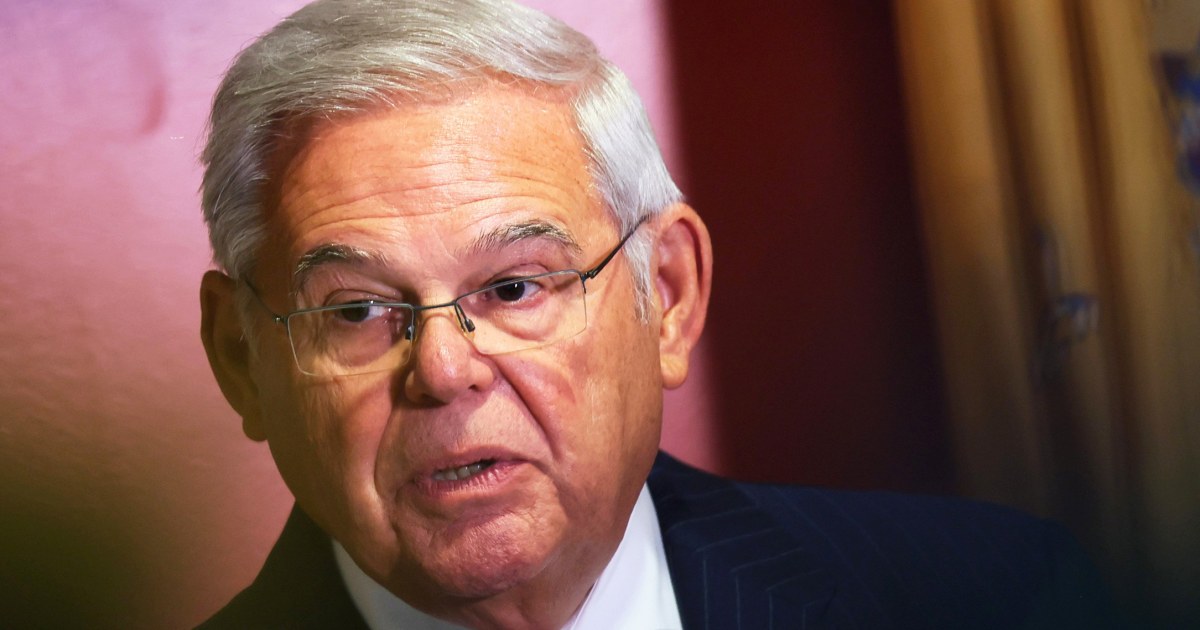
The FBI is conducting a counterintelligence investigation to determine if Egypt's intelligence services played a role in the alleged bribery scheme involving Senator Bob Menendez and his wife. Menendez, who previously chaired the Senate Foreign Relations Committee, is accused of accepting bribes to benefit the Egyptian government. The investigation aims to uncover whether Egyptian intelligence officials or their associates attempted to gain access to Menendez through his wife. Three businessmen, accused of providing bribes to Menendez, are scheduled to be arraigned along with the senator and his wife. Menendez has denied all charges and the Egyptian Embassy has not yet commented on the matter.
Former FBI counterintelligence chief, Charles McGonigal, pleaded guilty for a second time to charges of concealing a $225,000 payment from an Albanian intelligence official while he was supervising counterintelligence at the FBI's New York field office. The Albanian official later became an FBI source in a criminal investigation that McGonigal supervised. McGonigal, who retired from the FBI in 2018, previously pleaded guilty to charges related to his ties to Russian oligarch Oleg Deripaska and is awaiting sentencing in that case. He now faces up to five years in prison for the concealment charges.
Former FBI Special Agent in Charge, Charles F. McGonigal, pleaded guilty to concealing material facts regarding his receipt of $225,000 in cash from an individual with business interests in Europe while he was supervising counterintelligence efforts. McGonigal concealed his relationship with the individual from the FBI and traveled abroad with them, later using them as an FBI source in a criminal investigation. The charge carries a maximum sentence of five years in prison.
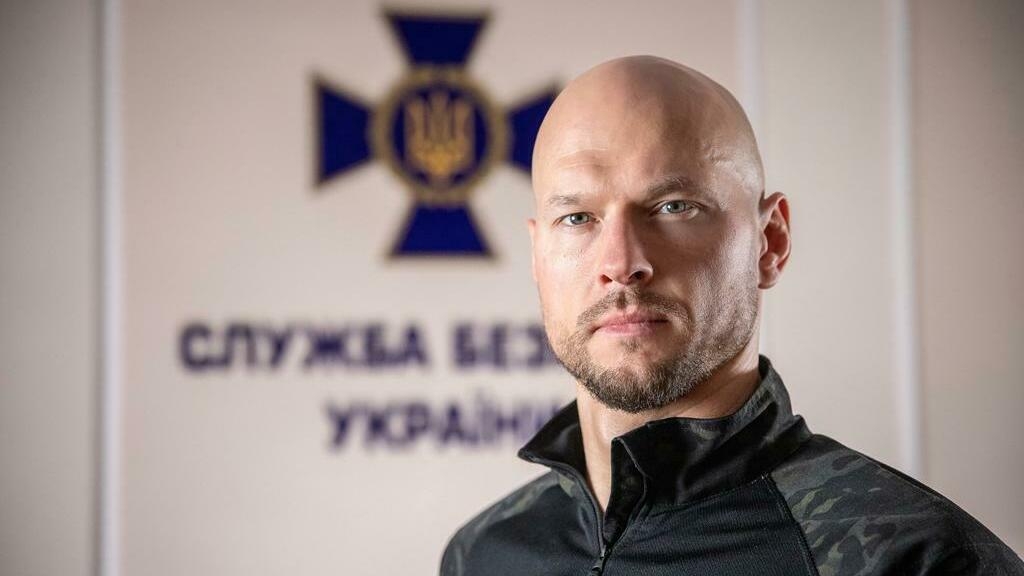
Illia Vitiuk, the head of the cyber department at Ukraine's top counterintelligence agency, discusses the ongoing cyber war with Russia and the efforts to protect Ukraine's critical infrastructure. Despite Russia's attempts to destroy Ukraine's digital infrastructure, its hackers have been unable to achieve this goal. However, Ukraine has faced nearly 3,000 cyberattacks this year alone, weakening its infrastructure and allowing Russia to steal sensitive information. Vitiuk and his team are constantly investigating and responding to Russian state hackers, sharing their findings with allies. The SBU's cyber department was created in 2012, and since then, Russia has launched increasingly sophisticated cyberattacks against Ukraine. Following the invasion, Russian hackers shifted tactics towards intelligence gathering and disrupting the power grid. They have targeted healthcare and insurance providers, infiltrated military operational planning systems, and attempted to gather information about Ukrainian intelligence gathering and the military's use of Starlink. While the SBU has been successful in preventing full access to these systems, Russia has still managed to gather some information.