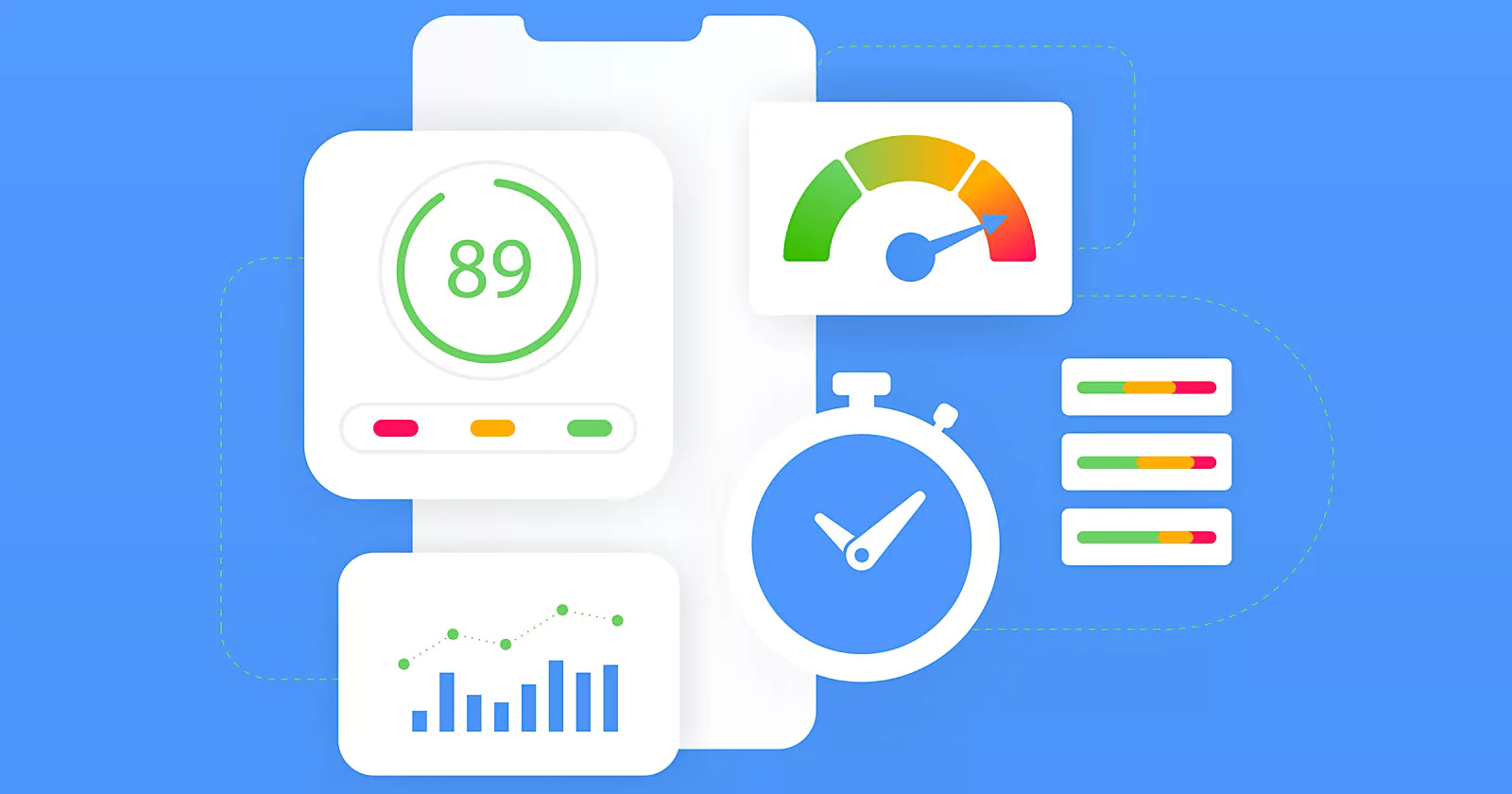
Google has replaced the First Input Delay (FID) metric with Interaction to Next Paint (INP) in its Core Web Vitals report, aiming to provide a more comprehensive assessment of website interactivity. This change reflects Google's commitment to refining methods for evaluating and improving web user experience. Web developers are advised to assess their website's INP performance and optimize for the new metric, as it may impact search rankings and user engagement. Tools like PageSpeed Insights and Chrome's User Experience Report can be used to evaluate and address issues affecting INP scores.
Google updated its Page Experience Documentation to explicitly state that Core Web Vitals are used by their ranking systems, but continues to avoid calling them a ranking factor. The company's SearchLiaison clarified that there is no single page experience signal and that achieving good Core Web Vitals is recommended for success in search and user experience. Despite the update, Google's documentation still does not use the phrase "ranking factor" or "ranking signal" in reference to Core Web Vitals.
WordPress is a popular CMS platform, but it has its shortcomings. Focusing on specific technical aspects can improve SEO, build traffic, and increase revenue. Some top priorities include setting up Google Analytics 4, passing Core Web Vitals, removing internal permalink redirects, fixing link targets and broken links, improving internal anchor text, optimizing sidebars, reinforcing E-A-T, and addressing accessibility concerns. Technical SEO is underrated but can have a significant impact on a blog's success.
Google has updated its guidance on creating helpful content by adding a new section dedicated to page experience, streamlining existing guidance. The update aims to help site owners consider page experience more holistically during the content creation process. Google reminds publishers that Core Web Vitals remain crucial for page experience success. In the coming months, the Page Experience report within Search Console will be transformed into a new page that links to general guidance about page experience and a dashboard view of the individual Core Web Vitals and HTTPS reports that will remain in Search Console.
Google is removing the existing page experience report within Google Search Console and replacing it with content around what Google thinks is a good page experience. The Mobile-Friendly Test tool and Mobile-Friendly Test API are also being removed. However, a dashboard view of the individual Core Web Vitals and HTTPS reports will remain in Search Console. Good page experience is a requirement for creating helpful content, and those seeking to provide a good page experience should take a holistic approach.