Originally Published 6 months ago — by Hacker News
A judge ruled that Anthropic's use of legally acquired books for AI training was 'exceedingly transformative' and qualifies as fair use, but using pirated copies is not protected. The case sets an important precedent for AI training on copyrighted works, emphasizing that internal digitization for personal use is fair, while piracy remains illegal. The ruling also clarifies that buying a book after pirating it does not absolve liability for infringement.
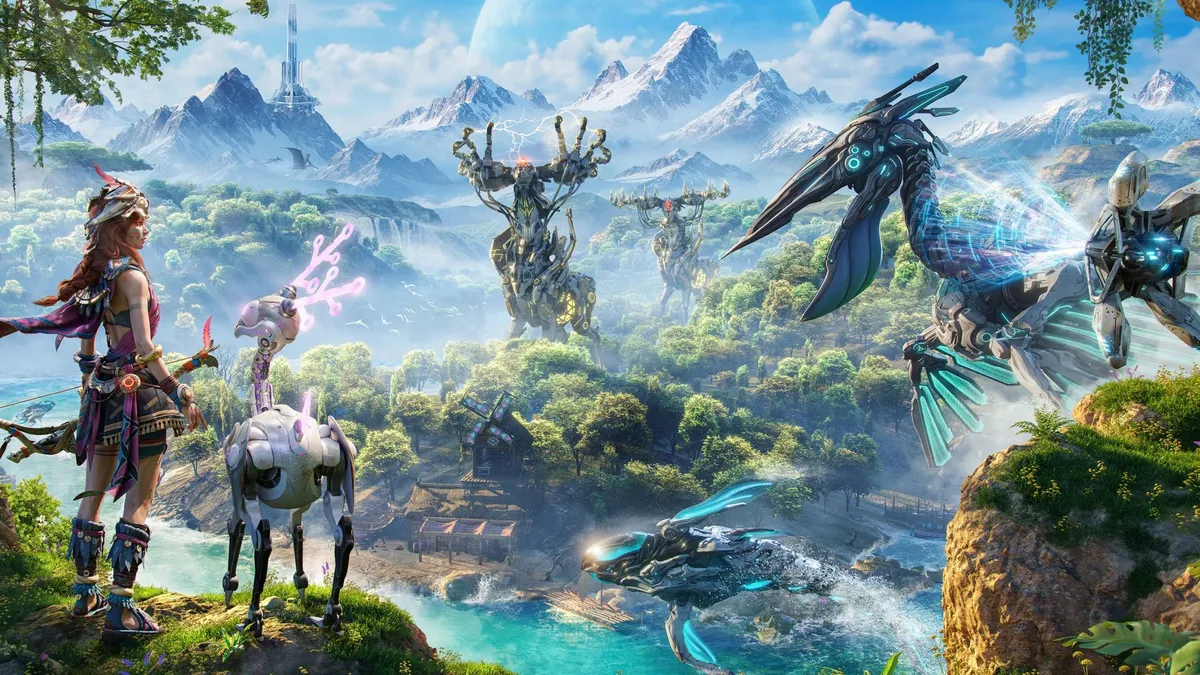
Tencent's new game, Light of Motiram, is drawing significant attention for its striking resemblance to Sony's Horizon Zero Dawn, sparking speculation of a potential copyright infringement lawsuit. The game, developed by Tencent's Polaris Quest, features elements and designs that closely mimic those of Horizon, leading to accusations of it being a "complete rip-off." This situation mirrors Nintendo's legal actions against Palworld for similar reasons, highlighting ongoing issues of intellectual property in the gaming industry.
A growing number of non-fiction authors, including Nicholas A. Basbanes and Nicholas Gage, are suing OpenAI and Microsoft, alleging that their copyrighted works were used without permission to train OpenAI's generative AI models. The plaintiffs claim this constitutes "massive and deliberate theft" and are seeking damages and a permanent injunction. This follows similar lawsuits from other creatives, including fiction authors and The New York Times, against OpenAI for using their work in AI training. OpenAI has previously stated that they were in "productive conversations" with The New York Times before the lawsuit was filed.
Microsoft and OpenAI are facing a lawsuit filed by nonfiction authors Nicholas Basbanes and Nicholas Gage in Manhattan federal court, alleging copyright infringement for using their books to train AI models like ChatGPT. This class action suit adds to a growing list of legal challenges from various authors, including George R.R. Martin and Sarah Silverman, who claim their works were used without compensation to develop AI technology. The New York Times has also recently sued the companies for similar reasons.
Nonfiction authors Nicholas Basbanes and Nicholas Gage have filed a class action lawsuit against Microsoft and OpenAI, alleging copyright infringement for using their works to train AI systems without compensation. This follows a similar lawsuit by The New York Times and comes amidst discussions on the rights of content creators in the age of AI. The suit seeks damages for potentially tens of thousands of authors, with each work infringed upon potentially warranting up to $150,000 in damages.
The New York Times has filed a lawsuit against OpenAI and Microsoft, alleging that the companies used its copyrighted articles to train AI models like ChatGPT and Bing without permission. The case centers on the legal debate over whether such use constitutes fair use or copyright infringement. While tech companies argue that AI training is transformative and thus fair use, plaintiffs see it as unauthorized copying. The outcome of this lawsuit could significantly impact the generative AI industry, with previous cases and the fair use doctrine playing a crucial role in the legal arguments. The Times is seeking damages and a permanent ban on the unlicensed use of its work, potentially reshaping the relationship between AI firms and content creators.
The New York Times has initiated a lawsuit against OpenAI, marking a significant challenge to the practice of training large language models on publicly available content. This case could signal the end of an era where such models freely utilize online materials, potentially reshaping the legal landscape for artificial intelligence development and data usage rights.
The New York Times has filed a lawsuit against OpenAI and Microsoft, claiming that OpenAI's AI models were trained using millions of copyrighted articles from The Times without permission. This has raised significant concerns about copyright laws in relation to AI development. While tech companies like Microsoft are integrating these AI models into their products, media companies are frustrated that their copyrighted content is being used without compensation. The situation highlights the complex balance between protecting copyright and advancing AI technology, with no quick resolution in sight.