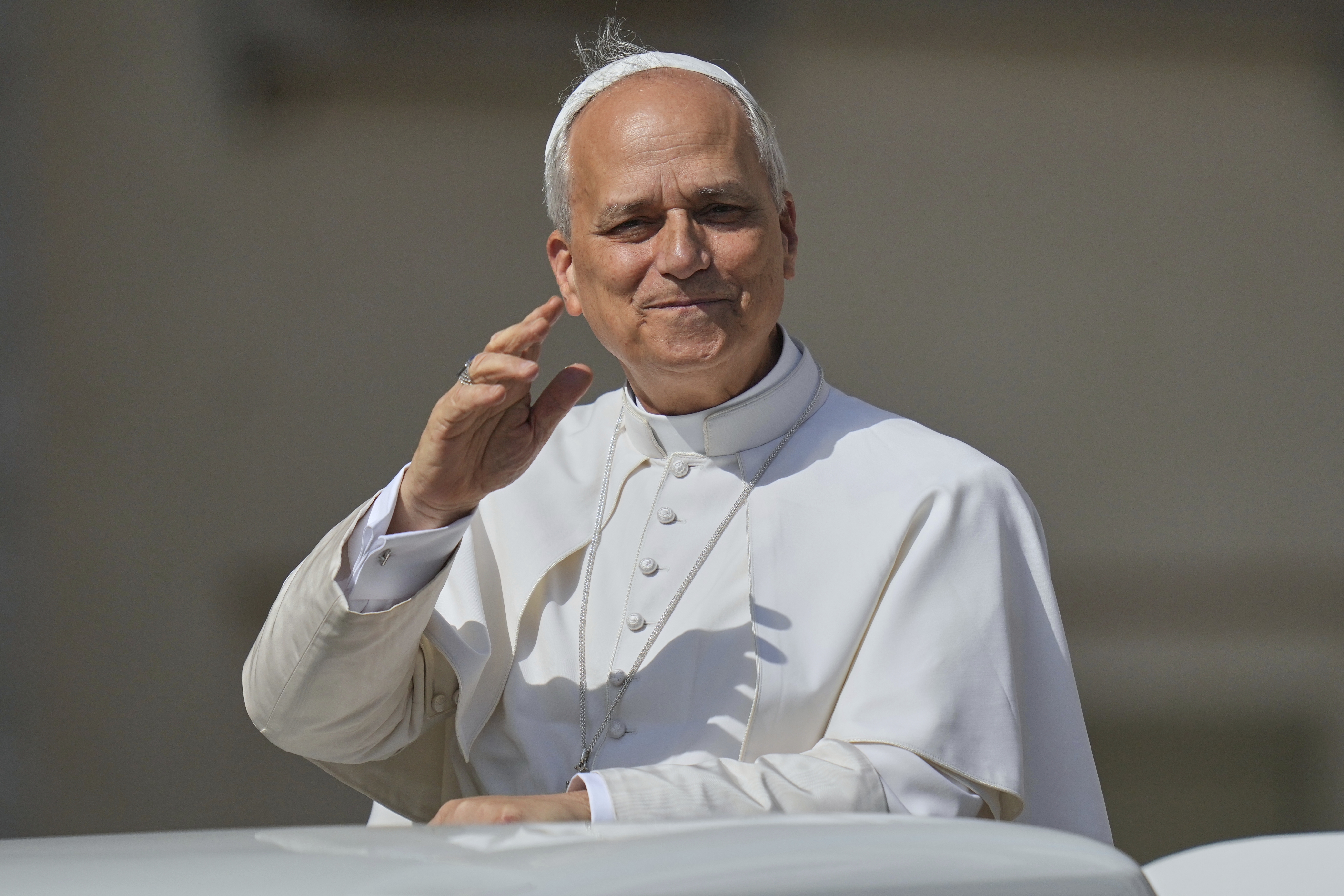
Pope Leo XIV expressed concerns about the potential negative impacts of AI on youth and human dignity during a Vatican conference, emphasizing the need for ethical use and caution against misuse for selfish gains or conflict, aligning with his broader warnings about AI's societal effects.
The article discusses the common fears surrounding AI, particularly generative AI like ChatGPT, and addresses them by directly questioning the AI. ChatGPT responds by clarifying that it lacks personal motivations, consciousness, and the ability to perform physical actions or provide real-time information. It emphasizes its role as a tool to augment human capabilities rather than replace them. The AI also acknowledges human concerns about job displacement, ethical issues, loss of control, unintended consequences, and negative sci-fi portrayals. The article suggests that engaging with AI and understanding its limitations and potential can help mitigate fears and lead to responsible use and development of AI technologies.
A growing number of non-fiction authors, including Nicholas A. Basbanes and Nicholas Gage, are suing OpenAI and Microsoft, alleging that their copyrighted works were used without permission to train OpenAI's generative AI models. The plaintiffs claim this constitutes "massive and deliberate theft" and are seeking damages and a permanent injunction. This follows similar lawsuits from other creatives, including fiction authors and The New York Times, against OpenAI for using their work in AI training. OpenAI has previously stated that they were in "productive conversations" with The New York Times before the lawsuit was filed.