The sole survivor of a deadly mushroom poisoning in Australia, Ian Wilkinson, mourns the loss of his wife and friends, as Erin Patterson faces sentencing for their murders, with prosecutors seeking life imprisonment and the defense arguing for a 30-year sentence, amid emotional court proceedings and victim impact statements.
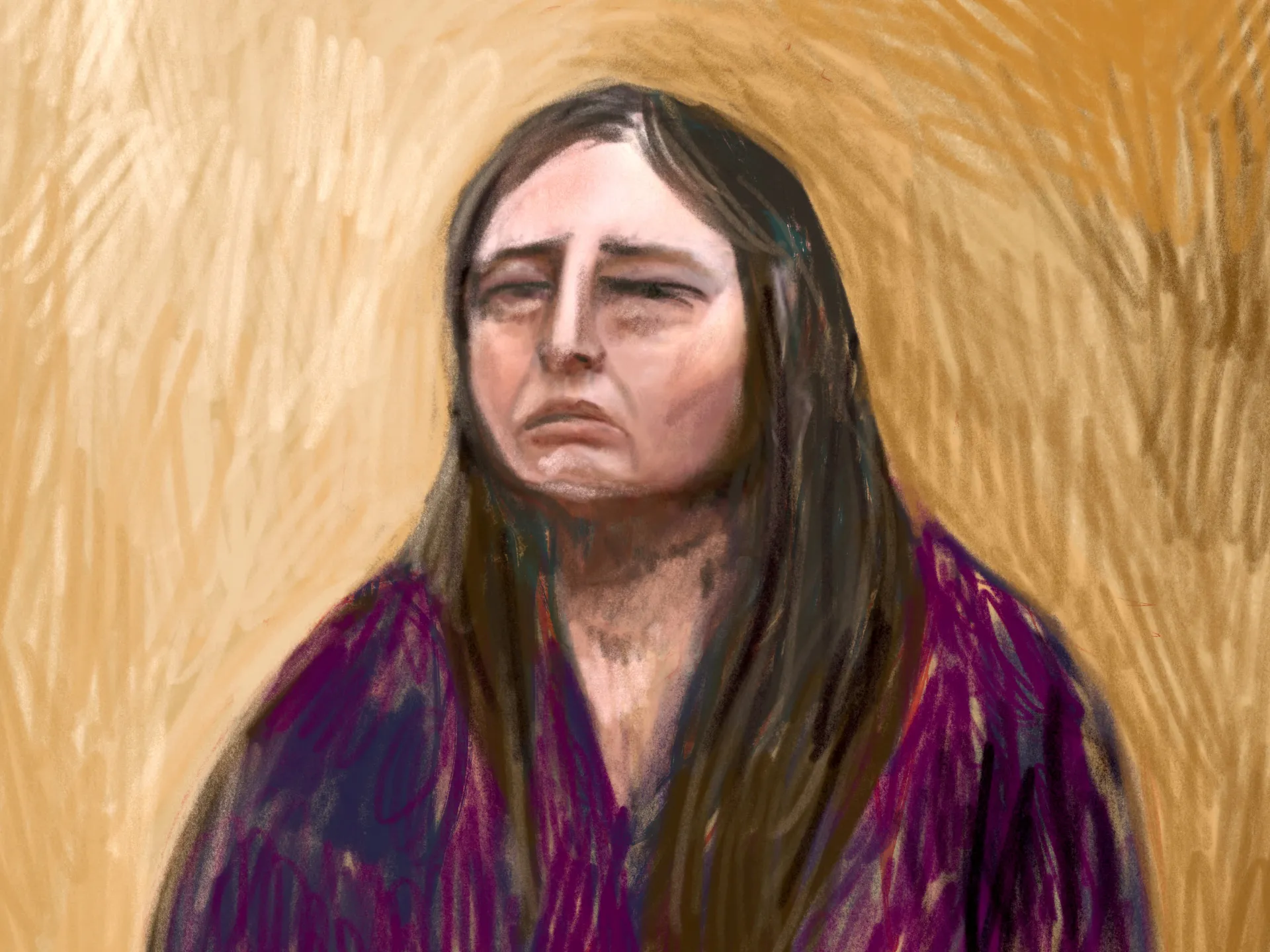
An Australian woman, Erin Patterson, was found guilty of poisoning her estranged husband's parents and aunt with deadly mushrooms in a beef Wellington, resulting in three deaths and one survivor, after a jury deliberated in a high-profile case that involved forensic evidence and testimonies, with sentencing to follow.
An Australian woman, Erin Patterson, testifies in her trial for allegedly murdering her ex-husband’s family with poisonous mushrooms, with the case nearing its conclusion. She claims the poisoning was accidental, and the trial involves detailed personal and legal proceedings.
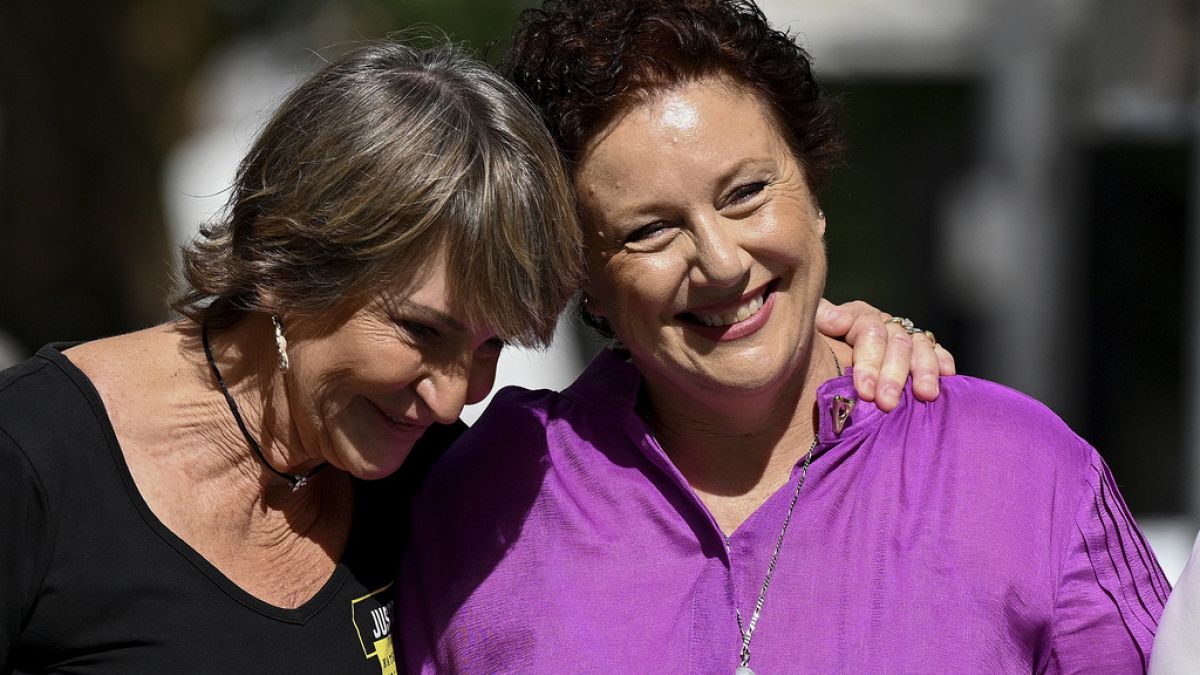
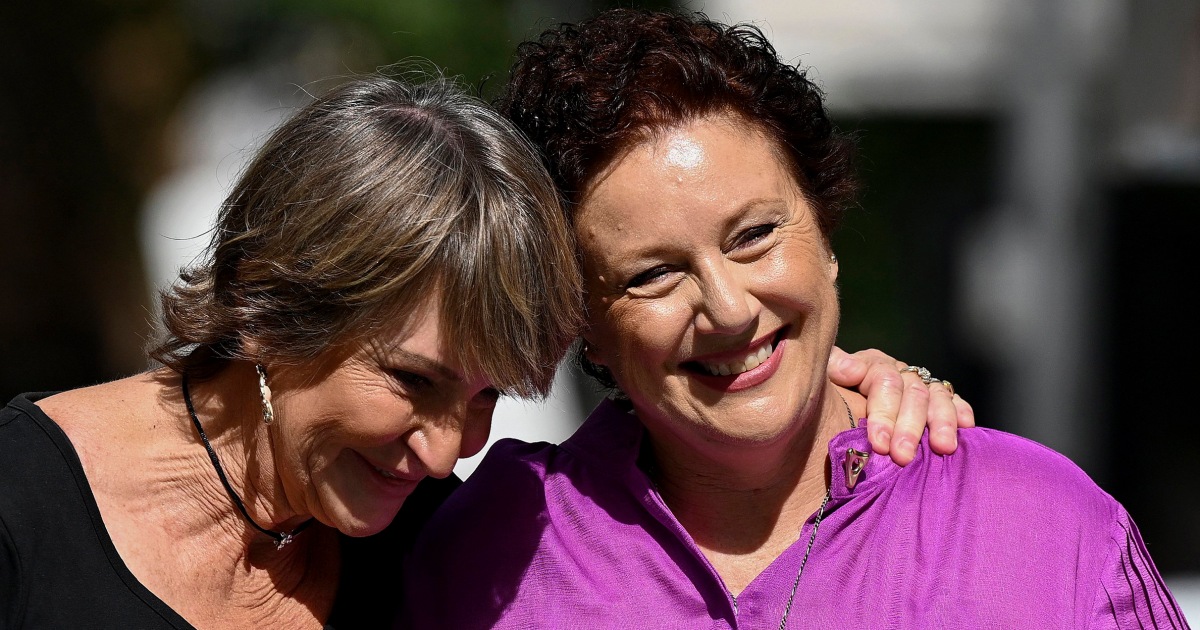
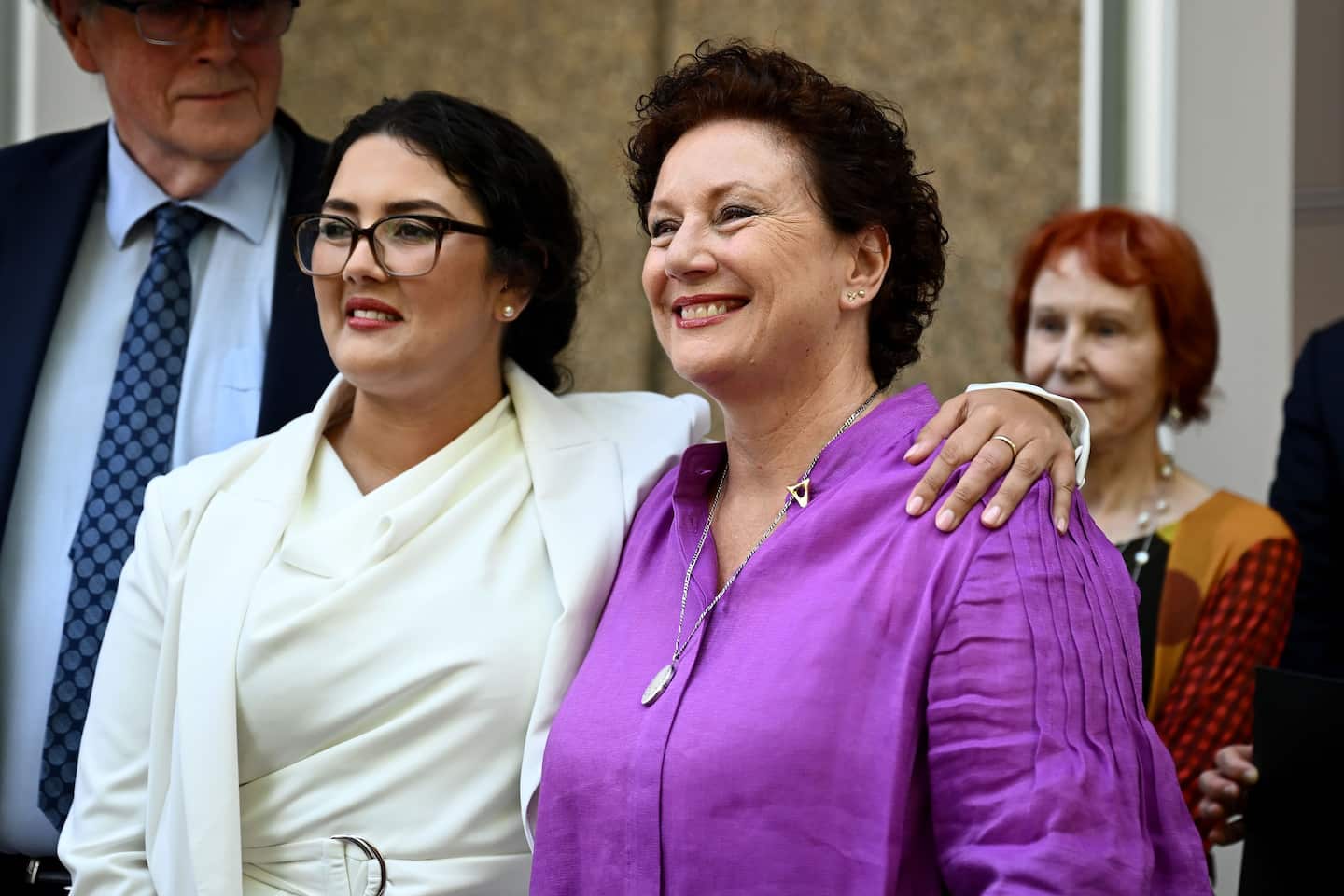
Kathleen Folbigg, dubbed "Australia's worst serial killer," has had her conviction overturned by an Australian appeals court, twenty years after being found guilty of murdering her four children. Folbigg, who was already pardoned and released from prison in June, had insisted that her children died of natural causes. The court cited reasonable doubt in her guilt, leading to the quashing of her convictions. Folbigg and her legal team are now seeking substantial compensation from the state government for the years she spent in prison.
An Australian appeals court has overturned the convictions of Kathleen Folbigg, a woman who was found guilty 20 years ago of killing her four children. Folbigg had already been pardoned and released from prison in June based on new scientific evidence suggesting that her children may have died from natural causes. The court's decision came after an inquiry recommended the quashing of her convictions. Folbigg expressed gratitude for the updated science and genetics that cleared her name, but criticized the system for ignoring or dismissing evidence that supported her claims of natural causes. Her legal team plans to seek substantial compensation from the state government.
The convictions against Kathleen Folbigg, an Australian woman who spent 20 years in prison for the deaths of her four children, have been quashed by a top Australian court. Folbigg was released from prison in June after an inquiry found "reasonable doubt" regarding her responsibility for the deaths. The court found that the prosecution had "cherry-picked" entries from her diary to secure the conviction. Doubts about her guilt grew as new scientific evidence emerged, including rare genetic mutations in the DNA of Folbigg and her daughters. The overturning of her convictions opens the possibility for Folbigg to seek compensation for her wrongful imprisonment.
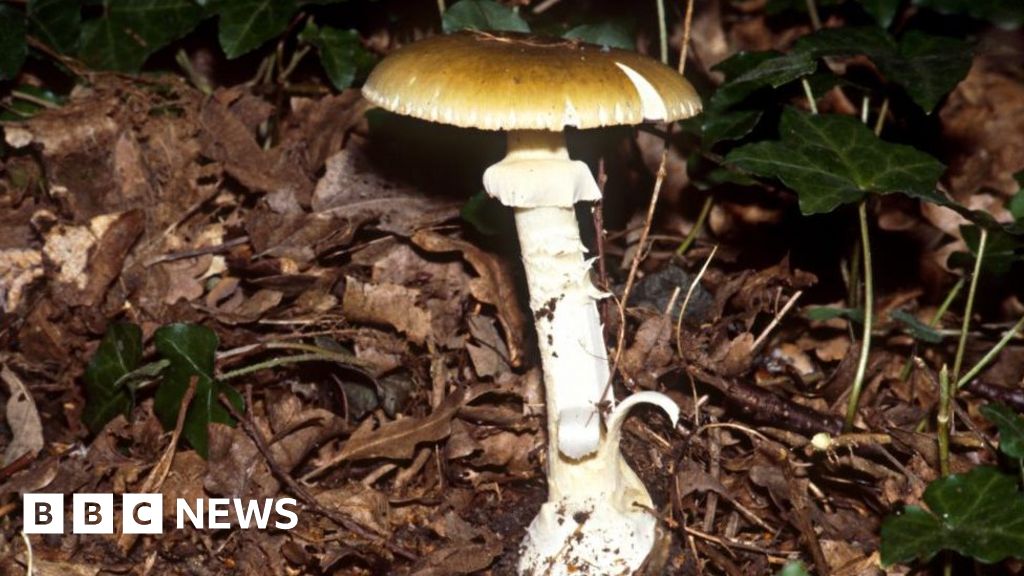
Erin Patterson, an Australian woman, has appeared in court on charges of murdering her former in-laws and another woman by serving them poisonous mushrooms during a family lunch. Patterson, who maintains her innocence, was charged with three counts of murder and five counts of attempted murder. The allegations stem from a lunch she hosted in July, where four guests fell violently ill and three died. Police suspect the mushrooms consumed were death cap mushrooms, which are highly lethal. The case has garnered significant media attention, and Patterson's trial has been adjourned until May to allow for further investigation.
An Australian court has ordered Meta Platforms, the owner of Facebook, to pay fines totaling $14 million for collecting user data through a smartphone app called Onavo without disclosing its actions. The app was advertised as a way to protect privacy, but Facebook used it to collect users' location, time, and frequency of app usage for its own advertising purposes. The court found that Facebook's failure to disclose this information deprived Australian consumers of the opportunity to make an informed choice. Meta still faces another civil court action in Australia related to its dealings with Cambridge Analytica.