

Tag

Computational Science

All articles tagged with #computational science

science-and-technology2 years ago

Decoding Life's Enigmas: Active Matter Theory Unravels Centuries-Old Biological Secrets

Scientists have developed an open-source supercomputer algorithm that can solve the complex equations of active matter theory, enhancing our understanding of living materials. This algorithm allows for the exploration of the behaviors of biological materials across space and time, bringing us closer to understanding how cells and tissues attain their shape and designing artificial biological machines. The algorithm is implemented in an open-source supercomputer code and can handle different shapes in three dimensions, making it applicable to realistic scenarios. The code is scalable and freely available for use, providing a powerful tool for computational scientists to study active materials.
health2 years ago

"Revolutionizing Women's Health: How AI Holds the Answers to Neglected Issues"

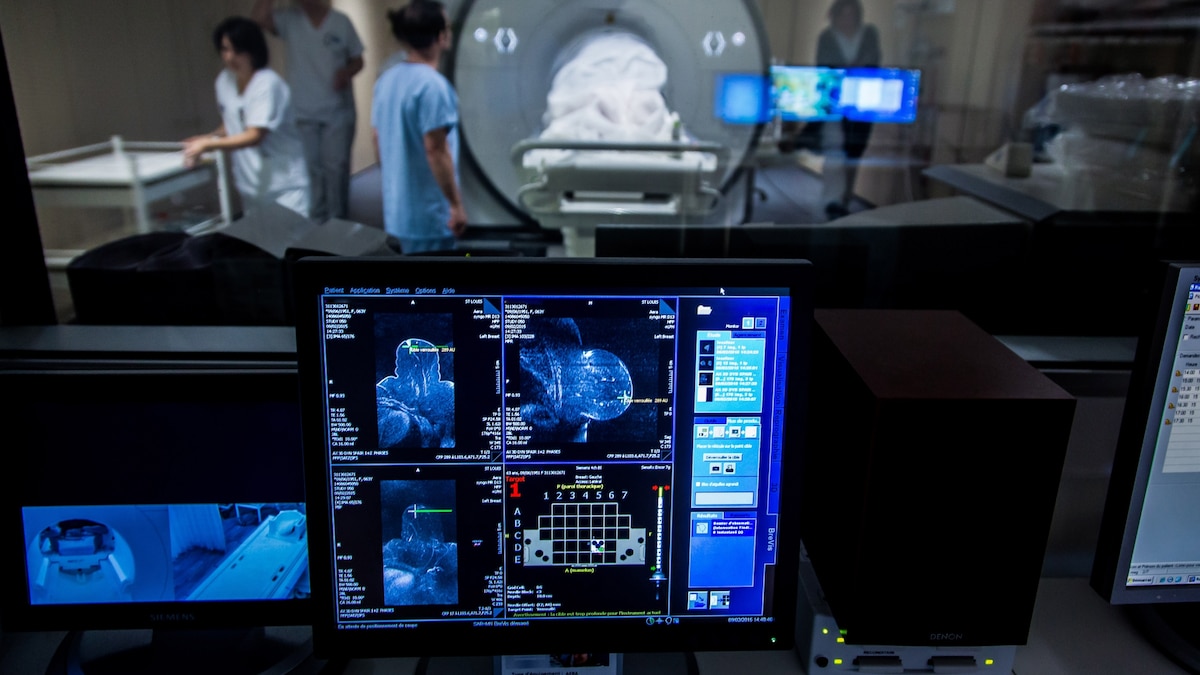
Advances in computational science, particularly in the field of artificial intelligence (AI), are offering potential solutions to neglected women's health issues. Researchers are utilizing algorithms and MRI data to predict breast cancer growth and treatment outcomes, while also aiming to improve maternal mortality rates and develop better therapies for breast cancer patients.

science-and-technology2 years ago

"Revolutionizing Materials Design: Generative Neural Networks for Structure Prediction"

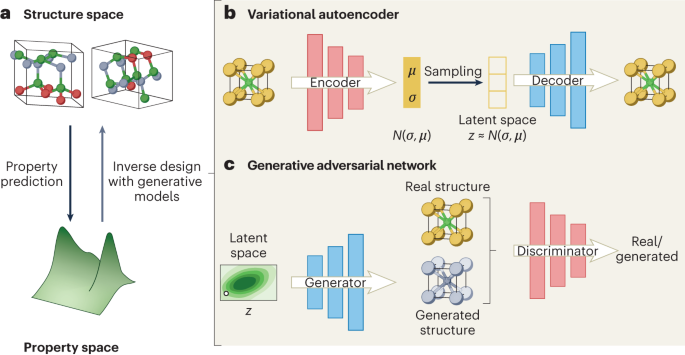
Recent advancements in structural feature representations and generative neural networks have the potential to efficiently predict stable crystal structures, enabling the design of solid-state crystalline materials with desired properties. Crystal structure prediction (CSP) plays a crucial role in discovering stable and metastable structures for materials of unknown structure. Efficient optimization techniques, such as evolutionary algorithms and particle swarm optimization, have led to the discovery of various new materials. The use of generative adversarial networks and Euclidean neural networks shows promise in learning and discovering crystallographic structures.