
Shared Brain Responses Suggest Common Perception of Colors
A study using fMRI and machine learning shows that different people's brains process and represent colours in a very similar way, suggesting a universal neural basis for colour perception.

All articles tagged with #colour perception
A study using fMRI and machine learning shows that different people's brains process and represent colours in a very similar way, suggesting a universal neural basis for colour perception.
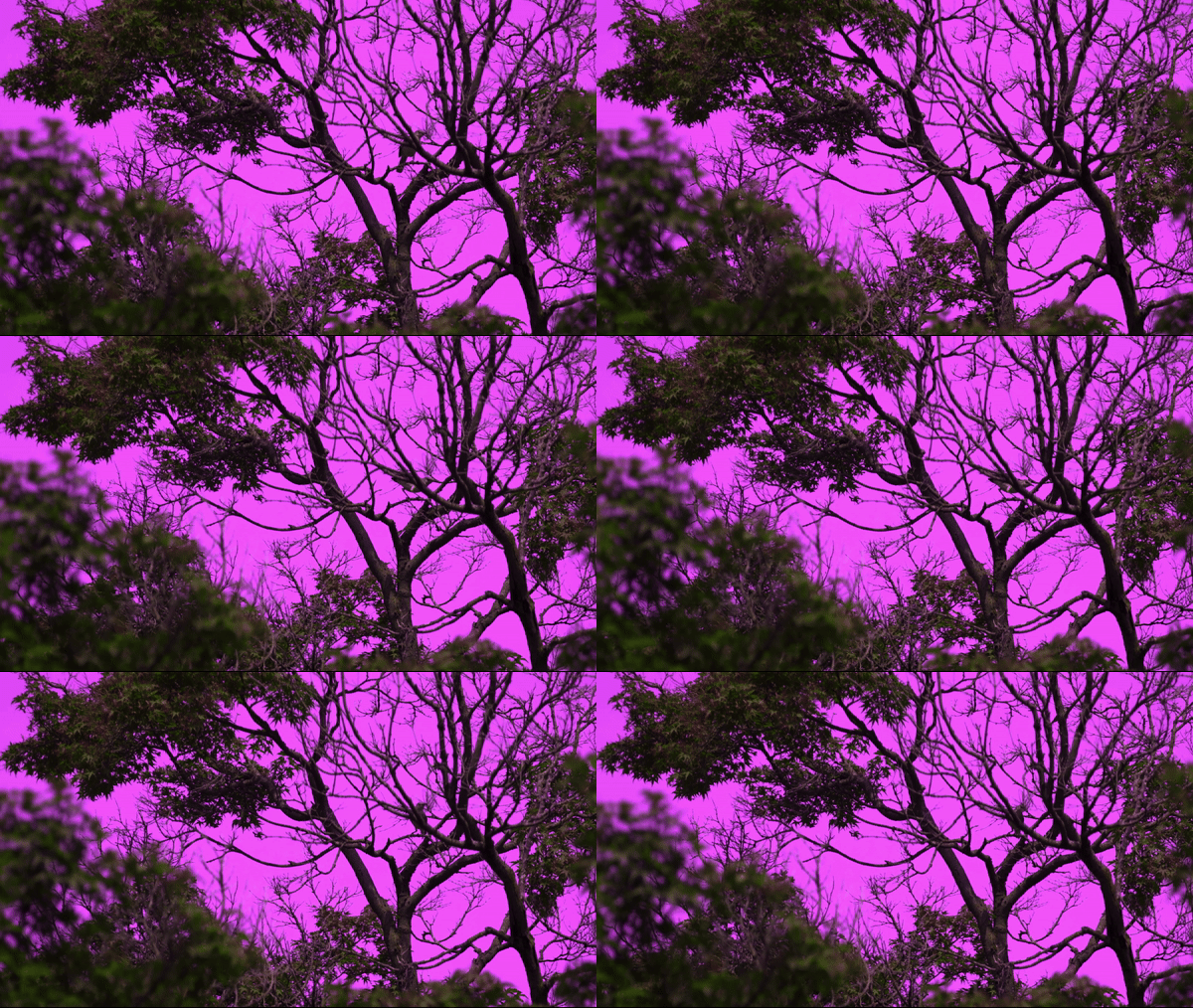
Scientists have developed a camera system and software that can capture video footage in "animal-view" colours, allowing us to visualize how the world might appear to different species based on their unique range of light sensitivity and colour perception. By using a beamsplitter and overlaying recordings from two cameras, the researchers were able to calculate the amount of light each camera's sensor received and then transpose the colors into animal-view that humans can perceive. This breakthrough technology provides a remarkable degree of insight into how animals experience the world and is available for anyone interested in exploring animal vision.
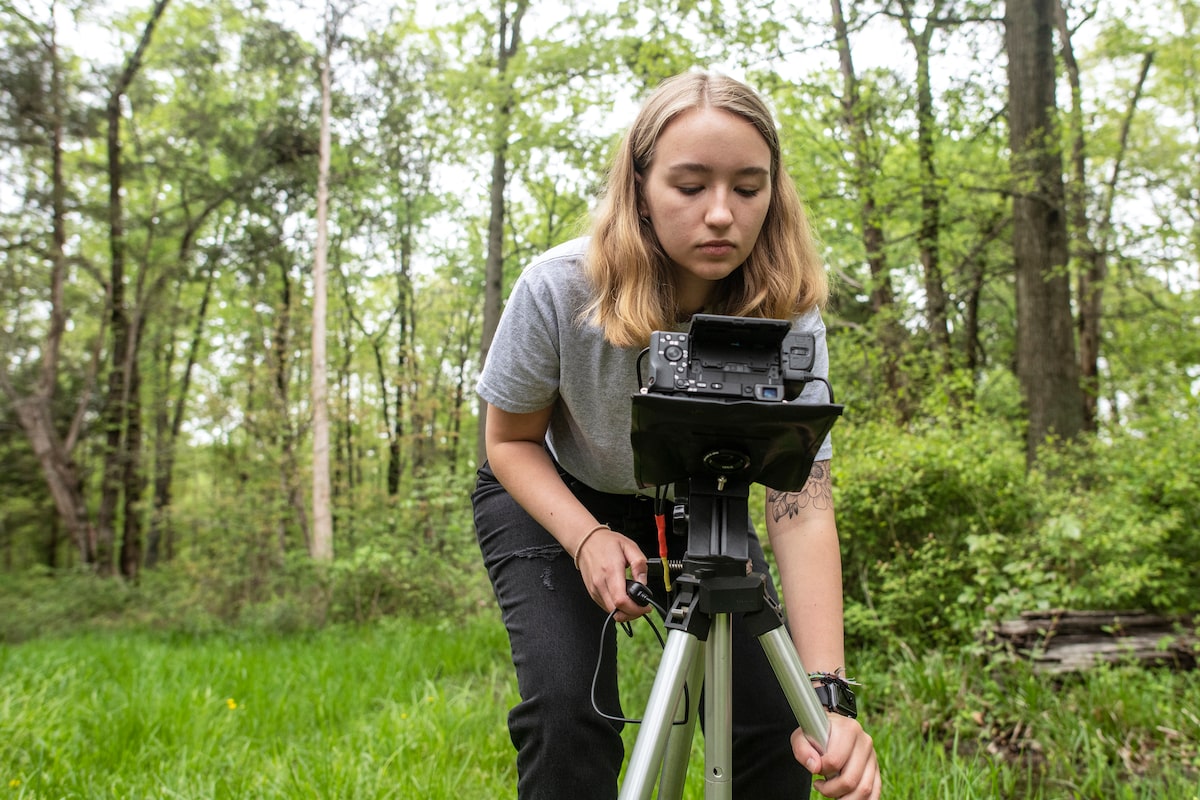
An international team of researchers has developed a video camera system that captures how various animals perceive color, providing insights into their vision systems. The camera system can reveal hidden cues guiding animals with different vision systems, such as bees not seeing red and birds having markings more visible in ultraviolet. By translating animal vision into the human visual range, the system allows for the study of scenarios where animals make decisions based on color, with potential applications in fields such as agriculture and window design.