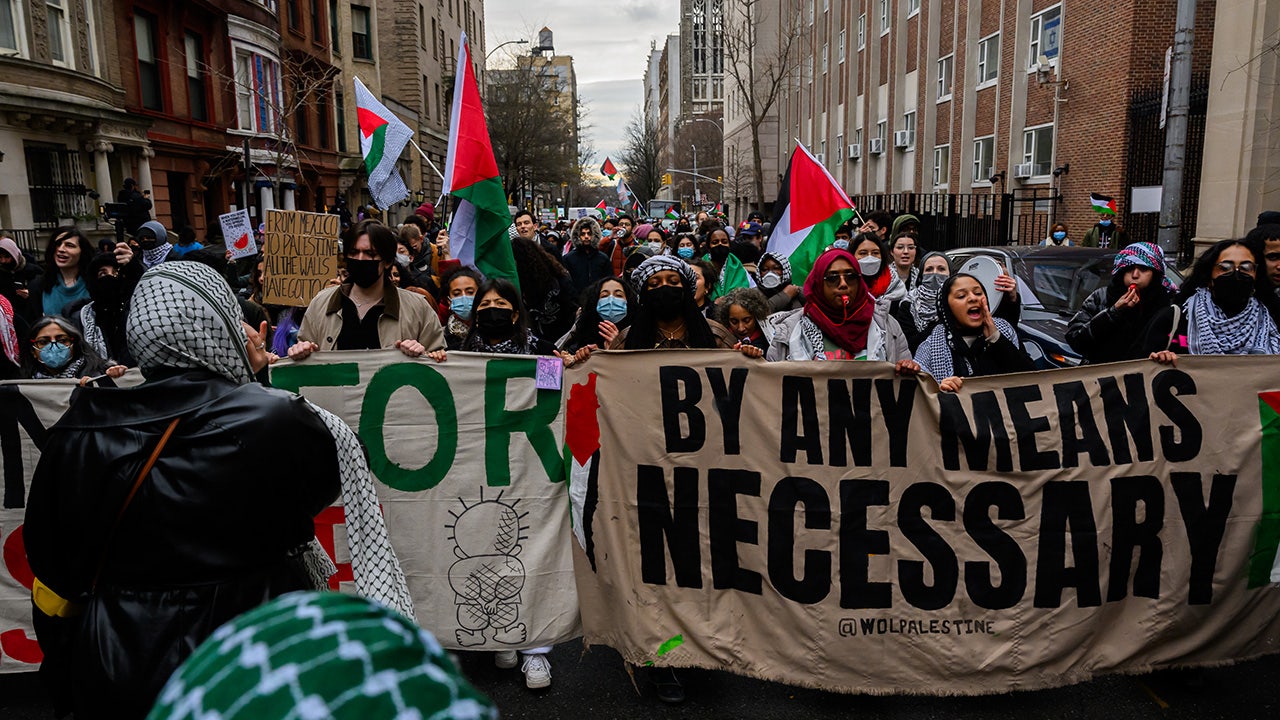
College presidents and leaders are taking a tougher stance on anti-Israel protests, with several colleges expelling, warning, or suspending students for disruptive protests viewed as antisemitic. Jewish students have reported feeling unsafe on campuses, leading to calls for school leaders to take action. Some college leaders are laying down the law on disruptive activities, while others are still grappling with frenzied demonstrations. This comes after Harvard and Penn's presidents resigned following criticism for their handling of antisemitism on their respective campuses.
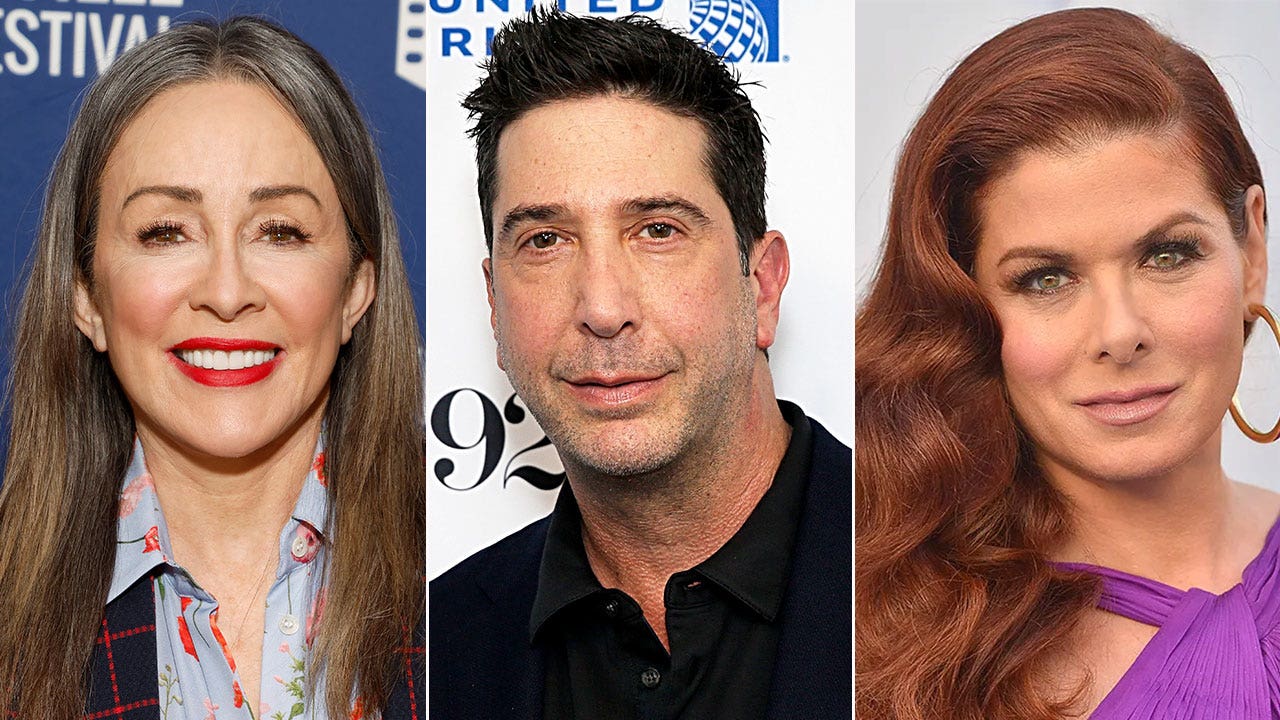
Hollywood celebrities, including David Schwimmer, Debra Messing, Michael Rapaport, Patricia Heaton, Charisma Carpenter, and Jon Lovitz, have spoken out against the presidents of top universities for their evasive and morally bankrupt testimony on antisemitism on college campuses. The celebrities criticized the presidents for failing to condemn calls for the genocide of Jews and called for their resignations, official apologies, and enforcement of codes of conduct. There have been growing calls for the university presidents to step down, with Harvard maintaining support for its president despite revelations of past plagiarism.
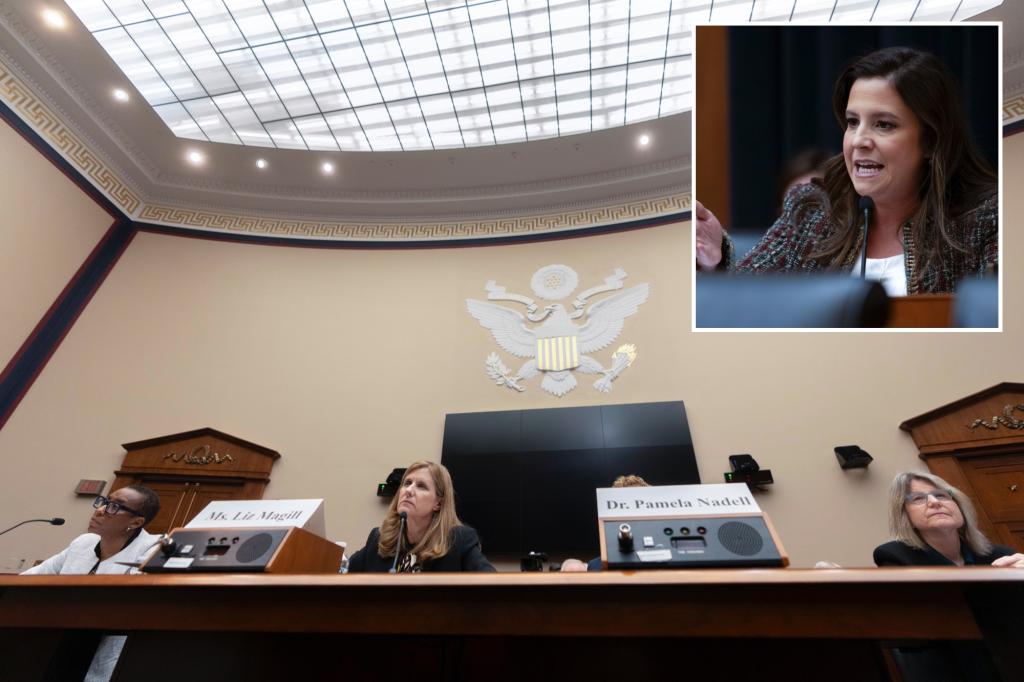
The House of Representatives has passed a bipartisan resolution condemning antisemitism on college campuses, specifically targeting the presidents of Harvard, MIT, and the former president of Penn for their handling of violent anti-Jew demonstrations. The resolution calls for the resignations of the Harvard and MIT presidents and demands that they follow the lead of Penn's former president. The measure was approved with overwhelming support from both Republicans and Democrats. The resolution comes after a hearing where the presidents were questioned about their response to antisemitism on campus. Some Democrats criticized the resolution as an overreach, while others supported it as a necessary step to combat antisemitism. Lawmakers have also announced a formal investigation into antisemitism on campuses and the possibility of cutting off federal funds to institutions that fail to address the issue.
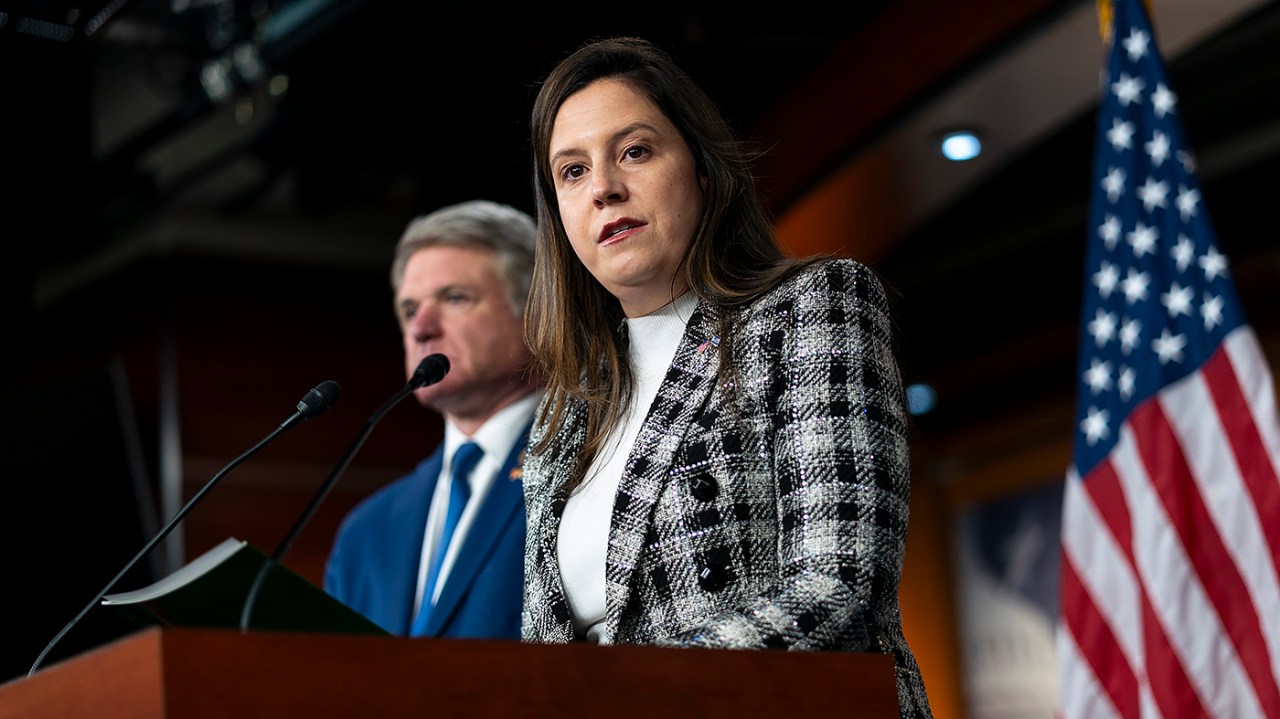
The House is set to vote on a bipartisan resolution condemning the congressional testimony of three university presidents at a hearing on the rise of antisemitism on college campuses. The resolution, introduced by Rep. Elise Stefanik, calls for the resignation of the university presidents and broadly condemns the rise of antisemitism on university campuses. The university presidents had struggled to respond directly when questioned about whether calling for the genocide of Jews violated their schools' codes of conduct. The moment was captured on video and sparked international backlash, resulting in one president's resignation.
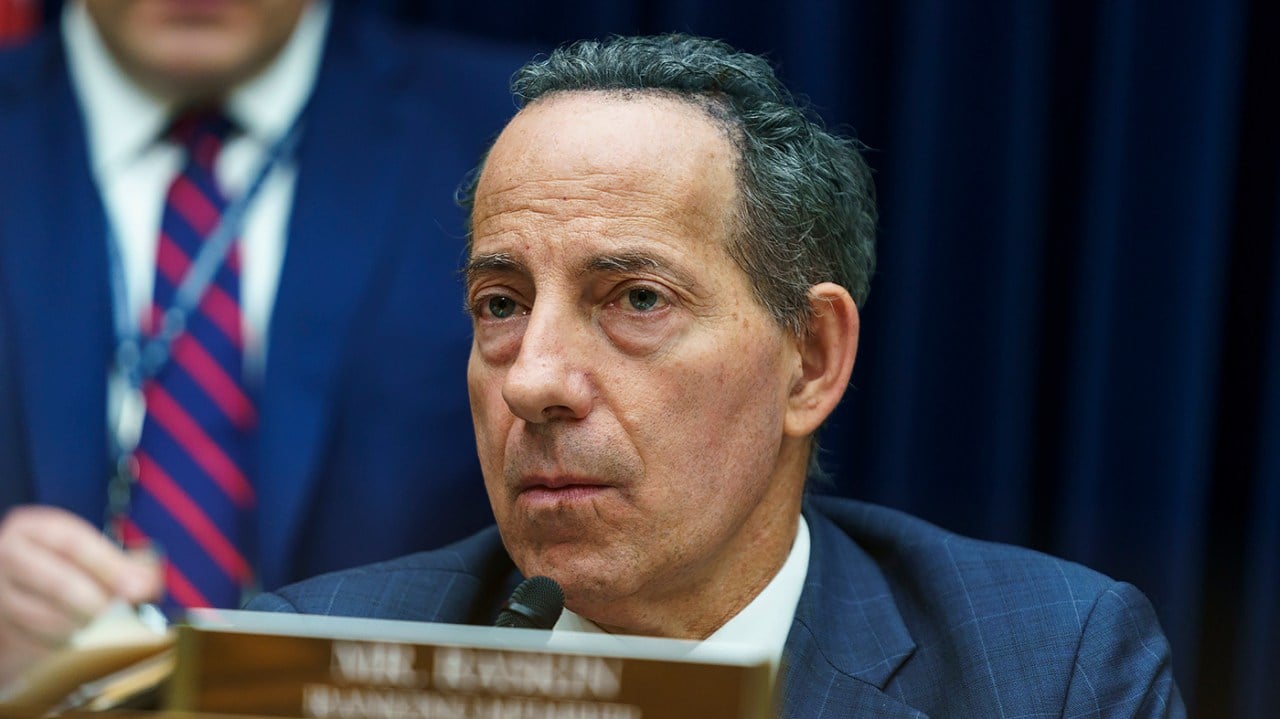
Rep. Jamie Raskin criticizes Rep. Elise Stefanik for providing evasive answers to his questions about antisemitism. Raskin highlights Stefanik's double standard in denouncing college presidents for antisemitism while supporting former President Trump, who Raskin accuses of trafficking in antisemitism. Raskin poses five questions to Stefanik regarding Trump's tolerance and embrace of antisemitism, to which Stefanik responds by defending Trump's actions in support of Israel. Raskin challenges Stefanik's claim that Trump was a good president for American Jews and emphasizes the rejection of Trump by Jewish Americans in past elections.
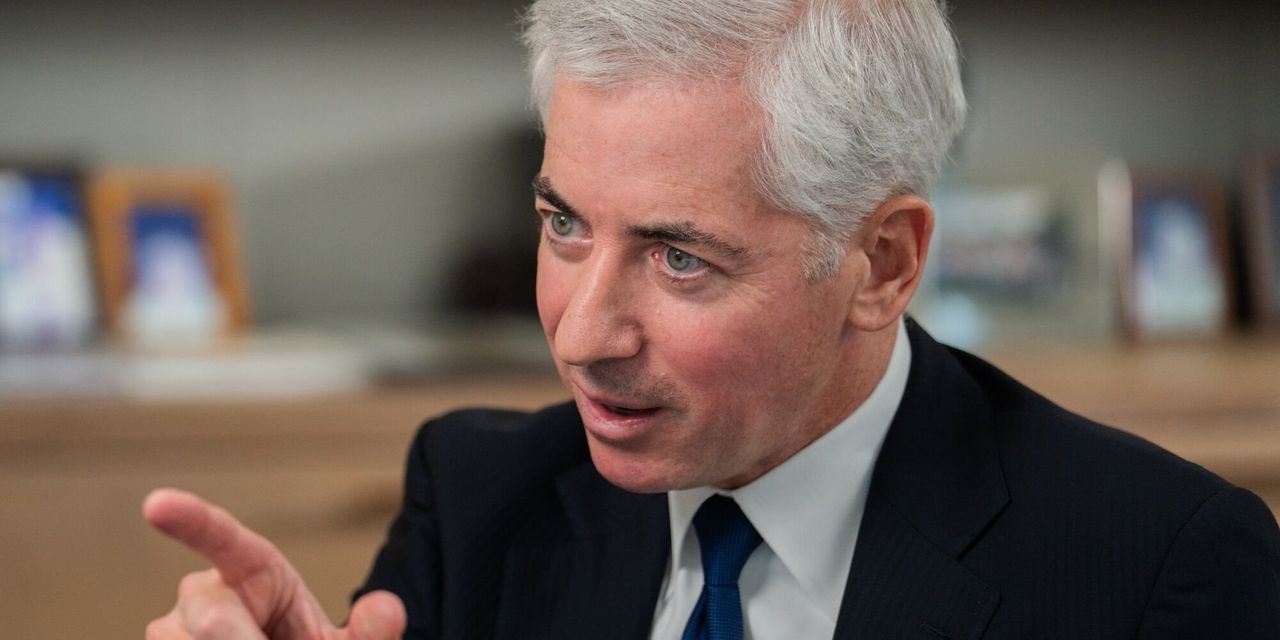
Billionaire investor Bill Ackman has been actively pressuring college presidents to resign, with University of Pennsylvania's president being the first target. Ackman then turned his attention to two other university presidents who struggled to condemn hate speech during their testimonies before Congress.
The controversy surrounding the comments made by three US college presidents during a congressional hearing on antisemitism has led to calls for their removal and resignations. The controversy centers around how campuses are handling accusations of antisemitism following recent events in Israel and Gaza, with supporters of Palestinian rights accusing universities of stifling criticism of Israel. The presidents faced criticism for their responses to combative questioning, with some accusing them of providing feeble and legally parsed answers. The controversy has raised concerns about free expression on campus and has drawn political attention, with politicians and university donors getting involved. Free speech advocates argue that certain slogans and expressions are protected speech, while university heads face the challenge of refereeing differing perceptions and beliefs. The presidents have received both support and opposition from students and faculty members.
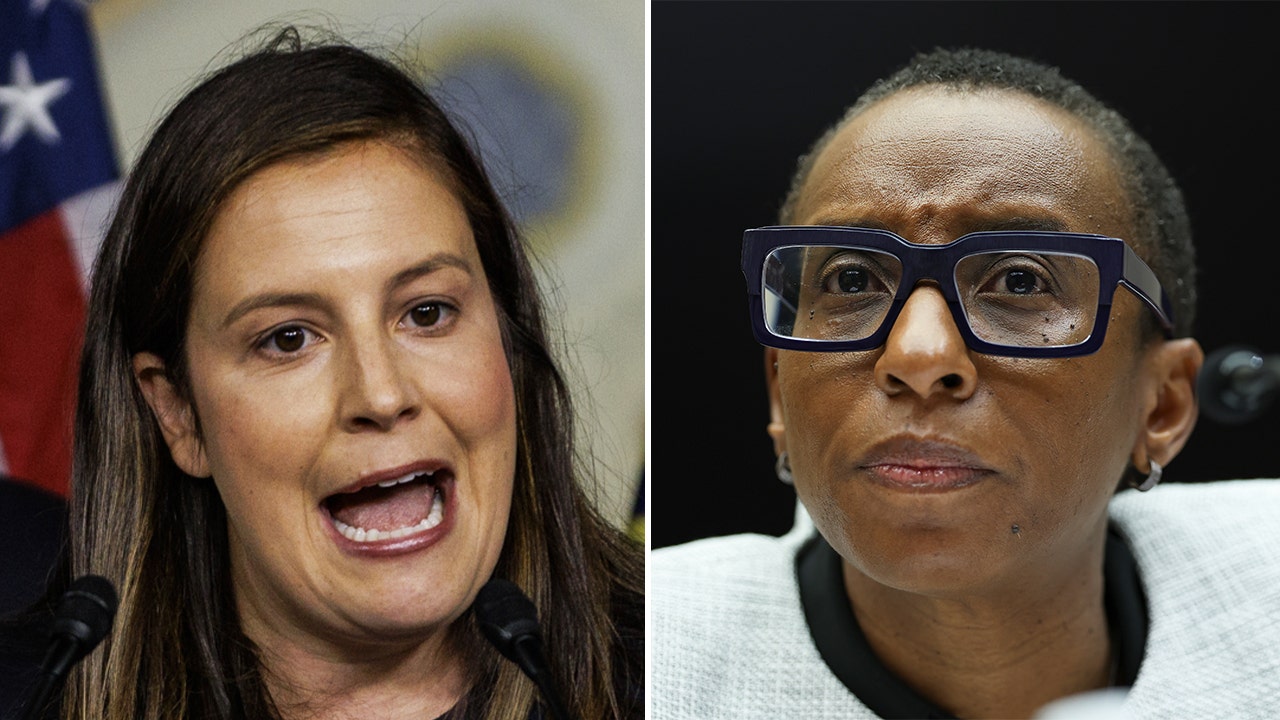
Republican Representative Elise Stefanik's questioning of three elite college presidents about their universities' response to calls for the genocide of Jews has sparked a media firestorm and opened a new front in the culture wars. Stefanik's viral moment has led to serious criticism of Harvard President Claudine Gay, MIT President Sally Kornbluth, and outgoing University of Pennsylvania President Liz Magill. The incident has highlighted the divide between well-educated voters and their institutions of higher education, scrambling the Democratic Party's traditional coalition. The controversy has also drawn attention from prominent Republicans, including Virginia Governor Glenn Youngkin, and even prompted a response from President Biden's team.
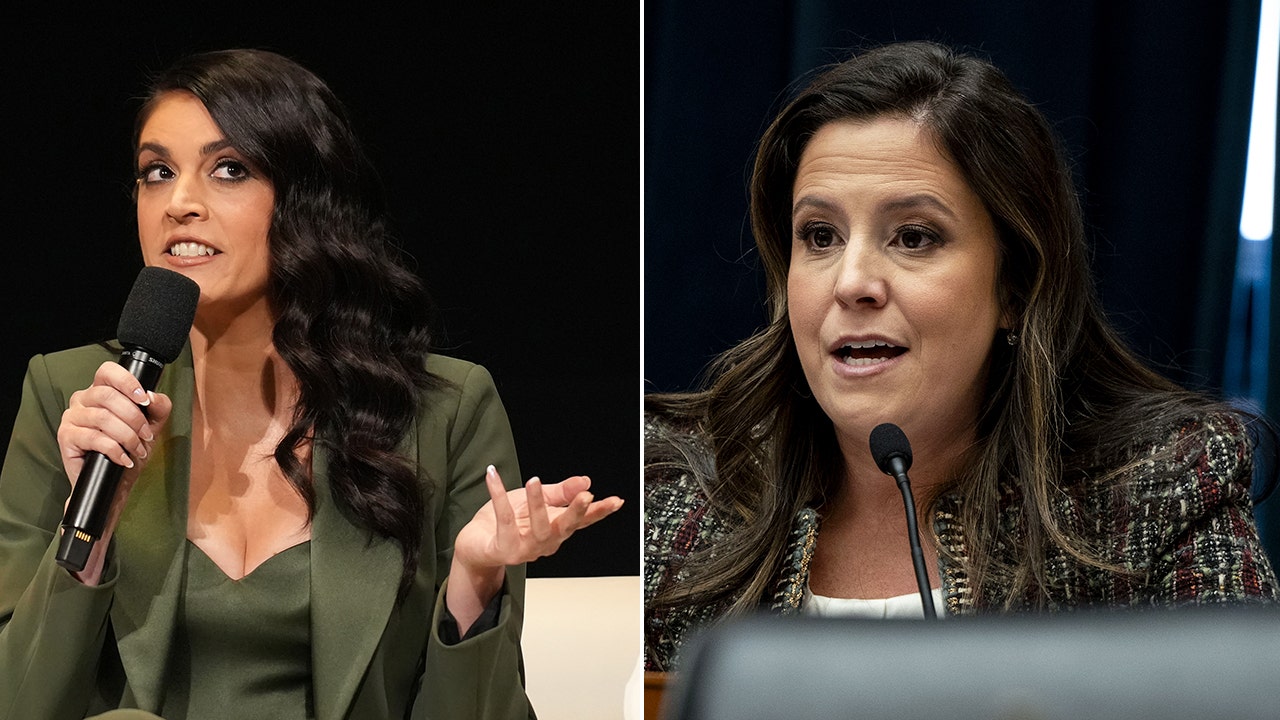
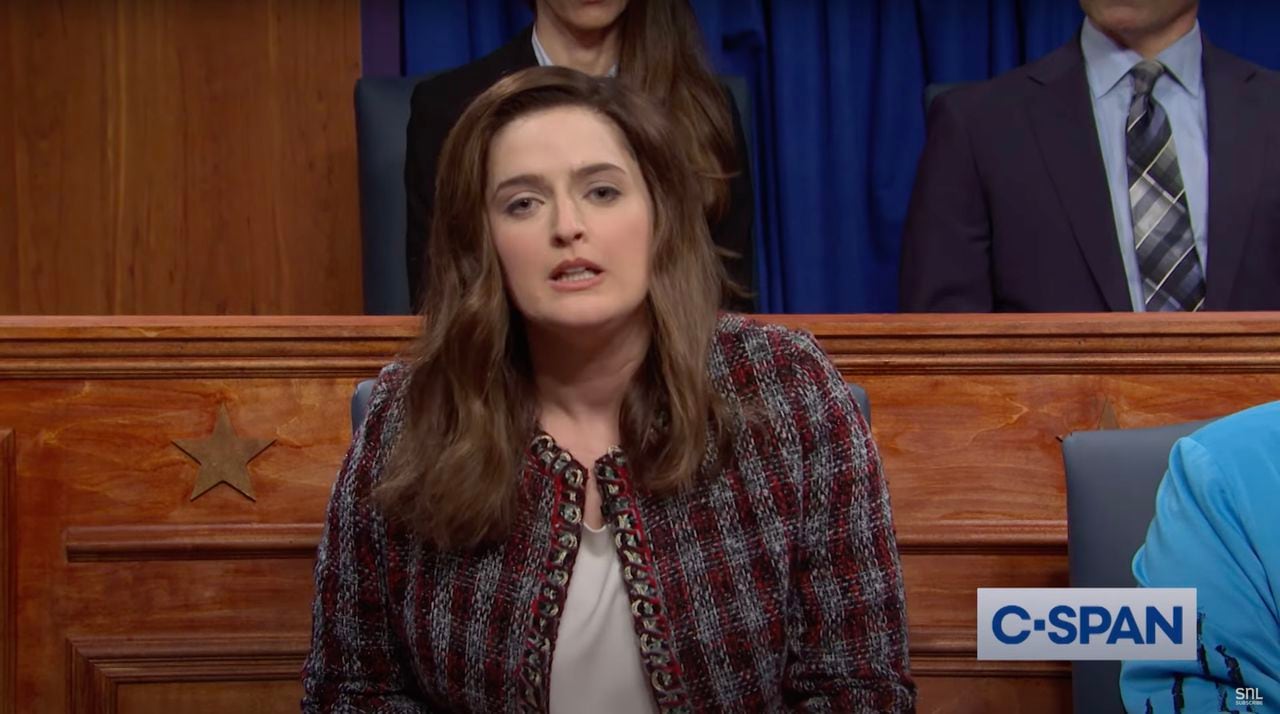
Former "Saturday Night Live" cast member Cecily Strong reportedly pulled out of playing Rep. Elise Stefanik in a controversial cold opening skit that mocked Stefanik instead of focusing on the college presidents whose testimony on antisemitism caused an uproar. Strong felt uncomfortable with the sketch and withdrew at the last minute. The skit received criticism for its portrayal of Stefanik and the lack of focus on the college presidents' controversial comments. Stefanik's office condemned the skit as "antisemitic trash."
"Saturday Night Live" faced criticism for its cold opening skit, which appeared to focus more on mocking GOP lawmaker Rep. Elise Stefanik than on the controversial testimony of college presidents regarding rising incidents of antisemitism on campuses. Many viewers expressed disappointment with the sketch, arguing that it missed the mark by not addressing the university presidents' comments adequately. The skit drew backlash for its perceived insensitivity towards the serious issue of hate speech and antisemitism.
"Saturday Night Live" (SNL) parodied the recent hearing involving Rep. Elise Stefanik and college presidents discussing antisemitism on campuses. In the skit, Chloe Troast portrayed Stefanik, questioning the presidents about their response to antisemitism and Islamophobia. The sketch humorously highlighted Stefanik's loyalty to former President Donald Trump and her frustration with the evasive answers from the college presidents. The jokes were based on real-life testimony, and the skit received attention following the controversy surrounding the presidents' comments.
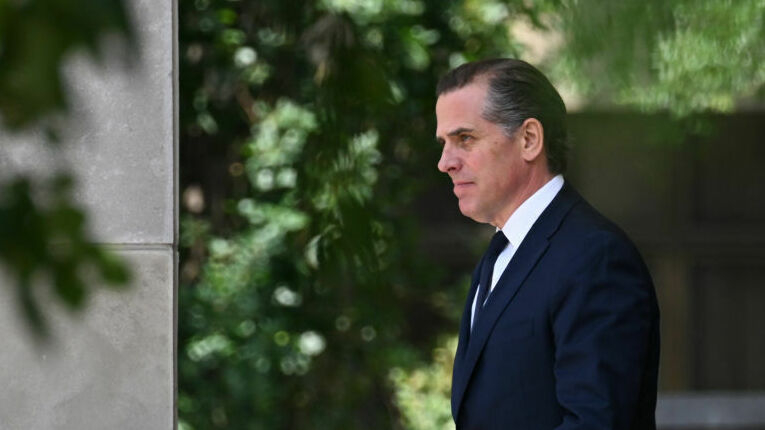
Hunter Biden, the son of President Joe Biden, has been indicted on nine counts related to his failure to pay federal taxes on millions of dollars of income. The indictment comes after a plea deal fell apart earlier this year. In other news, college presidents from the University of Pennsylvania, MIT, and Harvard are under fire for their responses to questions about rising antisemitism on their campuses. The House Education and Workforce Committee will investigate the disciplinary policies at these universities. Additionally, tensions have risen in Israel, particularly in Jerusalem, following recent military actions by Israel in response to Hamas attacks. Finally, a gunman opened fire at the University of Nevada, Las Vegas, killing three faculty members. The motive for the shooting is still unknown.
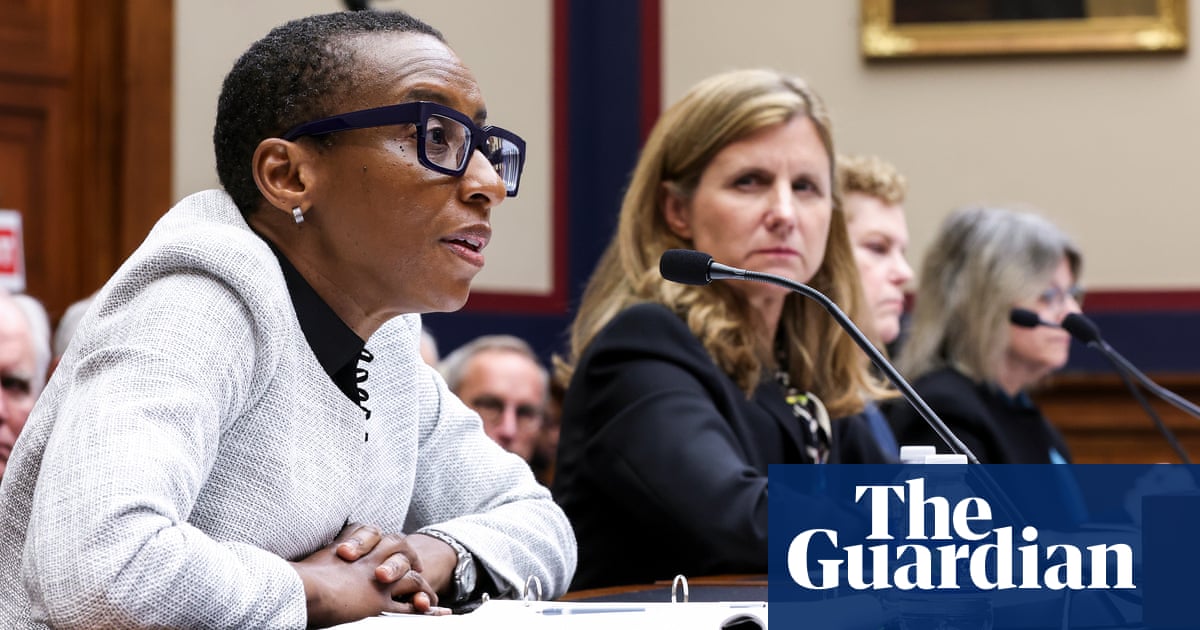
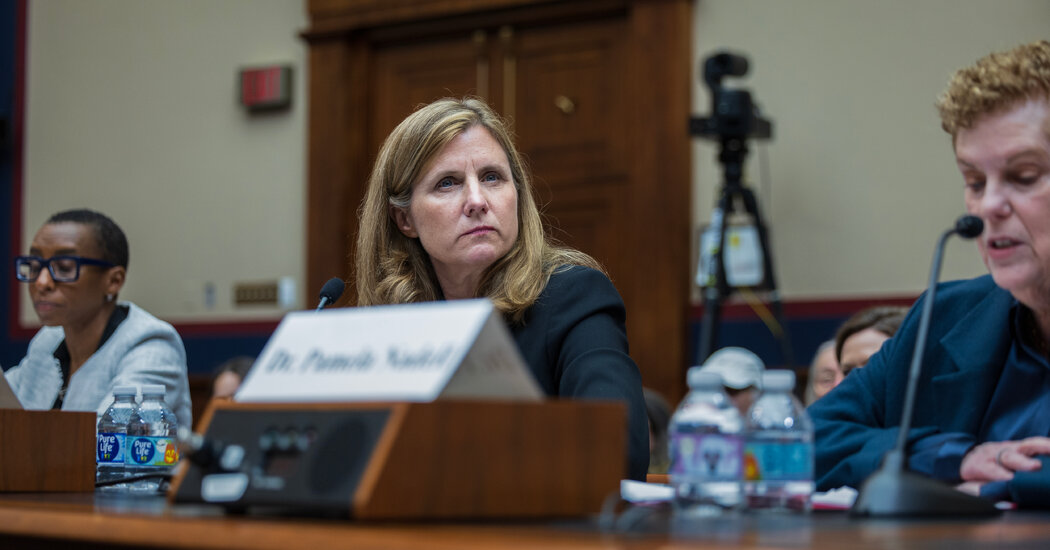
The presidents of Harvard, M.I.T., and the University of Pennsylvania faced criticism after appearing to evade questions about whether students should be disciplined for calling for the genocide of Jews. During a congressional hearing, the presidents gave lawyerly responses regarding the issue, which drew incredulous reactions from lawmakers and others. The evasive answers were seen as failing to address the seriousness of antisemitism on campus, leading to calls for resignations and petitions for disciplinary action against the presidents.
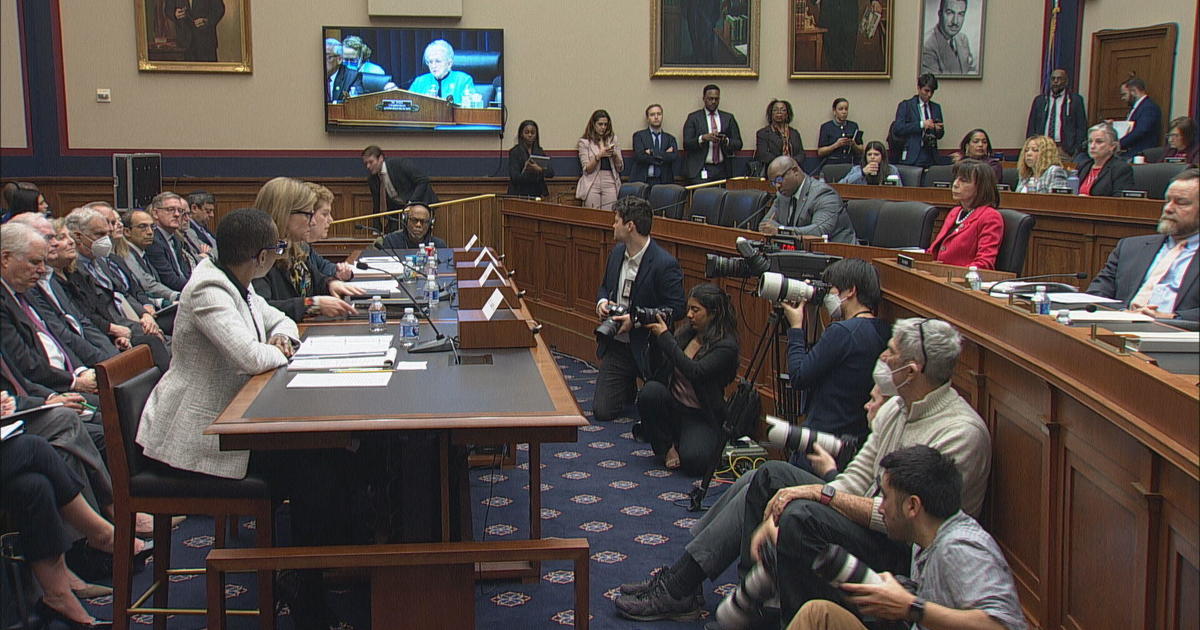
Three college presidents testified before a House committee about their handling of antisemitic incidents on their campuses since the Israel-Hamas attack, with accusations that universities are not doing enough to protect students. The Department of Education is investigating Harvard and the University of Pennsylvania, among other schools, for alleged complaints of antisemitism and Islamophobia. The hearing highlighted the rise of antisemitism and Islamophobia on college campuses, with tensions and protests related to the Israel-Hamas war. The presidents acknowledged the challenges of confronting hate while preserving free expression, and all three agreed that Israel has the right to exist as a Jewish nation.
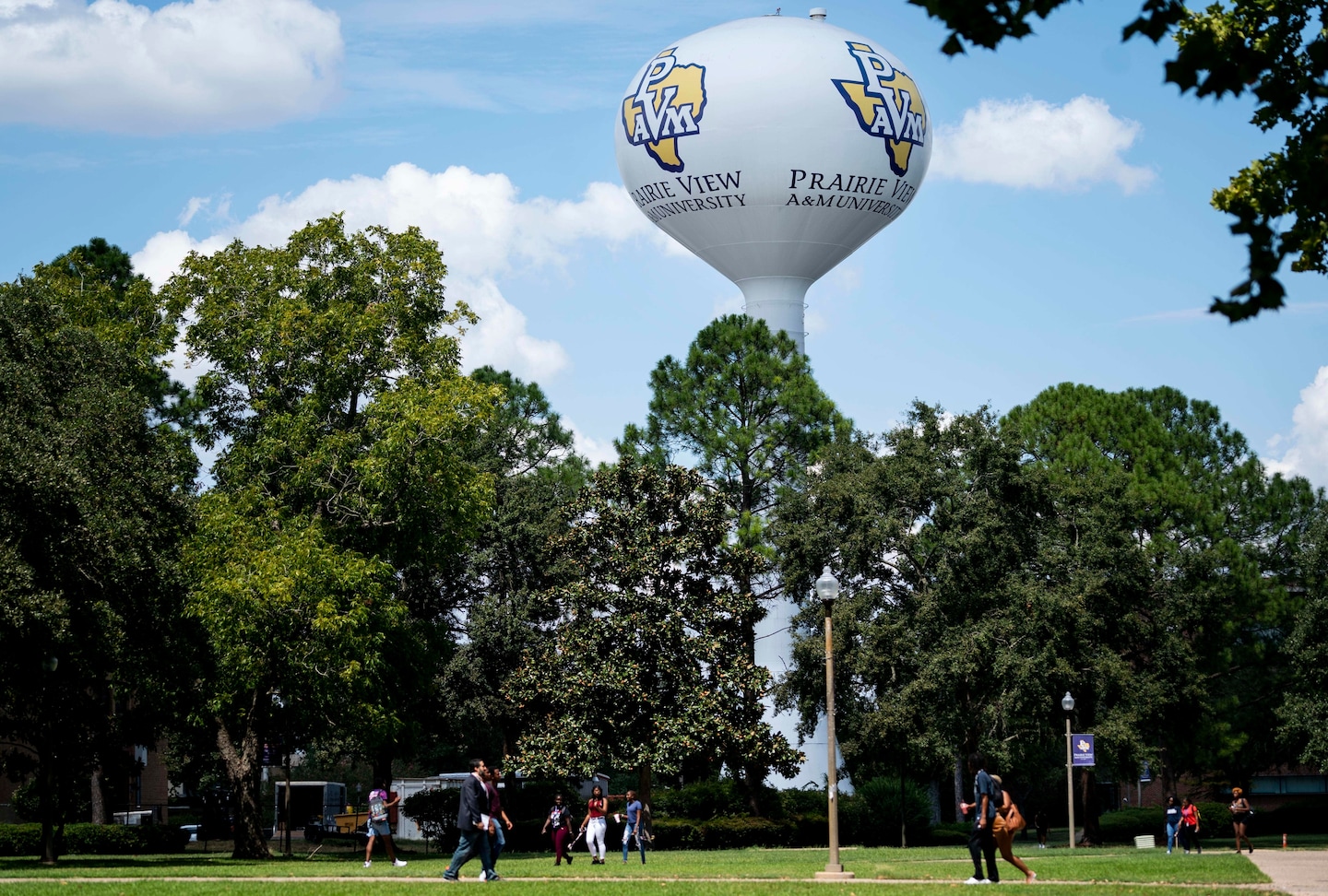
Historically Black colleges and universities (HBCUs) are experiencing a significant wave of presidential departures, with nearly a quarter of presidential seats opening since 2022. The reasons for these departures vary, but common factors include challenges faced by small, private, religious-affiliated schools, battles over enrollment and finances, and the growing politicization of higher education. College presidents are under pressure to navigate the post-affirmative action era, the impact of the pandemic, and shrinking student pools. The average tenure of recently departed HBCU presidents is 2.1 years, half of the usual contract length. The demands of the role, including fundraising and financial management, are heightened at HBCUs due to historic underfunding and limited resources. However, this wave of departures could present an opportunity to bring in fresh, diverse, and inclusive leadership.