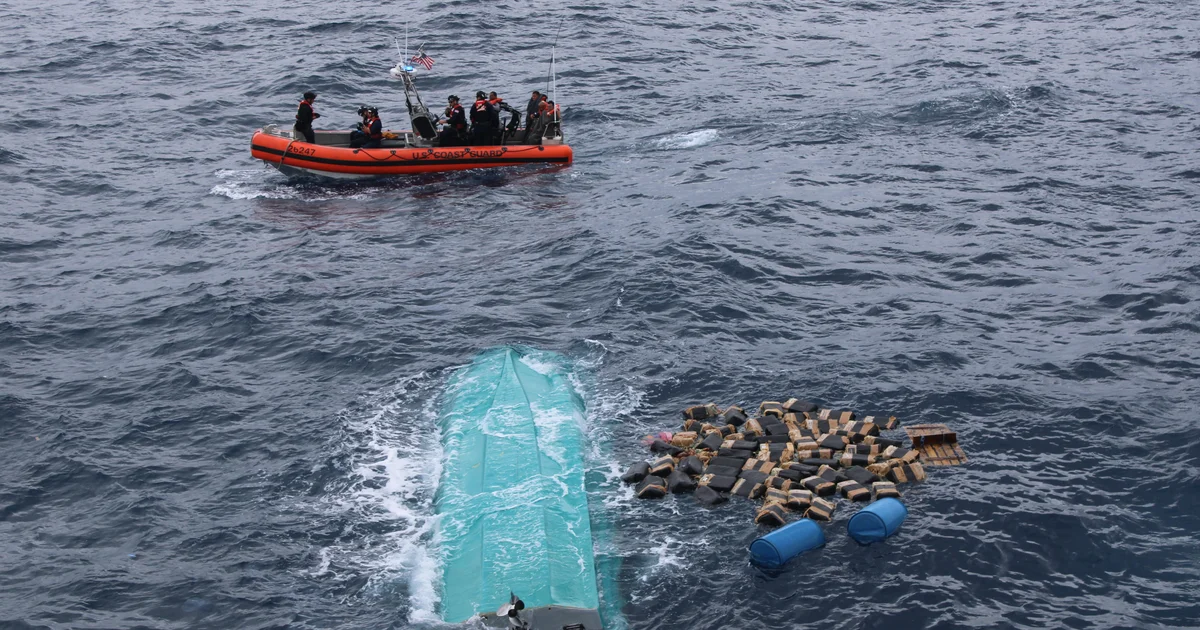
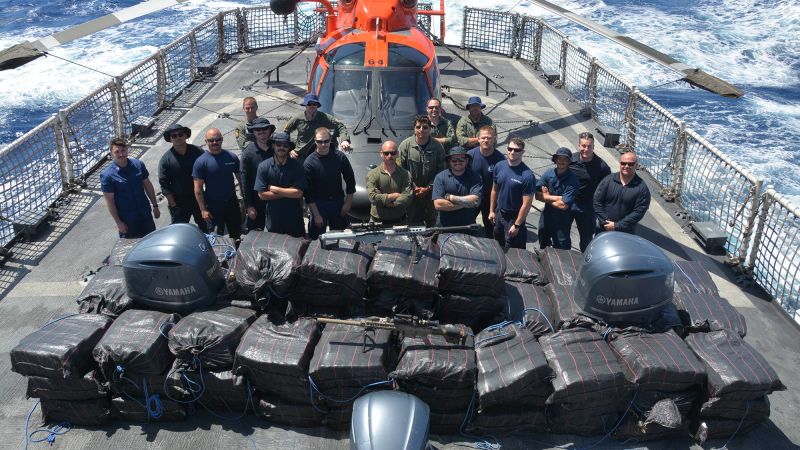
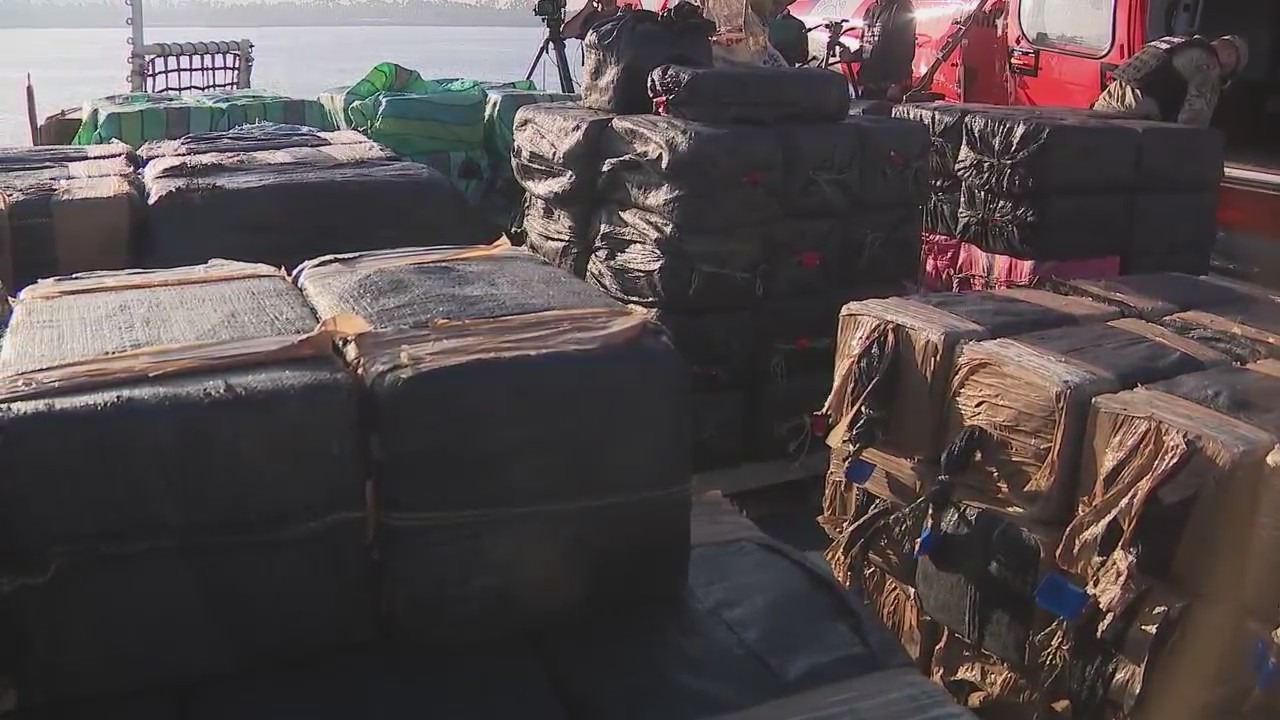
The U.S. Coast Guard has seized over 100,000 pounds of cocaine in the Eastern Pacific Ocean over the past two months, including from a capsized suspected drug boat, as part of Operation Pacific Viper, which involves intercepting ships and dismantling drug networks with international partners.
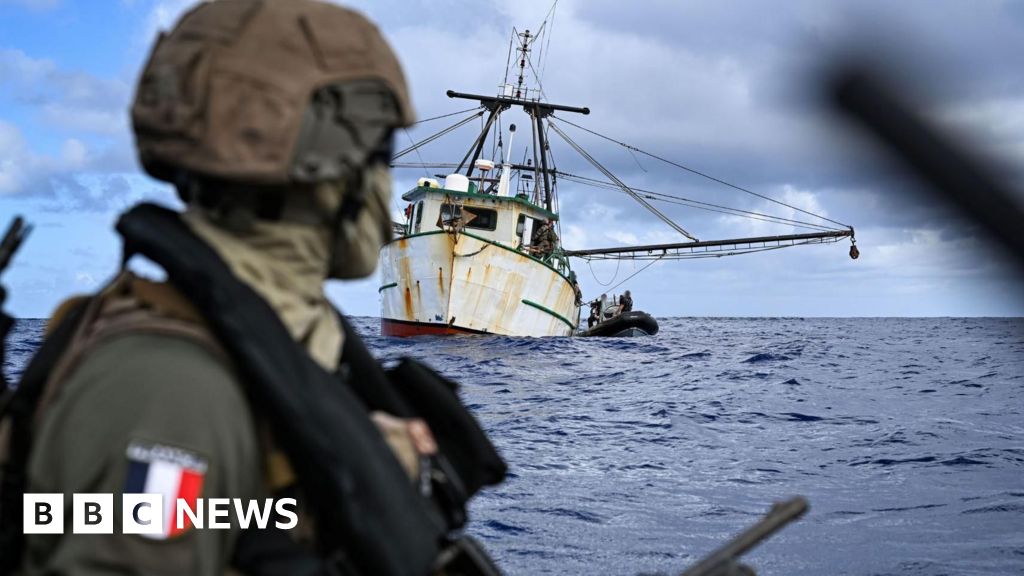
The French navy has seized nearly 10 tonnes of cocaine worth $610 million from an unflagged fishing vessel off the West African coast, as part of ongoing efforts to combat drug trafficking and piracy in the Gulf of Guinea, a key transit region for narcotics from South America to Europe.
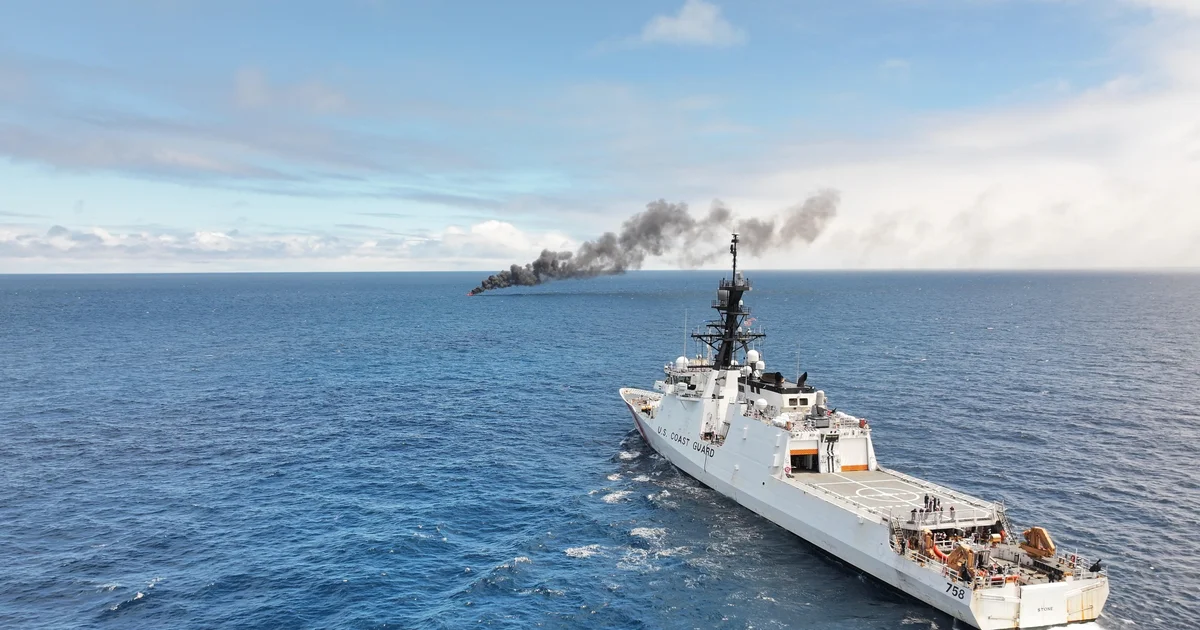
The U.S. Coast Guard has seized over 40,000 pounds of cocaine in the Eastern Pacific Ocean as part of Operation Pacific Viper, which aims to disrupt drug trafficking and human smuggling, resulting in multiple interceptions, including a record 38-ton drug haul and the burning of a vessel, with international cooperation involved.
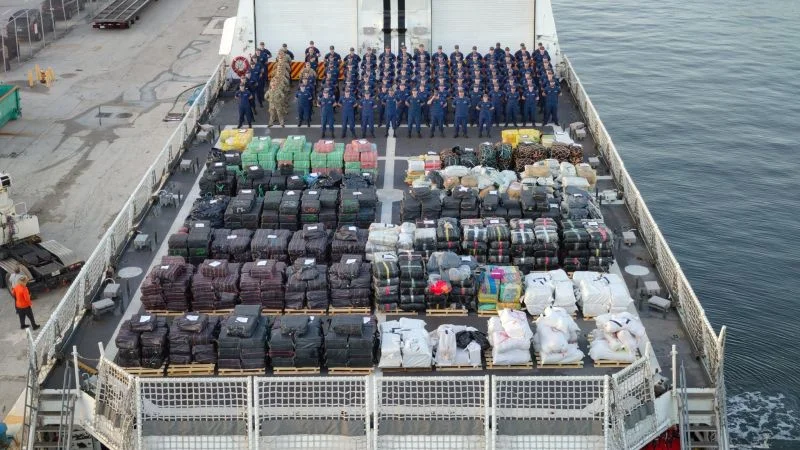
The US Coast Guard seized a record 61,740 pounds of cocaine and 14,400 pounds of marijuana, valued at $473 million, in the largest drug haul in its history, highlighting the ongoing threat of transnational drug trafficking and its impact on public health and safety, especially in Florida.
Dominican authorities seized 1.5 tons of cocaine after a 12-hour chase involving a speedboat near Pedernales, arresting four suspects, in one of the country's largest drug seizures.
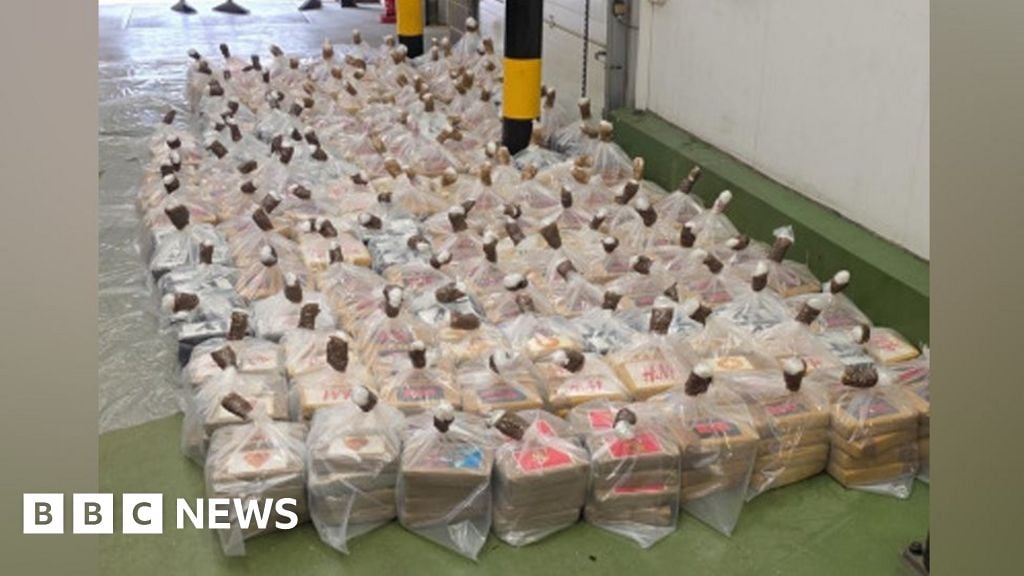
Border Force officers seized £96 million worth of cocaine from a container vessel at London Gateway port, marking one of the largest drug busts in the past decade, disrupting organized crime operations and highlighting ongoing international law enforcement efforts.
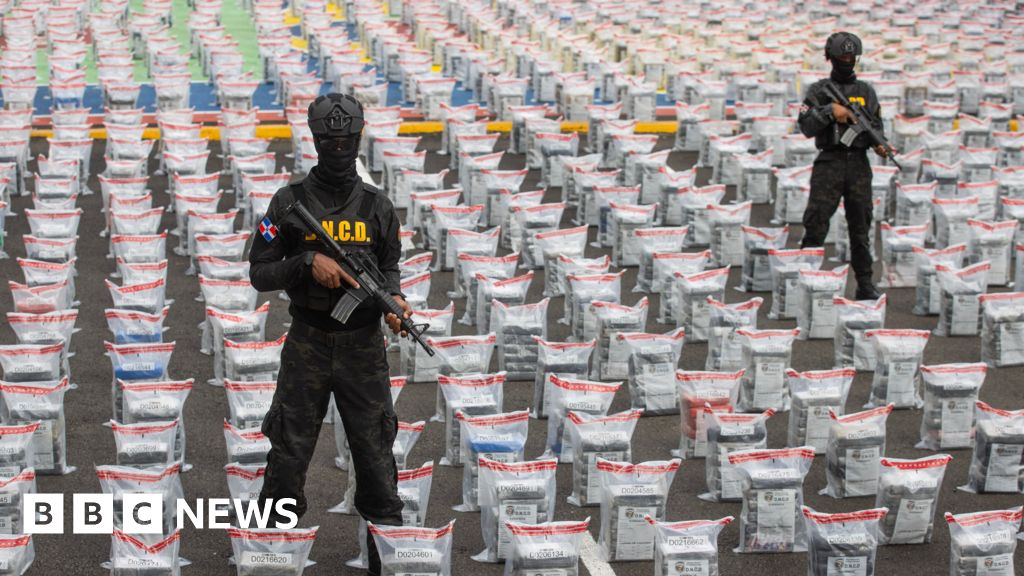
Authorities in the Dominican Republic have made their largest-ever cocaine seizure, discovering 9,500kg of the drug hidden in a banana shipment at a port in Santo Domingo, intended for Europe. The cocaine, valued at $250 million, was concealed in 320 bags, and at least 10 individuals linked to the port are under investigation. This incident highlights the Caribbean's role as a major drug trafficking route to Europe, where cocaine use is rising, contributing to increased drug-related deaths.
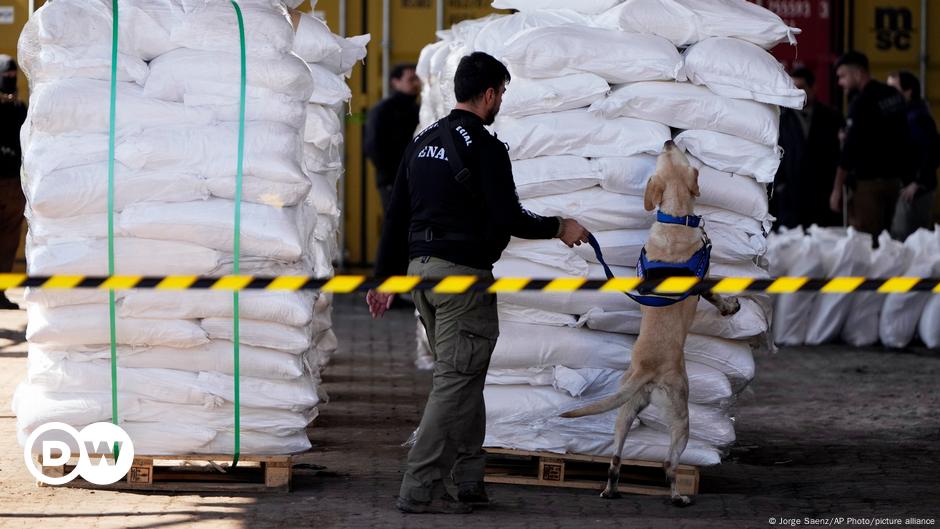
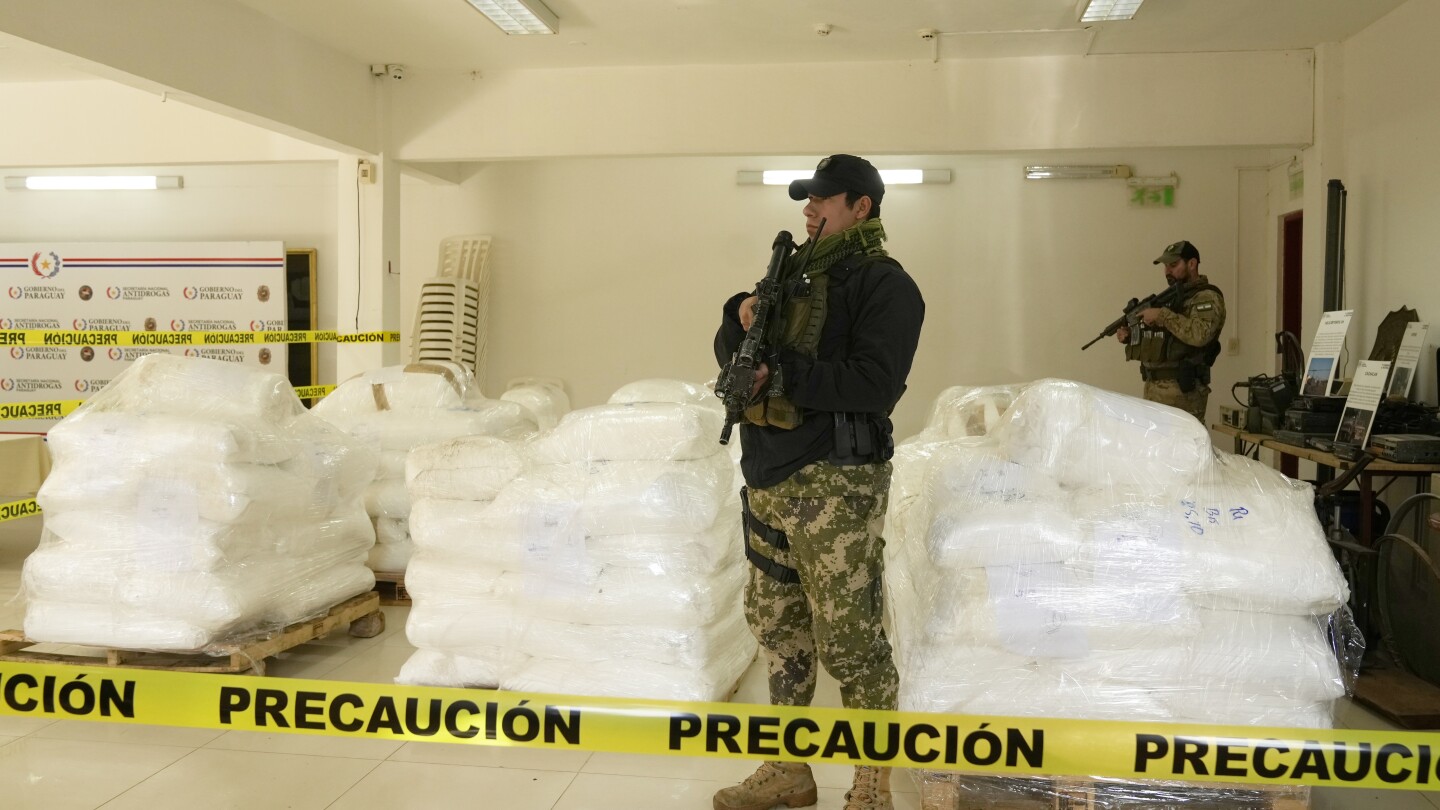
Paraguay's anti-drug agency seized over 4 tons of cocaine hidden in sugar sacks destined for Belgium, with a street value of approximately €220 million. President Santiago Pena emphasized that the bust, part of "Operation Sweetness," aims to deter smugglers from using Paraguay as a transit point. The seizure highlights the increasing significance of Latin American routes to Europe, where ports like Antwerp and Rotterdam frequently intercept large cocaine shipments.
Paraguay has made its largest cocaine seizure ever, discovering over 4 tons of the drug hidden in a sugar shipment bound for Belgium. Dubbed "Operation Sweetness," the bust is valued at approximately $240 million and highlights Paraguay's growing role as a drug trafficking hub. Authorities hope the seizure will deter organized crime and are committed to enhancing port security.
The US Coast Guard Cutter Alert seized over $143 million worth of cocaine in the eastern Pacific Ocean during a 59-day counter-narcotics patrol, with the crew intercepting a suspected "go-fast" vessel and disabling its engines with a HITRON helicopter. The crew then recovered bales of cocaine jettisoned into the sea by the smugglers, marking the cutter's last patrol out of Astoria, Oregon, where it is based.
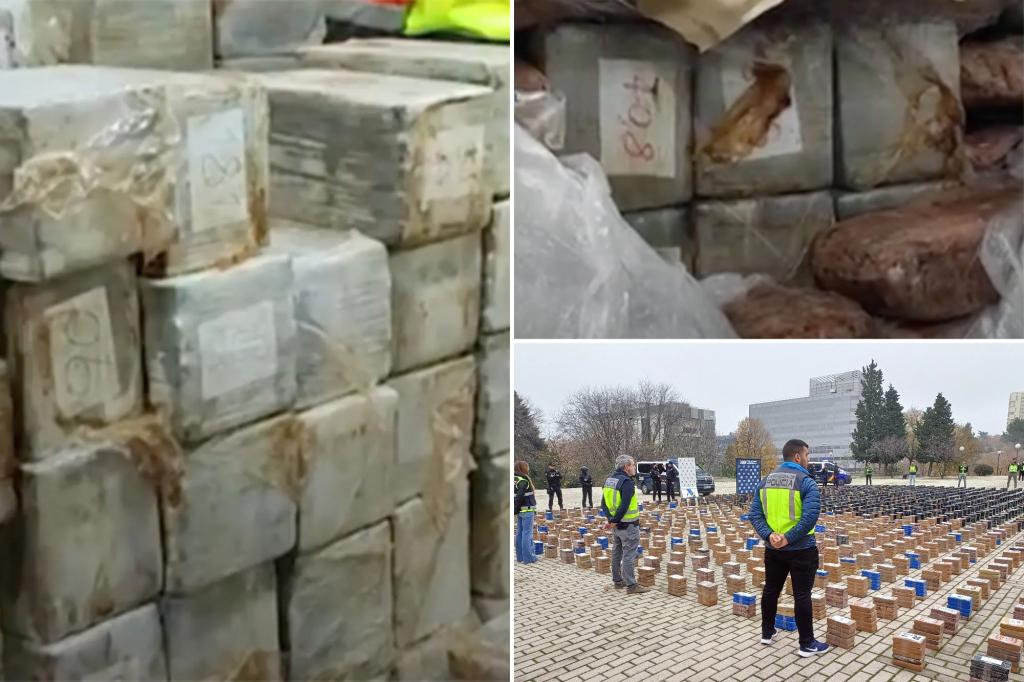
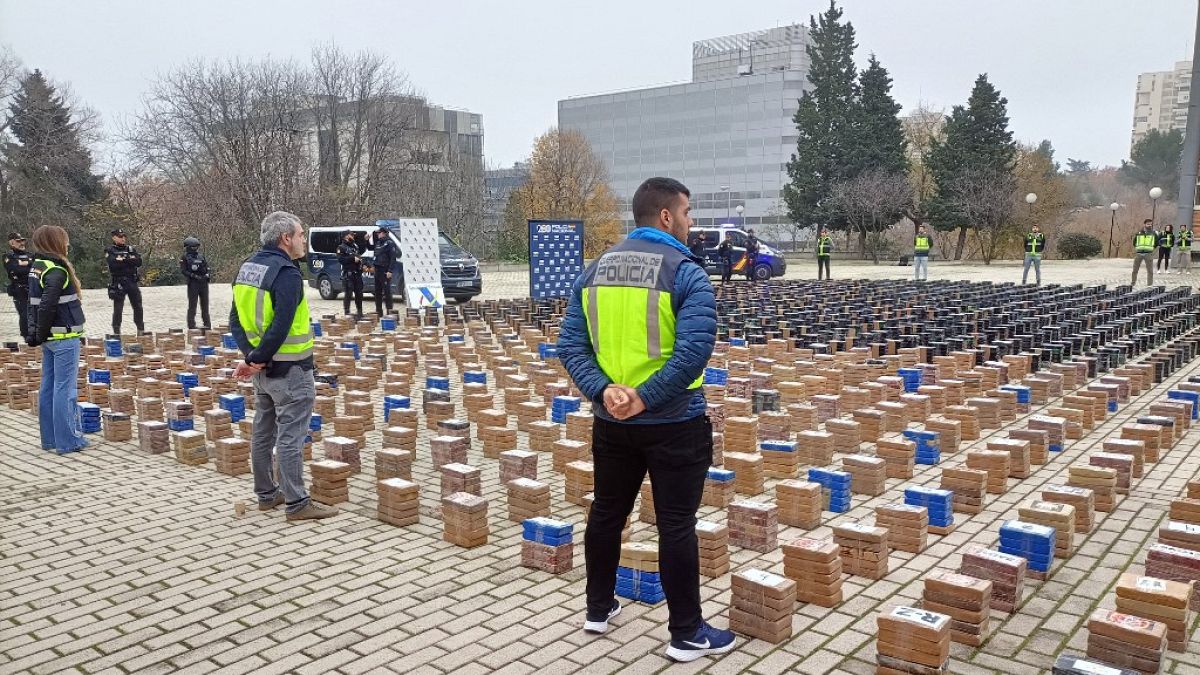
Spanish police have seized a record-breaking 7.5 tons of cocaine hidden inside frozen tuna fish in the port of Vigo, making it the largest drug bust by volume in the history of Galicia. In a separate operation, an additional 3.5 tons of cocaine were found in shipping containers in the port of Valencia. At least 20 people, belonging to two Balkan-origin organizations, have been arrested, dealing a significant blow to one of Europe's most powerful drug distribution networks. The smuggling network had set up an import company to trade frozen fish and seafood internationally, while also investing in real estate to cover up their involvement in drug smuggling.
Spanish police have seized 11 tonnes of cocaine in two separate operations, marking the largest seizure ever made in Galicia, Spain. The drugs, imported by Albanian criminal organizations, came from Colombia via Ecuador and were found in containers in the ports of Vigo and Valencia. Twenty individuals, mostly Albanians, were arrested in connection with the operations. The seizures highlight the power of the Balkan cartel and the increasing influence of Albanian mafias in drug trafficking, which now control the transport of drugs from Latin America to Europe.
The US Coast Guard Cutter Waesche offloaded approximately 18,219 pounds of cocaine, worth over $239 million, seized from drug transit zones in the eastern Pacific Ocean. Thirteen individuals have been arrested and are in US custody, with charges pending. The drugs were seized from six different vessels, including a self-propelled semi-submersible. The Coast Guard's successful interception of the semi-submersible is significant, as it is the first such seizure in over four years. The maritime counter-drug mission aims to combat transnational criminal organizations that traffic cocaine, which fuels violence, corruption, and instability in Central and South America. The drugs will be analyzed, stored as evidence, and eventually destroyed.
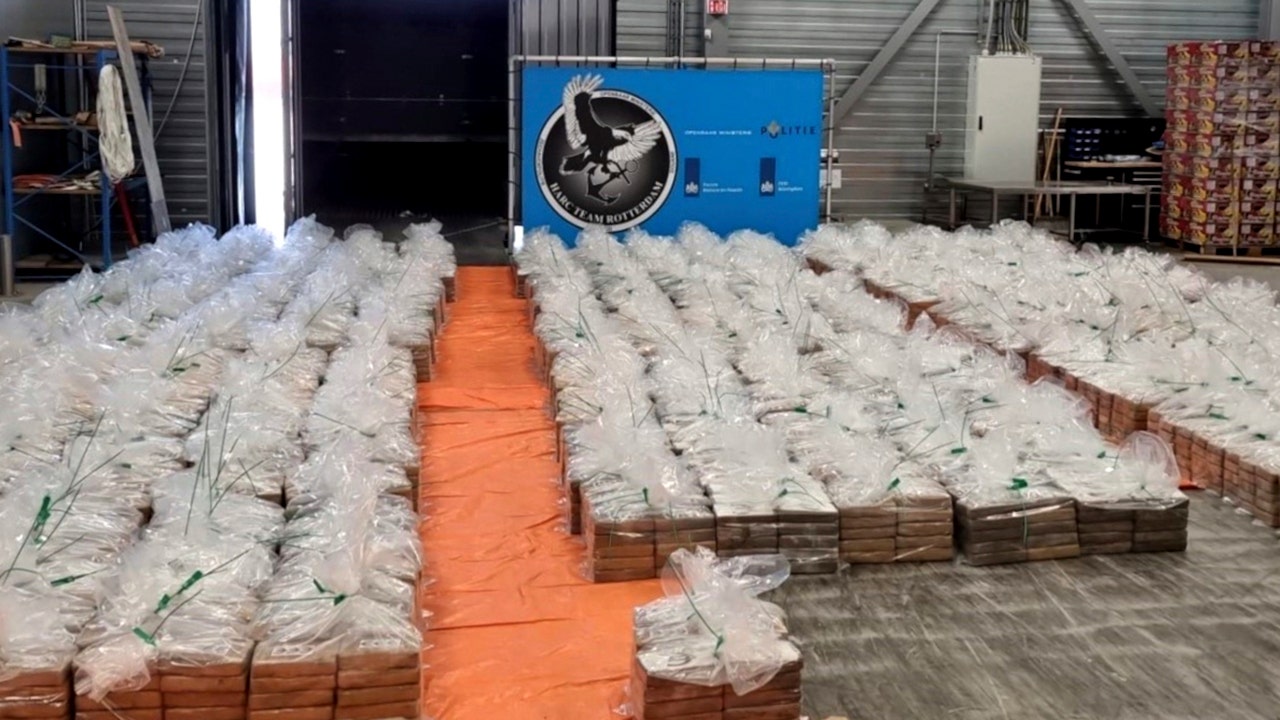
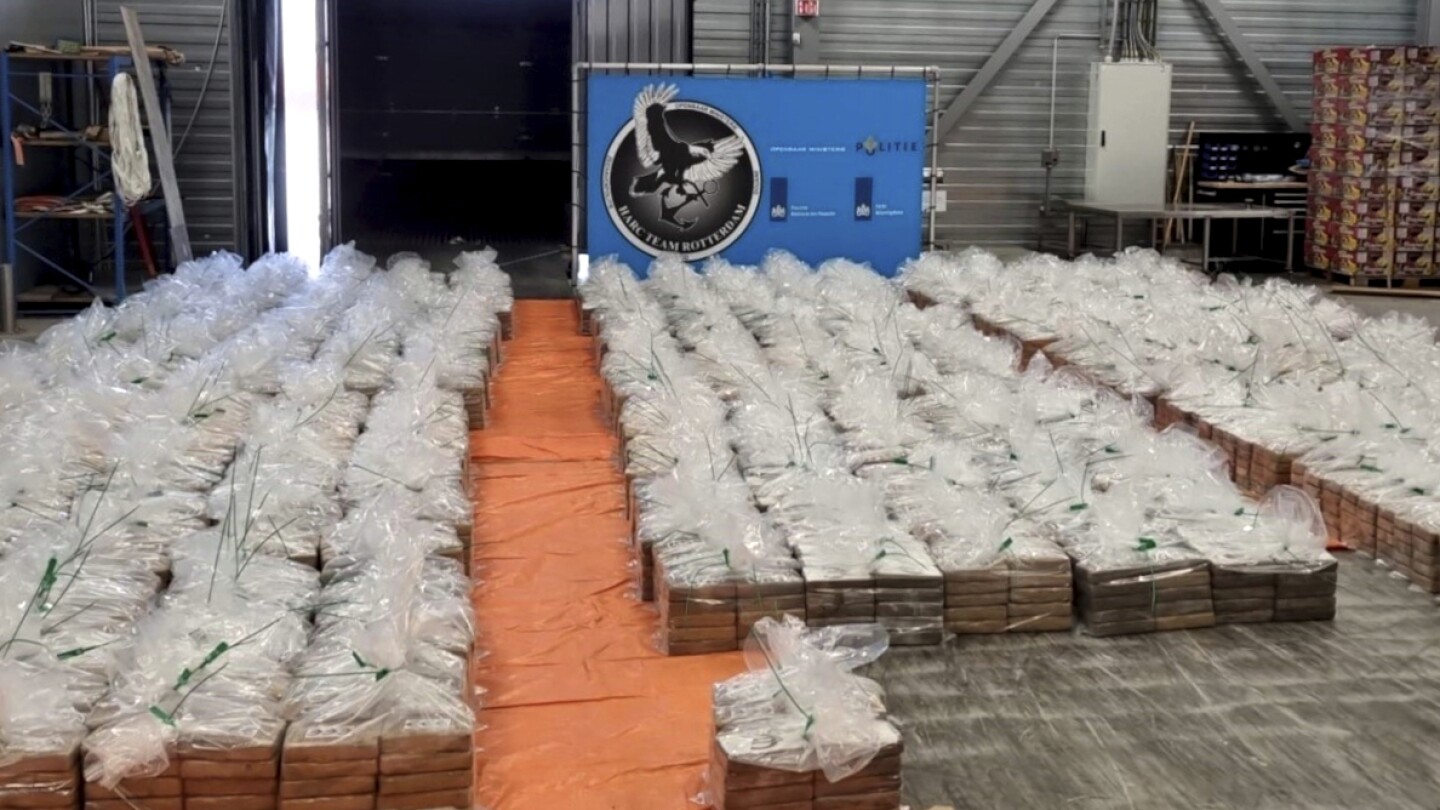
Dutch customs authorities have made the largest cocaine seizure in the history of the Netherlands, confiscating over 17,600 pounds of cocaine with an estimated street value of $662 million. The drugs were discovered hidden in a container of bananas from Ecuador. The expansion of the cocaine market in Europe has led to a rise in violence and corruption, with Rotterdam and the Belgian port of Antwerp becoming the main gateways for Latin American cocaine into the continent. The flourishing drug trade has resulted in increased homicides and intimidation, with recent victims including a lawyer and a crime reporter in the Netherlands. In Ecuador, drug traffickers have sparked a wave of violence as rival gangs compete for control.
Dutch customs officials have made their largest-ever cocaine seizure, confiscating over 8,000 kilograms (17,600 pounds) of the drug with an estimated street value of 600 million euros ($662 million) at the Port of Rotterdam. The drugs were hidden in a container of bananas from Ecuador and have since been destroyed. No arrests have been made yet, and the investigation is ongoing. The seizure highlights the growing drug trade in Europe, which is fueling violence and corruption on the continent.