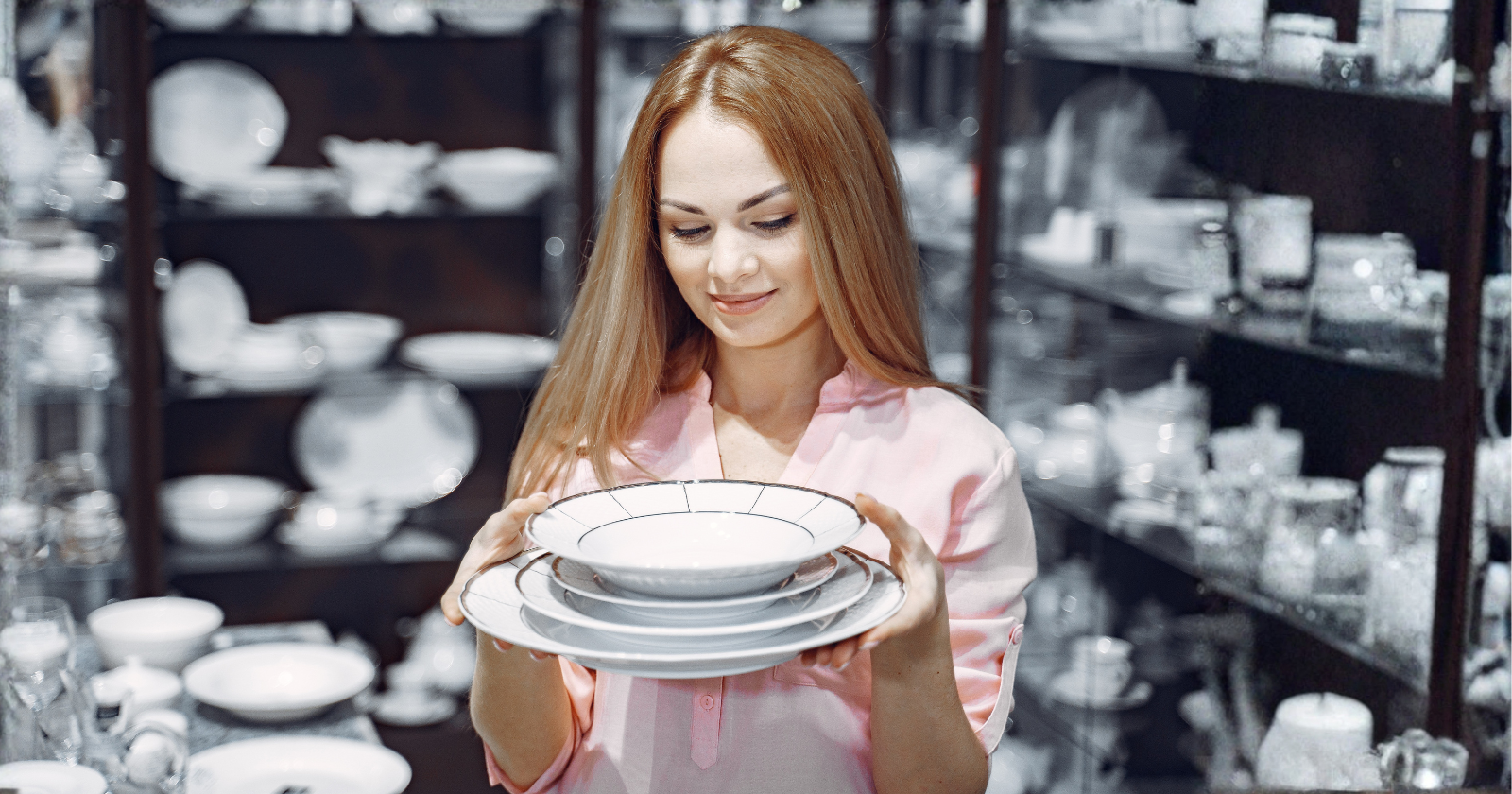
Many middle class families keep valuable items like china, jewelry, and fancy clothes 'for good' but rarely use them, often due to fear or social expectations. The article encourages enjoying these possessions in daily life to prevent unnecessary clutter and to appreciate the present moment.
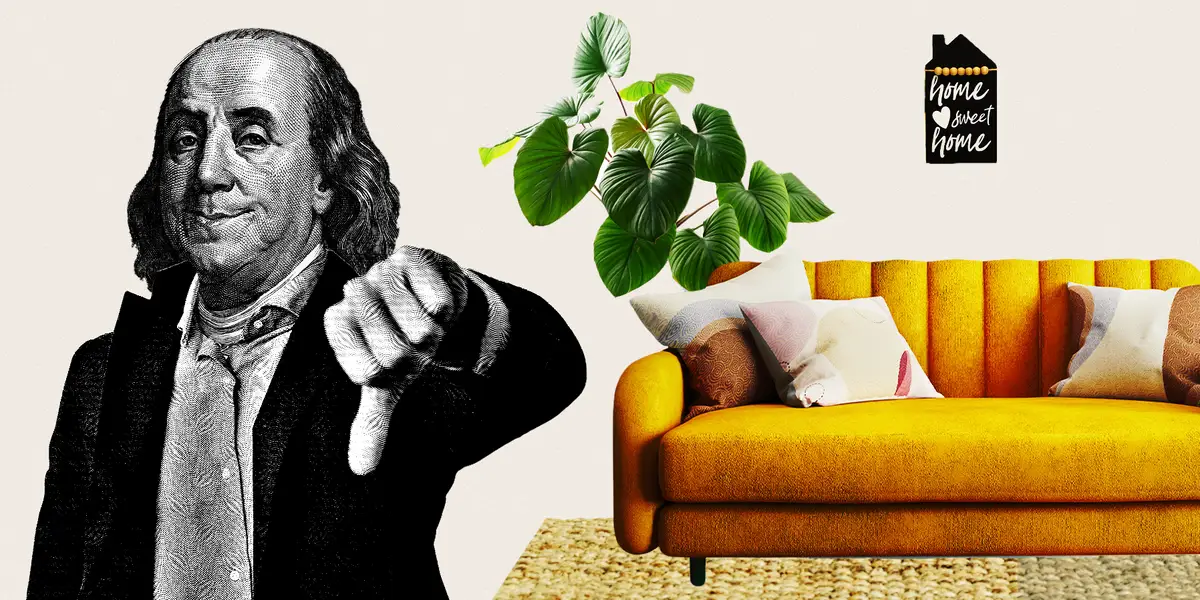
An interior designer shares common elements rarely found in wealthy homes, emphasizing timeless design, clutter-free spaces, high-quality materials, and personalized art, while advising against trendy decor, fake plants, and low-quality hardware to maintain a high-end aesthetic.
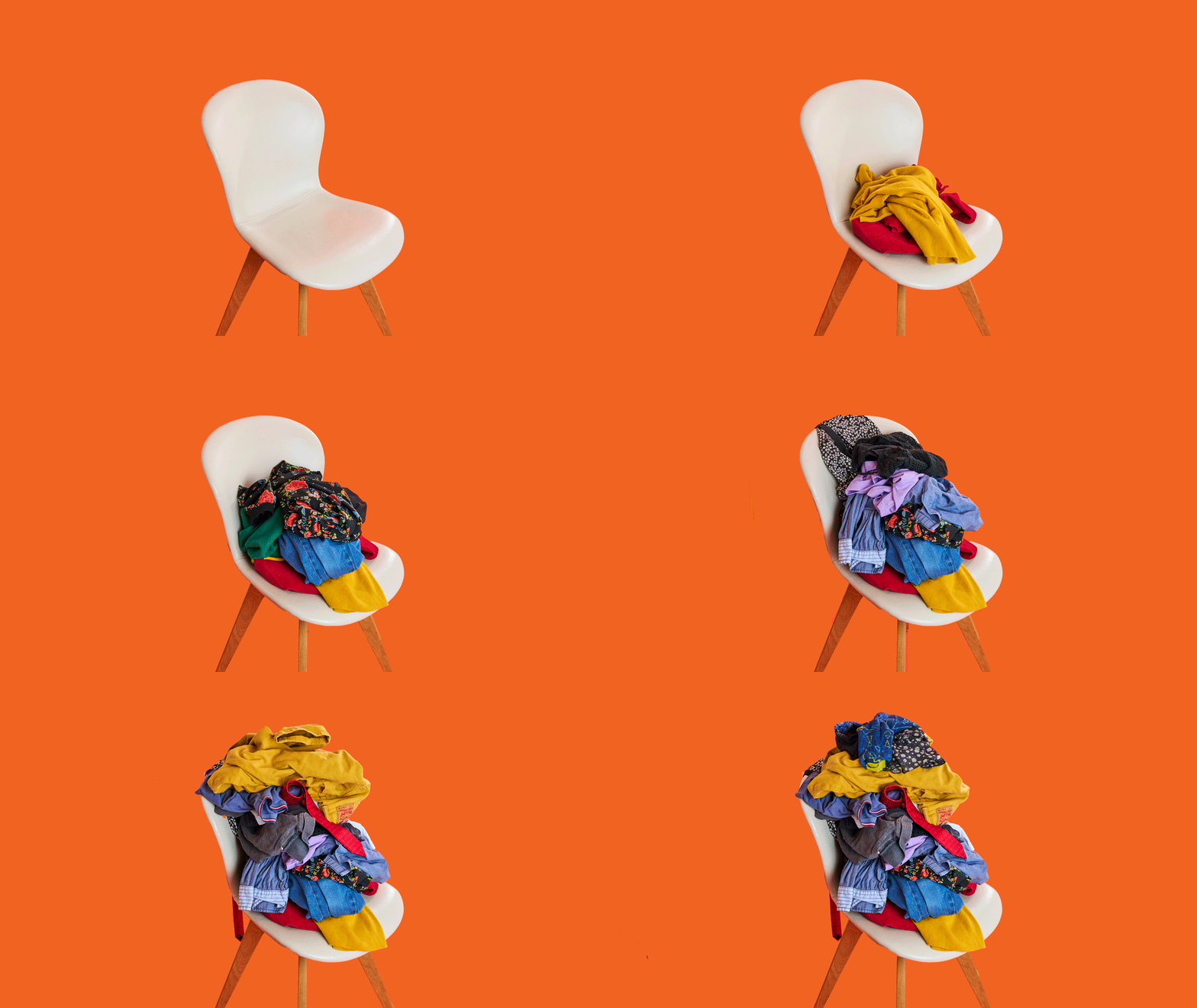
The concept of the "laundry chair" or designated spot for clothes in limbo is a common and practical solution for many people, providing a middle ground between a drawer and the hamper. Psychologists and decor experts agree that it serves as a way to create order within chaos and can prevent overwashing of clothes. While some caution against letting the pile sit too long, others see it as a visual to-do list and a comforting predictability to the cycle of laundry.
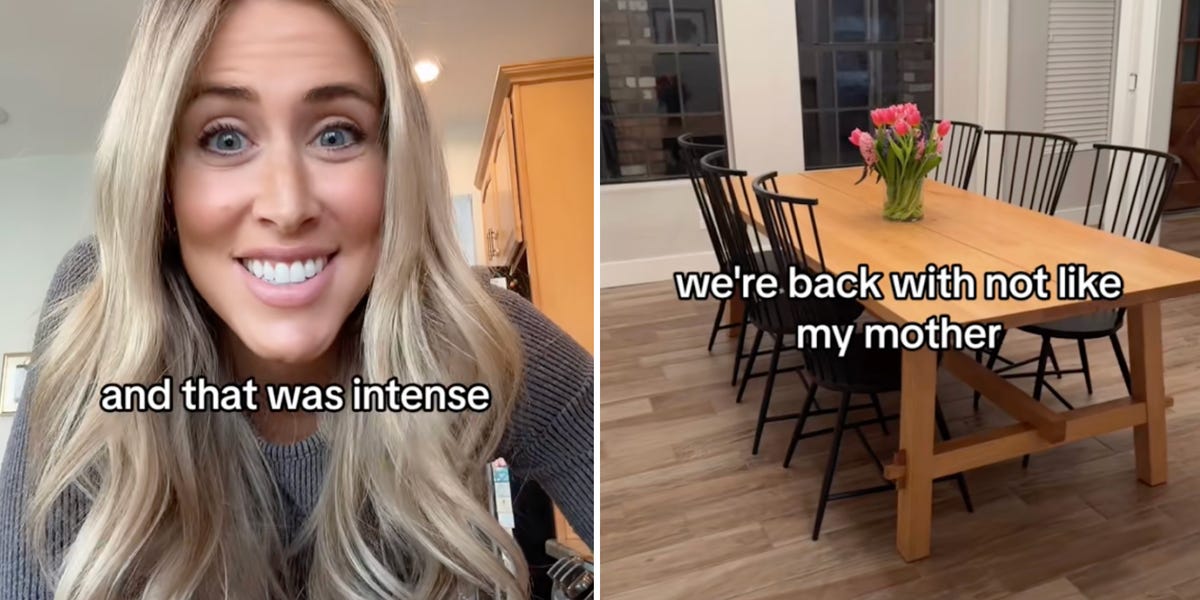
A TikToker and professional home stager, Meesh, who grew up in clutter and now embraces a minimalist aesthetic, has faced backlash for her home tour video. Despite receiving hate for her stark, minimally-appointed space, Meesh remains unapologetic, explaining that her upbringing in a cluttered environment led her to prefer a minimalist style. She also shares comedic videos about her mother's clutter tendencies, which have garnered attention on social media, and she has no plans to stop despite criticism.
Designers suggest avoiding clutter, cheap substitutes, outdated lighting fixtures, furniture sets, and excessive use of colors to prevent a house from looking cheap. They recommend opting for meaningful and curated pieces, investing in quality items, updating lighting fixtures, mixing wood tones and finishes, maintaining a balanced color story, using appropriately scaled furniture, removing popcorn ceilings, incorporating original art, using soft and warm lighting, mixing and matching bedding materials, and avoiding word sayings and contrived artwork sets.
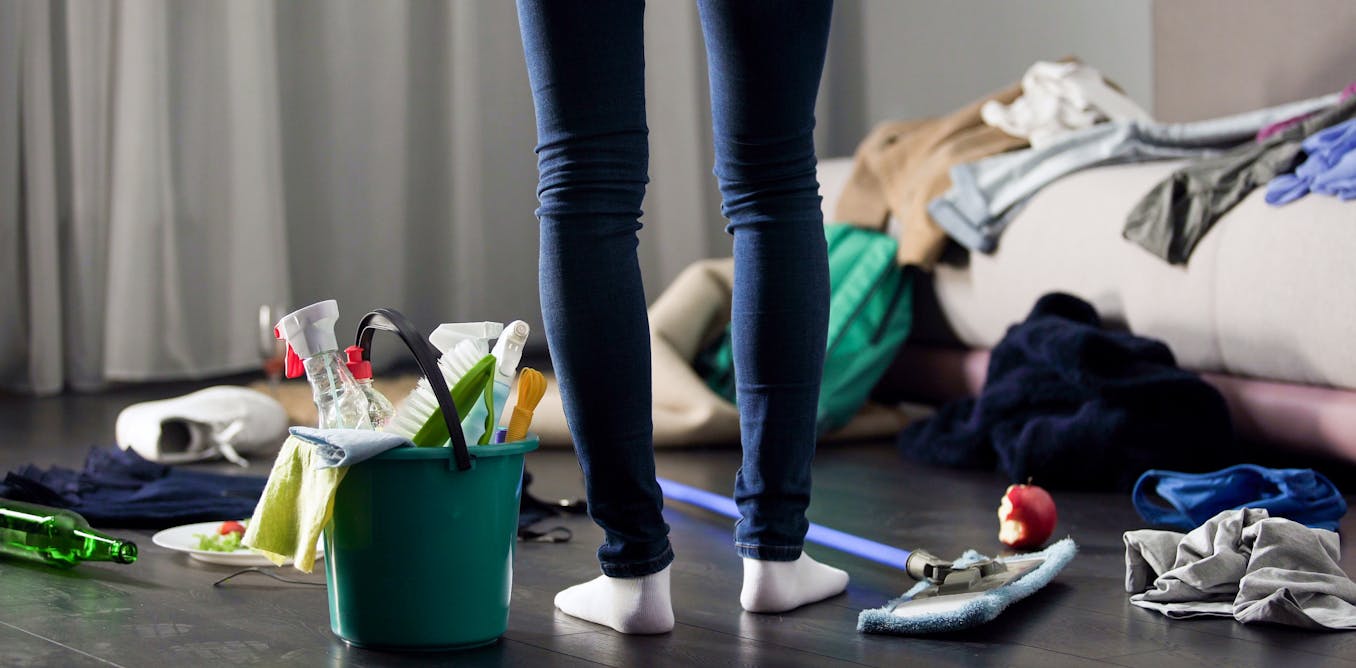
A messy house can trigger feelings of stress and anxiety, as clutter and chaos overload our cognitive capabilities and memory. Research suggests that women may be more affected by mess and clutter than men, with cluttered and stressful homes leading to higher levels of stress and depression symptoms in women. However, it's important to note that not all mess is a problem, as disorganized spaces can foster creativity. To address the anxiety caused by mess, individuals can try reducing clutter through dedicated de-cluttering sessions, micro-tidying, and setting boundaries with household members. Developing a self-compassionate mindset and seeking professional help if needed can also be beneficial in managing the impact of clutter on mental wellbeing and productivity.
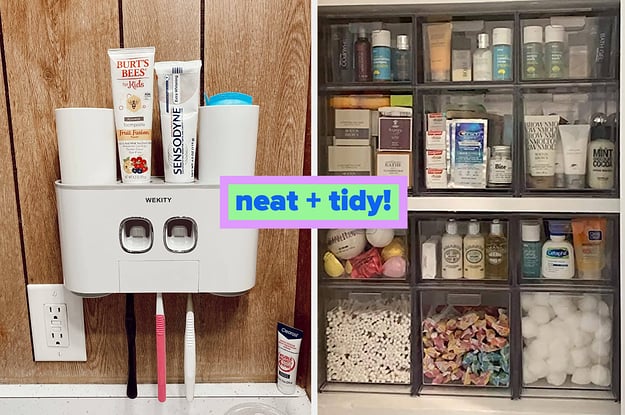
Former BuzzFeed Shopping editor AnaMaria Glavan recommends the Ikee Design makeup organizer for decluttering small spaces. The organizer can fit a variety of makeup products, including lipsticks, blushes, bronzers, highlighters, foundations, concealers, perfumes, primers, and more. With easy access and visibility to everyday makeup, the organizer eliminates the need to search through multiple makeup bags. Available in three colors, it can be purchased on Amazon starting at $17.99.